

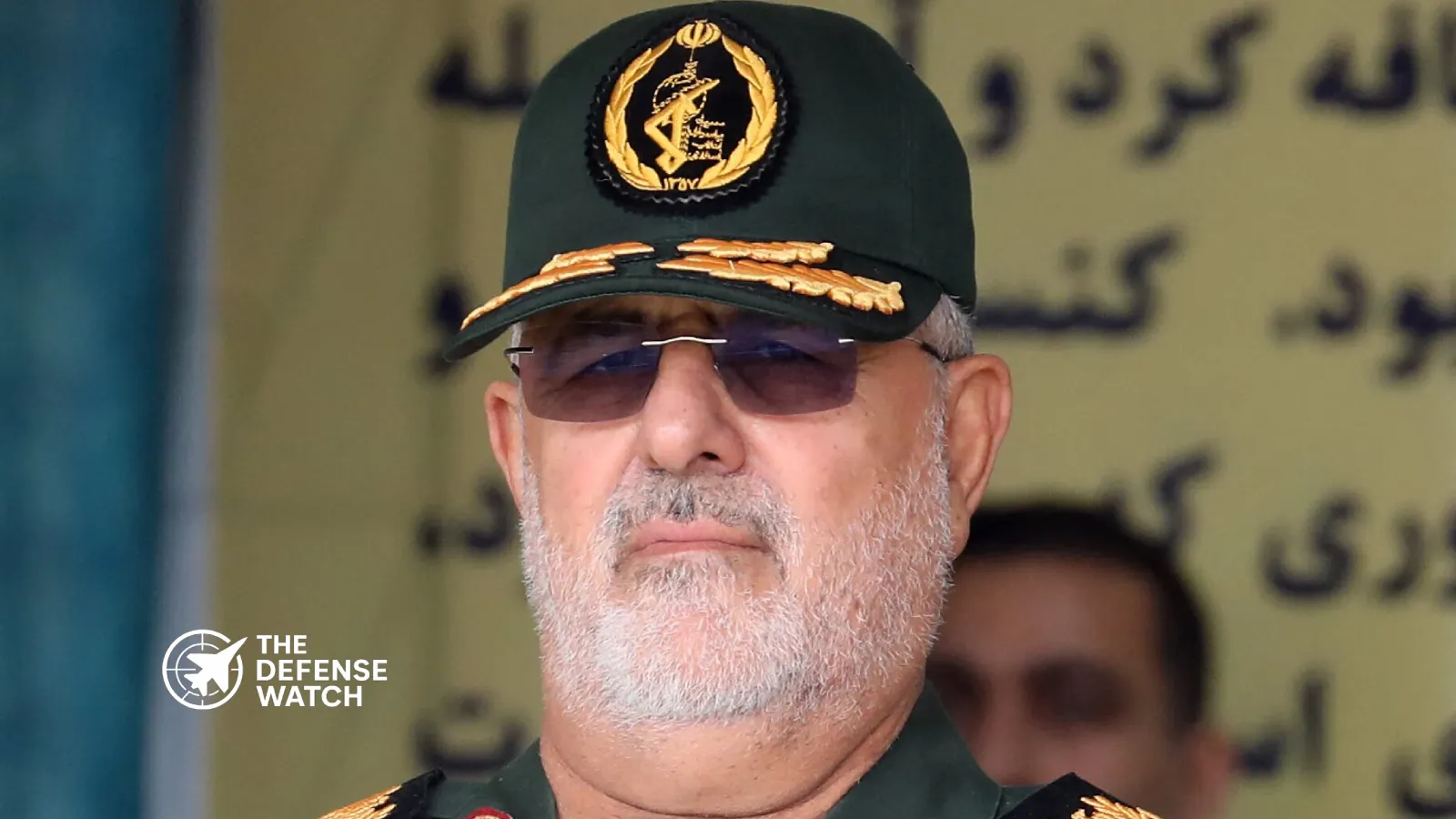
Iran Revolutionary Guard Chief Warns US and Israel
Iran’s paramilitary Islamic Revolutionary Guard Corps commander said his force has its Finger on the Trigger as a United States naval fleet heads toward the Middle East, warning Washington and Jerusalem against miscalculation in a tense strategic standoff.
IRGC Statement and Context
General Mohammad Pakpour, commander of the IRGC ground forces, made the remarks in a statement carried on state-linked media outlets. He said the Guards are more ready than ever and prepared to follow directives from Iran’s leadership.
Pakpour specifically warned the United States and Israel to avoid actions he described as miscalculations that could escalate conflict. The comments reinforce Tehran’s long-standing position that it sees foreign military presence and threats near its borders as risks to national security.
The Revolutionary Guard remains a central pillar of Iran’s military and internal security apparatus, and it was deeply involved in suppressing widespread protests in late 2025 that activists say left thousands of civilians dead.
US Naval Movements
Officials in Washington confirm a US carrier strike group centered on the USS Abraham Lincoln and accompanying warships is moving toward the region. The deployment includes destroyers and support vessels typically assigned to Central Command maritime operations.
The US has not provided a detailed public timeline for the fleet’s arrival, but President Donald Trump and Pentagon spokespeople have said the movement aims to demonstrate readiness and deter escalation, and that military action is not the preferred outcome.
Strategic Drivers Behind Tensions
Key drivers of the current tension include:
- An ongoing internal crisis in Iran following a severe economic downturn and nationwide protests that began in late 2025. Human rights and activist groups report a significant civilian death toll.
- US government warnings over human rights abuses and threats of consequences if Iran executes detainees from the protests.
- Long-standing friction over Iran’s nuclear program and regional proxy networks in Iraq, Syria, Lebanon, and Yemen.
A senior Iranian official also warned that any foreign attack would be treated as an all-out war against the Islamic Republic, underlining Tehran’s view of sovereignty and defense.
What This Means for Regional Security
Military analysts say verbal warnings of readiness are a common tool used by Tehran to signal resolve without crossing a threshold that would trigger open conflict. Yet the overlap of naval movements, domestic unrest, and geopolitical rivalry raises risks of miscalculation.
Diplomatic channels remain open, and similar standoffs in the past have eased without direct clashes. Continued monitoring of troop deployments, sanctions policy, and regional partner positions will remain key for forecasting further developments.
