
Executive Summary:
Iran launched a new wave of missile and drone attacks against U.S. military facilities across the Gulf on July 17 after the United States completed a sixth consecutive night of strikes against Iranian military infrastructure. The latest exchanges demonstrate that last month’s ceasefire has largely collapsed, increasing military pressure on regional bases, maritime security, and global energy supply routes.
U.S. Iran Conflict Intensifies Following Sixth Consecutive Night Of Strikes
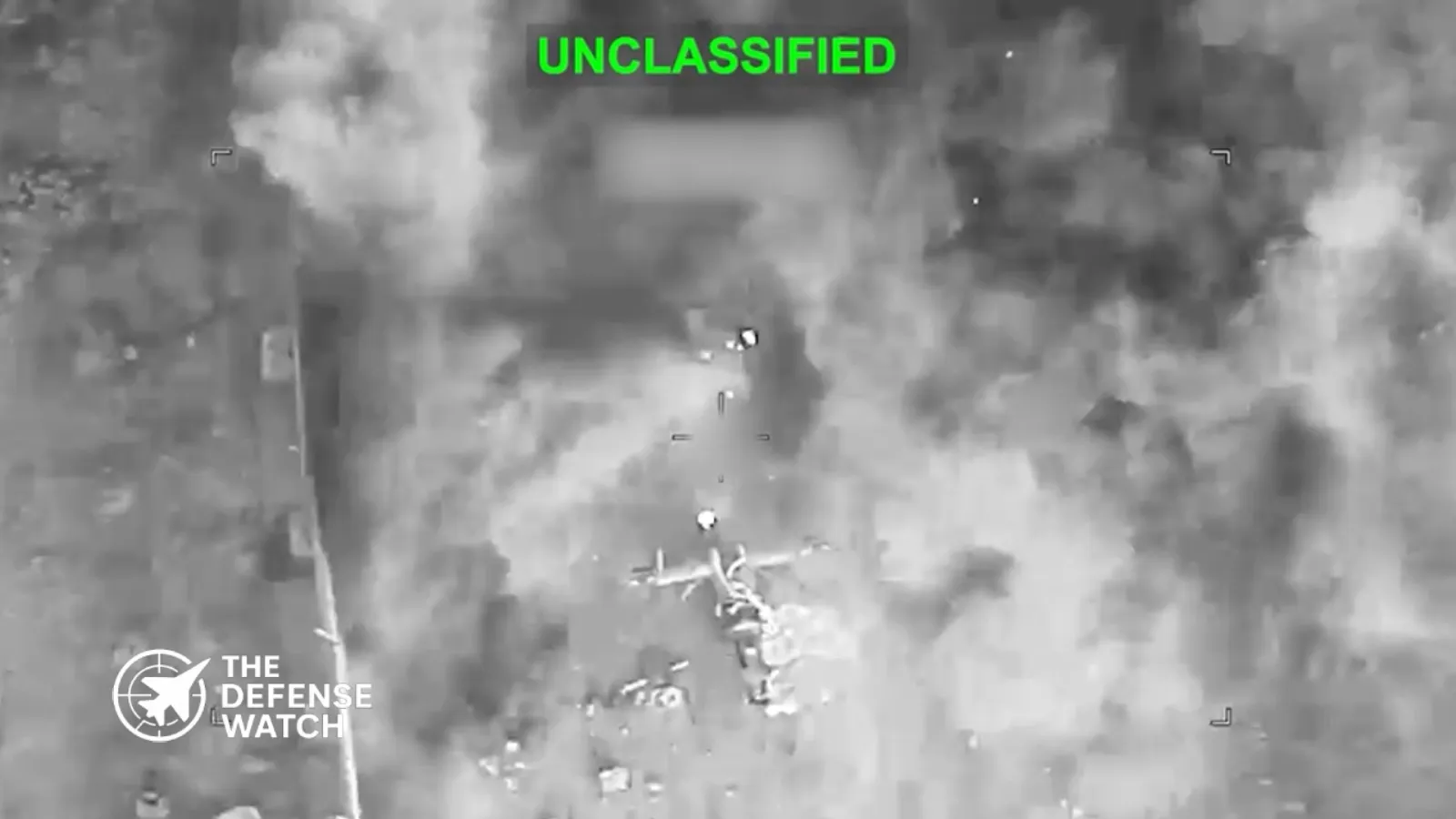
The U.S. Iran conflict entered another dangerous phase on Friday after Iran announced fresh attacks on American military facilities across the Gulf, only hours after U.S. Central Command confirmed another night of precision strikes against Iranian military targets. According to Reuters and official U.S. military statements, American forces targeted coastal surveillance sites, air defense systems, military logistics infrastructure, and maritime capabilities around Qeshm Island and Bandar Abbas.
- U.S. Iran Conflict Intensifies Following Sixth Consecutive Night Of Strikes
- Iran Expands Retaliatory Attacks Across The Gulf
- U.S. Military Focuses On Maritime And Coastal Military Infrastructure
- Why The Strait Of Hormuz Remains The Strategic Center Of The Conflict
- Operational Assessment: A Shift Toward Sustained Military Pressure
- Implications For U.S. And Regional Defense Strategy
- Outlook
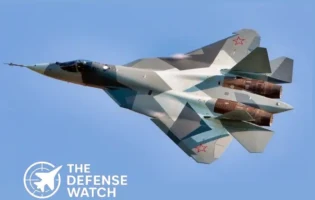
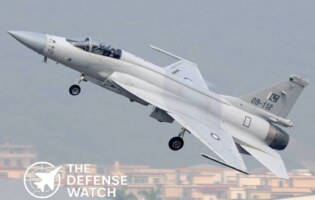
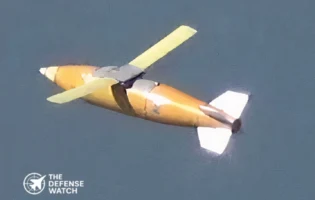
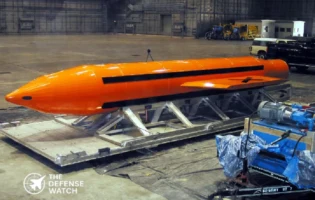
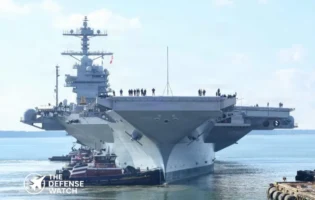
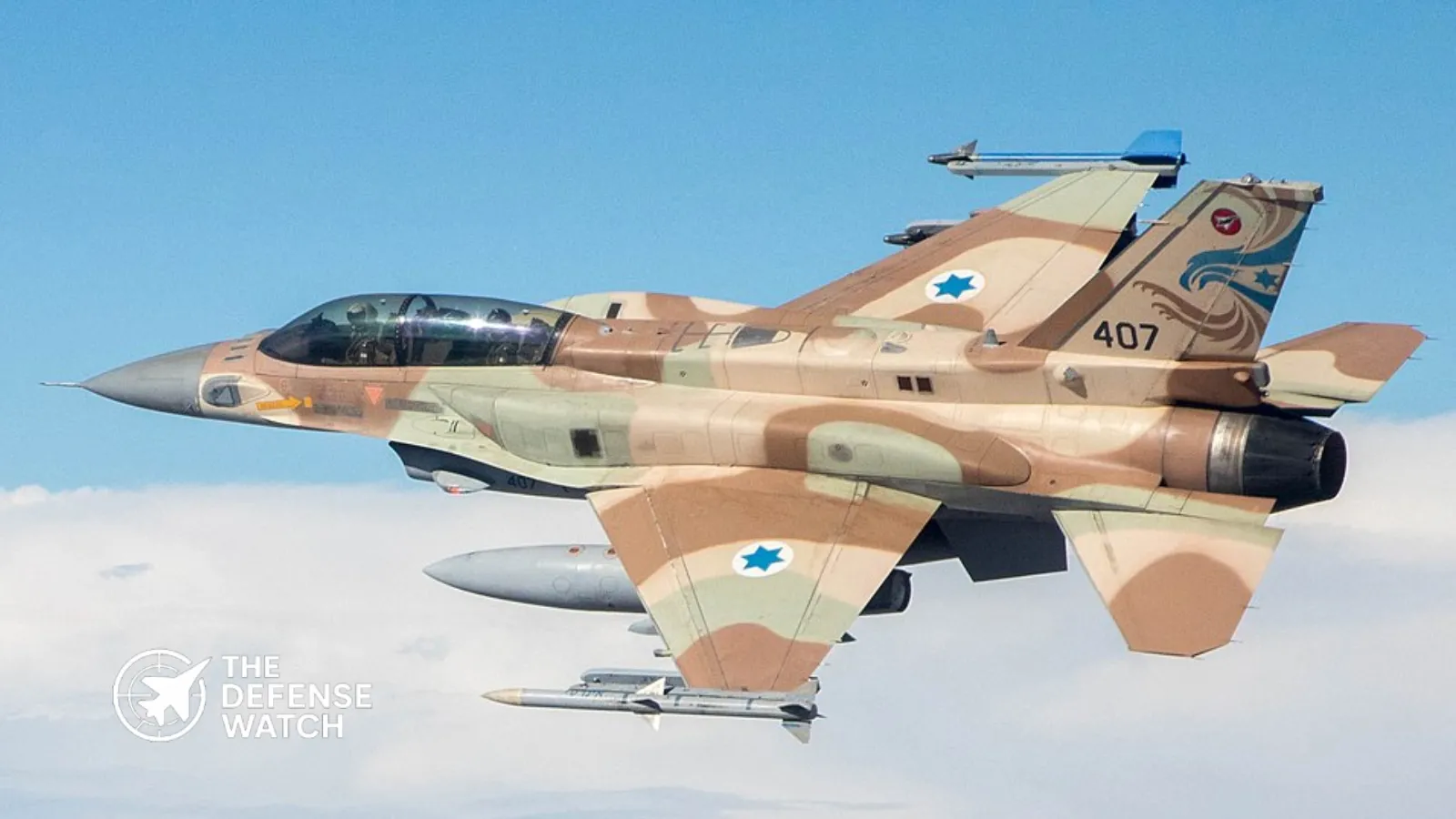
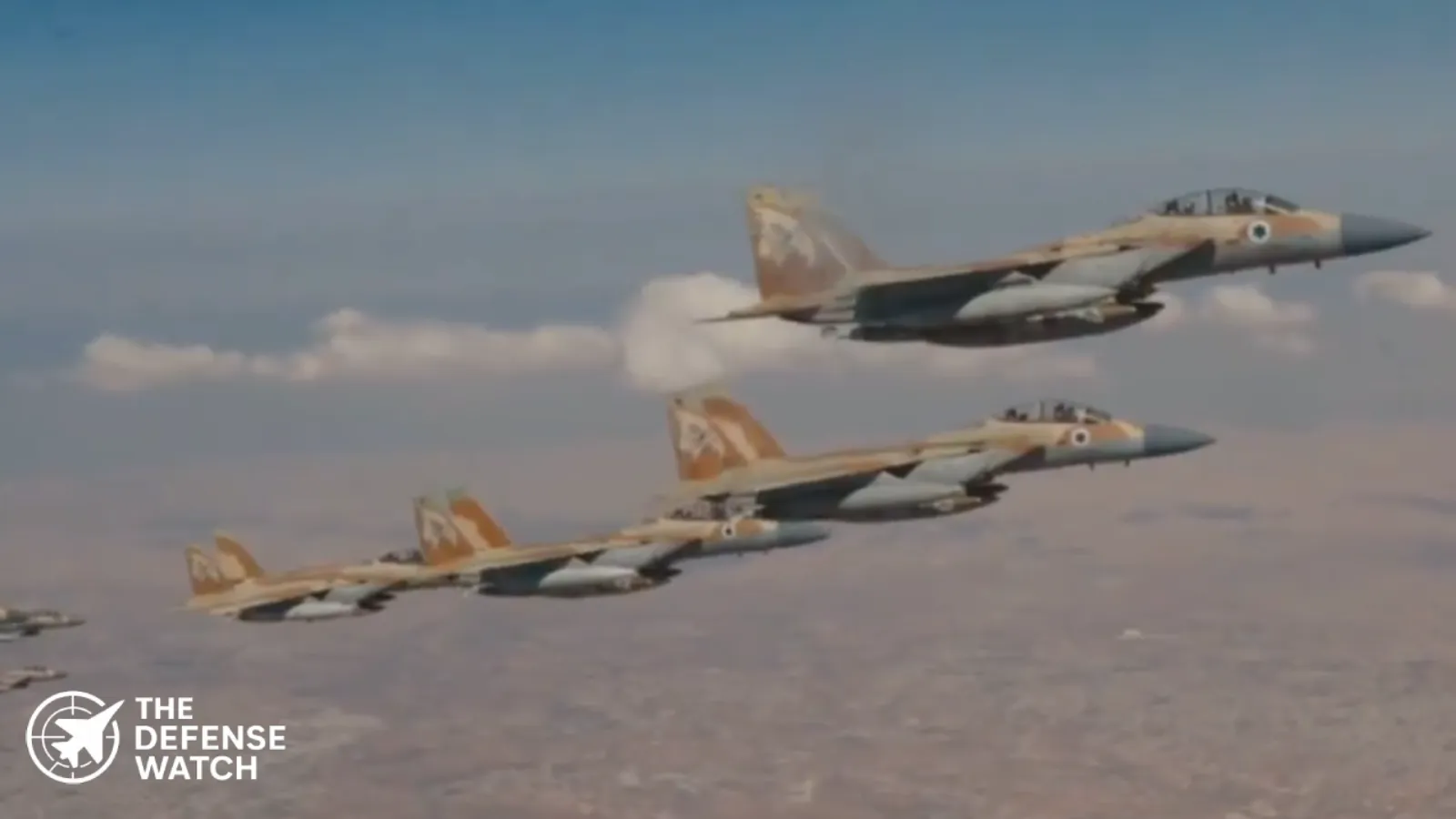
CENTCOM stated that fighter aircraft, naval assets, and unmanned systems employed precision-guided munitions against multiple military objectives intended to further reduce Iran’s operational capabilities. The strikes marked the sixth consecutive night of U.S. military operations inside Iran.
Iran Expands Retaliatory Attacks Across The Gulf
Iran responded by launching missiles and drones toward U.S. military facilities across several Gulf states.
According to Iranian officials cited by Reuters, attacks were directed at facilities in Bahrain and Kuwait, while witnesses also reported explosions in Doha, Qatar. Iranian forces have also continued attacks against U.S. positions elsewhere in the region, including Jordan and Syria, reflecting a broader geographic scope than earlier exchanges.
Regional governments activated air defense systems as intercept operations were conducted against incoming threats. Initial reports indicated limited civilian casualties, although Qatar’s Interior Ministry reported that a child suffered injuries from shrapnel.
U.S. Military Focuses On Maritime And Coastal Military Infrastructure
Recent American operations have concentrated heavily on southern Iran’s military infrastructure.
Key reported target areas include:
| Target Area | Military Significance |
|---|---|
| Qeshm Island | Coastal surveillance, missile positions, naval facilities |
| Bandar Abbas | Iran’s largest commercial port and major Islamic Revolutionary Guard Corps Navy base |
| Southern coastal defenses | Air defense systems, logistics hubs, maritime capabilities |
Bandar Abbas remains one of Iran’s most strategically important military locations, supporting both conventional naval forces and the Islamic Revolutionary Guard Corps Navy. The surrounding coastline also hosts radar installations, anti-ship missile batteries, logistics depots, and maritime surveillance assets supporting Iranian operations in the Strait of Hormuz.
Why The Strait Of Hormuz Remains The Strategic Center Of The Conflict
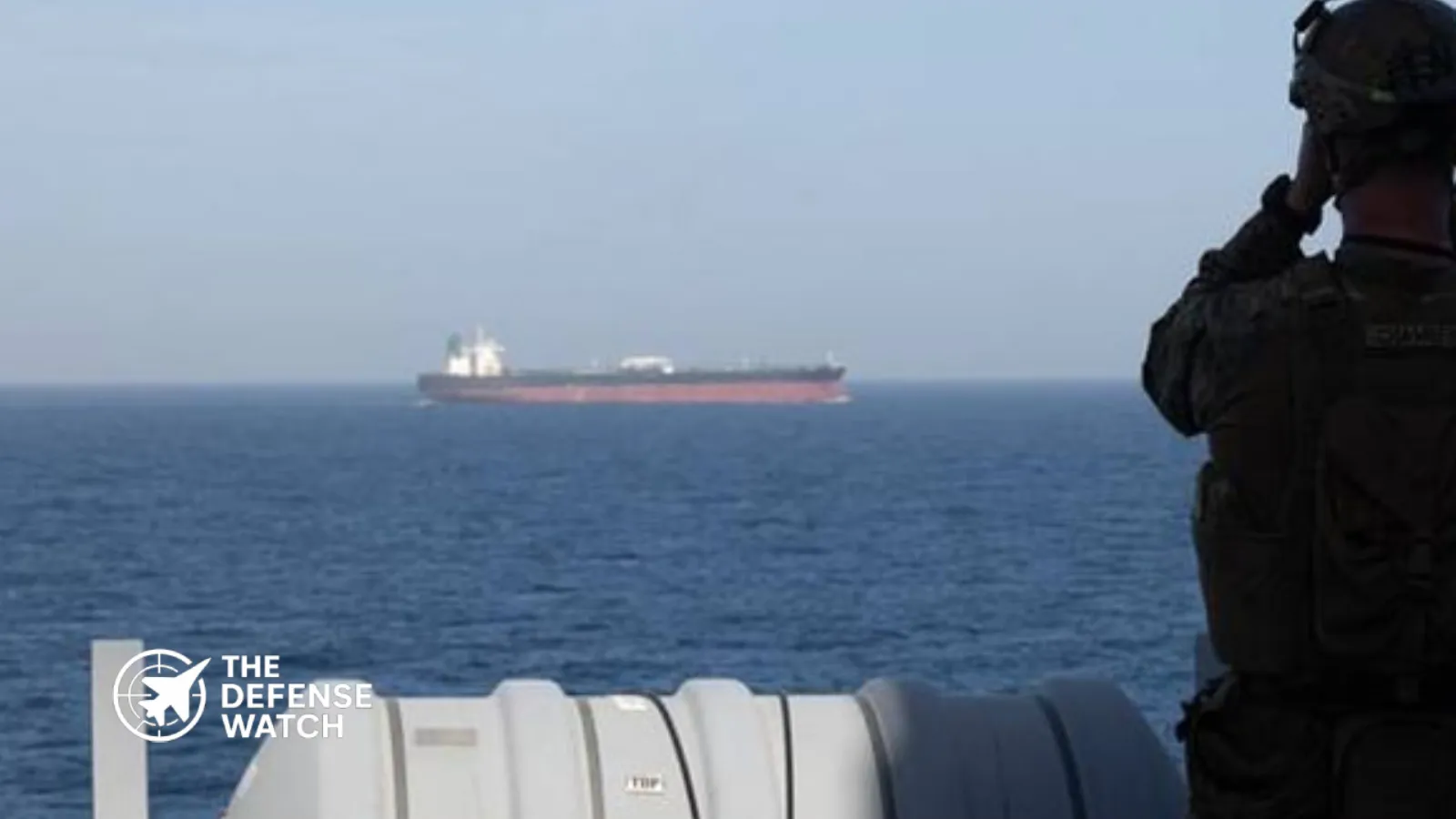
While military strikes dominate headlines, the most significant strategic consequence remains the impact on maritime security.
The Strait of Hormuz carries a substantial share of globally traded crude oil and liquefied natural gas. Continued military operations around Bandar Abbas directly affect shipping confidence, insurance costs, and commercial vessel routing.
Reuters reported that shipping through the Strait has again been heavily disrupted, while Iranian officials have also suggested the possibility of expanding pressure through allied Houthi forces operating near the Bab al Mandeb chokepoint, another critical maritime corridor linking the Red Sea with the Indian Ocean.
For U.S. military planners, maintaining freedom of navigation remains a primary operational objective alongside degrading Iranian military capabilities.
Operational Assessment: A Shift Toward Sustained Military Pressure
The latest operations suggest both sides are transitioning from isolated retaliatory strikes toward sustained military campaigns.
For the United States, repeated attacks indicate an effort to systematically reduce Iranian military capabilities over time rather than conduct a single punitive operation. The focus on coastal surveillance networks, logistics hubs, and maritime infrastructure aligns with efforts to weaken Iran’s ability to threaten Gulf shipping or coordinate larger regional operations.
Iran, meanwhile, appears to be expanding its response geographically by targeting American facilities across multiple partner nations instead of concentrating solely on U.S. forces near Iranian territory. This approach forces regional air defense networks to remain on continuous alert while demonstrating Tehran’s ability to project military pressure beyond its borders.
The broader operational challenge for both sides lies in escalation management. Expanding target sets increase the risk of miscalculation involving regional partners, commercial shipping, or civilian infrastructure, potentially drawing additional actors into the conflict.
Implications For U.S. And Regional Defense Strategy
From a defense perspective, the latest exchanges reinforce several long term trends.
First, integrated air and missile defense has become the central requirement for U.S. forces stationed throughout the Gulf. Military installations increasingly rely on layered defensive systems capable of countering ballistic missiles, cruise missiles, and one way attack drones simultaneously.
Second, maritime security operations remain inseparable from regional military strategy. Protecting commercial shipping lanes now requires coordinated naval patrols, intelligence sharing, airborne surveillance, and persistent missile defense coverage across multiple allied nations.
Finally, the continued exchange of strikes highlights how regional conflicts increasingly combine conventional military operations with economic pressure through disruption of critical maritime trade routes.
Outlook
As of July 17, neither Washington nor Tehran has indicated any immediate reduction in military operations.
The United States has continued nightly strikes aimed at degrading Iranian military infrastructure, while Iran has demonstrated its willingness to retaliate against American military facilities across the broader Gulf region. Diplomatic efforts remain overshadowed by active military operations, leaving regional security conditions highly volatile.