

Executive Summary:
The United States and Saudi Arabia conducted coordinated precision strikes against Iran backed armed groups in Iraq on July 28 after Washington said the groups were directed by Iran’s Islamic Revolutionary Guard Corps (IRGC) to attack U.S. personnel and Saudi energy infrastructure. The operation marks another escalation in the widening regional conflict and highlights growing military cooperation between Washington and Riyadh against Iranian aligned networks.
U.S. And Saudi Forces Strike Iran Backed Militias In Iraq
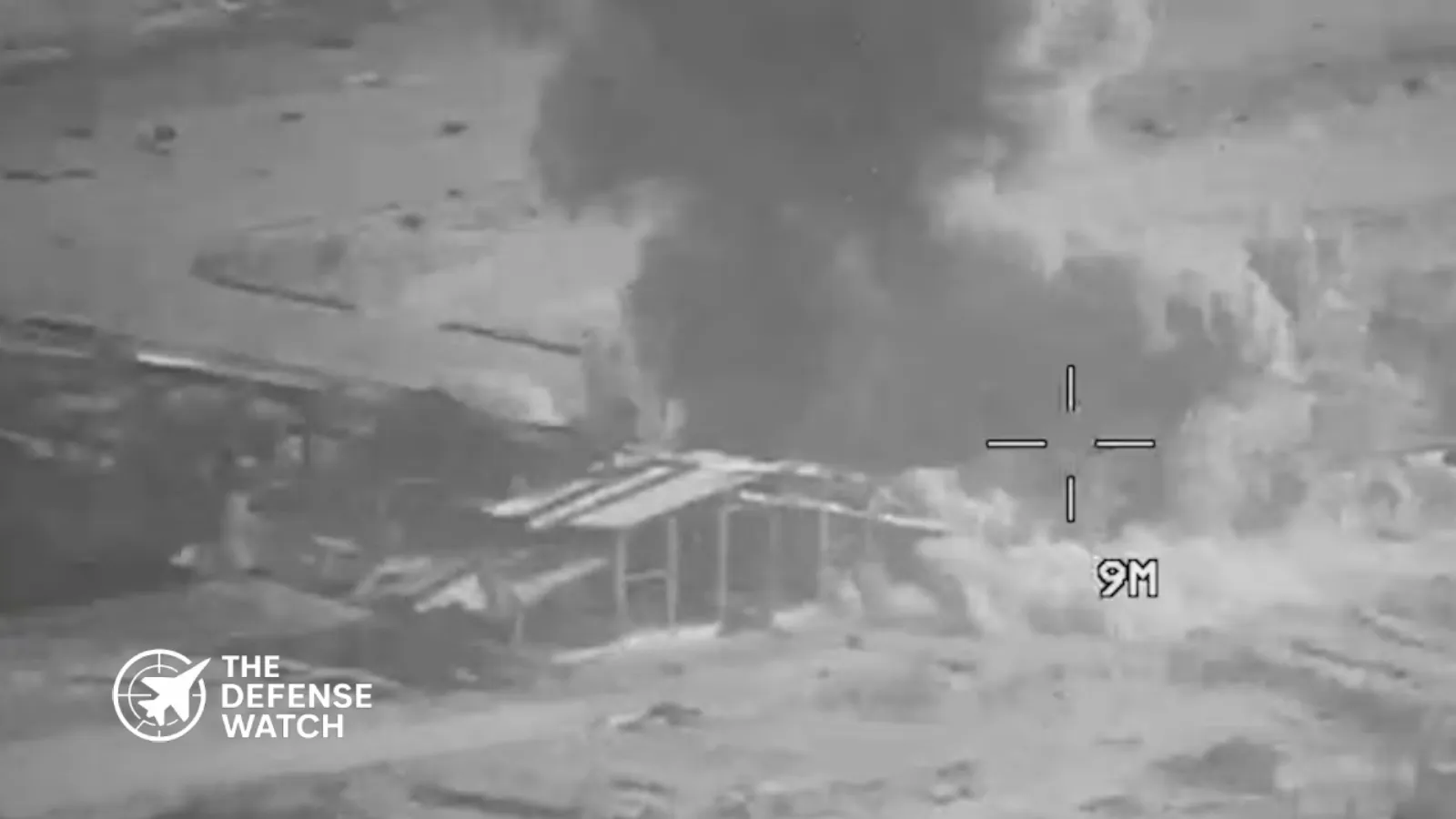
The U.S. Saudi strikes Iraq operation represents one of the most significant joint military actions undertaken by Washington and Riyadh during the current regional crisis. According to U.S. Central Command (CENTCOM), the strikes targeted logistics and weapons facilities used by Iran backed armed groups operating inside Iraq after a series of attempted attacks against American forces and Saudi infrastructure.
CENTCOM said the operation was conducted on July 28 alongside the Saudi Arabian Armed Forces and described the targets as groups directed by Iran’s Islamic Revolutionary Guard Corps. The U.S. military stated that recent attacks against American forces were unsuccessful but warranted a coordinated response.
Why The Operation Was Launched
According to the U.S. military, the strikes followed numerous drone attacks attributed to Iran aligned groups targeting U.S. personnel and Saudi energy facilities.
The broader conflict has expanded considerably over recent months. Reuters reported that hostilities now involve multiple countries across the Middle East, including Iran, Iraq, Saudi Arabia, Jordan, Egypt and Yemen, creating one of the region’s most complex security environments in years.
Iraq condemned the strikes as a violation of its sovereignty while attempting to balance relations with both Washington and Tehran. Iraqi officials continue to face increasing pressure from both sides as armed groups maintain significant influence inside the country.
What U.S. Central Command Said
CENTCOM stated that the operation specifically targeted facilities supporting attacks against U.S. forces and Saudi critical infrastructure.
According to the military statement:
| Operation Detail | Information |
|---|---|
| Date | July 28, 2026 |
| Participants | U.S. Central Command and Saudi Arabian Armed Forces |
| Location | Iraq |
| Primary Targets | Logistics and weapons facilities used by Iran backed armed groups |
| Stated Objective | Deter attacks against U.S. forces and Saudi energy infrastructure |
The U.S. military added that it remains prepared to respond if attacks continue against American personnel or regional partners.
Strategic Importance Of Saudi Participation
One of the most significant aspects of the operation is Saudi Arabia’s direct military participation.
Although Riyadh has previously coordinated closely with Washington on regional security, Reuters noted that this is the first publicly acknowledged joint combat action with the United States against Iran backed armed groups in Iraq during the current conflict.
Saudi involvement signals a broader regional security alignment aimed at protecting critical energy infrastructure and deterring additional attacks by Iranian aligned networks.
For U.S. defense planners, the operation also demonstrates increasing interoperability between American and Gulf military forces, particularly in intelligence sharing, air operations and precision strike capabilities.
Regional Security Implications
The strikes are unlikely to be viewed in isolation.
Iran has previously denied directing attacks from Iraqi territory, while maintaining that it would respond to military pressure in the region. At the same time, Iraqi leaders face mounting domestic challenges as powerful militia groups retain substantial military capabilities despite government efforts to strengthen state control.
Military analysts generally view Iraq as a critical operating environment where Iranian influence, U.S. military interests and Gulf security priorities increasingly intersect.
From a U.S. defense perspective, preventing attacks on deployed forces remains a central objective. For Saudi Arabia, defending oil infrastructure remains equally important given its strategic role in global energy markets.
Defense Analysis
From an operational standpoint, the strikes illustrate several important trends in regional military strategy.
First, Washington continues to rely on precision airpower rather than large scale ground operations when responding to attacks by proxy groups.
Second, coalition operations with regional partners are becoming increasingly important as threats extend beyond national borders.
Third, the targeting of logistics hubs instead of broader infrastructure suggests an effort to reduce the operational capacity of armed groups while limiting wider damage.
The operation also highlights how modern conflicts increasingly involve state actors confronting networks of proxy organizations rather than conventional military formations. Such campaigns require persistent intelligence collection, surveillance assets, precision targeting and close coordination between allied militaries.
For U.S. defense planners, maintaining freedom of action across the Middle East while protecting regional partners remains a key strategic priority as tensions with Iran continue.
Outlook
The latest strikes are unlikely to end regional hostilities on their own.
Instead, they demonstrate that Washington and its regional partners are prepared to respond militarily when attacks threaten U.S. personnel or critical infrastructure. Future developments will depend on whether Iran backed armed groups continue cross border attacks and whether diplomatic efforts can reduce the risk of further escalation.
For now, Iraq remains at the center of a broader regional contest involving U.S. forces, Iranian influence and Gulf security cooperation.
