

Executive Summary:
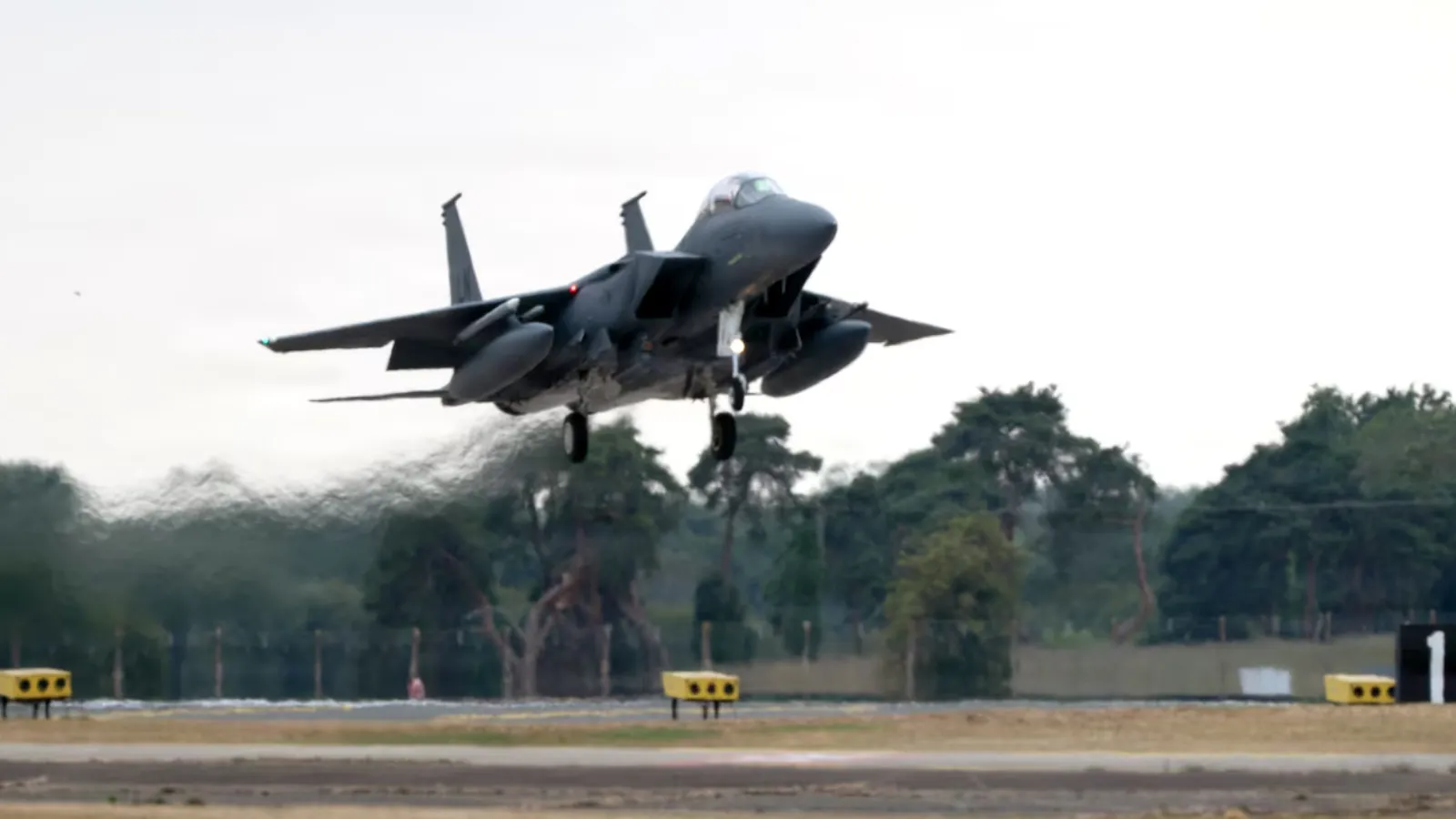
Exercise Combat Archer U.K. 26 concluded on July 24 after two weeks of advanced air combat training that certified U.S. Air Force fighter squadrons for operational air to air missions. The exercise brought together U.S. and Royal Air Force aircraft for live weapons employment, strengthening NATO interoperability and combat readiness in Europe.
Exercise Combat Archer U.K. 26 Reinforces NATO Fighter Combat Readiness
Exercise Combat Archer U.K. 26 has concluded with the successful combat certification of the U.S. Air Force’s 492nd and 493rd Fighter Squadrons stationed at Royal Air Force Lakenheath, England. Led by U.S. Air Forces in Europe and Air Forces Africa (USAFE-AFAFRICA), the exercise validated the ability of pilots, maintainers, and support personnel to conduct live air to air combat operations under realistic operational conditions.
The exercise also integrated Royal Air Force F-35B Lightning II aircraft, demonstrating allied interoperability during advanced weapons employment scenarios. According to the U.S. Air Force, the training ensures operational fighter units remain certified before undertaking real world missions.
Live Weapons Certification Focused On Combat Readiness
Combat Archer is one of the U.S. Air Force’s premier fighter weapons evaluation exercises. Rather than serving as a large force employment event, its primary purpose is to verify that fighter squadrons can safely and effectively employ live weapons while meeting operational standards.
The 83rd Fighter Weapons Squadron from Tyndall Air Force Base, Florida, served as the evaluating organization, while the 351st Aerial Refueling Squadron from RAF Mildenhall provided aerial refueling support throughout the exercise.
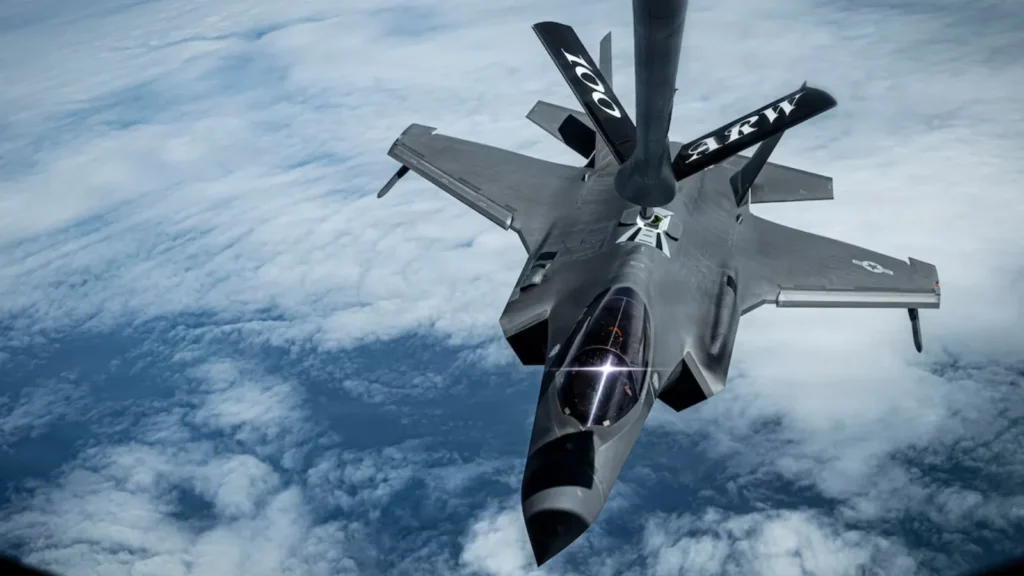
Ground crews assembled, loaded, armed, and inspected live air to air missiles before aircraft launches. Pilots then executed complex intercept missions culminating in live missile and aerial gun engagements against airborne targets.
According to the Air Force, these evaluations satisfy Chief of Staff certification requirements before fighter units deploy for operational taskings.
RAF F-35B And U.S. Fighters Train Together
A notable feature of Exercise Combat Archer U.K. 26 was the integration of Royal Air Force F-35B Lightning II aircraft with U.S. fourth and fifth generation fighters.
RAF crews executed beyond visual range engagement scenarios alongside U.S. aircraft, allowing both services to synchronize tactics, techniques, and procedures. Such integration improves coalition effectiveness during multinational operations while enhancing confidence between allied air forces.
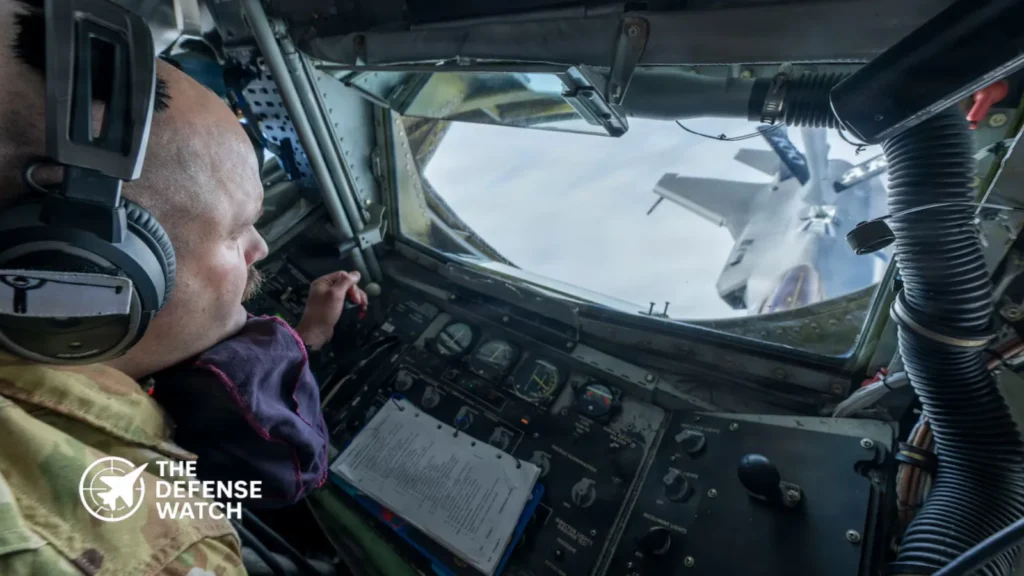
The exercise also enabled participants to practice mission planning, weapons selection, aircraft maintenance, command and control coordination, and airborne execution within realistic combat scenarios.
Live Fire Data Benefits Future Weapons Development
Beyond pilot qualification, Combat Archer provides valuable engineering information.
Unlike routine training flights, the exercise employs traceable air to air missiles equipped to transmit detailed telemetry throughout each engagement. Engineers analyze this information to assess missile performance, guidance accuracy, launch parameters, and aircraft system integration.
This data supports future improvements to aircraft mission systems, weapons software, and missile guidance technologies across the U.S. Air Force inventory.
Senior Leaders Emphasize Operational Preparation
Lt. Gen. Jason Hinds, commander of U.S. Air Forces in Europe and Air Forces Africa, said the exercise allows operational units to share lessons learned before they are needed in real world operations.
He noted that conducting challenging multinational training provides a strategic advantage while improving readiness among pilots, maintainers, and support personnel across the command.
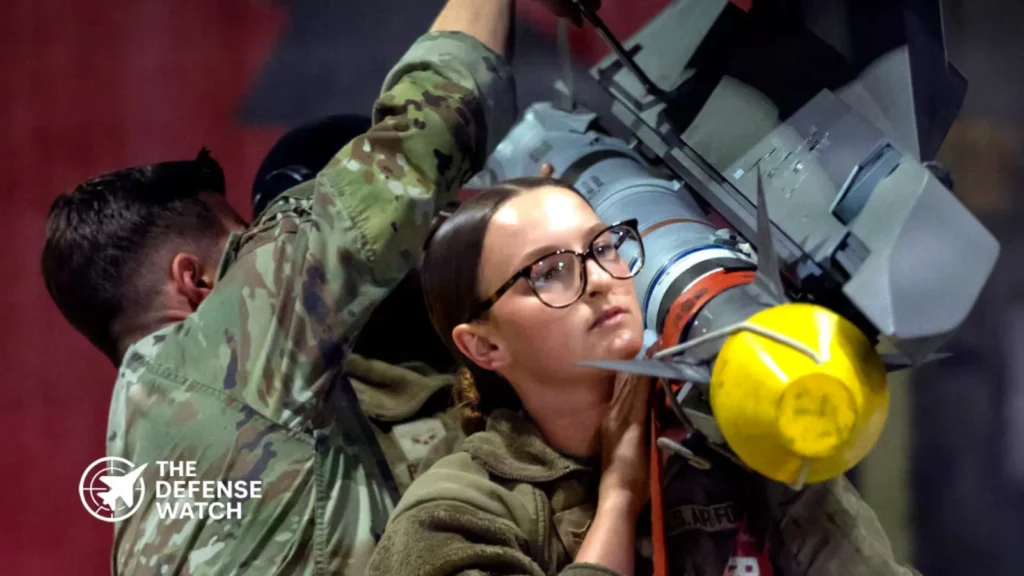
Air Force Airman 1st Class Karlie Kessler, 493rd Aircraft Maintenance Unit weapons load crew member, loads an AIM-9X missile onto an F-35A Lightning II fighter jet with the assistance of Air Force Tech. Sgt. Kevin Williams, 493rd AMU weapons load crew chief, and Air Force Airman 1st Class Ismael Belem, 493rd AMU weapons load crew member, during Exercise Combat Archer U.K. 26 at Royal Air Force Lakenheath, England, July 21, 2026.
Capt. Thomas Holmes of the 493rd Fighter Squadron described Combat Archer as one of the few opportunities for pilots to experience actual live weapons employment, noting that realistic firing exercises remain essential for maintaining advanced air to air combat proficiency.
Why Combat Archer Matters Beyond Certification
Although Combat Archer focuses primarily on weapons certification, its strategic importance extends well beyond individual pilot qualifications.
Europe continues to experience one of its most demanding security environments since the Cold War. NATO air forces increasingly conduct multinational patrols, quick reaction alert missions, and deterrence operations across the alliance’s eastern flank. Exercises that validate live weapons employment help ensure these aircraft can immediately transition from training to operational missions if required.
Another significant aspect is interoperability between fourth generation aircraft such as the F-15E Strike Eagle and fifth generation platforms like the RAF’s F-35B. Modern air operations increasingly rely on mixed force packages that combine stealth aircraft, conventional fighters, aerial refueling assets, and airborne command systems. Training these platforms together under realistic combat conditions improves operational effectiveness while reducing integration risks during coalition operations.
The exercise also highlights the critical role of maintainers. Combat capability depends not only on pilot proficiency but also on the speed and accuracy with which ground crews prepare aircraft, inspect weapons, and generate sorties under operational timelines. Combat Archer evaluates these support functions alongside flight operations, providing a comprehensive assessment of squadron readiness.
Key Exercise Participants
| Organization | Role |
|---|---|
| U.S. Air Forces in Europe and Air Forces Africa | Exercise lead |
| 492nd Fighter Squadron | Combat certification |
| 493rd Fighter Squadron | Combat certification |
| Royal Air Force F-35B units | Allied integration and BVR training |
| 83rd Fighter Weapons Squadron | Weapons evaluation and certification |
| 351st Aerial Refueling Squadron | Air refueling support |
Operational Significance
Exercise Combat Archer U.K. 26 demonstrates how the U.S. Air Force and Royal Air Force continue investing in realistic live fire training to maintain combat credibility within NATO. By certifying both aircrews and maintenance personnel under demanding operational conditions, the exercise strengthens alliance readiness while generating valuable technical data that will inform future aircraft and weapons improvements.
As NATO places increasing emphasis on rapid response and multinational integration, recurring certification events such as Combat Archer remain a key component of maintaining a capable and immediately deployable fighter force across the European theater.
