(adsbygoogle = window.adsbygoogle || []).push({});EXECUTIVE SUMMARY:
Yes — the United States bombed Iran. On June 22, 2025, U.S. Air Force B-2 Spirit stealth bombers and Navy submarine-launched Tomahawk cruise missiles struck three Iranian nuclear facilities in a unilateral operation codenamed Operation Midnight Hammer. The strikes triggered a broader conflict lasting into early 2026, which ended in a fragile ceasefire and a memorandum of understanding signed on June 19, 2026. Iran’s nuclear program has been set back by an indeterminate period, its Strait of Hormuz leverage has been tested, and formal peace negotiations remain ongoing.
Yes, the U.S. Bombed Iran — Here Is the Complete Record
The short answer to “did the U.S. bomb Iran” is an unambiguous yes. On the night of June 21–22, 2025, the United States executed Operation Midnight Hammer, a coordinated air and sea strike against Iran’s three most critical nuclear infrastructure nodes. The operation followed 12 days of Israeli strikes under Operation Rising Lion, during which the Israeli Air Force systematically dismantled Iran’s surface air defenses, missile production sites, and senior military leadership — but lacked the ordnance to destroy deeply buried enrichment halls.
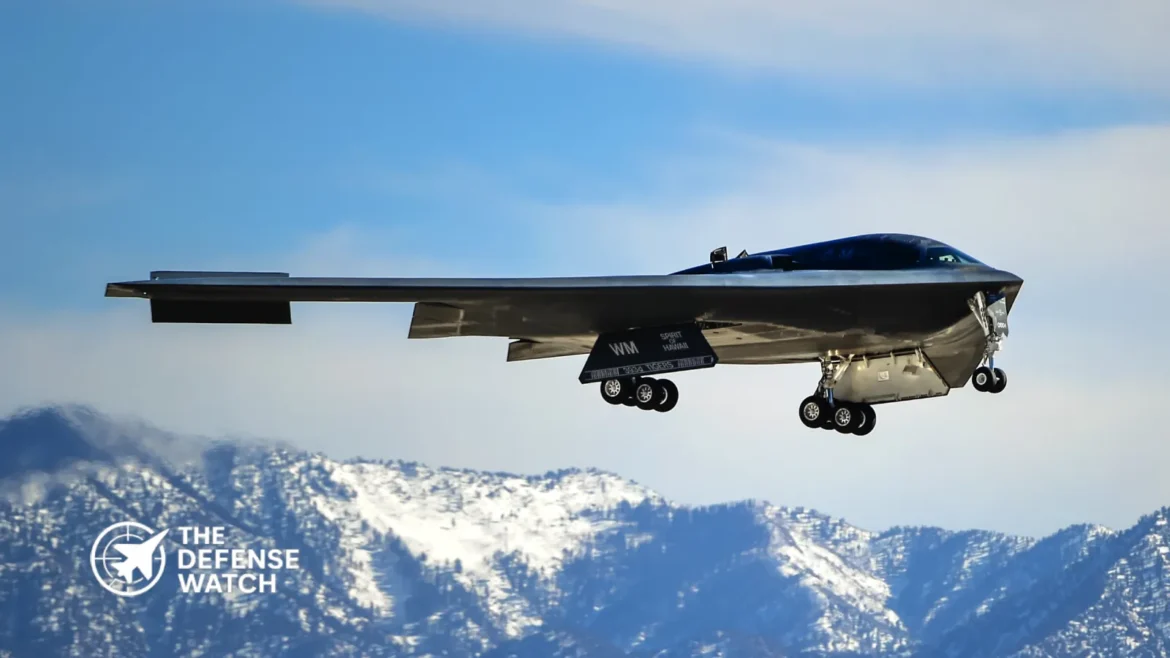
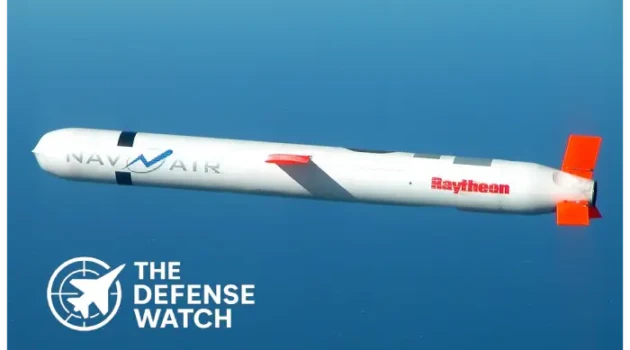
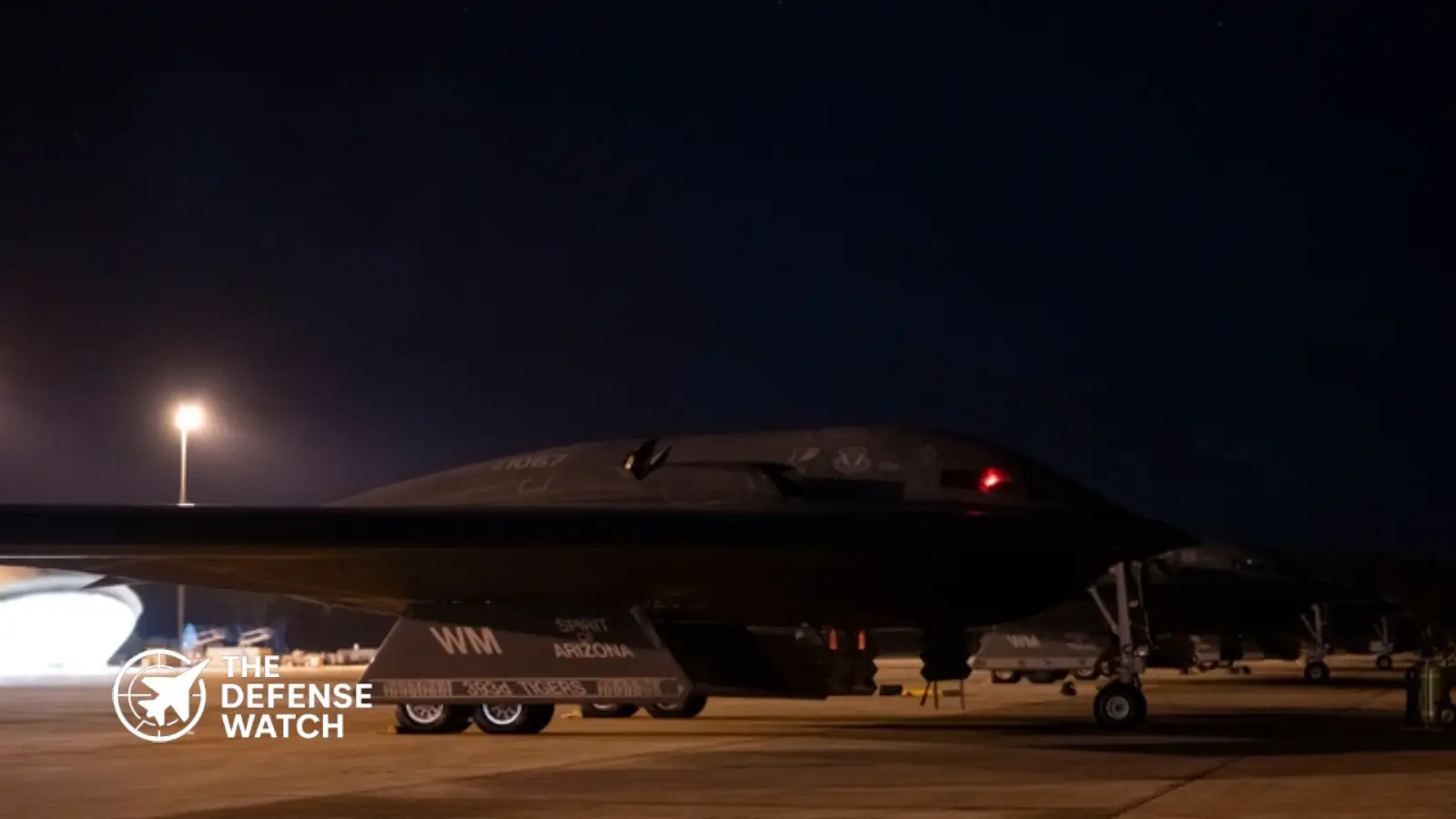
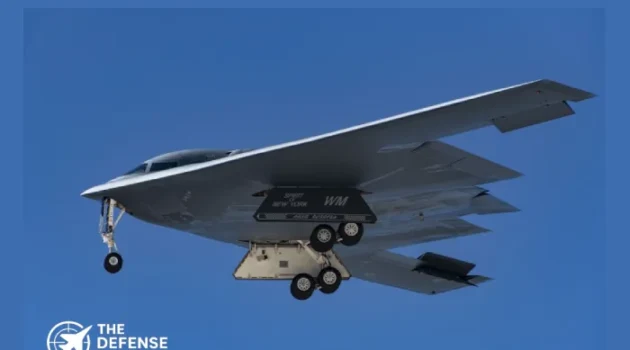
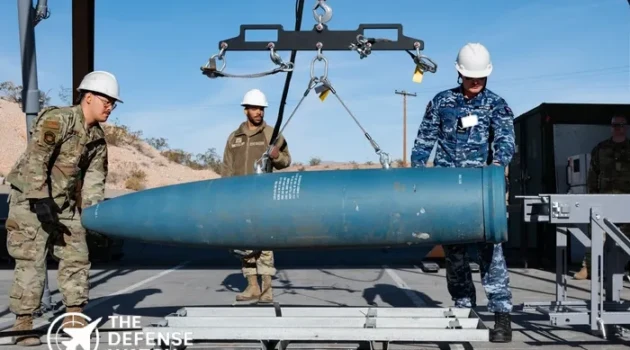
Washington provided what Jerusalem could not: the GBU-57A/B Massive Ordnance Penetrator, a 30,000-pound precision-guided bomb designed specifically to defeat hardened underground facilities. Seven B-2 Spirit stealth bombers, each carrying two of those weapons, took off from Whiteman Air Force Base, Missouri, flew a round-trip mission of approximately 6,700 miles, and released 14 MOPs against Fordow and Natanz in a 25-minute window. A guided-missile submarine simultaneously launched more than two dozen Tomahawk cruise missiles at above-ground processing infrastructure at Isfahan.
That single night fundamentally altered the trajectory of Iranian nuclear ambitions — and set off a chain of events that culminated in a broader regional war now moving toward a formal diplomatic settlement.
¦ KEY FACTS AT A GLANCE- The U.S. conducted Operation Midnight Hammer on June 22, 2025, deploying seven B-2 Spirit stealth bombers and a guided-missile submarine against three Iranian nuclear sites: Fordow, Natanz, and Isfahan.
- Fourteen GBU-57 Massive Ordnance Penetrator bunker-buster bombs were dropped in a 25-minute engagement window between 2:10 and 2:35 a.m. local time — the largest single use of that weapon in history.
- Iran retaliated the following day, firing 14 ballistic missiles at U.S. forces at Al Udeid Air Base in Qatar — causing no casualties. Full-scale conflict resumed on February 28, 2026.
- The IAEA confirmed “enormous damage” to all three sites. U.S. officials assessed Iran’s nuclear program set back by roughly two years; a leaked DIA report put the figure at only a few months.
- As of June 19, 2026, the U.S. and Iran have signed a memorandum of understanding. A 60-day negotiating window is open on nuclear stockpile disposition, sanctions relief, and the Strait of Hormuz.
The Three Targets: What the U.S. Hit and Why
Fordow Fuel Enrichment Plant
Fordow sits beneath a mountain near the holy city of Qom, with centrifuge halls estimated at 80 to 90 meters of rock and reinforced concrete overhead. Israeli F-35s and F-15s could not penetrate it. The GBU-57 MOP, with its 5,300-pound warhead and hardened penetrating casing, is the only non-nuclear weapon capable of threatening such a facility.
According to the Institute for Science and International Security, commercial satellite imagery following the strikes showed filled-in impact craters and active stabilization efforts around the Fordow perimeter — indicating structural disruption significant enough to halt enrichment operations, but not necessarily complete collapse of all underground halls. The IAEA’s Director General confirmed “a direct kinetic impact” on Fordow and stated that the vibration-sensitive nature of advanced centrifuges meant “very significant damage is expected to have occurred.”
(adsbygoogle = window.adsbygoogle || []).push({});Natanz Nuclear Facility
Natanz, Iran’s flagship uranium enrichment complex, received two MOP strikes on June 22 targeting its underground halls — following earlier Israeli strikes on above-ground power transformers and generator buildings. The combination of Israeli precision targeting of surface infrastructure and American deep-penetration munitions against underground centrifuge cascades created a layered denial effect that neither partner could have achieved independently.
U.S. officials assessed Natanz as “destroyed.” Israeli intelligence was more cautious, assessing damage as severe but the overall nuclear program as not fully eliminated.
Isfahan Nuclear Technology Center
The Isfahan complex, which handles uranium conversion rather than enrichment, presented a different challenge: its critical infrastructure was largely above ground. Tomahawk cruise missiles from a submerged U.S. Navy platform struck processing buildings at Isfahan, ending conversion activities and cutting off feed material for whatever enrichment capacity might eventually be restored at the other sites.
(adsbygoogle = window.adsbygoogle || []).push({});Iran’s Response: Escalation, Ceasefire, and the 2026 War
Iran’s immediate retaliatory strike on June 23, 2025, targeted Al Udeid Air Base in Qatar with 14 ballistic missiles. The attack caused no U.S. casualties. President Trump, in an unusual diplomatic move, publicly thanked Tehran for providing advance notification through back-channel communications — a signal that neither side initially sought full-scale conflict.
A ceasefire was announced on June 24. However, the strategic landscape deteriorated through the remainder of 2025 and into early 2026. Iran’s economy entered freefall, its currency collapsing under the weight of pre-existing sanctions, new Treasury Department designations targeting oil shipping networks, and the physical destruction of energy-adjacent infrastructure. Domestic protests, suppressed by force, further undermined regime legitimacy.
On February 28, 2026, following the failure of diplomatic talks and a U.S.-Israeli decision to resume pressure, coordinated strikes eliminated Supreme Leader Ali Khamenei. Iran responded by closing the Strait of Hormuz, triggering a global energy shock and a U.S. naval blockade beginning April 13, 2026.
Pakistan brokered a ceasefire on April 8, 2026. The blockade continued in parallel as leverage. After further escalation in May — including U.S. strikes on Iranian military sites in southern Iran and Tehran following Iranian targeting of U.S. warships — a memorandum of understanding was announced on June 14, 2026, and formally signed on June 19, 2026.
What the MOU Covers: The June 19, 2026 Deal
The June 2026 memorandum of understanding opens a 60-day negotiating window covering the core issues driving the conflict. Per reporting by NPR and the Center for Strategic and International Studies, the primary agenda items include:
Iran’s nuclear stockpile. Iran holds approximately 440.9 kilograms of uranium enriched to 60% purity — a short technical step from the 90% threshold required for weapons-grade material, per IAEA data. The disposition of this stockpile is the first and most contentious issue on the table. In an interview with The New York Times, President Trump indicated Iran may be permitted low-level enrichment under a new framework, walking back previous demands for complete dismantlement.
Sanctions relief and frozen assets. Iran is seeking access to billions of dollars in frozen overseas assets and a rollback of economic sanctions — the same incentive structure that anchored the 2015 JCPOA. The U.S. Treasury imposed additional sanctions on Iran’s military oil sales arm even as deal language was being finalized, signaling continued economic pressure as a negotiating instrument.
Strait of Hormuz. Freedom of navigation through the strait — through which roughly 20% of global seaborne oil transits — is a foundational demand. Iran used Hormuz closure as its primary economic retaliatory lever; the U.S. naval blockade was the counter-lever. Reopening must be formalized and verifiable under any durable settlement.
atOptions = { ‘key’ : ‘e7d18db8b7513fb2a224cf4c3f18bbf0’, ‘format’ : ‘iframe’, ‘height’ : 90, ‘width’ : 728, ‘params’ : {} };Analysis: What the Strikes Achieved — and What They Did Not
The U.S. bombing of Iran in June 2025 was the most consequential American military strike since the 2003 invasion of Iraq. Whether it achieved its stated objective — the destruction or severe degradation of Iran’s nuclear program — remains genuinely contested across intelligence agencies and independent technical bodies.
The divergence is significant. U.S. officials claimed the strikes set Iran’s weapons timeline back roughly two years. A leaked Defense Intelligence Agency preliminary report assessed the setback at only a few months, arguing Iran had pre-positioned much of its enriched uranium stockpile before the attacks. CIA Director John Ratcliffe subsequently disputed that assessment, claiming new intelligence revealed damage requiring years to remediate. The IAEA, occupying the most credible analytical position, stated only that the sites “suffered enormous damage” — declining to quantify rebuild timelines.
What the strikes definitively did not achieve was the permanent elimination of Iranian nuclear ambitions. Iran’s centrifuge expertise, its scientific talent pool, and its institutional knowledge of weapons design cannot be destroyed by conventional munitions. The Bulletin of the Atomic Scientists noted this directly in its post-strike assessment: any military-only approach imposes a delay, not a termination.
The strategic trade-off is equally difficult to score. The strikes triggered a regional war that inflicted genuine costs on Iran — economic collapse, the death of the Supreme Leader, and isolation from Gulf Arab states, several of which were subjected to Iranian retaliatory missile barrages. But those same strikes also foreclosed the possibility of a negotiated resolution to the nuclear file at a moment when indirect talks had already been underway.
What Washington ultimately purchased was time — measured in months or years depending on which intelligence assessment one credits — at the cost of a regional conflict, a global energy disruption, and a diplomatic process that now must resolve, under ceasefire conditions, the same nuclear file the bombs failed to permanently close.
The Road Ahead: 60 Days That Define the Outcome
The June 19, 2026 MOU sets the clock for a 60-day negotiating sprint. CSIS analysts note that the technical complexity of Iran’s nuclear file — the last successful comprehensive agreement took two years to negotiate, even under favorable conditions — makes a durable deal within that window extremely difficult.
Tehran has signaled it will resist full dismantlement demands and will attempt to play for time, calculating that President Trump faces political constraints in resuming military operations ahead of November midterm elections. Washington’s continued imposition of Treasury sanctions alongside deal discussions suggests the administration intends to maintain maximum economic pressure even while negotiating — a strategy with precedent but significant risks of collapse.
The Strait of Hormuz remains the most immediate variable. Any breakdown in talks that returns Iran to Hormuz closure tactics would trigger another oil price shock and potentially another round of military confrontation. That mutual deterrence is currently the strongest argument for the deal’s durability.
FAQs
{ “@context”: “https://schema.org”, “@type”: “ClaimReview”, “url”: “https://thedefensewatch.com/middle-east-defense-security/did-us-bomb-iran-operation-midnight-hammer-2026/”, “claimReviewed”: “The United States military bombed Iran under a classified mission named Operation Midnight Hammer.”, “itemReviewed”: { “@type”: “Claim”, “author”: { “@type”: “Organization”, “name”: “Social Media Rumors (TikTok & X)” }, “datePublished”: “2026-06-17” }, “reviewRating”: { “@type”: “Rating”, “ratingValue”: “1”, “bestRating”: “5”, “worstRating”: “1”, “alternateName”: “False / Unverified Social Media Rumor” }, “author”: { “@type”: “NewsMediaOrganization”, “name”: “The Defense Watch”, “url”: “https://thedefensewatch.com/” } }When exactly did the U.S. bomb Iran?The primary U.S. strike, Operation Midnight Hammer, occurred on June 22, 2025. Additional U.S. strikes on Iranian military targets were conducted on May 7, 2026, during the 2026 Iran war.
What weapons did the U.S. use to bomb Iran?Seven B-2 Spirit stealth bombers dropped 14 GBU-57 Massive Ordnance Penetrator bunker-buster bombs against Fordow and Natanz. A U.S. Navy guided-missile submarine launched more than two dozen Tomahawk cruise missiles against Isfahan. The operation involved over 125 aircraft in total.
Did the U.S. destroy Iran’s nuclear program?Significant damage was confirmed at all three targeted facilities. U.S. officials assessed a two-year setback; a leaked DIA report suggested only a few months; the IAEA confirmed “enormous damage.” Iran’s scientific expertise and enrichment knowledge cannot be destroyed by conventional munitions, making a permanent elimination impossible through military means alone.
Is the U.S. still at war with Iran?As of June 19, 2026, a ceasefire is in place and a memorandum of understanding has been signed. A 60-day window of formal negotiations is open. The conflict has not formally ended, and the U.S. continues to impose economic sanctions on Iran in parallel with diplomatic engagement.
What is the current status of Iran’s nuclear stockpile?Per IAEA reporting, Iran holds approximately 440.9 kilograms of uranium enriched to 60% purity. The disposition of this stockpile is the primary issue under negotiation in the June 2026 MOU framework.
Did Iran retaliate for the U.S. bombing?Yes. Iran launched 14 ballistic missiles at Al Udeid Air Base in Qatar on June 23, 2025, causing no casualties. Iran subsequently closed the Strait of Hormuz, launched strikes on U.S. forces and regional allies across the Gulf, and targeted U.S. warships, triggering the broader 2026 Iran war.
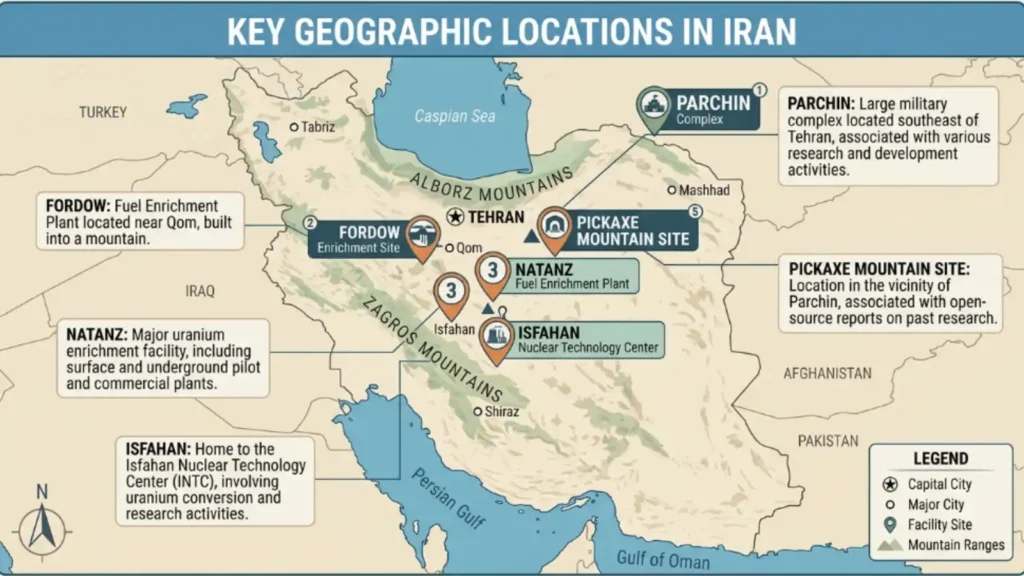
The June 2025 strikes by the United States and Israel damaged or destroyed most of Iran’s visible nuclear infrastructure. But satellite imagery, IAEA reporting, and open-source intelligence through May 2026 reveal a program that is rebuilding, burrowing deeper, and racing to restore capability before a diplomatic window or a next strike closes. This is what the map of Iran’s nuclear sites actually shows — and what any future strike would have to target.
- Operation Midnight Hammer (June 22, 2025) deployed 7 B-2 stealth bombers dropping 14 GBU-57 Massive Ordnance Penetrator bunker-busters — 12 on Fordow, 2 on Natanz — along with 30+ Tomahawk missiles against Isfahan.
- Fordow is buried 80–90 meters under limestone-and-rock overburden near Qom — Iran’s most hardened enrichment site and the primary engineering driver behind the GBU-57’s development.
- Roughly 400 kg of 60%-enriched uranium — enough for several weapons if further enriched — remains unaccounted for, likely buried under rubble at Fordow, Natanz, and Isfahan.
- Iran has not permitted IAEA inspectors access to any struck nuclear site since June 2025. The UN watchdog now relies solely on satellite imagery.
- A new deeply buried site called “Pickaxe Mountain” south of Natanz is under accelerated construction at an estimated depth of 80–100 meters, potentially intended to house the next generation of advanced centrifuges.
Iran’s Nuclear Sites: Mapped, Analyzed, and What a Strike Would Actually Target
Fordow. Natanz. Isfahan. Parchin. These are not just names on an intelligence map — they are the physical backbone of Iran’s nuclear ambitions, places where centrifuges spun, uranium was converted, and weapons-relevant experiments were conducted. Understanding this nuclear facilities map in Iran is now more urgent than ever, because since June 2025, the geography of proliferation has been redrawn — yet not erased.
(adsbygoogle = window.adsbygoogle || []).push({});When U.S. B-2 bombers executed Operation Midnight Hammer on June 22, 2025, they struck what defense planners had spent 15 years preparing to hit. The results were consequential but incomplete. As of spring 2026, Iran is actively rebuilding, hardening, and burying what remains — raising the enduring question that every strike planner faces: what survives, and what comes next?
Natanz: The Nerve Center of Iran’s Enrichment Program
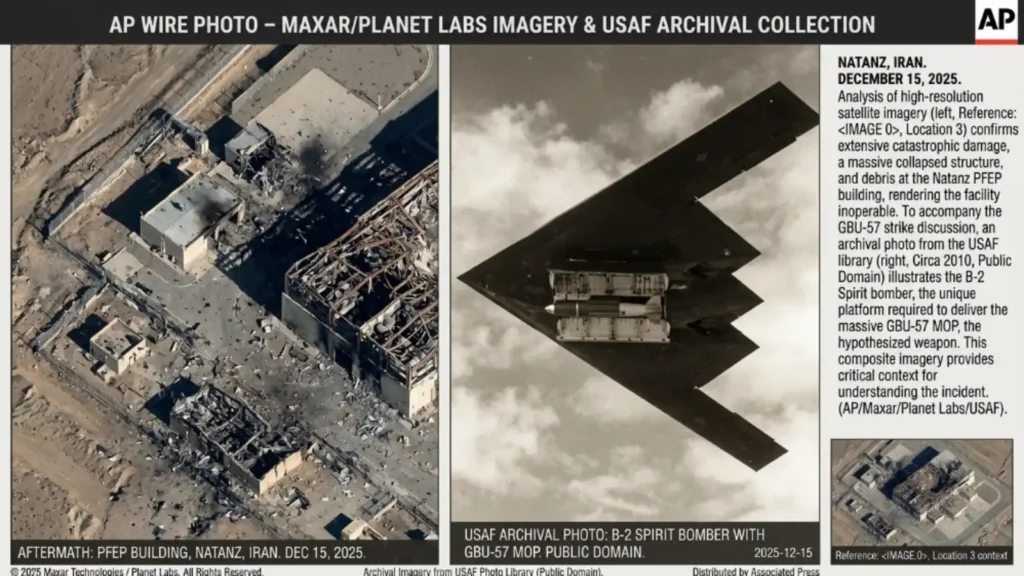
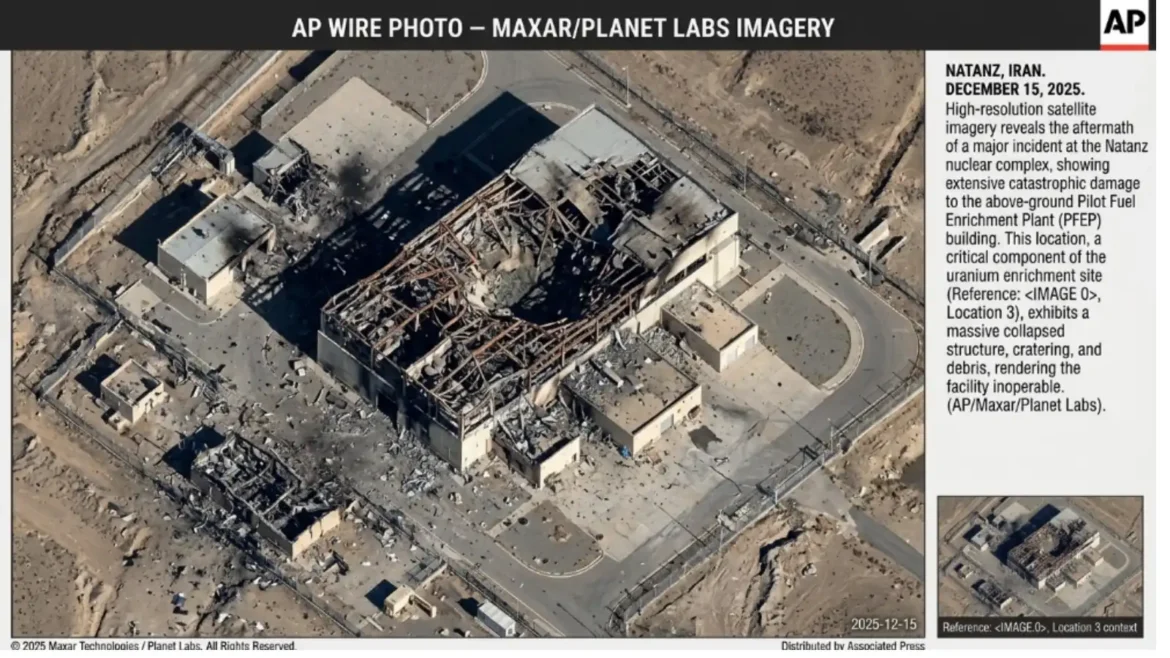
Located roughly 250 kilometers south of Tehran in Isfahan Province, the Natanz Nuclear Complex was — until last summer — the heart of Iran’s enrichment infrastructure. The site houses two main enrichment facilities: the above-ground Pilot Fuel Enrichment Plant (PFEP) and the deeply buried Fuel Enrichment Plant (FEP), the latter sitting several stories underground.
Israeli strikes on June 13 left the aboveground PFEP “functionally destroyed,” with the IAEA confirming a radiological release of alpha particles confined to the facility. An updated assessment on June 17 suggested the underground FEP may also have been penetrated. The U.S. followed with additional strikes on June 21, dropping two GBU-57 Massive Ordnance Penetrators directly into the underground facility’s centrifuge halls.
On March 2, 2026, the facility was struck again by the United States, with entrance buildings sustaining significant damage. A further American strike on March 21 followed, after which Iran accelerated construction at the nearby Pickaxe Mountain underground site.
Despite the cumulative damage, a critical caveat remains. Satellite imagery shows that roofs have been constructed over damaged buildings at Natanz, blocking overhead observation — the only monitoring tool currently available, since Iran has barred IAEA inspectors from the site.
Fordow: The Hardest Target on the Map
If Natanz is the nerve center, Fordow is the fortress. Buried 80–90 meters under rock near the city of Qom, approximately 160 kilometers south of Tehran, the Fordow Fuel Enrichment Plant was originally an Islamic Revolutionary Guard Corps missile base before being converted into an underground uranium enrichment complex. It was, and arguably still is, the most physically protected nuclear site on earth outside a declared weapons state.
(adsbygoogle = window.adsbygoogle || []).push({});Fordow was literally the reason the GBU-57 exists. Pentagon officials confirmed that for more than 15 years, DTRA analysts studied the facility’s geology, construction materials, vent shafts, and environmental systems — every nook and crack — specifically to engineer a weapon capable of destroying it.
During Operation Midnight Hammer, B-2 bombers dropped 12 GBU-57s on Fordow — six down two holes — in a deliberate “double tap” tactic designed to drill successive penetrators deeper into the same entry points. The IAEA’s Director General confirmed in September 2025 that “almost all sensitive equipment” at the site had been destroyed.
Yet even this outcome carries qualifications. While the GBU-57 can reportedly penetrate up to 60 meters of unspecified material, Iranian domestic research has produced concrete exceeding 30,000 psi compressive strength, significantly reducing the bomb’s effective depth. The limestone composition of Fordow’s overburden adds further uncertainty about actual penetration achieved.
The analyst’s caveat: Fordow may be physically damaged, but its approximately 400 kilograms of 60%-enriched uranium — sufficient material to produce several weapons if enriched to 90% — is still unverified and potentially entombed in inaccessible tunnels. Grossi himself warned that if Iran chose to further enrich its surviving stockpile to weapons-grade, the process would take only a matter of weeks.
Isfahan: The Conversion and Manufacturing Hub
Isfahan — or Esfahan — houses a cluster of facilities collectively forming Iran’s nuclear fuel cycle midstream: the Uranium Conversion Facility (UCF), the Fuel Manufacturing Plant (FMP), the Nuclear Technology Center, and several specialized processing labs. During the June 2025 strikes, damage was confirmed at Isfahan’s chemical laboratory, uranium conversion plant, Tehran reactor fuel manufacturing plant, and its UF4-to-enriched-uranium-metal processing facility.
The Isfahan mountain tunnel complex, which was under construction to house a new enrichment plant, was heavily damaged. The IAEA stated it does not know the precise location of this planned facility, its safeguards status, or whether it contained nuclear material at the time of the strikes.
(adsbygoogle = window.adsbygoogle || []).push({});Since the war, Iran has been systematically obscuring damage from overhead observation. Satellite imagery shows that Iran built a roof over a damaged structure near Isfahan’s northeast corner — an area where Israeli strikes reportedly targeted centrifuge manufacturing sites — completing this concealment work by early January 2026.
Parchin and Taleghan 2: The Weaponization Wildcard
Parchin sits approximately 30 kilometers southeast of Tehran and is officially designated as a military explosives research complex. But within its perimeter, the Taleghan 2 facility has long drawn scrutiny from non-proliferation analysts as a site potentially linked to nuclear weapons development work — specifically high-explosive testing relevant to triggering mechanisms.
Israel struck Taleghan 2 in October 2024, disrupting work at the site. Iran did not abandon the program; instead, it encased the rebuilt facility in a concrete sarcophagus and covered it with compacted soil layers in the months leading up to further strikes in early 2026.
On March 12, 2026, the Israel Defense Forces confirmed a strike on Taleghan 2, describing it as “a site used by the Iranian regime to advance nuclear weapons capabilities” and noting it was “used in recent years to develop advanced explosives.” Satellite imagery showed three large penetration impact points directly above the area housing the suspected high-explosive containment vessel.
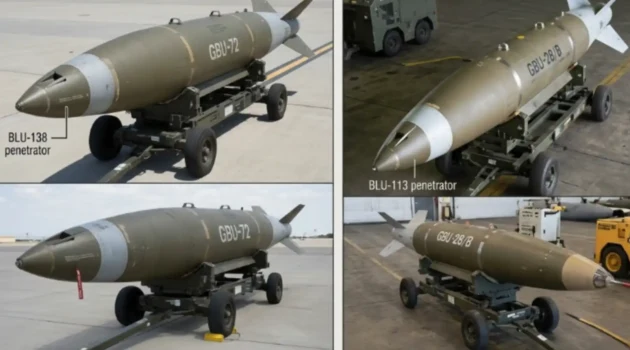
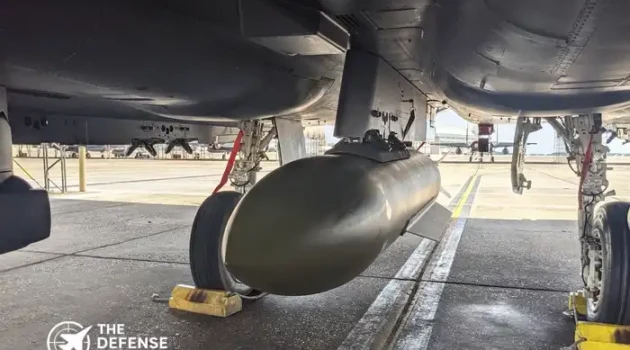
The munitions question remains open. While initial reporting suggested the possible use of GBU-57 MOPs, only U.S. B-2 bombers are certified to carry them. Israel is known to possess GBU-28 and GBU-72 5,000-pound earth-penetrating weapons, either of which would be capable of penetrating the concrete and soil hardening.
Pickaxe Mountain: The Site That Wasn’t Struck — and What That Means
Perhaps the most consequential element of the current Iran nuclear map is a facility that neither the United States nor Israel has yet successfully destroyed: the Pickaxe Mountain complex, formally known as Kūh-e Kolang Gaz Lā, located approximately one mile south of the Natanz perimeter fence.
Excavation at this site is estimated to have reached depths of 80 to 100 meters under hard granite rock — depths that Iranian engineers specifically calculated to provide survivability against the American GBU-57 MOP dropped by B-2 bombers. Security walls have been completed, and analysts assess the facility is designated to house the next generation of thousands of advanced centrifuges.
(adsbygoogle = window.adsbygoogle || []).push({});Construction at Pickaxe Mountain is accelerating in parallel with Iran’s broader post-war nuclear reconstitution strategy, suggesting Tehran intends to preserve enrichment capability underground at depths that conventional strike packages may struggle to confidently neutralize.

This creates a significant doctrinal problem for Western planners. A facility buried under 80–100 meters of granite — harder and denser than the limestone above Fordow — may require a successor to the GBU-57 to hold at genuine risk. DTRA officials have confirmed they are now using battle damage assessment data from Operation Midnight Hammer to inform the design of a next-generation deep-penetrating munition.
Air Defense Coverage: The Strike Corridor Problem
Iran’s nuclear sites are distributed across a wide geographic arc from Qom in the north to Isfahan in the center — a layout that complicates any single strike package. Before June 2025, Iran maintained layered air defense coverage around its nuclear sites using a mix of Russian-supplied S-300 systems, domestically produced Bavar-373 batteries, and shorter-range Tor-M1 and Khordad-15 systems.
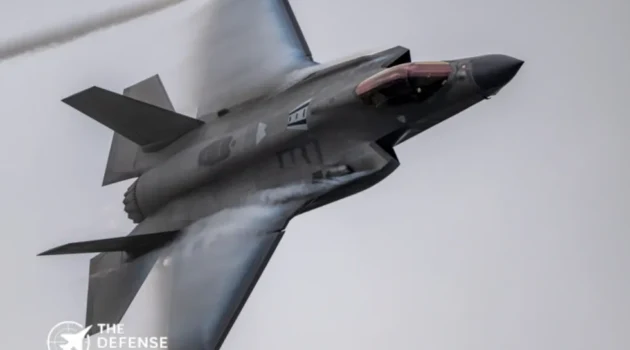
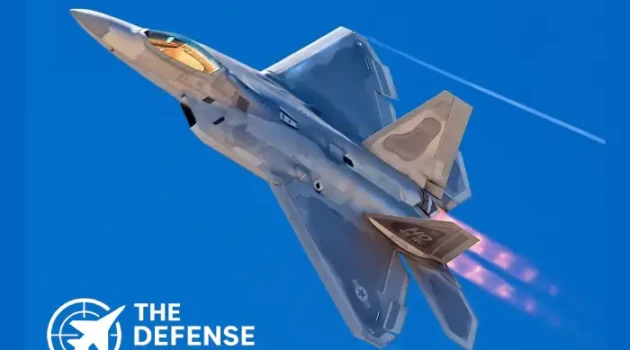
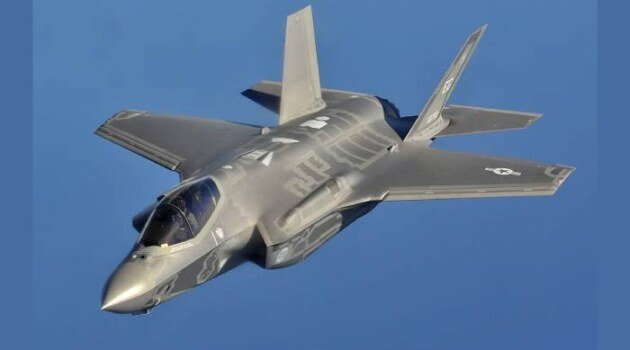
Israel’s multi-year strategic campaign systematically neutralized Iran’s air defense architecture — first destroying Syrian-based assets, then suppressing Iranian air defenses directly — which by June 2025 had opened what analysts describe as “absolute aerial freedom of operation in Iranian skies.” Operation Midnight Hammer exploited this window: the strike package included F-22 and F-35 fighters for air defense suppression, deception tactics, and fighter sweeps to clear a corridor for the B-2s before a single bomb was dropped.
Iran has since prioritized air defense reconstitution. As of early 2026, Tehran is working to rehabilitate its surface-to-air missile inventory and rebuild destroyed launch infrastructure as its primary strategic priority, with the goal of denying the aerial access that made Midnight Hammer possible.
What the Damage Assessment Actually Tells Us
The honest assessment of where Iran’s nuclear program stands in 2026 is this: severely damaged, but not dismantled.
Key nodes eliminated during the combined Israeli and American strikes included four centrifuge manufacturing and testing plants, uranium conversion and metal labs, enrichment plants, and weaponization sites. Pentagon analysts assessed the program had been set back by one to two years, closer to two.
But the structural problem that remains is not one that additional bombs can fully resolve. Roughly 400 kilograms of highly enriched uranium remain unaccounted for, likely entombed within the Fordow and Isfahan tunnel complexes whose entrances have since been buried or backfilled. Bombs cannot produce verified inventories — that requires inspectors, and Iran has refused to allow them in.
(adsbygoogle = window.adsbygoogle || []).push({});Meanwhile, Iran has adopted what analysts describe as a “differential reconstruction doctrine” — combining a public posture of diplomatic openness with the parallel acceleration of air defense rehabilitation, ballistic missile reconstitution, and deep underground hardening of nuclear facilities, betting that survivability itself becomes a strategic deterrent.
Analysis: The Limits of Kinetic Counter-Proliferation
What the Iran nuclear site map reveals, when studied honestly, is an arms race between penetrating munitions and burrowing construction. Iran watched Operation Midnight Hammer and drew a direct lesson: go deeper. Pickaxe Mountain’s 80–100-meter granite ceiling is not an accident of geography — it is an engineered response to the GBU-57’s published penetration envelope.
For U.S. and Israeli planners, this creates a self-reinforcing cycle. Each strike drives Iranian engineers further underground; each new facility demands a more powerful munition; each more powerful munition requires years of development and limited-production B-2 delivery. The Air Force’s recent $62.55 million Boeing contract to replenish its GBU-57 stockpile — described in acquisition documents as “critically needed” — underscores just how thin the deep-strike inventory became after Midnight Hammer.
(adsbygoogle = window.adsbygoogle || []).push({});Ultimately, the most dangerous element on the Iran nuclear map is not the damaged facilities. It is the unverified 400-kilogram HEU stockpile, the unmonitored Pickaxe Mountain excavation, and the Taleghan 2 weaponization program that Iran rebuilt — twice — after being struck. Kinetic strikes can disrupt timelines. Only verified diplomacy and sustained inspection access can close the gap.
FAQs
Does Iran have nuclear weapons?As of May 2026, Iran has not been confirmed to possess a functional nuclear weapon. It accumulated approximately 400 kg of 60%-enriched uranium before Operation Midnight Hammer in June 2025. That material, if further enriched to 90%, would be sufficient for several weapons, but its current location remains unverified by the IAEA.
What happened to Iran’s nuclear sites in 2025?In June 2025, U.S. and Israeli forces struck Natanz, Fordow, and Isfahan in a coordinated campaign. The above-ground facilities at Natanz and Isfahan were largely destroyed; Fordow’s underground enrichment halls were struck by 12 GBU-57 bunker-busters. Iran has barred IAEA inspectors from all struck sites since then.
Where is Fordow located?Fordow is buried 80–90 meters under a mountain near the city of Qom, approximately 160 kilometers south of Tehran. It was originally an IRGC missile base before being converted into a uranium enrichment facility.
What is the GBU-57 Massive Ordnance Penetrator?The GBU-57 MOP is a 30,000-pound GPS-guided bunker-busting bomb carried exclusively by U.S. B-2 Spirit stealth bombers. It was specifically designed to destroy deeply buried hardened targets, with Fordow as its primary engineering driver. Fourteen were used in Operation Midnight Hammer.
What is Pickaxe Mountain and why does it matter?Pickaxe Mountain (Kūh-e Kolang Gaz Lā) is an underground facility under active construction approximately one mile south of the Natanz complex. Iran is excavating it to depths of 80–100 meters under hard granite — deeper than Fordow — potentially to house a new generation of centrifuges beyond the reliable reach of existing bunker-busting munitions.
Has Iran rebuilt its nuclear program after the 2025 strikes?Partially. Iran’s main enrichment facilities remain largely inoperable, but Iran is actively hardening Pickaxe Mountain, rebuilding Taleghan 2 at Parchin (struck again in March 2026), and recovering or obscuring surviving equipment at Isfahan and Natanz under newly constructed roof covers.

Operation Midnight Hammer to Operation Epic Fury
The Trump vs. Iran conflict did not ignite overnight. It was built layer by layer — through maximum pressure sanctions that strangled the Iranian economy, a 60-day diplomatic ultimatum that Tehran ultimately rejected, B-2 stealth bombers that flew 18 hours across the Atlantic to drop 30,000-pound bunker-busters on underground nuclear vaults, and finally, a full-scale joint U.S.-Israeli military campaign that killed Iran’s supreme leader and plunged the global energy market into crisis. The story of how the world arrived at this point — and where it stands today — is one of the most consequential chapters in post-Cold War American defense and foreign policy. This is the complete timeline of the Trump vs. Iran confrontation: what happened, why it happened, and what remains dangerously unresolved.
¦ KEY FACTS AT A GLANCE- ► Trump reimposed “maximum pressure” sanctions on Iran on February 4, 2025, pledging to reduce Iranian oil exports to zero and demanding a new nuclear agreement within 60 days.
- ► Operation Midnight Hammer — June 21–22, 2025 — saw seven B-2 Spirit stealth bombers and a submarine strike Iran’s Fordow, Natanz, and Isfahan nuclear facilities using 14 GBU-57 bunker-busting bombs in combat for the first time.
- ► Operation Epic Fury launched February 28, 2026 — a joint U.S.-Israeli campaign striking at least nine Iranian cities, killing Supreme Leader Ayatollah Ali Khamenei, and destroying over 5,000 targets including missile sites, naval assets, and regime leadership compounds.
- ► Iran retaliated by striking U.S. military facilities in Qatar, Kuwait, Bahrain, and the UAE and moved to blockade the Strait of Hormuz — triggering the largest oil supply disruption in recorded history, with prices surging past $114 per barrel.
- ► As of April 2, 2026 — over four weeks into active warfare — the U.S. is simultaneously conducting airstrikes, holding back-channel talks with Tehran, and threatening further escalation, with no ceasefire or formal deal in place.
Phase One — Maximum Pressure Returns: January–March 2025
The Trump administration wasted no time signaling its Iran posture after returning to power in January 2025. On February 4, 2025, Trump formally reimposed his “maximum pressure” policy on Iran. Within weeks, the administration announced new sanctions targeting an international network accused of selling millions of barrels of Iranian crude to China, with proceeds alleged to fund Iran’s military and proxy activities. The measures designated Sepehr Energy — described as a front company for Iran’s Armed Forces General Staff — alongside associated oil tankers and individuals.
The financial pressure was already visible before Trump’s second term formally began. As early as October 2024, Iranian oil exports to China were declining, driven by anticipation of new U.S. sanctions. By early 2025, a major Chinese government-owned port announced it would cease accepting goods from OFAC-blacklisted entities, including Iran.
These sanctions were never purely punitive instruments — they were designed as leverage in the nuclear showdown Trump knew was coming.
Phase Two — The Letter and the 60-Day Clock: March–May 2025
On March 7, 2025, Trump announced he had written a personal letter to Supreme Leader Ali Khamenei, expressing his desire to initiate new nuclear negotiations while warning that failure to accept the proposal could expose Iran to serious military consequences. Trump simultaneously pledged to reduce Iranian oil exports to zero.
The letter’s demands were sweeping: Iran was required to fully dismantle its nuclear program, halt all uranium enrichment, and sever financial and material support for regional proxy forces — all within two months. In exchange, Washington offered sanctions relief and the normalization of relations. Khamenei initially declined even to acknowledge the communication, and Iranian officials signaled the conditions were unacceptable.
Indirect negotiations nonetheless began in April 2025, with Oman serving as a back-channel venue. Multiple rounds followed — in Rome, Istanbul, and elsewhere — but each ended without a substantive breakthrough. The central impasse was immovable: Washington demanded zero enrichment; Tehran insisted enrichment was a sovereign and non-negotiable right.
Meanwhile, Iran’s nuclear program was advancing rather than slowing. By May 31, 2025, the IAEA reported that Iran had sharply increased its stockpile of uranium enriched to 60 percent purity — just below weapons-grade — reaching over 408 kilograms, a nearly 50 percent rise since February. The agency warned that this quantity was sufficient for multiple nuclear weapons if further enriched. On June 12, the IAEA voted to formally censure Iran. Tehran responded by declaring it would construct an entirely new enrichment facility at an undisclosed location.
The 60-day window had closed. Israel moved first.
Phase Three — The Twelve-Day War: Israel’s Operation Rising Lion, June 13–24, 2025
On June 13, 2025, Israel launched Operation Rising Lion — a surprise offensive targeting Iranian military sites, nuclear facilities, and regime infrastructure. The campaign’s opening strikes degraded Iran’s air defense network, struck missile launch sites across the country, and killed several senior Iranian military leaders and nuclear scientists.
The 12-day Israel-Iran conflict killed top Iranian military leaders and caused significant damage to Iran’s military and nuclear infrastructure. Iran retaliated with waves of ballistic missiles and drones toward Israeli territory, though the scale of successful intercepts by Israeli and American air defense systems significantly limited the damage. Following the Israeli attack, the sixth round of U.S.-Iran nuclear talks, scheduled for June 15 in Oman, was indefinitely suspended.
The diplomatic off-ramp had been closed. Washington now faced a binary choice: stand aside or act.
Phase Four — Operation Midnight Hammer: The First U.S. Strike on Iran’s Nuclear Core, June 21–22, 2025
On the evening of June 21, 2025, the United States launched the most technically complex American military operation in decades. Gen. Dan Caine, Chairman of the Joint Chiefs of Staff, described it as “the largest B-2 operational strike in U.S. history,” inflicting “extremely severe damage and destruction” on its three targets.
Seven B-2 Spirit bombers of the 509th Bomb Wing departed Whiteman Air Force Base in Missouri and flew eastward for 18 continuous hours toward Iranian airspace, refueling mid-air three times. The mission carried extraordinary operational secrecy. It was described as “a highly classified mission with very few people in Washington knowing the timing or nature of the plan.”
The mechanics unfolded with precision across three targets simultaneously. At approximately 5 p.m. ET — just before the B-2s entered Iranian airspace — a U.S. submarine launched more than two dozen Tomahawk cruise missiles against surface infrastructure at Isfahan. Six B-2s attacked Fordow first, dropping six bombs each on the two main ventilation shafts: the initial bombs blew off concrete covers to expose the shafts, while subsequent penetrators drove deep into the facility. A seventh B-2 dropped two MOPs on Natanz.
In total, U.S. forces employed approximately 75 precision-guided weapons during the operation, including 14 GBU-57 Massive Ordnance Penetrators — the weapon’s first-ever operational use in combat. Each MOP weighs 30,000 pounds and carries 11 tons of TNT-equivalent explosive power, designed specifically to defeat hardened, deeply buried facilities. Before Midnight Hammer, the weapon had never been dropped in a live conflict.
As the strike package entered Iranian airspace, the U.S. employed several deception tactics, including decoys, while fourth- and fifth-generation aircraft swept ahead of the bombers at high altitude, clearing for enemy fighters and surface-to-air missile threats. “We are currently unaware of any shots fired at the U.S. strike package on the way in,” Caine confirmed at a Pentagon briefing.
Trump declared that evening that “Iran’s key nuclear enrichment facilities have been completely and totally obliterated.” But the reality was more nuanced. A leaked Defense Intelligence Agency assessment suggested the strikes may have fallen short of their stated objective — with core components of Iran’s program, including centrifuges and enriched uranium stockpiles, possibly not destroyed or having been relocated before the attack. Pentagon spokesman Sean Parnell acknowledged the U.S. believed the strikes “degraded their program by one to two years.”
The hunt for Iran’s four hundred kilograms of enriched uranium continued in the weeks following the strikes, with U.S. and international officials uncertain about the fate of the material.
Phase Five — Ceasefire, Collapse, and the Road to War: July 2025 – February 2026
A ceasefire ended the Twelve-Day War on June 24, 2025 — but it resolved nothing fundamental. Iran’s parliament voted to suspend cooperation with the IAEA, prompting the United Kingdom, France, and Germany to trigger the JCPOA’s snapback mechanism in August. The UN Security Council failed to pass a resolution to stop those snapback sanctions, supported by only 4 of its 15 members, meaning UN sanctions were set to resume at the end of September 2025.
The economic pressure proved destabilizing. The reimposition of international and U.S. sanctions sent the Iranian rial into freefall, triggering a nationwide outbreak of protests beginning December 28, 2025. After the protests were brutally repressed — with people killed by gunfire on an unprecedented scale — the United States moved naval and air force assets into the region.
In January 2026, Trump issued a blunt social media warning that a “massive Armada” was heading to Iran, led by the aircraft carrier Abraham Lincoln, and urged Tehran to “come to the table” or face military consequences. The administration simultaneously escalated OFAC sanctions against additional Iranian officials.
Diplomatic signals were, nonetheless, still flickering. As late as February 27, 2026 — the day before the strikes — Oman’s Foreign Minister Badr Al-Busaidi reported that a breakthrough had been reached: Iran had agreed to never stockpile enriched uranium and to accept full IAEA verification, and had agreed to irreversibly downgrade its existing enriched uranium to the lowest possible level. Al-Busaidi declared that peace was “within reach” and that talks were expected to resume March 2.
They never did.
Phase Six — Operation Epic Fury: The Full-Scale War Begins, February 28, 2026
At approximately 7:00 a.m. local Iranian time on February 28, 2026, the United States and Israel commenced coordinated, large-scale strikes against a wide range of targets across Iran. The U.S. operation was codenamed Operation Epic Fury; Israel’s parallel campaign was named Operation Roaring Lion.
Trump announced the attacks in a TruthSocial post at 2:00 a.m. EST — there was no public address, and no Congressional briefing beyond a notification to the Gang of Eight shortly before strikes commenced. The eight-minute video message to the Iranian people concluded with Trump declaring: “the hour of your freedom is at hand.”
The stated objectives of Operation Epic Fury were fourfold: obliterate Iran’s ballistic missile arsenal and production capacity, annihilate the Iranian navy, sever its support for terrorist proxy networks, and ensure Iran could never acquire a nuclear weapon.
The scale dwarfed Midnight Hammer. In its first ten days, Operation Epic Fury struck over 5,000 targets and damaged or destroyed 50 Iranian naval vessels, employing B-1, B-2, and B-52 bombers alongside LUCAS drones and both Patriot and THAAD missile defense systems.
The opening phase focused on decapitating senior Iranian leadership while degrading missile infrastructure, launch systems, and air defenses. In the hours that followed, Iran initiated large-scale retaliation — expanding the conflict beyond Iranian territory into a region-wide exchange touching multiple Gulf states and allied military assets.
Among the first day’s most consequential outcomes: a strike on Supreme Leader Ali Khamenei’s compound in Tehran was confirmed, with subsequent updates confirming his death. Intelligence for the strike had been gathered through an unconventional means. The Financial Times separately reported that compromised traffic cameras and mobile phone networks provided intelligence about Khamenei’s meeting with senior officials, which determined the timing of the strike.
Iran’s retaliation was immediate and regional. Iran launched missile attacks against U.S. military facilities in Qatar, Kuwait, the United Arab Emirates, and Bahrain, as well as strikes on Israel, Jordan, and Saudi Arabia. The U.S. Embassy in Kuwait was struck and closed indefinitely. A Kuwaiti F/A-18 shot down three American F-15Es in a friendly-fire incident; all six crew members survived.
Iran moved to blockade the Strait of Hormuz. Tehran threatened to “completely” close the waterway and strike energy and desalination facilities critical for drinking water across the region. Oil prices surged past $114 per barrel — the highest since the COVID-19 pandemic — as traffic through the Strait collapsed and Iranian strikes hit oil facilities in Saudi Arabia and the UAE.
The IEA described the disruption as “the largest supply disruption in the history of the global oil market.”
Iran’s New Leadership and a Regime That Endured
The death of Ayatollah Ali Khamenei — who had served as supreme leader since 1989 — created an immediate succession crisis. On March 3, Israel bombed Iran’s 84-member Assembly of Experts as they gathered for a preliminary meeting to elect the next supreme leader. Despite the strike, Mojtaba Khamenei — the late supreme leader’s son — was elected on March 8, 2026, and Iran’s top leaders, including parliament speaker Mohammad Bagher Ghalibaf, Ali Larijani, and President Masoud Pezeshkian, pledged their allegiance to him.
The regime had survived decapitation. Despite Trump’s claim that the United States had won the war, the regime remained intact, with Khamenei’s son as the new supreme leader — and Iran’s negotiating positions appeared to have hardened rather than softened.
The Energy Crisis Goes Global
The Strait of Hormuz blockade rapidly escalated from a regional military matter to a global economic emergency. Qatar’s energy minister Saad al-Kaabi warned on March 6 that if the war continued, other Gulf energy producers might be forced to halt exports entirely and declare force majeure. The International Monetary Fund warned that every ten percent increase in energy prices over the course of 2026 is expected to raise global inflation by nearly half a percent. Bangladesh closed universities early for the summer; Pakistan and the Philippines declared four-day work weeks. The IEA urged households across the world to reduce highway speeds, take public transportation, and work from home to mitigate the fuel crisis.
In a significant reversal of its own sanctions policy, the Trump administration temporarily lifted restrictions on Iranian oil stranded on ships at sea. U.S. Treasury Secretary Scott Bessent said the move was expected to quickly add approximately 140 million barrels to the global market. The relief was set to last until April 19, 2026.
Where Things Stand: April 2, 2026
The conflict has now entered its fifth week since the February 28 strikes, with no formal ceasefire, no peace framework, and both military operations and diplomatic signaling continuing simultaneously.
Trump told reporters at a Cabinet meeting that the United States is engaged in “very substantial talks with the right people” in Tehran, pointing to Iran’s willingness to allow eight oil tankers through the Strait of Hormuz as evidence that the interlocutors hold genuine influence within the new leadership.
Iran’s own demands, however, have hardened dramatically. Tehran’s stated negotiating positions now include collecting fees from ships transiting the Strait of Hormuz, guarantees that all strikes will stop, the lifting of all U.S. and international sanctions, the right to retain its missile program, reparations from the United States, and the closure of American military bases in the Persian Gulf. These conditions far exceed what Iran had asked before the war began.
Speaker of the Iranian parliament Mohammad Bagher Qalibaf stated on March 23 that “no negotiations have been held” with the United States — directly contradicting Trump’s claims of progress.
Trump, for his part, has insisted the conflict is nearly over. He has publicly said the war could end “soon” and that the United States has already achieved many of its military objectives in Iran. Yet he has simultaneously threatened new escalation, setting a deadline for Iran to reopen the Strait of Hormuz or face airstrikes on Iranian power plants — while declining to clarify whether that deadline remains in effect when pressed by reporters.
Analysis: A Campaign That Achieved Its Tactical Goals — But Not Its Strategic Ones
Operation Midnight Hammer was, on its own narrow technical terms, an extraordinary demonstration of American airpower. Flying more than a third of the entire B-2 fleet 18-plus hours round-trip, employing the GBU-57 MOP in combat for the first time, striking three hardened underground facilities in 25 minutes without losing a single aircraft or crew member — this represented the culmination of decades of investment in stealth technology, precision munitions, and joint operational planning. Operation Epic Fury then demonstrated an even broader capability: the systematic targeting of a nation-state’s leadership, military infrastructure, naval forces, and communications simultaneously, using cyber operations and intelligence from compromised networks to eliminate a sitting head of government in real time.
But tactical dominance has not translated into strategic resolution. Nine months after Midnight Hammer was launched on the premise that Iran’s nuclear program had been “obliterated,” a senior Trump aide was telling reporters that Iran was one week from nuclear bomb-making material. The regime survived Epic Fury’s opening strikes and reconstituted a new supreme leader within eight days. Iran’s retaliatory strikes against U.S. partners across the Gulf — combined with the Strait of Hormuz blockade — imposed costs on the global economy that Washington was ultimately forced to partially absorb by lifting its own oil sanctions.
Perhaps the most revealing detail in the entire chronology is the February 27, 2026 moment: on the day before the largest American military operation in a generation, Oman’s foreign minister was announcing that a genuine diplomatic breakthrough had been reached and that peace was within reach. Whether those negotiations were genuine, misrepresented, or deliberately derailed remains one of the critical unresolved questions of the conflict — and one that will shape how this war is judged for years to come.
The United States has demonstrated it can hit any target in Iran. What remains unproven is whether it can convert that firepower into a durable settlement that prevents Iranian nuclear ambitions while stabilizing the region and the global energy market that both American consumers and global partners depend on.
FAQs
What is Operation Epic Fury?Operation Epic Fury is the U.S. military’s code name for the large-scale joint U.S.-Israeli military campaign that began on February 28, 2026. It targeted Iranian leadership, ballistic missile infrastructure, naval assets, proxy networks, and the remnants of Iran’s nuclear program. In its first ten days alone, over 5,000 targets were struck and 50 Iranian naval vessels were damaged or destroyed.
What is Operation Midnight Hammer?Operation Midnight Hammer was the June 21–22, 2025 U.S. air and naval strike on three Iranian nuclear facilities — Fordow, Natanz, and Isfahan — using seven B-2 Spirit stealth bombers and submarine-launched Tomahawk cruise missiles. It was the first combat use of the GBU-57 Massive Ordnance Penetrator bunker-busting bomb and the largest B-2 operational strike in U.S. history.
Did Trump bomb Iran?Yes, twice. The first time was during Operation Midnight Hammer on June 21–22, 2025, targeting nuclear facilities. The second and far larger campaign — Operation Epic Fury — began February 28, 2026, targeting Iranian military infrastructure, naval assets, and leadership, including Supreme Leader Ayatollah Ali Khamenei, who was killed in the strikes.
Why did Trump bomb Iran?The Trump administration cited Iran’s refusal to accept a nuclear deal within a 60-day diplomatic window, its rapidly expanding uranium enrichment stockpile, and the IAEA’s formal censure of Iran’s nuclear non-compliance. Operation Epic Fury was additionally framed as targeting Iran’s missile forces, navy, and proxy networks.
Has the U.S. declared war on Iran?No. Despite President Trump characterizing operations as “major combat operations,” the United States has not formally declared war on Iran. Under Article I, Section 8 of the U.S. Constitution, only Congress holds the authority to declare war.
What happened to Iran’s Supreme Leader after the strikes?Supreme Leader Ayatollah Ali Khamenei was killed during the opening hours of Operation Epic Fury on February 28, 2026. His son, Mojtaba Khamenei, was elected as the new Supreme Leader on March 8, 2026.
Is the Strait of Hormuz still closed?As of early April 2026, Iran has moved to blockade the Strait of Hormuz, severely restricting tanker traffic. The Trump administration has temporarily lifted sanctions on Iranian oil stranded at sea and has threatened additional airstrikes on Iranian power plants if the waterway is not reopened.
Air Force Leaders Call for Enhanced Communications After Successful Iran Strike
The U.S. Air Force must improve how it securely transmits critical information with bombers and other aircraft following last summer’s strikes on Iranian nuclear facilities, according to senior military officials who identified command-and-control gaps during the mission.
(adsbygoogle = window.adsbygoogle || []).push({});Lt. Gen. Jason Armagost, deputy commander of Air Force Global Strike Command, emphasized the need for enhanced communications architecture during a Mitchell Institute for Aerospace Studies conference in Arlington, Virginia, on Thursday. The remarks come seven months after Operation Midnight Hammer, the June 22, 2025, B-2 Spirit bomber-led strikes that successfully destroyed three deeply buried Iranian nuclear facilities.
The operation demonstrated both the Air Force’s strike capabilities and critical vulnerabilities in how mission-critical data moves between aircraft and commanders during combat operations.
Operation Midnight Hammer Reveals Communications Vulnerabilities
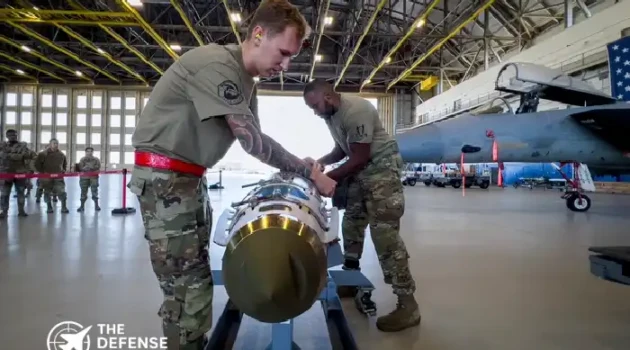
Operation Midnight Hammer utilized Massive Ordnance Penetrator weapons—nearly 26,000 pounds of steel designed to penetrate 200 feet of mountain rock—to destroy Iranian nuclear facilities buried deep underground. While the mission succeeded through careful engineering, intelligence gathering, and coordination, it exposed weaknesses in the Air Force’s command-and-control networks.
If that package is not able to communicate the status of their forces and the ‘go’ from the mission commander, then that is a foul on all of us,” Armagost stated during the conference panel discussing lessons learned from the operation.
The general’s comments underscore growing concerns that current communications systems may not provide the secure, real-time data transmission necessary for future penetrating strike missions against sophisticated adversaries.
Balancing Communications Capabilities with Command Authority
Maj. Claire Randolph, chief of weapons and tactics for U.S. Air Forces Central Command, agreed that communications capabilities and intelligence sharing require improvement during combat operations. However, she cautioned against unintended consequences of enhanced connectivity.
Randolph warned that providing combatant commanders with direct communications links to cockpits could undermine aircrew commander authority and lead to operational decision-making by personnel without complete situational awareness.
“Let’s imagine you have a wire direct from the CENTCOM commander to the cockpit of every B-2 or the cockpit of every F-16,” Randolph explained. “There’s a liability there to add decision-making authority without all the awareness. We have to improve our communications capabilities, but we also have to be very careful to bound the authority that ends up touching the cockpit.
The major emphasized the risk of involving personnel outside the aircraft who should not participate in tactical decision-making processes.
B-21 Raider to Feature Advanced Data-Sharing Capabilities
The Air Force is positioning the in-development B-21 Raider stealth bomber as a solution to current communications challenges. Northrop Grumman, the aircraft’s manufacturer, has promoted the B-21 as the world’s first sixth-generation aircraft, partly due to its advanced data-sharing capabilities.
Armagost confirmed the Air Force plans to leverage these capabilities to improve command-and-control and communications systems. It’s definitely how we’re configuring going forward,” he told Defense News when asked about the B-21 and improved combat communications.
The general indicated that operations similar to Midnight Hammer will look different—and potentially be easier to execute—once the Raider integrates into the Air Force’s fleet.
Current B-2 Fleet Carries Stealth Strike Burden
The B-2 Spirit currently serves as the Air Force’s only operational stealth bomber. The platform has demonstrated its value in high-risk penetrating strike missions against hardened targets, but aging communications systems limit its effectiveness in contested environments where secure, real-time data transmission proves critical.
The B-21 Raider program represents the Air Force’s effort to field a next-generation platform combining stealth characteristics with modern communications architecture capable of supporting complex, coordinated strike operations.
Implications for Future Strike Operations
The communications challenges identified during Operation Midnight Hammer carry significant implications for future Air Force operations. As adversaries develop more sophisticated air defense systems and anti-access/area-denial capabilities, the ability to securely transmit mission updates, target information, and status reports becomes increasingly vital.
(adsbygoogle = window.adsbygoogle || []).push({});Military analysts suggest the Air Force must balance three competing priorities: maintaining secure communications that prevent adversary interception, ensuring sufficient bandwidth for real-time data sharing, and preserving appropriate command authority at the tactical level.
The service’s investment in the B-21 Raider program indicates recognition that next-generation strike platforms require communications systems designed from the ground up to support distributed operations in contested environments.
Looking Ahead
Air Force Global Strike Command continues evaluating lessons learned from Operation Midnight Hammer as the service prepares for the B-21 Raider’s eventual operational deployment. The timeline for the Raider’s initial operating capability remains classified, though testing continues to progress.
Military officials have not disclosed specific technical solutions under consideration for communications upgrades, citing operational security concerns. However, industry sources indicate potential approaches include advanced satellite communications systems, artificial intelligence-enabled network management, and quantum-resistant encryption protocols.
The Air Force’s focus on communications improvements reflects broader Department of Defense efforts to ensure Joint All-Domain Command and Control capabilities can support distributed operations across contested battlespaces.