Executive Summary:
BAE Systems has secured a £5.9 billion ($7.8 billion) contract from the UK government to continue construction of the Royal Navy’s four Dreadnought class ballistic missile submarines. The agreement reinforces Britain’s long term nuclear deterrence strategy while sustaining one of Europe’s largest and most technologically demanding naval shipbuilding programs.
BAE Systems Secures Major Dreadnought Submarine Contract
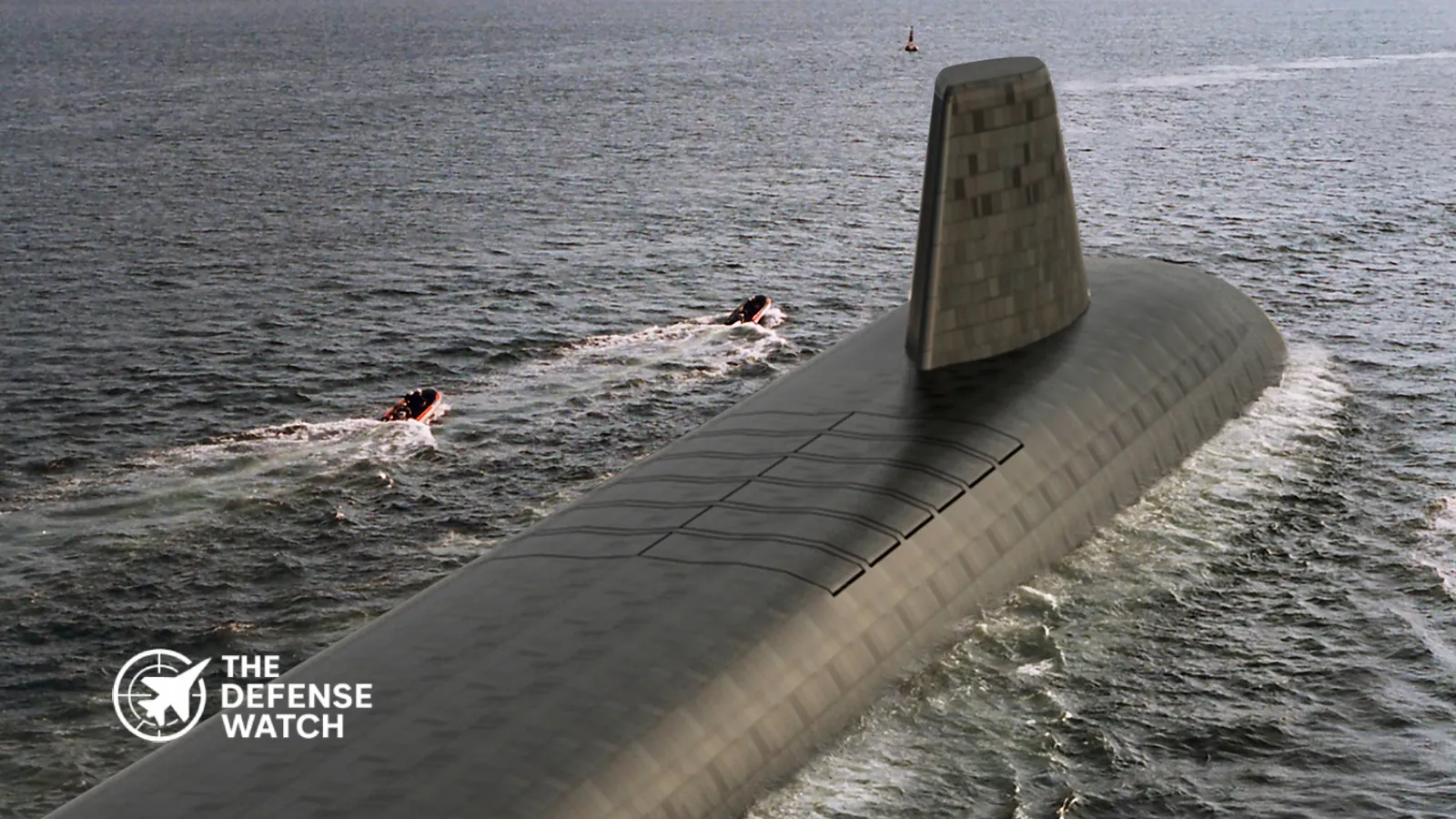
BAE Systems has been awarded a £5.9 billion ($7.8 billion) contract by the UK government to advance construction of the Royal Navy’s Dreadnought class nuclear ballistic missile submarines, the future backbone of Britain’s Continuous At Sea Deterrent (CASD). The announcement was confirmed by the company and reported by multiple defense and financial news outlets on July 29, 2026.
The funding supports continued work on all four submarines currently under construction at BAE Systems’ Barrow in Furness shipyard. The Dreadnought program will replace the aging Vanguard class fleet beginning in the early 2030s, ensuring the United Kingdom maintains an uninterrupted sea based nuclear deterrent.
What The Contract Covers
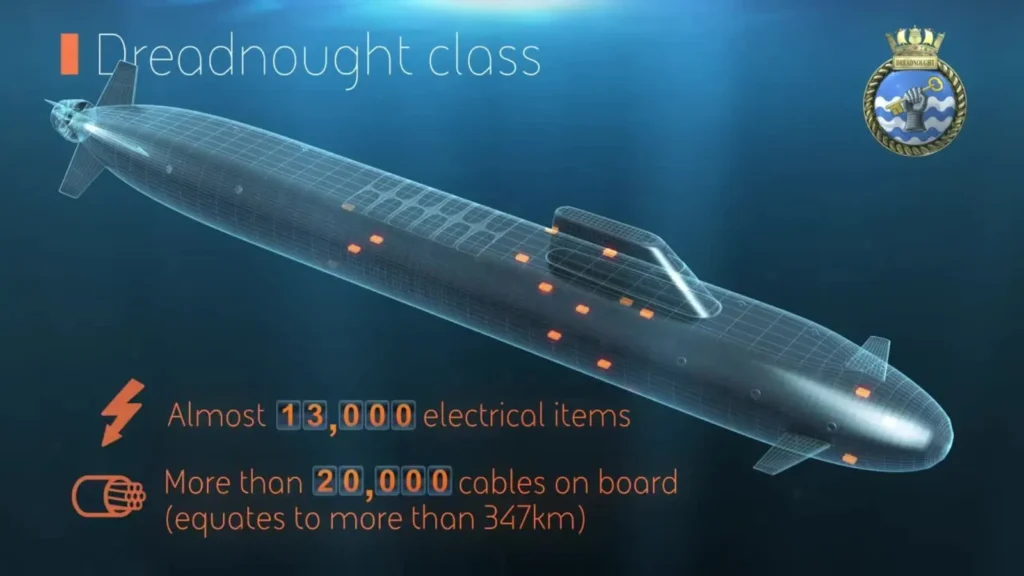
The latest funding package finances the next phase of construction across the four planned Dreadnought class submarines, including continued manufacturing, systems integration, and industrial infrastructure required to support production.
BAE Systems is leading the effort through the Dreadnought Alliance, a partnership involving:
- BAE Systems
- UK’s Submarine Delivery Agency
- Rolls Royce (nuclear propulsion)
Together, the organizations are responsible for designing, constructing, testing, and delivering the Royal Navy’s next generation strategic submarines.
Dreadnought Class At A Glance
| Specification | Details |
|---|---|
| Class | Dreadnought Class SSBN |
| Number Planned | 4 |
| Builder | BAE Systems |
| Operator | Royal Navy |
| Mission | Strategic Nuclear Deterrence |
| Missile System | Trident II D5 |
| Reactor | Rolls Royce PWR3 |
| Replacement For | Vanguard Class |
| Expected Entry Into Service | Early 2030s |
Why The Dreadnought Program Matters
The Dreadnought class represents the UK’s largest defense procurement program and one of the most complex engineering projects currently underway in Europe.
Unlike attack submarines, these vessels are designed to provide strategic nuclear deterrence rather than conventional combat operations. Their primary mission is to ensure at least one submarine remains on patrol at all times, preserving Britain’s Continuous At Sea Deterrent, a policy maintained since 1969.
The submarines will carry the Trident II D5 strategic missile system while incorporating significant advances in acoustic stealth, reactor technology, automation, and survivability over the Vanguard class they replace.
Industrial And Economic Significance
Beyond military capability, the Dreadnought program supports one of the UK’s most important defense industrial bases.
Construction is centered at Barrow in Furness, where BAE Systems has expanded production facilities to accommodate simultaneous work on multiple nuclear submarine programs, including Dreadnought and the future SSN AUKUS attack submarines.
The investment also strengthens thousands of highly skilled engineering, manufacturing, and supply chain jobs throughout the United Kingdom.
For BAE Systems, the contract adds to an already strong order backlog driven by rising defense spending across Europe and NATO. The company recently increased its financial outlook after recording substantial new orders across maritime, aerospace, and land systems.
Strategic Analysis: Why This Matters Beyond The United Kingdom
The latest contract reflects a broader trend among NATO members to modernize strategic deterrence capabilities amid an increasingly complex global security environment.
For the United States, the UK’s Dreadnought program is strategically significant because Britain remains one of only two European NATO members operating an independent nuclear deterrent. Together with the U.S. Ohio class today and future Columbia class submarines, the Royal Navy’s Dreadnought fleet will continue providing a critical component of the Alliance’s overall nuclear posture.
The program also demonstrates how long term investment in specialized shipbuilding capacity is becoming a strategic necessity. Nuclear submarine production requires decades of workforce development, advanced manufacturing infrastructure, and resilient supply chains that cannot be expanded quickly during periods of crisis.
The overlap between Dreadnought construction and the future SSN AUKUS attack submarine program further illustrates how the United Kingdom is attempting to sustain continuous submarine production while supporting trilateral industrial cooperation with the United States and Australia. Maintaining that industrial momentum will be essential as demand for nuclear powered submarines grows across allied fleets.
Looking Ahead
Construction of all four Dreadnought class submarines continues at varying stages, with the first vessel expected to enter operational service in the early 2030s.
Once fully deployed, the class will replace the Vanguard fleet and sustain the UK’s Continuous At Sea Deterrent well into the second half of the century. The latest contract provides financial certainty for continued construction while reinforcing Britain’s long term commitment to maintaining an independent strategic nuclear capability.