The United States faces mounting pressure to restore missile stockpiles depleted by global commitments while preparing for a potential high-intensity conflict in the Indo-Pacific.
(adsbygoogle = window.adsbygoogle || []).push({});Executive Summary:
A new report from the Center for Strategic and International Studies (CSIS) says rebuilding the U.S. missile inventory will require years of sustained investment and industrial expansion. The study highlights growing concerns over munitions shortages as Washington balances support for allies with preparations for potential conflict in the Indo-Pacific.
Pentagon Faces Long-Term Challenge Rebuilding US Missile Inventory
The U.S. missile inventory rebuild has become a central issue for Pentagon planners as demand for precision-guided weapons continues to rise across multiple theaters. A new analysis from the Center for Strategic and International Studies warns that restoring key stockpiles is likely to be a multiyear effort requiring industrial expansion, procurement reform, and stable funding commitments.
The report comes as the United States continues supplying weapons to Ukraine and strengthening deterrence efforts in the Indo-Pacific. According to CSIS, current production rates for several critical missile systems remain insufficient for a prolonged high-intensity conflict.
Analysts noted that many U.S. missile production lines were designed for peacetime demand rather than sustained wartime consumption. The result is a widening gap between operational requirements and industrial output.
Precision Munitions Demand Continues To Rise
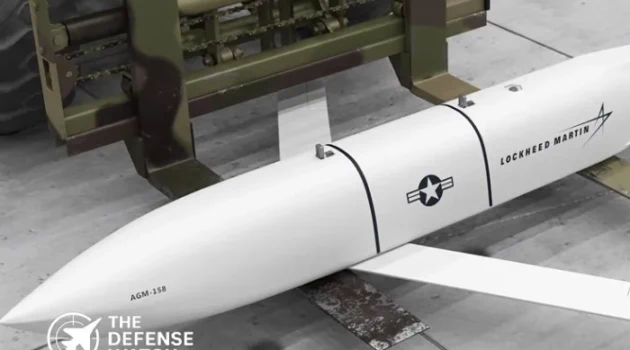
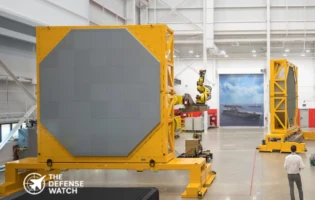
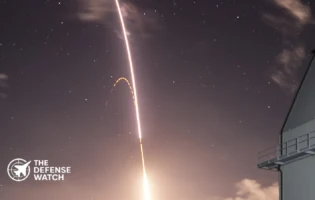
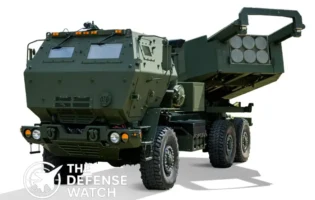
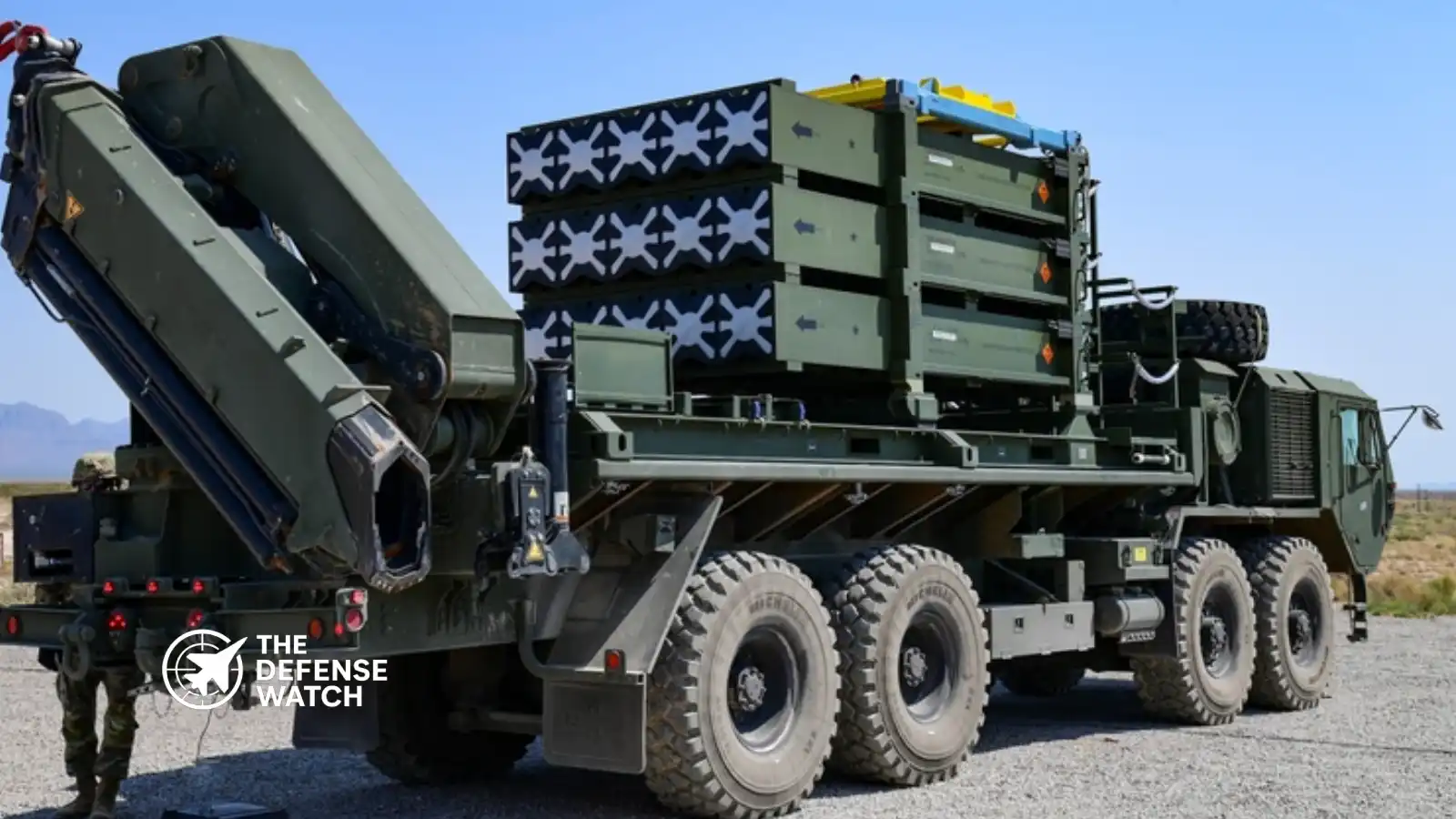
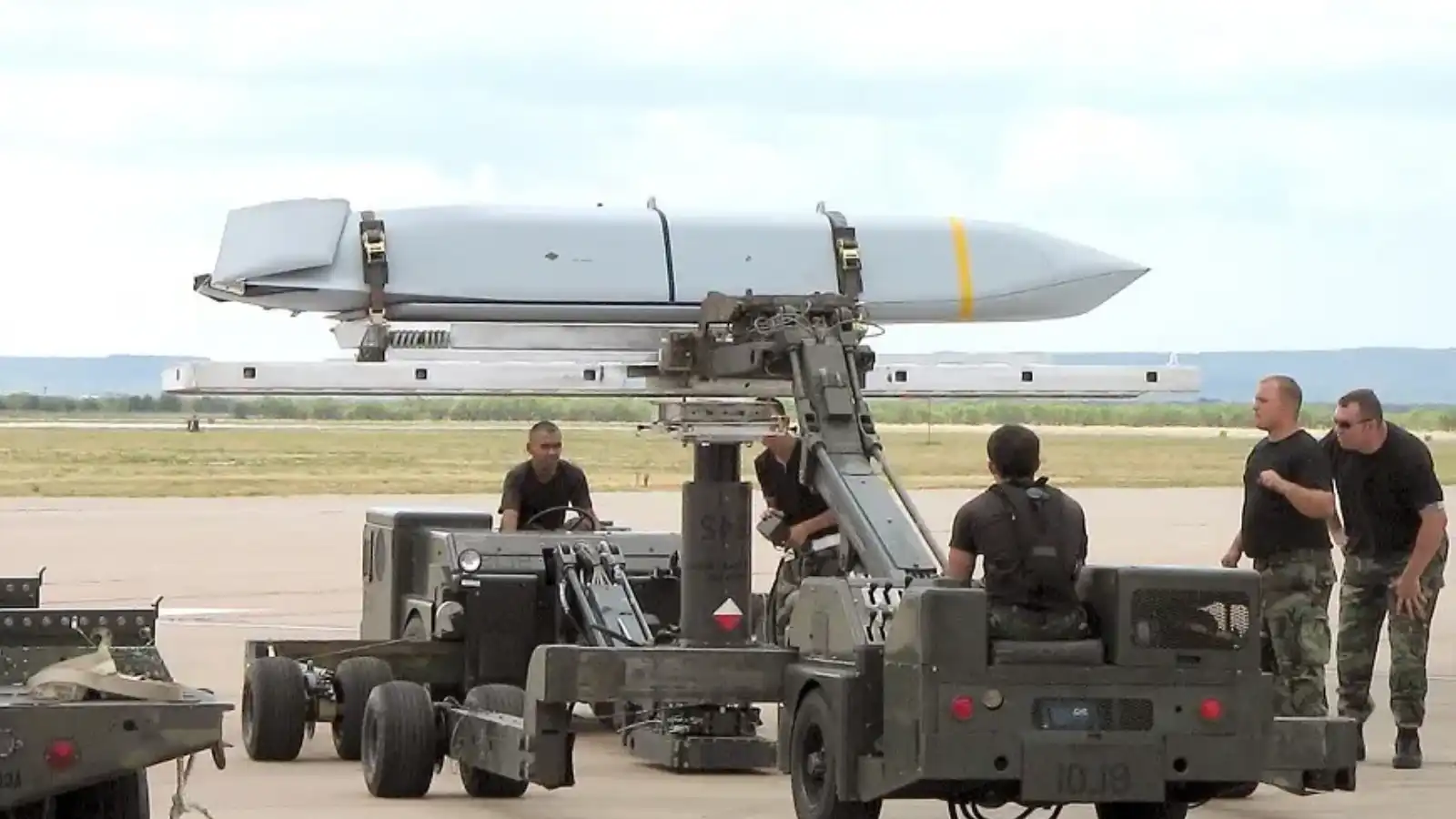
The CSIS report identifies long-range precision weapons as one of the most critical capability areas for the U.S. military. Systems such as the Joint Air-to-Surface Standoff Missile (JASSM), Long Range Anti-Ship Missile (LRASM), Patriot interceptors, Standard Missile variants, and Guided Multiple Launch Rocket System (GMLRS) rockets are expected to play major roles in future conflicts.
The study argues that modern warfare increasingly depends on precision strike capabilities, especially in contested regions where access for conventional forces may be limited.
In the Indo-Pacific, large distances and heavily defended operating environments place additional importance on long-range missiles. U.S. military planners have repeatedly emphasized the need for survivable strike capabilities capable of operating against advanced air defense networks and naval forces.
(adsbygoogle = window.adsbygoogle || []).push({});CSIS noted that rebuilding the U.S. missile inventory is not simply a matter of increasing purchases. Expanding manufacturing capacity, securing supply chains, and recruiting skilled labor are all necessary to sustain higher production rates.
Defense Industrial Base Under Pressure
The report highlights broader concerns surrounding the U.S. defense industrial base. Over the past three decades, consolidation across the defense sector reduced the number of suppliers and limited surge production capacity for critical components.
Missile production also depends on specialized materials, propulsion systems, electronics, and microelectronics that often have limited sourcing options. Any disruption in these supply chains can slow production timelines significantly.
CSIS analysts warned that industrial bottlenecks cannot be resolved quickly. Building new facilities, qualifying suppliers, and expanding workforce capacity may take several years even with increased federal funding.
The Pentagon has already begun taking steps to address some of these issues. Recent defense budgets included investments aimed at increasing munitions production, particularly for weapons heavily used in Ukraine. The Department of Defense has also expanded multiyear procurement authorities for selected missile programs to provide industry with more predictable demand signals.
Still, CSIS argues that additional reforms may be required to achieve meaningful long-term improvements.
Indo-Pacific Strategy Driving Procurement Priorities
The U.S. missile inventory rebuild is closely tied to Washington’s broader Indo-Pacific strategy. American defense officials have repeatedly identified China as the pacing challenge for future force planning.
A potential conflict in the Pacific would likely consume large quantities of precision munitions in a relatively short period. Several war games and defense studies have suggested that existing stockpiles could be depleted rapidly during a major regional contingency.
(adsbygoogle = window.adsbygoogle || []).push({});This concern has accelerated efforts to field additional anti-ship missiles, long-range strike systems, and integrated air and missile defense capabilities.
The report also underscores the importance of allied industrial cooperation. Countries such as Japan and Australia are increasing defense spending and expanding domestic missile production capabilities, creating opportunities for deeper industrial coordination with the United States.
Greater cooperation among allied defense industries could help reduce production bottlenecks and improve resilience across supply chains.
Procurement Reform May Be Necessary
CSIS argues that procurement practices will play a major role in determining how quickly stockpiles can recover. Short-term contracts and inconsistent funding have historically discouraged industry from making major capital investments in new production capacity.
The report recommends expanded use of multiyear procurement contracts, earlier supplier engagement, and clearer long-term demand forecasts from the Pentagon.
Stable procurement strategies would allow manufacturers to invest more confidently in infrastructure, workforce development, and production automation.
(adsbygoogle = window.adsbygoogle || []).push({});The analysis also suggests that the United States may need to rethink its assumptions regarding wartime munitions consumption. Many current inventories were built around limited regional operations rather than large-scale peer conflict scenarios.
That shift in planning assumptions is increasingly influencing Pentagon modernization priorities and congressional defense debates.
Strategic Implications For US Defense Planning
The CSIS study reflects growing concern within the U.S. national security community about sustaining military readiness during prolonged crises. The challenge extends beyond replacing weapons sent abroad. It also involves ensuring sufficient reserves for future contingencies while maintaining deterrence credibility.
Rebuilding the U.S. missile inventory is expected to remain a top priority across multiple defense budgets over the coming decade. The issue is likely to influence procurement decisions involving air-launched cruise missiles, naval interceptors, hypersonic weapons, and land-based precision strike systems.
For defense planners, the core challenge is balancing immediate operational demands with long-term industrial resilience.
The report ultimately concludes that restoring adequate stockpiles will require a sustained national effort involving government, industry, and allied partners.