Executive Summary:
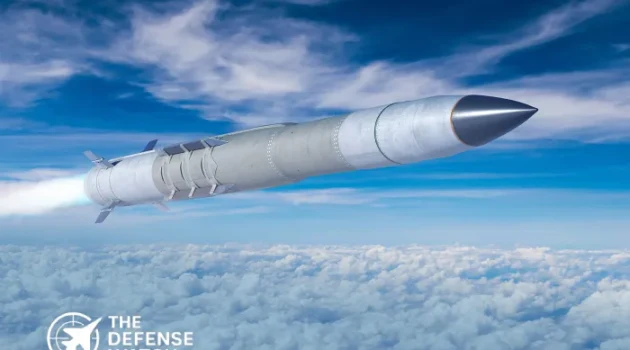
Lockheed Martin has announced plans to invest up to $9 billion through 2030 to expand missile production across more than 20 manufacturing facilities in the United States. The investment supports higher production rates for critical missile programs, including THAAD, PAC-3, Precision Strike Missile (PrSM), and other strategic systems as the Pentagon seeks to strengthen the U.S. defense industrial base and replenish munitions inventories.
Lockheed Martin Expands U.S. Missile Production Capacity
Lockheed Martin’s $9 billion missile production investment represents one of the company’s largest industrial expansion efforts in recent years, reflecting growing demand for advanced missile systems from both the U.S. military and allied nations. According to the company’s official announcements, the investment will modernize and expand more than 20 facilities nationwide through 2030.
The initiative supports the Department of War’s broader effort to increase production of critical precision weapons and missile defense interceptors following sustained demand generated by recent global conflicts and the need to rebuild strategic stockpiles.
Investment Targets More Than 20 Manufacturing Sites
Lockheed Martin said the funding will be directed toward new construction, factory modernization, automation, workforce expansion, and advanced manufacturing technologies.
Key states benefiting from the investment include:
| State | Planned Focus |
|---|---|
| Alabama | THAAD interceptors, Next Generation Interceptor support |
| Arkansas | Munitions acceleration facilities |
| Florida | Missile assembly and production modernization |
| Massachusetts | Advanced missile manufacturing |
| Texas | Production expansion and manufacturing upgrades |
The company says the investment includes:
- New manufacturing buildings
- Expanded production lines
- Digital manufacturing systems
- Robotics and automation
- Advanced testing capabilities
- Supply chain improvements
- Workforce growth
These improvements are intended to reduce production bottlenecks while increasing annual output across several major missile programs.
Missile Programs Receiving Additional Capacity
The expanded industrial network will support several of the Pentagon’s highest-priority missile programs.
Among the principal systems are:
- Terminal High Altitude Area Defense (THAAD)
- Patriot PAC-3 interceptors
- Precision Strike Missile (PrSM)
- AGM-158 family
- Next Generation Interceptor (NGI)
- Apache fire control systems and related components
Recent framework agreements between the Department of War and Lockheed Martin also call for significant increases in THAAD and PrSM production, complementing the company’s infrastructure investments.
New Facilities Already Under Construction
Several expansion projects are already underway.
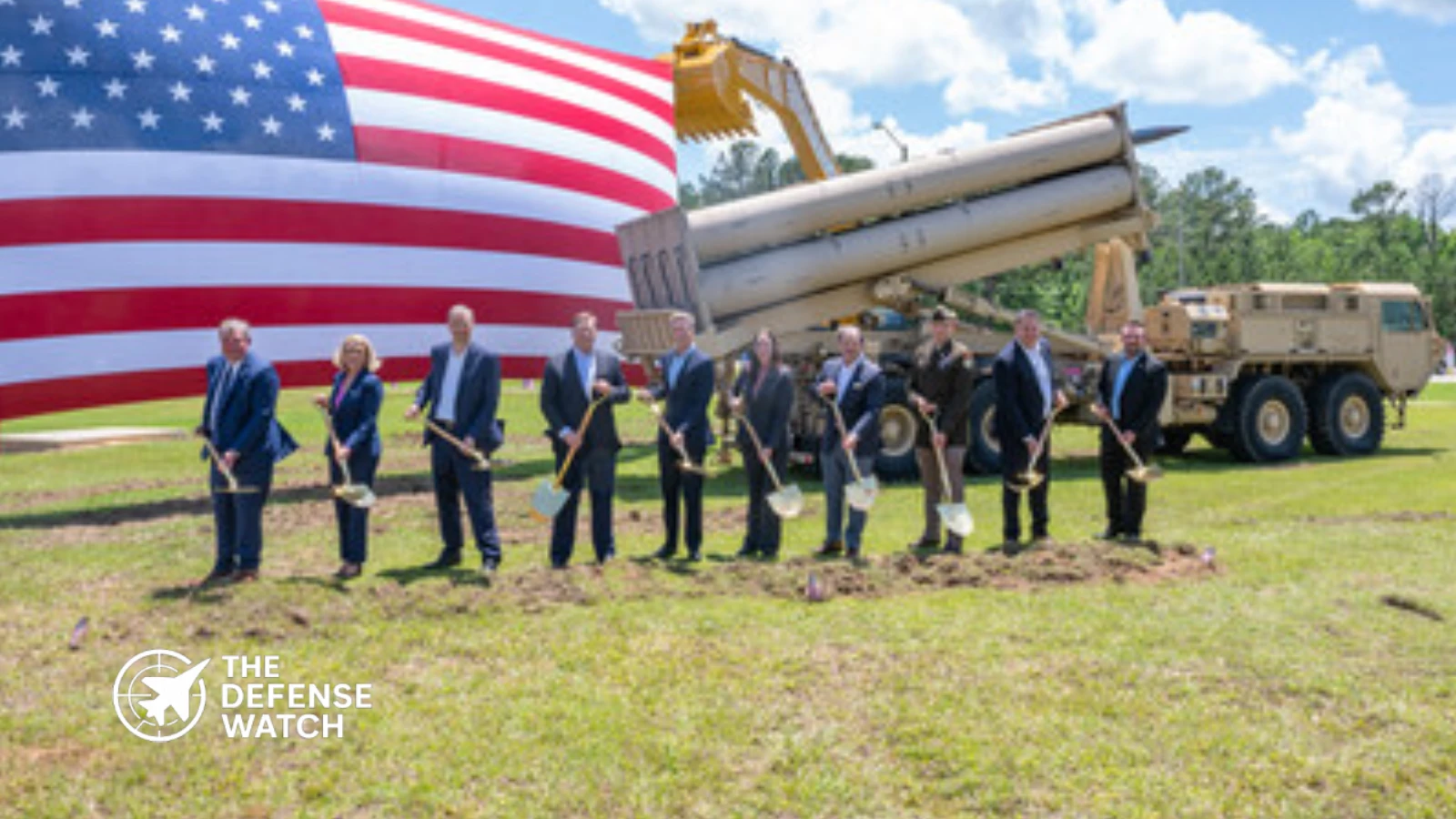
In Troy, Alabama, Lockheed Martin recently broke ground on Building 47, an 87,000 square foot Munitions Production Center that will nearly double production space dedicated to THAAD interceptors while supporting future Next Generation Interceptor work.
The company has also announced:
- A 150,000 square foot cable and harness manufacturing facility in Jessup, Pennsylvania.
- A redesigned missile paint facility in Orlando, Florida.
- A new smart assembly line in Ocala, Florida that reportedly cuts production hours by roughly half for certain missile subassemblies.
These projects incorporate digital twin technology, modular assembly systems, automation, and advanced quality control designed to increase throughput while maintaining manufacturing standards.
Why This Matters For U.S. Defense Strategy
Beyond expanding factory space, the investment addresses one of the Pentagon’s most persistent challenges: rebuilding the defense industrial base after years of relatively low missile production rates.
Recent operations in Europe and the Middle East have demonstrated how quickly inventories of advanced interceptors and precision weapons can be consumed during sustained military operations. At the same time, U.S. defense planners continue emphasizing readiness for potential high intensity conflicts in the Indo-Pacific.
Producing sophisticated interceptors such as THAAD or PAC-3 is considerably more complex than increasing output of conventional munitions. These systems require advanced seekers, precision electronics, propulsion systems, specialized materials, and extensive testing. Expanding production therefore depends as much on manufacturing infrastructure and supplier capacity as on final assembly lines.
Lockheed Martin’s investment reflects an industry-wide shift toward long-term industrial resilience rather than temporary production surges. Modernized facilities equipped with digital manufacturing, robotics, and modular production layouts can scale output more efficiently while reducing delays caused by labor shortages or legacy manufacturing processes.
For allied nations that rely on U.S.-built missile systems, additional production capacity could also improve future delivery timelines as international demand continues to grow.
Growing Pentagon Push To Increase Missile Output
The announcement comes alongside broader Department of War initiatives to expand production across the U.S. missile industrial base.
Earlier this month, the Pentagon signed framework agreements exceeding $3 billion with Lockheed Martin and Northrop Grumman aimed at significantly increasing production of Patriot and THAAD interceptor components. The agreements are intended to triple Patriot-related production capacity while quadrupling THAAD output over the coming years.
Separately, Lockheed Martin recently received a multiyear THAAD procurement contract valued at up to $35 billion, providing long-term production stability that supports continued investment in manufacturing infrastructure.
Looking Ahead
Although many of the new facilities will become operational over the next several years, the investment establishes a long-term manufacturing foundation extending through 2030.
Rather than representing a single program expansion, the initiative strengthens the broader U.S. missile production ecosystem across multiple strategic weapon systems. As demand for integrated air and missile defense, long-range precision fires, and next-generation interceptors continues to increase, industrial capacity has become an increasingly important element of national defense planning alongside weapon performance itself.