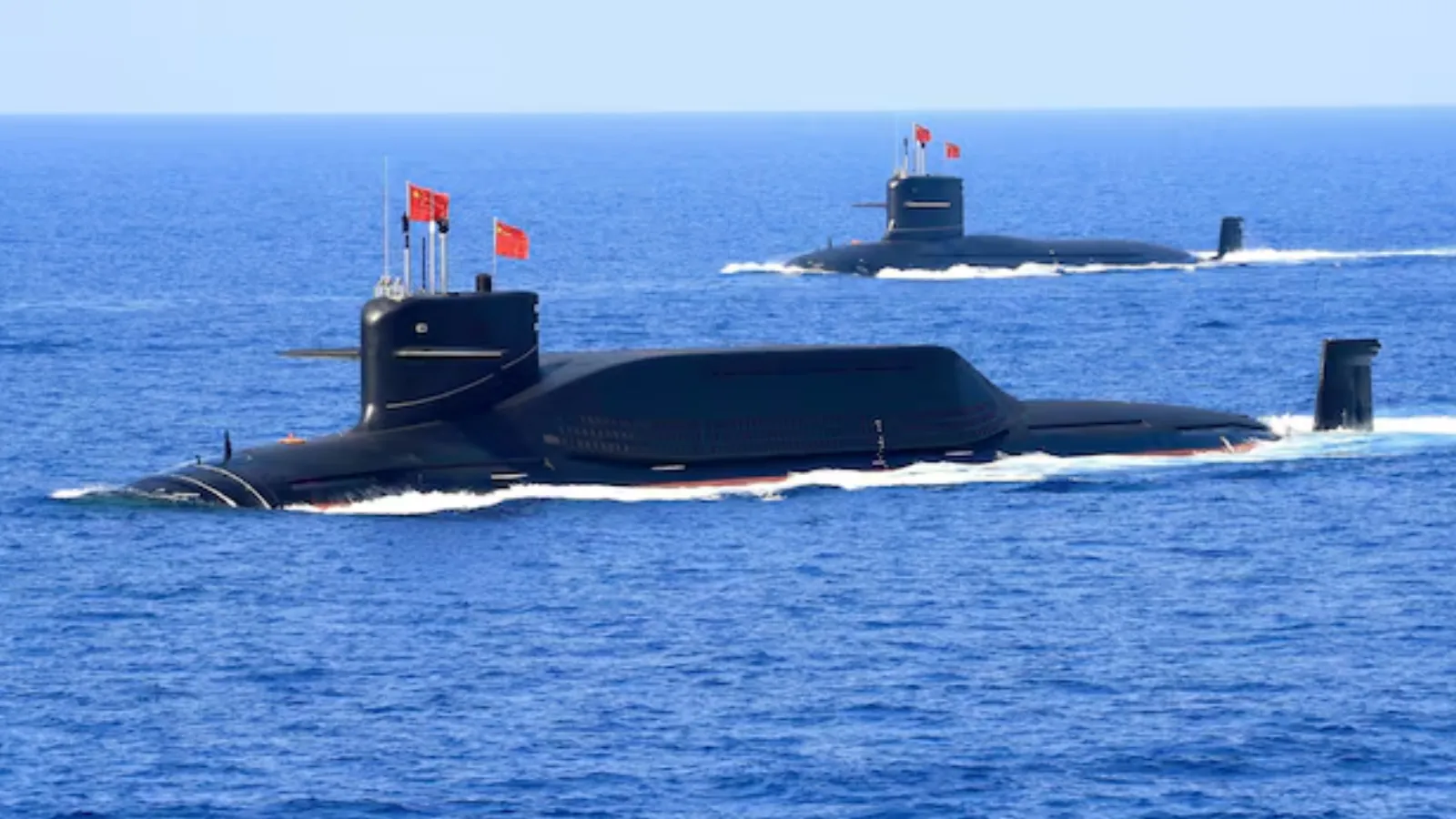
Executive Summary:
China has publicly acknowledged a rare submarine launched ballistic missile test into the South Pacific, providing an unusual glimpse into one of the most sensitive elements of its strategic nuclear deterrent. Defense analysts say the event demonstrates not only missile performance but also the command, control, and communications systems required to support credible sea based nuclear operations.
China JL-3 Submarine Missile Test Highlights Expanding Nuclear Deterrence
China’s JL-3 submarine missile test has become one of the most closely watched strategic military events of 2026, offering fresh insight into the People’s Liberation Army Navy’s evolving sea based nuclear capabilities. According to Reuters, analysts believe the launch provided Chinese military leaders with an opportunity to evaluate the full operational chain required for submarine based nuclear deterrence, extending well beyond the missile itself.
- China JL-3 Submarine Missile Test Highlights Expanding Nuclear Deterrence
- Why The Test Matters Beyond The Missile
- JL-3 Reportedly Represents China’s Long Range Sea Based Strike Capability
- Sea Based Nuclear Deterrence Continues To Mature
- Operational Challenges Still Remain
- Strategic Implications For The Indo-Pacific
- Looking Ahead
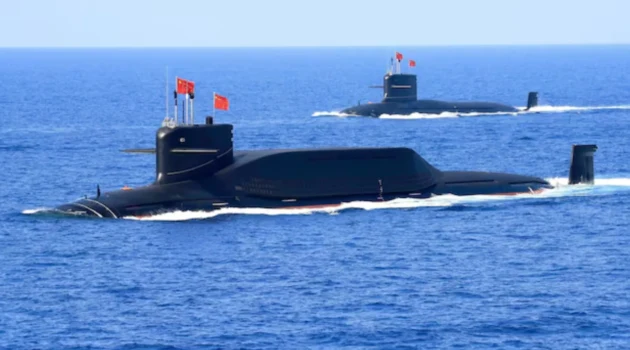
Chinese state media reported that a strategic nuclear submarine launched a ballistic missile carrying a dummy warhead into designated waters in the South Pacific during routine annual military training. Beijing said the exercise complied with international law and had been announced to relevant countries in advance.
The launch nevertheless prompted criticism from the United States, Australia, Japan, New Zealand, and Taiwan, with several governments arguing that the notification period was insufficient for such a strategically significant test.
Why The Test Matters Beyond The Missile
Unlike land based ballistic missile launches, submarine launched ballistic missile operations involve far more than propulsion and flight performance.
Military analysts interviewed by Reuters noted that the exercise likely evaluated several critical elements simultaneously, including:
Capability Operational Importance Secure communications Maintaining contact with submerged nuclear submarines Command and control Ensuring launch authorization remains secure Crew readiness Validating operational procedures during strategic patrols Navigation accuracy Positioning submarines while remaining undetected Missile performance Confirming launch reliability and flight characteristics Experts emphasize that reliable command, control, and communications remain among the most technically demanding aspects of operating a nuclear ballistic missile submarine fleet. Maintaining secure communications with submerged vessels without compromising their location is a challenge faced by every nuclear navy.
JL-3 Reportedly Represents China’s Long Range Sea Based Strike Capability
Although Chinese authorities did not officially identify the missile, multiple defense analysts believe the launch most likely involved the JL-3 submarine launched ballistic missile.
The JL-3 is widely assessed to possess an estimated range of approximately 10,000 kilometers, allowing Chinese ballistic missile submarines to threaten targets far beyond East Asia. Depending on patrol locations, analysts assess the missile could potentially reach Guam, Hawaii, and portions of the continental United States.
The missile is believed to equip or eventually replace earlier generations carried aboard the PLA Navy’s Type 094 Jin class ballistic missile submarines.
Sea Based Nuclear Deterrence Continues To Mature
China has steadily modernized all three legs of its nuclear force over the past decade:
- Land based intercontinental ballistic missiles
- Strategic bomber aviation
- Ballistic missile submarines
The latest submarine launch reinforces Beijing’s continued investment in completing a more survivable nuclear triad.
Sea based deterrence offers a unique strategic advantage because submarines can remain hidden underwater for extended periods. Even if land based missile forces were destroyed during a conflict, surviving ballistic missile submarines could preserve a retaliatory capability, strengthening overall nuclear deterrence.
Operational Challenges Still Remain
While the missile launch demonstrated growing technical confidence, analysts caution that building an effective ballistic missile submarine force requires much more than successful test launches.
Key operational challenges include:
- Maintaining continuous submarine patrols
- Secure communications during submerged operations
- Crew proficiency over extended deployments
- Acoustic stealth against advanced anti submarine warfare assets
- Political control over nuclear launch authority
Reuters reported that some analysts continue to question whether Chinese ballistic missile submarines routinely conduct deterrent patrols carrying fully operational nuclear weapons, particularly following recent leadership changes and corruption investigations within China’s military establishment.
Strategic Implications For The Indo-Pacific
The missile test reflects China’s broader military modernization program and its effort to field a more credible second strike capability.
For regional defense planners, the significance lies less in the missile’s range than in the apparent confidence to publicly acknowledge a submarine launched strategic missile test. Such operations are normally conducted with limited visibility because they involve some of the most sensitive components of national nuclear deterrence.
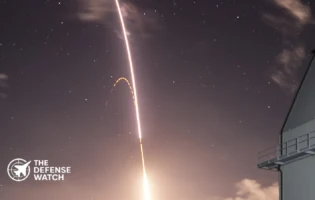
The event is also likely to reinforce ongoing investments by the United States and its Indo-Pacific allies in anti submarine warfare, undersea surveillance, missile defense, and strategic early warning capabilities.
Rather than representing a sudden shift in military balance, the launch appears to be another milestone in China’s long term effort to develop a more survivable and operationally mature nuclear force.
Looking Ahead
China’s latest submarine launched ballistic missile test underscores the increasing sophistication of the PLA Navy’s strategic submarine force. Beyond validating missile performance, the exercise demonstrated progress toward integrating secure command systems, submarine operations, and long range nuclear deterrence into a more complete operational capability.
As China continues expanding its nuclear triad, future attention will likely focus on whether its ballistic missile submarines transition from periodic demonstrations to sustained operational deterrent patrols comparable to those maintained by other established nuclear powers.