Executive Summary:
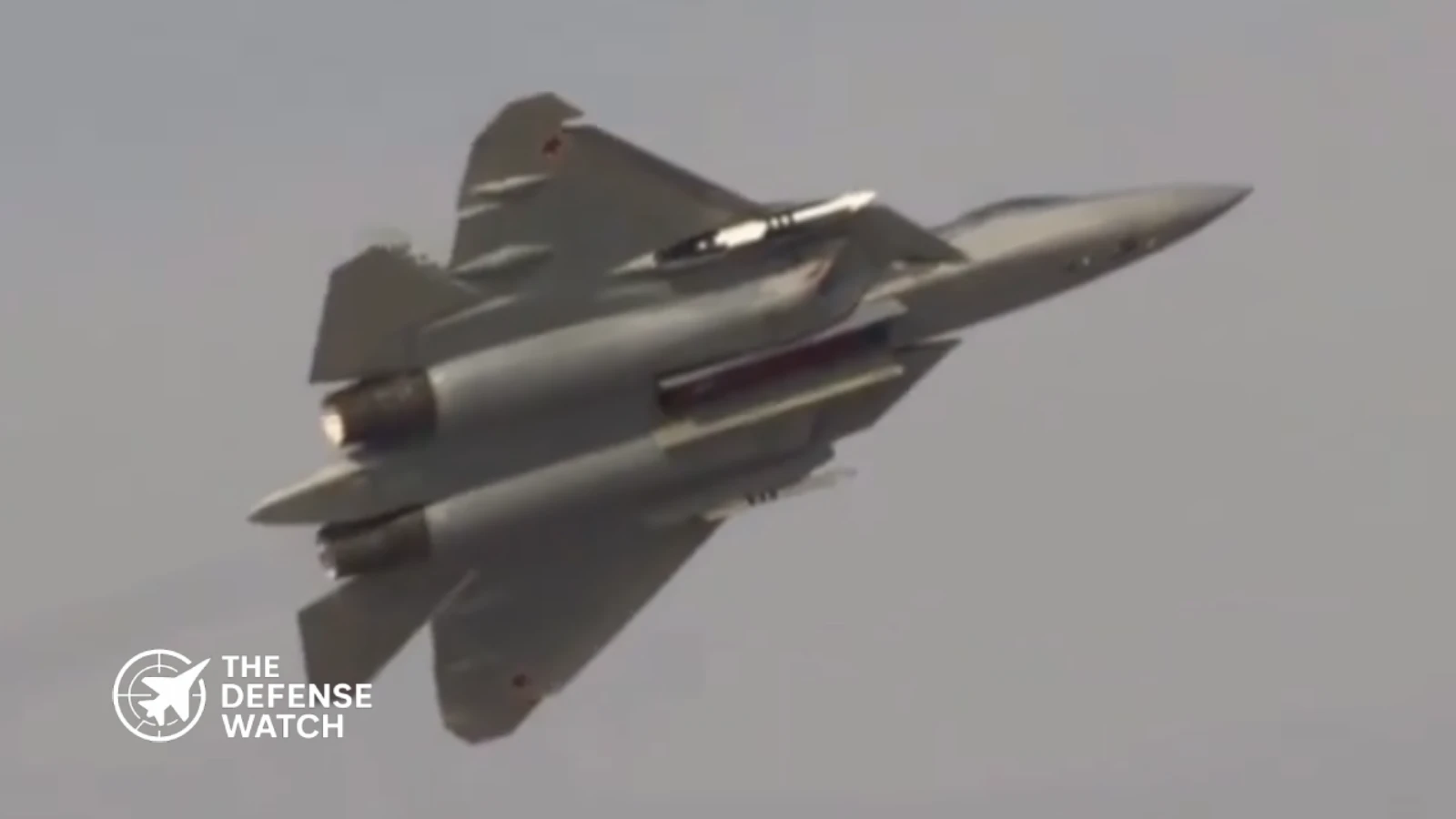
India has confirmed it is not pursuing the procurement of Russia’s Su-57E fifth-generation fighter in the near term. Instead, New Delhi is prioritizing upgrades for its Su-30MKI fleet, additional Rafale fighters, and development of the indigenous Advanced Medium Combat Aircraft (AMCA), reflecting a long-term strategy focused on capability enhancement and domestic defense production.
India Prioritizes Su-30MKI Modernization Over Su-57E Fighter Purchase
India’s decision to postpone any potential acquisition of Russia’s Su-57E fighter jet signals a significant shift in its fighter modernization roadmap. Rather than introducing another foreign combat aircraft into its inventory, New Delhi is concentrating on upgrading its existing fleet while accelerating indigenous aerospace development.
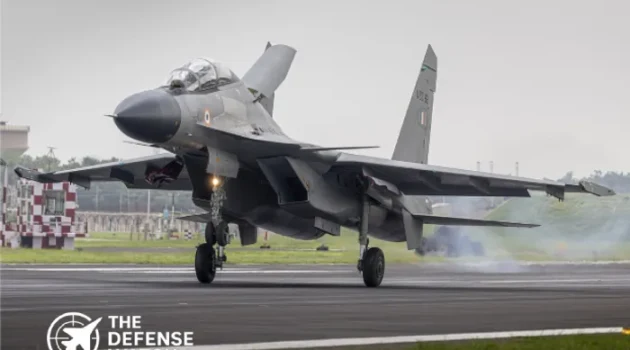
The announcement came from India’s Defense Ministry Secretary Rajesh Kumar Singh, who confirmed that the government is not considering the purchase of a new Sukhoi model at this stage. Instead, the Ministry’s immediate focus is on modernizing approximately 260 Su-30MKI multirole fighters currently serving with the Indian Air Force (IAF).
The move aligns with India’s broader modernization strategy, which emphasizes extending the operational life of proven platforms while investing in domestic defense manufacturing.
India Focuses On Upgrading Its Largest Fighter Fleet
The Su-30MKI remains the backbone of the Indian Air Force, accounting for a substantial portion of its frontline combat capability. Originally developed jointly by Russia and India, the aircraft has undergone continuous upgrades since entering service.
The planned modernization program is expected to introduce improvements across multiple areas, including:
- Advanced mission computers
- Modern active electronically scanned array (AESA) radar technology
- Enhanced electronic warfare systems
- Improved long-range weapons integration
- Updated cockpit avionics
- Expanded network-centric warfare capabilities
By upgrading the existing fleet instead of purchasing an entirely new fighter platform, India can improve operational capability while reducing logistical complexity and controlling long-term sustainment costs.
Defense planners have increasingly emphasized maximizing the effectiveness of aircraft already in service, particularly as regional security dynamics continue to evolve.
Su-57E Purchase Not Under Consideration
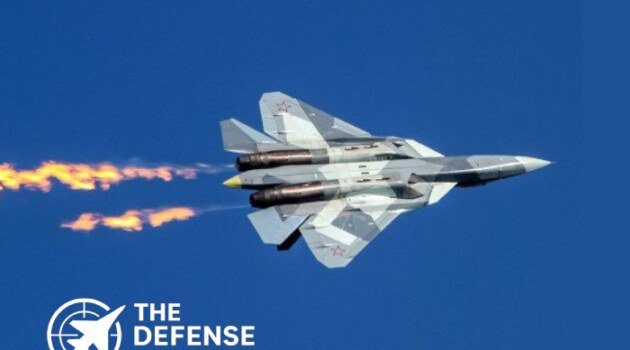
Russia has actively promoted the export version of its fifth-generation Su-57E fighter to international customers, with India frequently mentioned as a potential buyer because of its longstanding defense relationship with Moscow.
However, Rajesh Kumar Singh stated that India is not evaluating a new Sukhoi aircraft at present.
The statement effectively removes the Su-57E from India’s near-term procurement agenda, although it does not necessarily rule out future discussions should operational requirements change.
The announcement also reflects India’s preference to balance foreign acquisitions with indigenous defense development rather than expanding dependence on another imported combat aircraft.
Rafale Fleet Expansion Remains A Priority
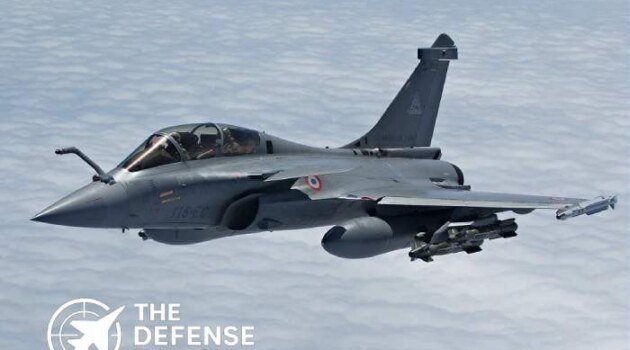
While ruling out the Su-57E for now, India continues to strengthen its fighter inventory through additional procurement of the French-built Rafale.
The Indian Air Force already operates Rafale fighters, and New Delhi has approved further acquisitions to expand advanced combat capabilities while addressing squadron strength requirements.
The Rafale offers modern sensors, advanced electronic warfare capabilities, precision strike weapons, and interoperability with India’s existing Western-origin systems.
Combined with upgraded Su-30MKIs, additional Rafales provide the IAF with a capable mix of heavy and multirole fighters during the transition toward future indigenous platforms.
AMCA Represents India’s Long-Term Vision
India’s long-term fighter modernization strategy increasingly centers on the Advanced Medium Combat Aircraft (AMCA) program.
The AMCA is India’s indigenous fifth-generation fighter project, designed to incorporate low observable characteristics, advanced sensors, internal weapons carriage, and modern network-centric capabilities.
Unlike purchasing another foreign fifth-generation aircraft, investing in AMCA supports India’s broader objectives under its domestic defense manufacturing initiatives by strengthening the national aerospace industry and reducing future dependence on overseas suppliers.
Although the AMCA remains under development, it represents the centerpiece of India’s next-generation combat aviation plans.
Analysis: Modernization Over Fleet Expansion
India’s latest position highlights an increasingly pragmatic procurement strategy.
Rather than introducing another complex fighter type into service, the government appears focused on maximizing existing investments while preparing for domestically produced next-generation aircraft.
Upgrading approximately 260 Su-30MKIs provides a substantial capability increase across the Air Force without requiring the infrastructure, training, maintenance, and supply chain associated with operating an entirely new fleet.
At the same time, additional Rafales help address immediate operational needs while the AMCA progresses through development.
This balanced approach allows India to maintain combat readiness in the near term while supporting longer-term industrial and technological goals.
From a force planning perspective, the decision also simplifies logistics by concentrating resources on aircraft already integrated into the Indian Air Force rather than introducing another high-end platform.
As regional air forces continue to modernize, India’s strategy suggests that enhancing existing capabilities and accelerating indigenous aerospace development remain higher priorities than pursuing a near-term purchase of the Russian Su-57E.