Takeaways
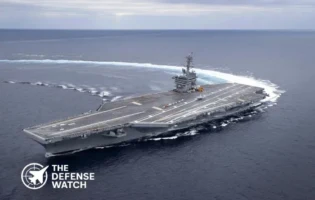
The six-month U.S. military campaign against Iran has created a substantial financial and force-readiness burden, with the largest pressure coming from expended munitions and the time required to rebuild inventories.
U.S. Iran War Cost Reaches $38 Billion
The U.S. Iran war cost has reached approximately $38 billion through August 1, 2026, according to a Congressional Budget Office assessment reported by Reuters on September 15. CBO also estimates that continued operations could add another $2 billion to $3 billion each month, depending on the level of military activity.
- Takeaways
- U.S. Iran War Cost Reaches $38 Billion
- Munitions Account for the Largest Share of Replacement Costs
- Why the Five-Year Replenishment Timeline Matters
- Implications for U.S. Indo-Pacific Readiness
- The Pentagon and CBO Present Different Views of the Risk
- Pentagon Inspector General Report Adds to the Readiness Picture
- Energy Costs Add a Second Strategic Pressure
- What the $38 Billion Figure Includes
- The Industrial Base Is Now a Central Defense Issue
- What Comes Next for U.S. Defense Planning
- Conclusion
The financial figure is only one part of the assessment. CBO found that the campaign has placed significant pressure on U.S. munitions inventories, particularly missile-defense interceptors, while higher energy costs have created broader economic effects.
The assessment covers costs through August 1 and therefore does not capture all subsequent military activity. Reuters also reported that the CBO calculation does not include borrowing costs associated with financing the conflict or some more recent damage to U.S. facilities and operations in the region.
Munitions Account for the Largest Share of Replacement Costs
The most important defense-specific finding concerns the consumption of precision weapons and missile-defense interceptors.
CBO estimated that replacing expended munitions would account for approximately $21.7 billion of the costs. That figure includes about $13.1 billion for missile-defense interceptors, $7.3 billion for land-attack cruise missiles and $1.2 billion for other munitions, according to defense reporting on the CBO assessment.
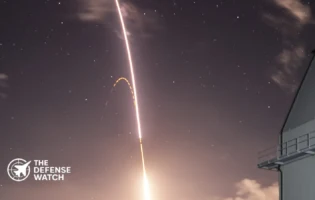
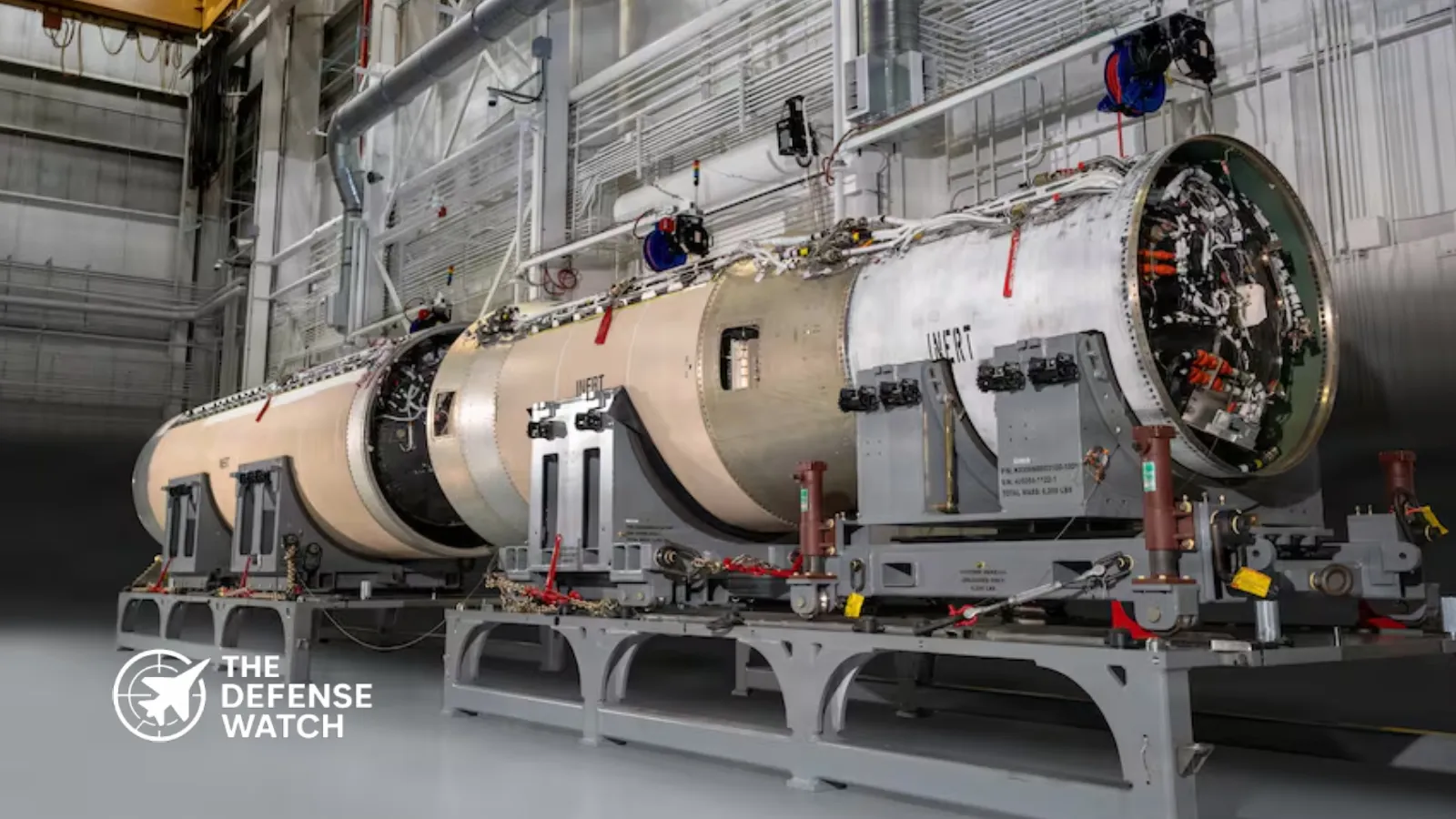
The interceptor category covers systems including Patriot, THAAD, Standard Missile-3 and Standard Missile-6. CBO estimated that the United States has probably used between one-half and two-thirds of its inventory of certain interceptors since June 2025, although the Pentagon does not publicly disclose its complete inventory.
That distinction is important. The estimate does not mean that one-half to two-thirds of every U.S. interceptor type has been expended. It represents CBO’s estimate for the combined inventory of certain missile-defense weapons based on reported expenditures and procurement data.
Why the Five-Year Replenishment Timeline Matters
The reported five-year replenishment timeline creates a different problem from the immediate cost of combat.
Missile inventories can be rebuilt through additional procurement, but production capacity cannot necessarily be expanded at the same speed as wartime consumption. Manufacturers require production equipment, qualified suppliers, specialized materials, trained workers and testing capacity before additional output can reach operational units.
CBO’s assessment therefore highlights an industrial-base problem as much as a budget problem. Even if Congress provides additional money, the U.S. defense industry may require years to restore inventories after an unusually intensive expenditure of interceptors and long-range strike weapons.
This matters particularly for weapons that are also relevant to other theaters. Patriot and THAAD interceptors support regional air and missile defense, while SM-3 and SM-6 provide important capabilities for naval and integrated air and missile-defense missions.
Long-range cruise missiles present another constraint. Weapons such as Tomahawk and other standoff systems depend on specialized manufacturing processes and supply chains that cannot simply be expanded overnight.
Implications for U.S. Indo-Pacific Readiness
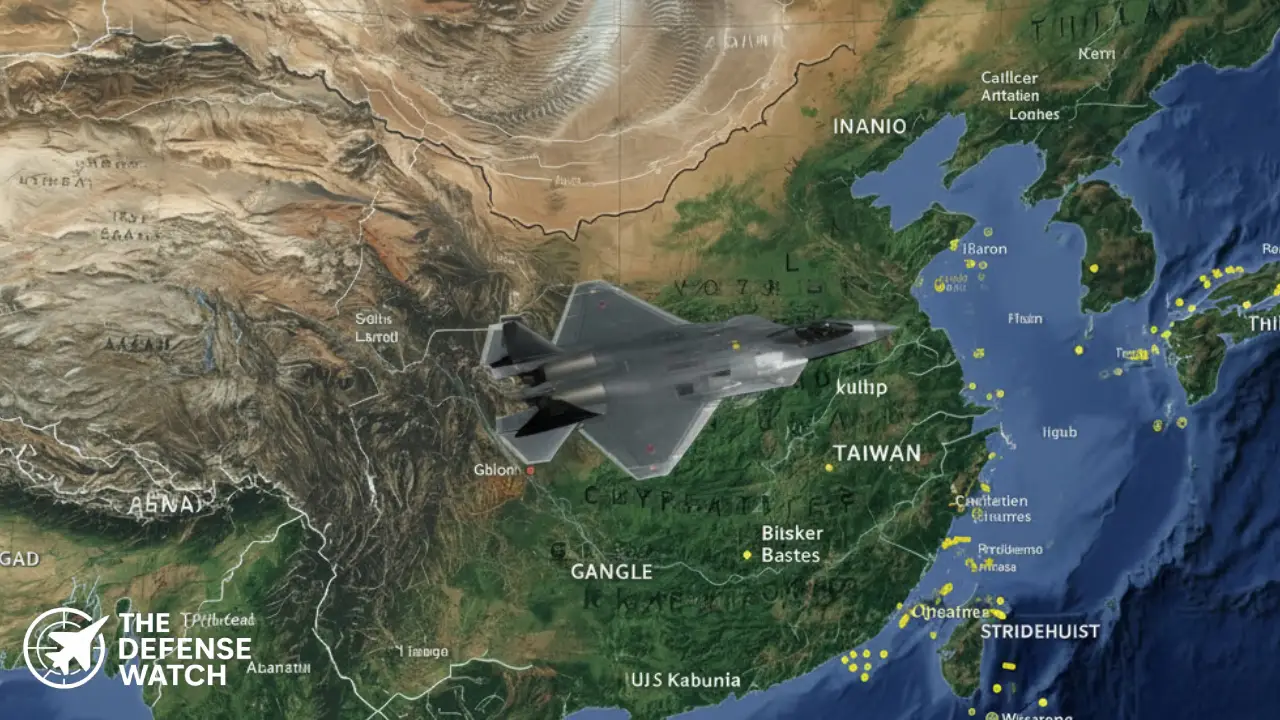
The CBO assessment also connects the munitions issue to a potential future conflict involving China and Taiwan.
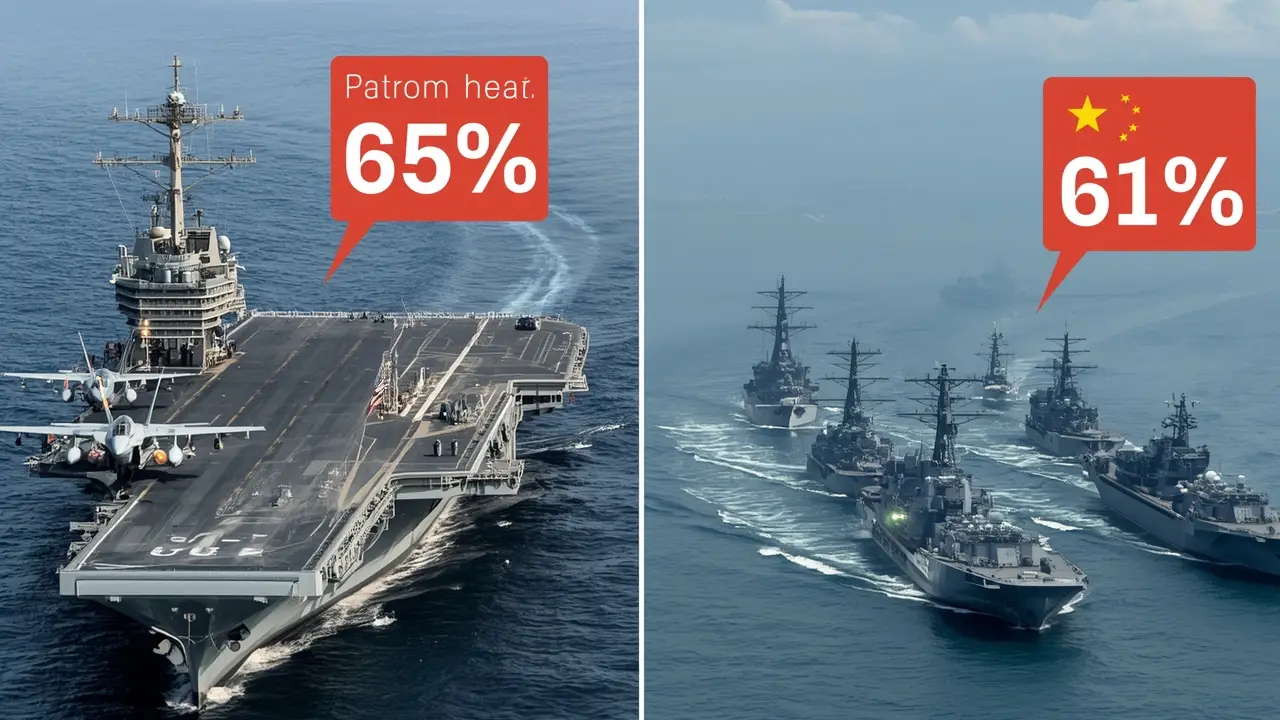
The concern is straightforward. A major conflict involving the People’s Republic of China could require large quantities of ballistic-missile and cruise-missile interceptors, along with long-range precision weapons. If U.S. inventories remain below desired levels while production capacity is still recovering, planners could face difficult allocation decisions between theaters.
This does not mean that the United States lacks the ability to conduct military operations in another theater. The Pentagon has publicly disputed reports of operationally critical shortages and has stated that U.S. forces have the weapons required for current missions.
The issue identified by CBO is longer-term inventory depth. A military can maintain current operations while simultaneously having less capacity to absorb another high-intensity conflict.
That distinction is central to understanding modern precision warfare. Readiness is not measured only by whether forces can conduct today’s mission. It also depends on whether sufficient stocks and industrial capacity exist to sustain operations if another crisis begins before inventories are rebuilt.
The Pentagon and CBO Present Different Views of the Risk
The Pentagon has challenged the assessment of operational shortages.
Pentagon spokesperson Sean Parnell disputed the reported findings and said the U.S. military has the resources required for missions directed by the president. The White House likewise rejected the suggestion that the United States lacks adequate stocks for current strategic objectives.
CBO’s analysis addresses a different question. Its concern is the size of inventories relative to expenditure and the time required to replace weapons that have already been used.
The difference is significant because both statements can exist simultaneously. Current operational sufficiency does not necessarily mean that inventories have returned to prewar levels or that the industrial base can immediately support another prolonged high-intensity campaign.
Pentagon Inspector General Report Adds to the Readiness Picture
The CBO assessment came shortly after a separate report from the Department of War Office of Inspector General covering Operation Epic Fury and related U.S. government activities through June 30, 2026.
Reuters reported that the Inspector General assessment put the cost through June 19 at $33.4 billion, including approximately $184 million in damage to U.S. diplomatic facilities. The report also identified damage to U.S. military infrastructure and aircraft in the Middle East.
The difference between the CBO and Inspector General figures is primarily a matter of timing and accounting scope. CBO’s estimate extends through August 1, while the Inspector General assessment cited by Reuters covers an earlier period.
Together, the reports show that the financial burden extends beyond weapons fired in combat. It includes additional flying hours, fuel, equipment losses, munitions replacement and other operational expenses.
Energy Costs Add a Second Strategic Pressure
The war has also affected the U.S. economy through disruption around the Strait of Hormuz, a critical route for global energy shipments.
Reuters reported that energy shocks associated with attacks and disruptions around the waterway and regional energy infrastructure have increased prices. CBO expects the conflict to raise inflation by approximately 0.5 percentage points during the first three months of 2027.
For defense planning, this creates an indirect relationship between military operations and the wider economy. Higher fuel and transportation costs can increase the expense of military operations while also affecting commercial activity and household energy prices.
The result is that the cost of a prolonged regional conflict cannot be measured solely through the Pentagon’s direct expenditures.
What the $38 Billion Figure Includes
| Cost area | Reported figure or assessment |
|---|---|
| U.S. combat operations through Aug. 1 | About $38 billion |
| Additional monthly cost if operations continue | About $2 billion to $3 billion |
| Munitions replacement requirement | About $21.7 billion |
| Missile-defense interceptors | About $13.1 billion |
| Land-attack cruise missiles | About $7.3 billion |
| Other munitions | About $1.2 billion |
| Estimated replenishment timeline for certain interceptors | At least five years |
| Projected inflation effect in early 2027 | About 0.5 percentage points |
The figures above should not be interpreted as a complete accounting of the war. CBO’s estimate excludes some categories, including borrowing costs, while later combat activity falls outside the August 1 cutoff.
The Industrial Base Is Now a Central Defense Issue
The most consequential long-term issue may be the relationship between wartime consumption and U.S. production capacity.
Modern U.S. forces depend on precision weapons because they allow aircraft, ships and ground units to engage targets at extended ranges without relying solely on large formations or sustained close-range operations. High expenditure rates can therefore produce a rapid reduction in stockpiles even when the weapons remain highly effective.
Rebuilding those inventories requires more than congressional appropriations. The defense industrial base must increase output while maintaining quality control, supply security and workforce capacity.
The five-year estimate reported by CBO demonstrates the potential gap between the speed of combat consumption and the speed of industrial replenishment.
For U.S. defense planners, the practical question is therefore not simply how much the war costs. It is how quickly the United States can convert additional funding into operationally available weapons.
What Comes Next for U.S. Defense Planning
The immediate financial requirement is likely to remain tied to the pace of military operations. If the conflict continues at a high operational tempo, the monthly cost will remain substantially higher than during peacetime.
The longer-term requirement will involve rebuilding inventories while maintaining existing commitments in Europe, the Indo-Pacific and the Middle East.
That could increase pressure for expanded production of missile-defense interceptors, cruise missiles and other precision weapons. It could also encourage the Pentagon to place greater emphasis on production capacity, distributed manufacturing, larger stockpiles and more efficient use of expensive interceptors.
The CBO assessment does not establish a specific future defense strategy. It does, however, identify a measurable planning constraint: weapons consumed today may not be replaceable at the same rate at which they were used.
For the United States, the central defense challenge is therefore both financial and industrial. The reported $38 billion cost captures the scale of the campaign through August 1, while the projected replenishment timeline shows why the effects of the conflict could extend well beyond the immediate battlefield.
Conclusion
The U.S. Iran war cost has reached approximately $38 billion through August 1, 2026, with CBO estimating that continued operations could add another $2 billion to $3 billion each month. The most significant defense implication is the depletion of key munitions inventories and the estimated time required to rebuild them.
The findings also show why modern military readiness depends on industrial capacity as much as deployed forces. Maintaining aircraft, ships and missile-defense systems in combat is only one part of sustaining a major operation. Replacing the weapons consumed during that operation can become a separate strategic challenge.
As the United States continues to manage operations in the Middle East, the cost of the campaign will therefore be measured not only in dollars spent, but also in inventory levels, production capacity and the ability to preserve readiness for other potential contingencies.