

Executive Summary:
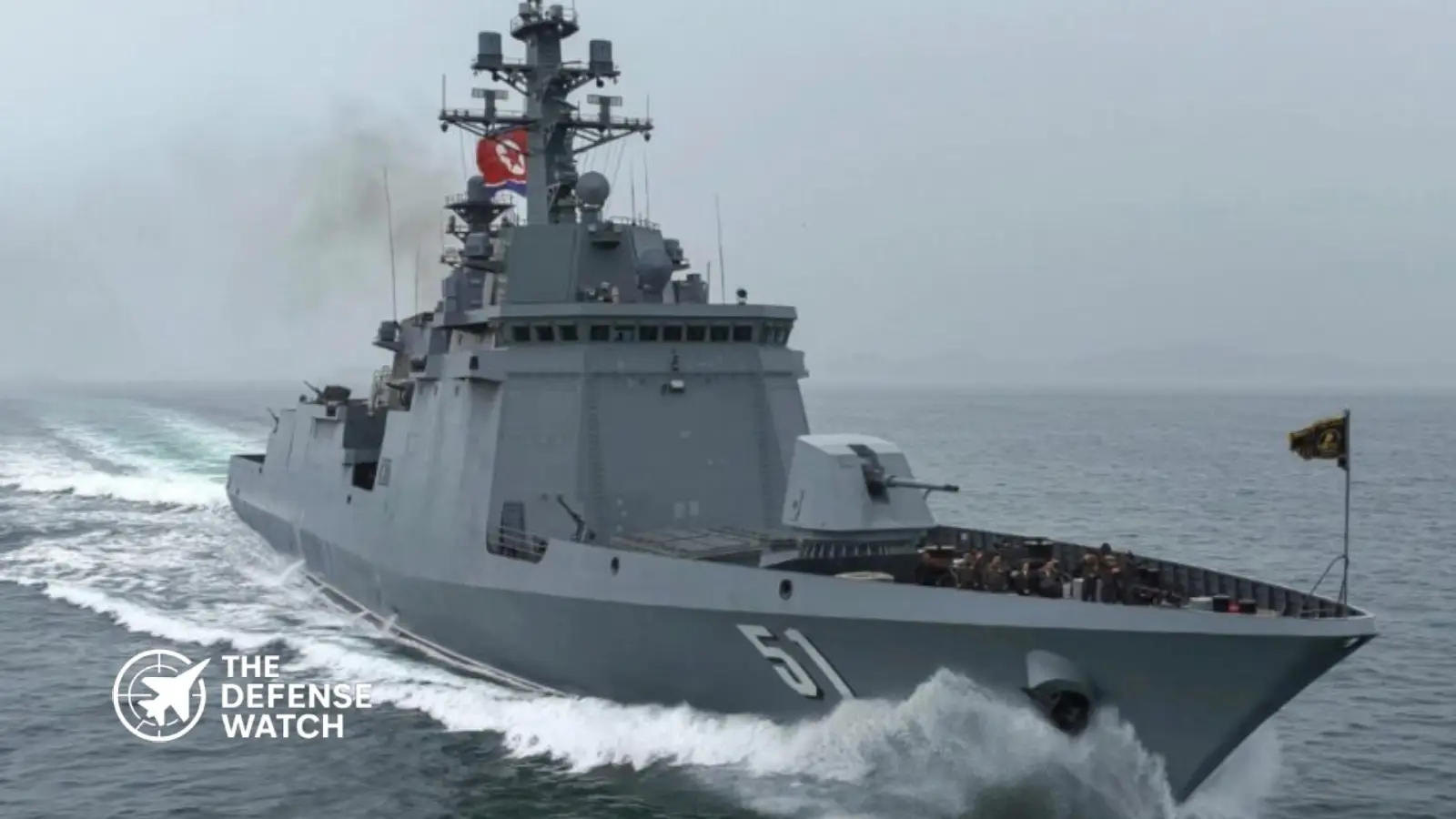
North Korea says it plans to deploy a new nuclear-armed warship by mid-June, according to state-linked reporting. The announcement highlights Pyongyang’s continued effort to expand its maritime nuclear deterrent as regional tensions with the United States, South Korea, and Japan remain elevated.
North Korea Nuclear Warship Deployment Signals Expanding Maritime Ambitions
North Korea’s planned deployment of a new nuclear-armed warship represents another significant step in the country’s ongoing military modernization campaign. Pyongyang stated that the vessel could enter operational service by mid-June.
The announcement comes as North Korea continues to prioritize strategic weapons development under leader Kim Jong Un. In recent years, the country has accelerated testing of ballistic missiles, submarine systems, and nuclear delivery platforms aimed at strengthening its deterrence posture.
While North Korean state media did not disclose detailed technical specifications of the new warship, analysts believe the platform is intended to support nuclear strike operations or strategic missile deployment at sea. The vessel reportedly forms part of a broader effort to diversify North Korea’s nuclear delivery methods beyond land-based missile systems.
The development also aligns with Pyongyang’s growing emphasis on survivable second-strike capabilities, particularly through maritime assets that are harder to track and target than fixed launch facilities.
Maritime Nuclear Deterrence Becoming A Higher Priority
North Korea has increasingly focused on naval modernization over the past several years. The country previously unveiled submarine-launched ballistic missile programs and modified underwater platforms designed to carry strategic weapons.
The planned deployment of a nuclear-armed warship suggests the regime may now be attempting to extend nuclear deterrence into surface fleet operations as well.
Although North Korea’s navy remains technologically behind the fleets operated by the United States, South Korea, and Japan, the introduction of nuclear-capable maritime platforms could complicate regional defense planning.
Military analysts note that even a limited operational nuclear naval capability can force neighboring countries to allocate additional surveillance, anti-submarine warfare, and missile defense resources across broader areas.
That dynamic is particularly relevant in Northeast Asia, where maritime security concerns already include Chinese naval expansion, disputed territorial waters, and frequent missile activity around the Korean Peninsula.
Strategic Messaging Toward Washington And Seoul
The timing of the announcement appears closely tied to ongoing regional military activity involving the United States and its allies.
Washington and Seoul have expanded combined military exercises over the past two years, while the United States has increased deployments of strategic assets to the region, including nuclear-capable bombers, aircraft carriers, and submarines.
Pyongyang routinely condemns those deployments as provocative and has responded with missile launches and weapons demonstrations.
By publicly announcing the deployment timeline for a nuclear-armed warship, North Korea may be seeking to reinforce its deterrence messaging ahead of future allied exercises and diplomatic engagements.
The move also reflects the regime’s broader strategy of demonstrating military capability through highly publicized defense projects. North Korean state media frequently uses weapons unveilings and inspections to project strength domestically and internationally.
Questions Remain Over Operational Capability
Despite the announcement, substantial questions remain regarding the actual operational effectiveness of the platform.
North Korea has historically faced major limitations in naval propulsion technology, sensor integration, command-and-control systems, and long-duration maritime operations. Independent verification of the warship’s capabilities also remains limited due to restricted access to North Korean military facilities.
Defense experts caution that Pyongyang’s public military claims often serve political and strategic communication objectives alongside genuine capability development.
Still, even incremental improvements in North Korea’s naval nuclear infrastructure could alter regional threat assessments over time.
The United States, South Korea, and Japan are expected to continue monitoring North Korean maritime activity closely, particularly if the vessel begins sea trials or missile integration testing following deployment.
Regional Security Implications
The deployment announcement adds another layer to an already tense regional security environment in East Asia.
South Korea and Japan have both expanded investments in missile defense systems, intelligence-sharing arrangements, and maritime surveillance capabilities in response to North Korea’s growing missile inventory.
Meanwhile, the United States continues to strengthen trilateral defense coordination with both countries as concerns over North Korean nuclear and missile programs persist.
A nuclear-capable North Korean surface combatant would likely remain vulnerable against advanced naval forces during high-intensity conflict. However, its strategic value may lie more in deterrence signaling and political leverage than in direct combat effectiveness.
The platform could also support North Korea’s efforts to demonstrate a more diversified nuclear posture, complicating future arms control discussions and regional military planning.
