Executive Summary:
Kongsberg has secured an approximately $100 million contract to deliver additional Joint Strike Missiles (JSM) to the U.S. Air Force. Deliveries will continue through June 2030, expanding the USAF’s inventory of stealth compatible precision strike weapons designed for the F-35A Lightning II.
Kongsberg Wins New U.S. Air Force Joint Strike Missile Contract
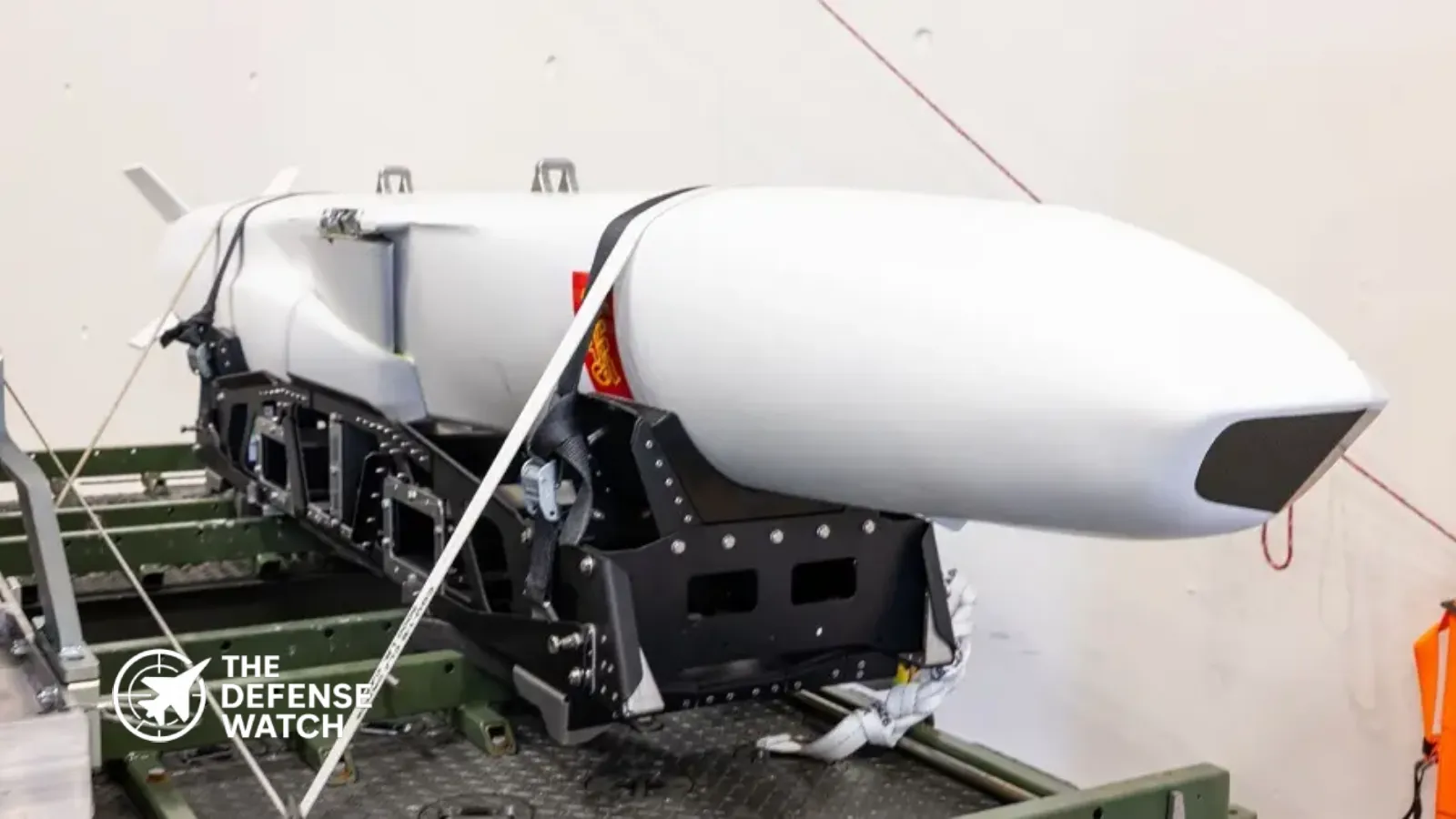
Kongsberg has received another Joint Strike Missile (JSM) production contract from the U.S. Air Force, reinforcing the growing role of the Norwegian-developed weapon in America’s fifth generation air combat capability. The company announced the agreement on July 16, stating the contract is valued at approximately $100 million, with deliveries scheduled for completion by the end of June 2030.
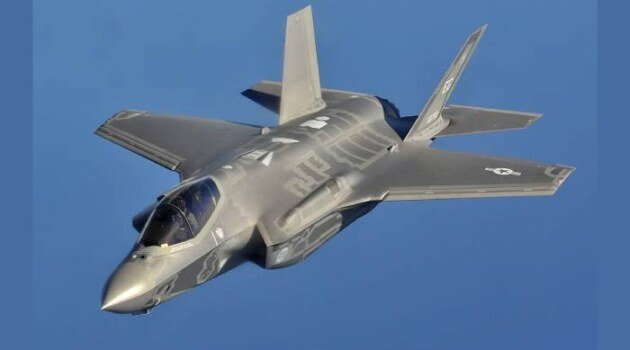
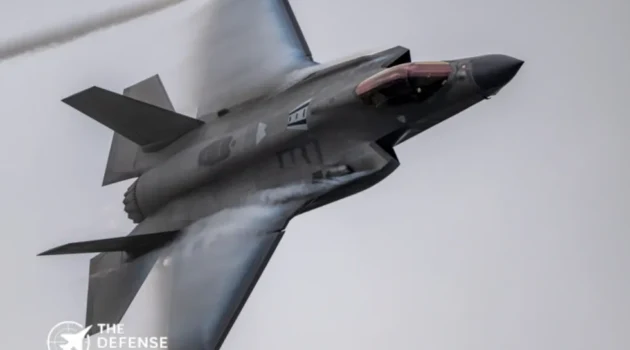
The award represents the latest step in the Air Force’s continuing procurement of the JSM as it expands operational strike options for the F-35A Lightning II fleet. The missile is specifically engineered to fit inside the aircraft’s internal weapons bay, allowing the fighter to preserve its low observable characteristics while carrying a long range precision weapon.
A Missile Designed Around The F-35
Unlike many legacy air launched weapons that require external carriage, the Joint Strike Missile was designed from the outset to integrate with the F-35’s internal weapons bays.
This capability enables the aircraft to maintain its stealth profile during missions while retaining the ability to strike heavily defended land and maritime targets at stand off ranges.
According to Kongsberg, the missile incorporates:
Capability Details Platform F-35A Lightning II Mission Land attack and anti-surface warfare Length Approximately 4 meters Weight Approximately 416 kg Range More than 350 km Guidance Passive sensors, GPS/INS, terrain following, autonomous target recognition Flight Profile High subsonic with terminal maneuver capability The JSM is derived from the combat proven Naval Strike Missile (NSM) family but incorporates significant modifications for air launch operations, including redesigned aerodynamics, internal carriage compatibility, and advanced mission planning capabilities.
Contract Continues A Growing U.S. Procurement Program
The latest award follows several previous U.S. Air Force contracts for JSM production.
In 2024, the Air Force signed an initial undefinitized contract action valued at up to $141 million for the first production lot. Subsequent production awards have steadily expanded procurement as the missile progresses toward broader operational fielding across the USAF F-35A fleet.
Although Kongsberg has not disclosed the number of missiles included in the newest order, the contract extends production through mid 2030, providing longer term manufacturing stability while supporting continued fleet integration.
Strategic Importance For U.S. Air Power
The significance of the contract extends well beyond its dollar value.
Modern air operations increasingly depend on weapons that allow aircraft to engage high value targets without entering heavily defended airspace. As integrated air defense systems continue to improve worldwide, stand off precision weapons have become central to U.S. operational planning.
The Joint Strike Missile addresses this requirement by combining several important attributes:
- Internal carriage for stealth aircraft
- Long range precision engagement
- Capability against both maritime and land targets
- Autonomous navigation and target recognition
- Reduced radar signature throughout flight
For the U.S. Air Force, these characteristics provide commanders with greater flexibility during operations in highly contested environments, particularly across the Indo-Pacific and other regions where advanced air defenses present increasing challenges.
Expanding International User Base
The missile’s international adoption also strengthens interoperability among F-35 operators.
According to Kongsberg, the Joint Strike Missile has now been selected by:
- United States
- Australia
- Canada
- Germany
- Japan
- Norway
A growing common inventory allows allied air forces to simplify logistics, training, mission planning, and coalition operations while benefiting from shared sustainment and future upgrades.
Why The New Contract Matters
From a broader modernization perspective, the contract highlights several important defense trends.
First, the United States continues investing in precision stand off munitions capable of operating alongside fifth generation aircraft rather than relying solely on legacy weapons adapted for stealth platforms.
Second, the award reflects the increasingly multinational nature of advanced weapons procurement. The JSM originated in Norway but has become an important capability for multiple allied F-35 operators, demonstrating how collaborative defense development can accelerate capability delivery.
Finally, extending deliveries through 2030 provides industry with greater production predictability at a time when NATO members and Indo-Pacific allies are expanding purchases of precision guided munitions amid rising global demand.
While the contract itself is relatively modest compared with major aircraft procurement programs, it contributes directly to sustaining the long range strike inventory that underpins future F-35 operations for both the United States and allied air forces.