Executive Summary:
Britain has declared its armed forces are prepared to defend the country after Iran’s Islamic Revolutionary Guard Corps warned that British bases supporting U.S. military operations could become legitimate targets. The statement follows London’s decision to continue allowing U.S. aircraft to operate from British bases for defensive missions aimed at reducing missile threats in the Strait of Hormuz, highlighting growing regional tensions while underscoring NATO’s collective defense posture.
UK Says Armed Forces Ready Following Iran Warning
Britain’s declaration that its armed forces are prepared to defend the country marks the latest escalation surrounding UK armed forces readiness amid renewed tensions between Iran and Western allies.
According to a British government spokesperson, the United Kingdom maintains a continuous defensive posture capable of responding to threats against British territory or overseas interests. The statement came after Iran’s Islamic Revolutionary Guard Corps warned that countries permitting U.S. military aircraft to operate from their territory could be considered legitimate targets.
The warning followed London’s decision to continue an existing agreement allowing the United States to use British military bases for operations described by the UK government as defensive actions supporting regional security.
Britain Emphasizes Layered Air And Missile Defense
British officials stressed that the country’s defense relies on an integrated, multi service approach rather than any single system.
According to the government, homeland defense combines capabilities from:
| Defense Component | Primary Role |
|---|---|
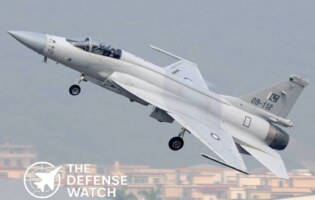
| Royal Air Force | Air policing, fighter interception, air defense |
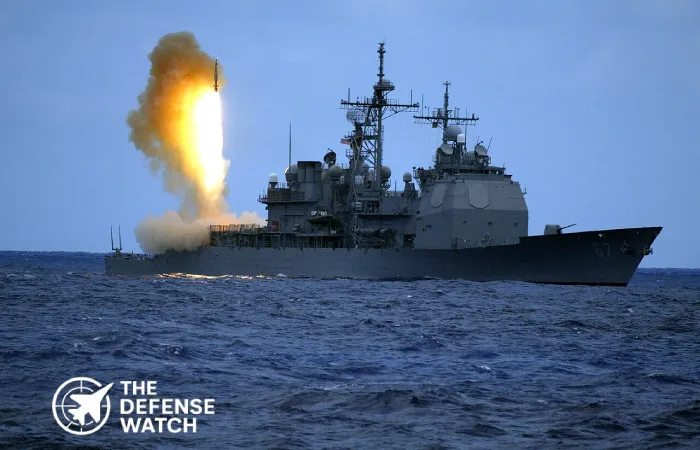
| Royal Navy | Maritime air and missile defense |
| British Army | Ground based air defense and missile protection |
| NATO Allies | Intelligence sharing, integrated warning, collective defense |
Officials said these assets operate together as a layered air and missile defense network designed to counter multiple threat types while remaining integrated with NATO command structures.
Why Iran Issued The Warning
The Iranian warning came shortly after Britain’s new government reaffirmed an existing agreement permitting U.S. forces to use British bases.
The UK government clarified that the arrangement covers U.S. defensive operations intended to reduce missile capabilities threatening commercial and military shipping in the Strait of Hormuz. British officials emphasized that these actions are conducted within international law and are intended to support regional stability rather than expand the conflict.
Officials also reiterated that Britain remains committed to protecting its citizens, allies, and national interests while avoiding unnecessary escalation.
Strategic Significance For NATO
Although the latest statement was brief, it carries broader strategic implications beyond the immediate exchange of warnings.
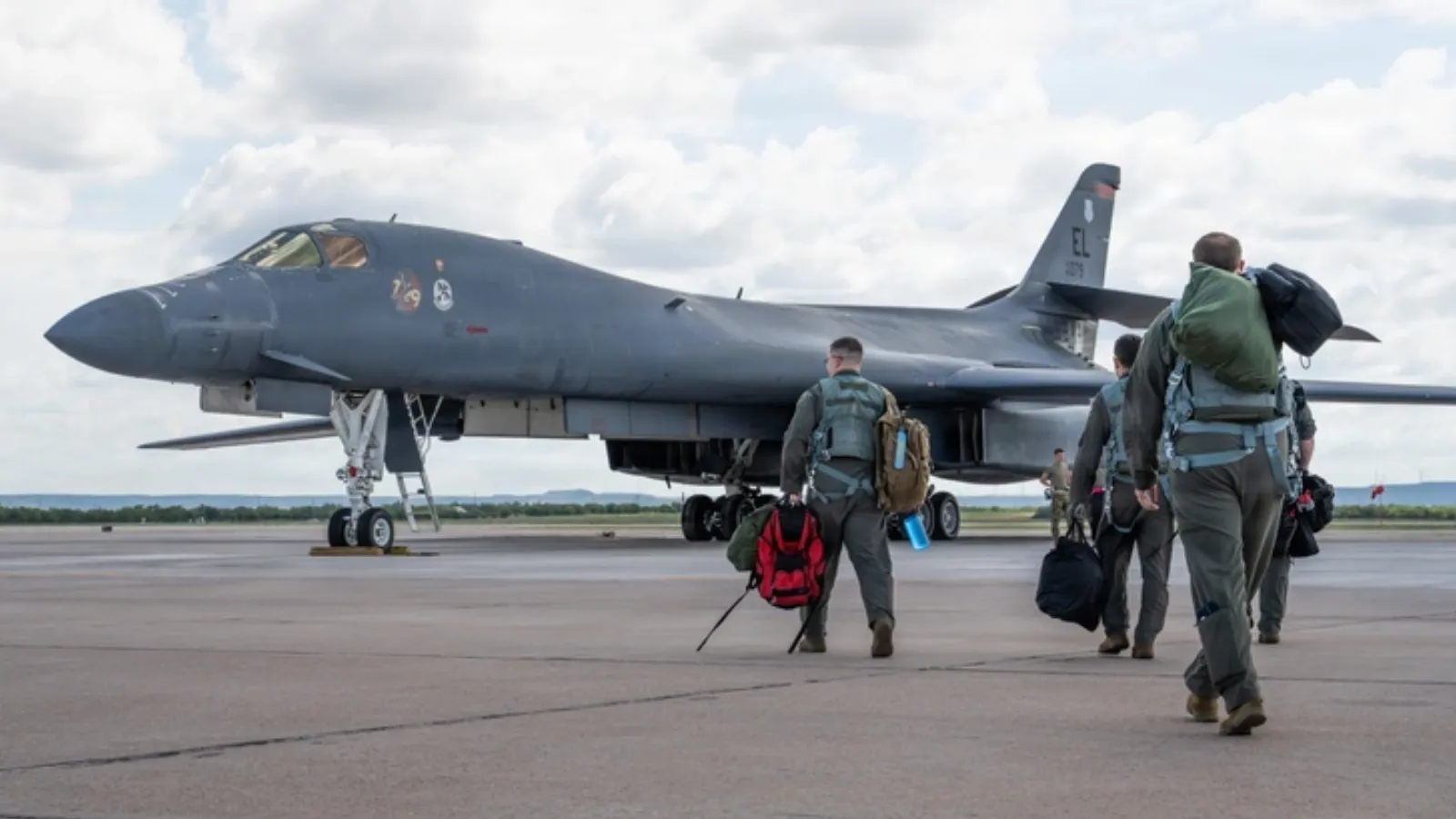
Britain hosts several military facilities that support NATO and U.S. operations across Europe and the Middle East. RAF Fairford, in particular, has long served as a key operating location for U.S. strategic bombers during contingency operations.
Publicly reaffirming military readiness serves several purposes:
- Signals continued political support for U.S. and NATO operations.
- Demonstrates confidence in Britain’s integrated air defense architecture.
- Reinforces deterrence against potential attacks on UK territory or overseas bases.
- Reassures allies that British commitments remain unchanged despite regional tensions.
For NATO planners, maintaining credible deterrence depends not only on military capability but also on political consistency. Public declarations of readiness can therefore play an important role in alliance messaging during periods of heightened tension.
Operational Implications For U.S. Military Missions
From an operational perspective, Britain’s continued support preserves important flexibility for U.S. military planning.
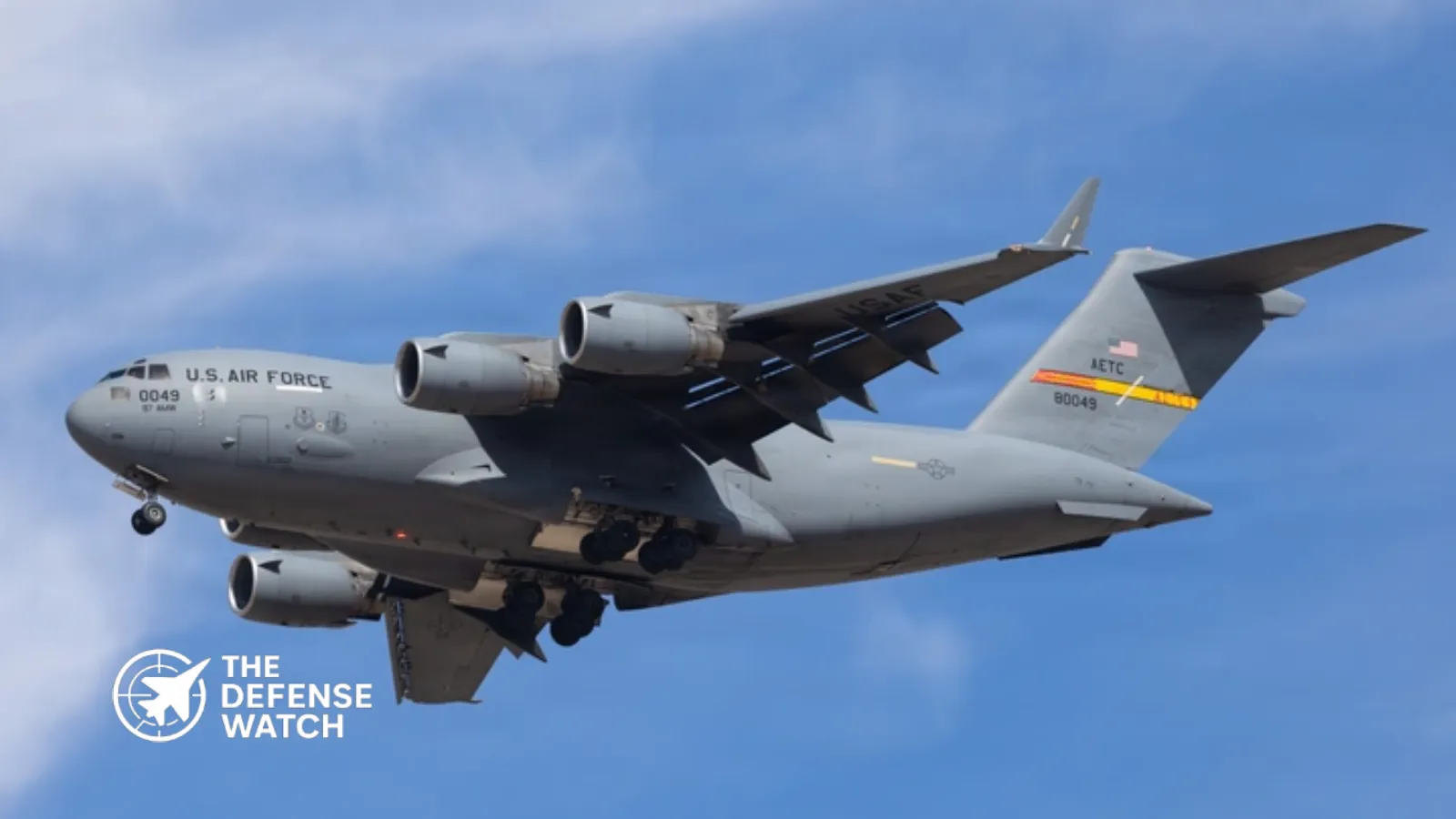
British airfields provide strategic access between North America, Europe, and the Middle East, allowing long range aircraft to conduct missions with shorter transit times than deployments originating solely from the continental United States.
This geographic advantage can improve:
- Operational reach
- Aircraft sortie generation
- Logistics efficiency
- Strategic responsiveness
Maintaining access to these facilities also strengthens interoperability between U.S. and British forces, a core feature of NATO’s collective defense framework.
Air And Missile Defense Remains A Growing Priority
The latest developments also reflect a broader trend among NATO members.
Recent conflicts have demonstrated the growing importance of defending against:
- Ballistic missiles
- Cruise missiles
- Long range drones
- Saturation attacks involving multiple weapon types
Rather than relying on a single interceptor system, modern air defense increasingly combines radar networks, fighter aircraft, naval air defense platforms, ground based missile systems, electronic warfare capabilities, and allied command networks.
Britain’s reference to a layered defensive approach aligns with this evolving doctrine, emphasizing integration across all military services rather than dependence on one platform.
What Happens Next
British officials indicated that no change has been made to the government’s overall policy.
London continues to support defensive U.S. military operations while maintaining that its actions comply with international law and are intended to avoid wider regional escalation. At the same time, the government has reiterated that the United Kingdom remains prepared to defend its territory and interests should threats emerge.
As tensions surrounding the Strait of Hormuz continue, Britain’s role as a key NATO ally and host of U.S. military infrastructure is likely to remain an important factor in regional security planning.