Executive Summary:
Lockheed Martin and RTX have raised their 2026 financial forecasts as the Pentagon increases pressure on defense manufacturers to replenish U.S. weapons inventories depleted by recent military operations and allied support efforts. Record order backlogs and expanding missile production illustrate a broader shift toward sustained defense industrial expansion across the United States and allied markets.
Pentagon Weapons Restocking Drives Lockheed Martin And RTX To Raise 2026 Outlook
Lockheed Martin and RTX have increased their 2026 revenue and profit guidance as growing Pentagon demand for missiles and air defense systems continues to reshape the U.S. defense industrial base.
- Pentagon Weapons Restocking Drives Lockheed Martin And RTX To Raise 2026 Outlook
- Missile Production Remains The Primary Growth Driver
- RTX Benefits From Defense And Commercial Aerospace Demand
- Lockheed Martin Backlog Reaches Record Levels
- Why Pentagon Restocking Matters
- Analysis: A Structural Shift In The U.S. Defense Industrial Base
- Outlook
The stronger outlook follows second quarter earnings from both companies and reflects sustained procurement driven by U.S. military requirements, allied modernization programs, and efforts to rebuild munitions inventories after years of high operational demand. Reuters first reported the updated forecasts on July 23.
Missile Production Remains The Primary Growth Driver
Lockheed Martin reported particularly strong growth in its Missiles and Fire Control business.
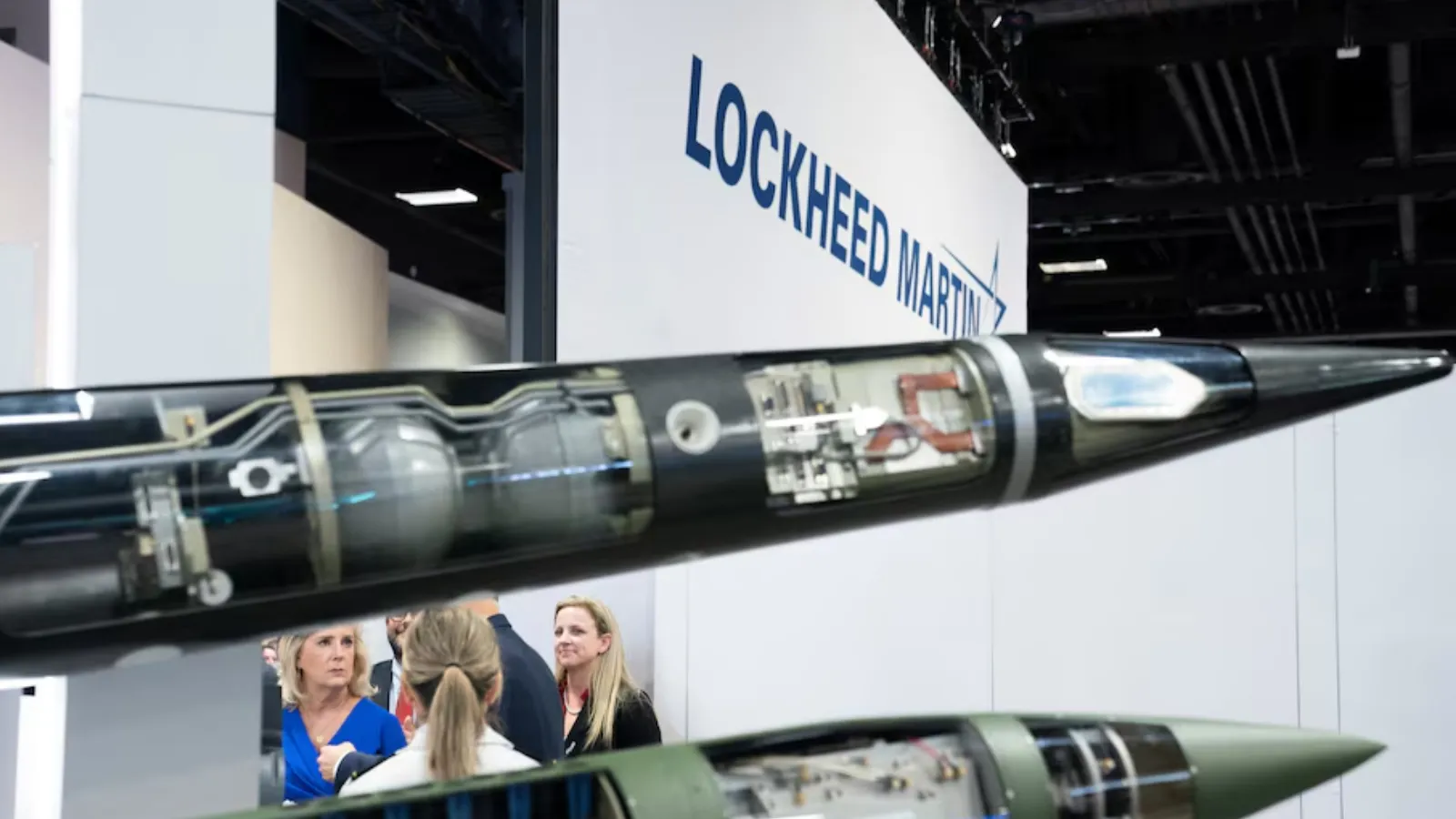
Revenue in the segment increased nearly 20 percent to approximately $4.1 billion, supported by higher production of:
- PAC-3 Missile Segment Enhancement interceptors
- Precision Strike Missiles (PrSM)
- THAAD missile interceptors
The company recently secured a major U.S. government agreement valued at approximately $35 billion to significantly expand THAAD interceptor production, providing additional long term manufacturing workload.
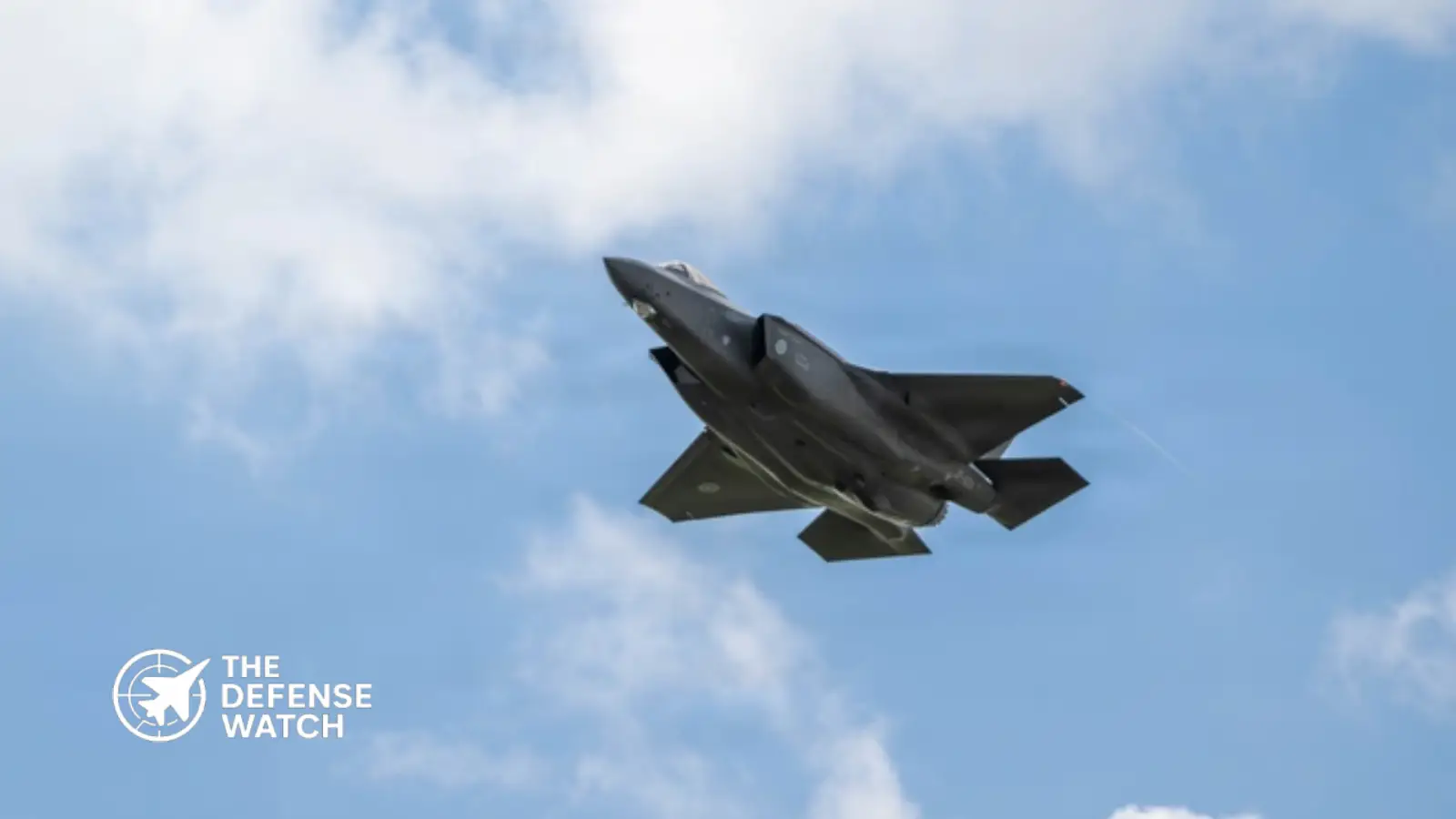
Sales also increased in Lockheed Martin’s Aeronautics business, where higher F-35 production contributed to improved quarterly performance.
RTX Benefits From Defense And Commercial Aerospace Demand
RTX also raised its full year expectations following strong performance across both defense and commercial aerospace businesses.
Its defense portfolio continued to benefit from demand for:
- Air defense systems
- Missile production
- Precision weapons
- Military sensors
At the same time, commercial aerospace remained strong because airlines continue operating older aircraft longer while waiting for new deliveries, increasing demand for maintenance and overhaul services.
RTX reported a total backlog of $289 billion, including:
| Segment | Backlog |
|---|---|
| Commercial Aerospace | $170 Billion |
| Defense | $119 Billion |
| Total | $289 Billion |
Lockheed Martin Backlog Reaches Record Levels
One of the clearest indicators of future production is backlog.
Lockheed Martin’s backlog climbed to approximately $230.4 billion, a year over year increase of more than 38 percent, reflecting both domestic procurement and international orders.
Updated Lockheed Martin Guidance
| Metric | Previous Guidance | Updated 2026 Guidance |
|---|---|---|
| Revenue | $77.5B to $80B | $79.75B to $81.75B |
| EPS | $29.35 to $30.25 | $29.95 to $30.65 |
| Backlog | $166.5B (prior year) | $230.4B |
RTX likewise increased its full year sales forecast to $95 billion to $96 billion while raising adjusted earnings guidance, citing continued strength across defense and aerospace operations.
Why Pentagon Restocking Matters
The higher forecasts are closely tied to the Pentagon’s broader effort to replenish precision munitions consumed during recent operations and ongoing security commitments.
Since 2022, the United States has supplied substantial quantities of military equipment to partners while also supporting its own operational requirements. These demands have highlighted the importance of maintaining larger inventories of advanced missiles and interceptors.
Senior Defense Department officials have repeatedly emphasized the need for industry to accelerate production rates, shorten delivery timelines, and invest in manufacturing capacity capable of supporting prolonged high demand.
Analysis: A Structural Shift In The U.S. Defense Industrial Base
The significance of these earnings extends beyond quarterly financial performance.
For decades, many major defense manufacturers optimized production for relatively stable procurement cycles. Today’s security environment increasingly favors sustained manufacturing capacity rather than temporary production surges.
Several long term trends are becoming apparent:
- Precision guided missile production is becoming a strategic national priority.
- Air defense interceptors remain among the Pentagon’s highest demand items.
- Long term procurement contracts are giving manufacturers greater confidence to expand factories and supplier networks.
- European allies continue increasing purchases of U.S. missile systems as NATO members modernize their inventories.
Record order backlogs at Lockheed Martin and RTX suggest demand extends well beyond immediate replenishment requirements. These backlogs provide production visibility for several years while encouraging investment throughout the broader supplier base, including propulsion manufacturers, electronics producers, and precision component suppliers.
Another notable development is the closer alignment between Pentagon procurement policy and industrial planning. Multi year agreements allow companies to expand facilities and workforce with greater confidence than annual procurement cycles traditionally permitted.
Although supply chain constraints have eased compared with previous years, scaling missile production remains technically challenging. Rocket motors, advanced seekers, specialized electronics, and energetic materials all require highly specialized suppliers whose expansion takes time. Consequently, increased funding alone does not immediately translate into higher production volumes.
For defense planners, these results indicate that rebuilding U.S. inventories is evolving into a multi year industrial effort rather than a short term procurement surge.
Outlook
Lockheed Martin and RTX’s updated forecasts reinforce expectations that missile production, air defense systems, and advanced military aircraft will remain central priorities for both the Pentagon and allied governments through the remainder of the decade.
With record order backlogs and continued government support for expanding manufacturing capacity, both companies appear positioned to play a central role in strengthening U.S. and allied defense readiness as global security requirements continue to drive sustained procurement activity.