Executive Summary:
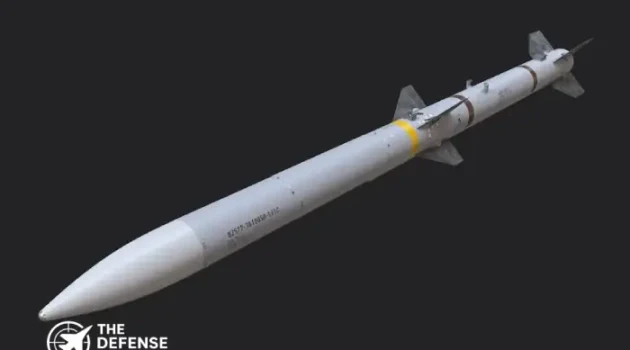
South Korea is seeking to acquire 70 AIM-120C-8 Advanced Medium Range Air-to-Air Missiles through a proposed $292 million U.S. Foreign Military Sales package. The procurement would enhance the Republic of Korea Air Force’s beyond-visual-range combat capability while reinforcing interoperability with U.S. forces amid evolving regional security challenges.
South Korea Seeks AIM-120C-8 Procurement To Strengthen Air Defense
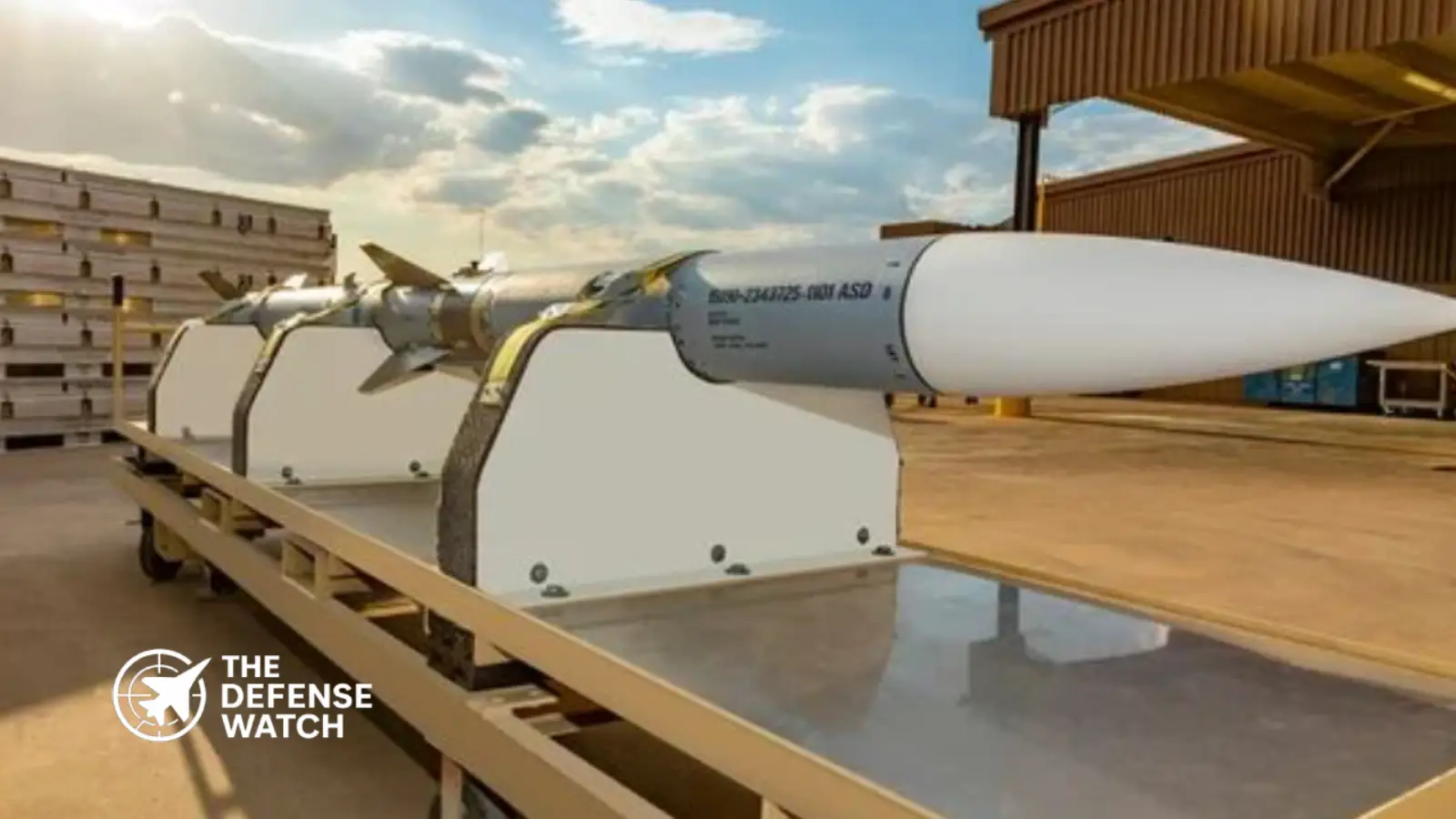
South Korea’s AIM-120C-8 procurement effort has advanced after the U.S. State Department approved a potential Foreign Military Sale (FMS) package valued at approximately $292 million. The proposed deal includes 70 AIM-120C-8 Advanced Medium Range Air-to-Air Missiles (AMRAAMs), two missile guidance sections, and associated support equipment. The package has been forwarded to the U.S. Congress for review.
According to the U.S. government notification, the acquisition also includes missile containers, control sections, spare parts, technical documentation, software, logistics support, and engineering services. RTX Corporation has been identified as the principal contractor for the program.
The proposed sale represents another step in South Korea’s long-term effort to modernize its air combat inventory and maintain readiness against increasingly sophisticated regional aerial threats.
What The AIM-120C-8 Brings To The Republic Of Korea Air Force
The AIM-120C-8 is the export variant of the AIM-120D AMRAAM, one of the most advanced beyond-visual-range air-to-air missiles in operational service today. Janes reports that the missile features an estimated range exceeding 160 kilometers and incorporates a Form, Fit, and Function Refresh (F3R) architecture that introduces upgraded processors and redesigned electronic components.
These improvements enhance missile processing capability, reliability, and long-term sustainment while preserving compatibility with existing launch platforms.
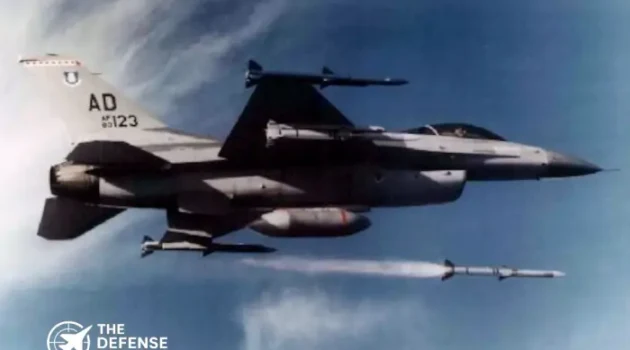
For the Republic of Korea Air Force (ROKAF), the AIM-120C-8 procurement could strengthen engagement capabilities against hostile aircraft before visual contact is established. The missile is compatible with several frontline South Korean combat aircraft, including the F-35A Lightning II, F-15K Slam Eagle, and upgraded KF-16 fighter fleets.
Strategic Significance Beyond The Missile Count
While the acquisition involves 70 missiles, the broader significance lies in sustaining South Korea’s qualitative air combat advantage.
The Korean Peninsula remains one of the world’s most heavily militarized regions. Beyond North Korea’s continued missile and military modernization programs, regional air forces across East Asia are fielding longer-range air-to-air weapons, advanced sensors, and fifth-generation combat aircraft.
Against that backdrop, modern air-to-air missile inventories are increasingly viewed as strategic assets rather than routine munitions stocks.
The proposed AIM-120C-8 procurement helps ensure that South Korean fighter aircraft can fully exploit the capabilities of advanced airborne sensors and networked battlefield systems. In modern air warfare, missile performance, sensor integration, and data sharing are often as important as aircraft performance itself.
The deal also reinforces interoperability between South Korean and U.S. forces, a key objective repeatedly highlighted by Washington in major defense cooperation programs. The U.S. State Department stated that the sale would improve South Korea’s ability to meet current and future threats while enhancing regional deterrence and interoperability with U.S. military forces.
Part Of A Broader Defense Modernization Strategy
The AIM-120C-8 procurement aligns with South Korea’s wider military modernization agenda, which includes investments in advanced fighters, missile defense systems, indigenous aerospace programs, and next-generation command-and-control networks.
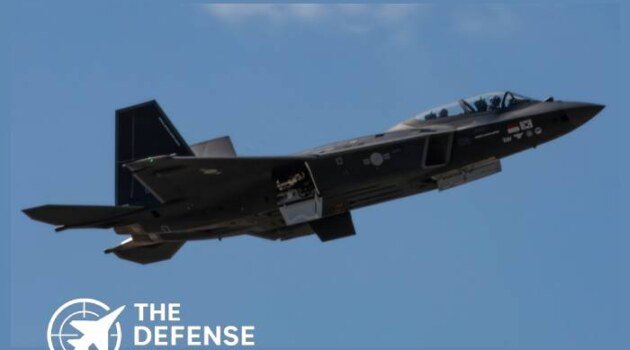
Seoul has simultaneously expanded development of the KF-21 Boramae fighter program while continuing to strengthen its F-35 fleet and integrated air defense architecture.
From a strategic perspective, acquiring additional AMRAAM inventories provides a relatively fast and cost-effective method of increasing combat readiness compared with major platform acquisitions that can take years to field.
Importantly, U.S. officials indicated that the proposed sale would not alter the fundamental military balance in the Indo-Pacific region, a standard assessment frequently included in Foreign Military Sales notifications.
Outlook
Congressional review remains the next major step before the AIM-120C-8 procurement can move forward under the Foreign Military Sales process. If finalized, the acquisition would provide South Korea with one of the most capable export versions of the AMRAAM family and further strengthen the country’s air defense posture.
As regional militaries continue to invest heavily in advanced fighter aircraft and long-range air combat systems, missile inventories are becoming an increasingly important measure of operational readiness. South Korea’s pursuit of additional AIM-120C-8 missiles reflects that reality and highlights the growing emphasis on maintaining air superiority in the Indo-Pacific security environment.
Executive Summary:
Sweden has awarded Saab a contract worth approximately 1.2 billion Swedish kronor to deliver sensor and command systems for brigade level ground based air defense. The systems will be delivered between 2029 and 2030 under a procurement managed by Swedish Defence Materiel Administration. The upgrade strengthens Sweden’s ability to detect, track, and engage evolving aerial threats at the tactical level.
Sweden Advances Brigade Level Air Defense With Saab GBAD Order
Sweden has expanded its ground based air defense capabilities through a new procurement of sensor and command and control systems from Saab. The contract, awarded by Swedish Defence Materiel Administration, is valued at approximately 1.2 billion Swedish kronor and supports the Swedish Army’s brigade level air defense architecture.
The order focuses on integrating radar surveillance and command systems designed to improve detection speed and response coordination against modern aerial threats. Deliveries are scheduled between 2029 and 2030, reflecting long term modernization planning for Sweden’s layered air defense network.
System Scope and Capability Focus
The procurement centers on two core components, sensors and command and control systems. These elements are designed to operate as a unified ground based air defense framework, improving situational awareness and engagement efficiency at brigade level.
Key capability areas include
- Expanded air picture generation for brigade commanders
- Faster target detection and classification
- Integrated engagement coordination across units
- Improved response to low altitude and fast moving aerial threats
The system builds on earlier deliveries to Sweden, reinforcing continuity in national air defense modernization rather than introducing a standalone capability.
Role of Giraffe AMB in Swedish Air Defense
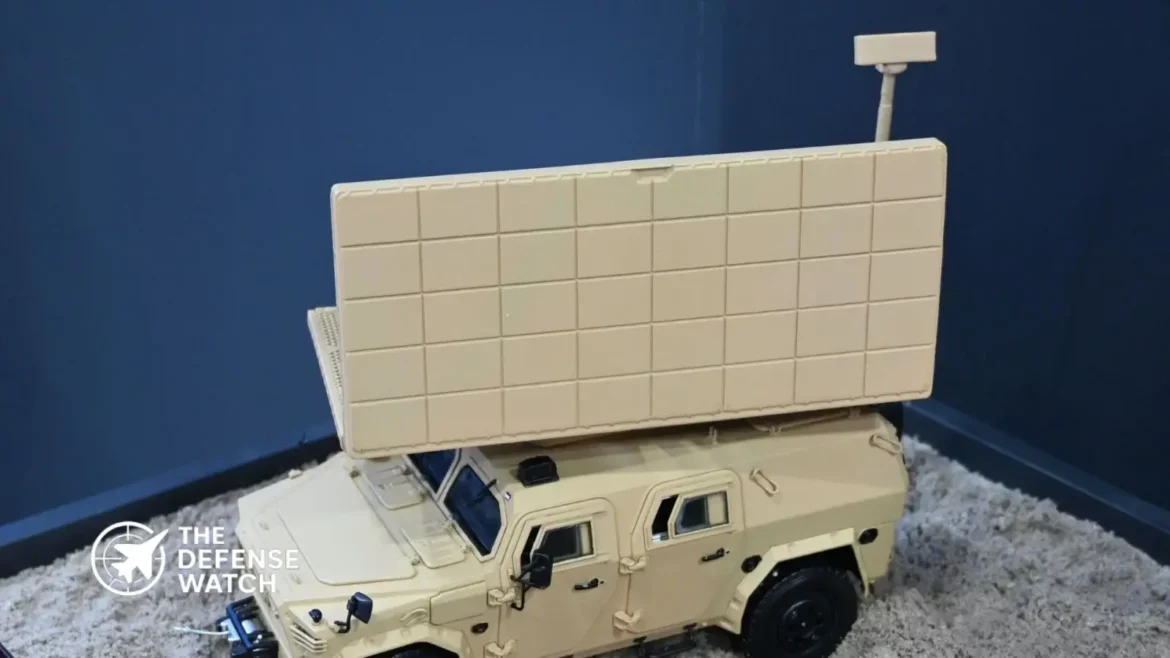
A central element of the system is Saab’s Giraffe AMB radar, a mobile surveillance platform designed for short to medium range air defense operations. The radar is paired with integrated command and control functionality, allowing operators to rapidly process airspace data and coordinate responses.
Giraffe AMB radar provides continuous airspace monitoring and supports identification of a wide range of aerial targets, including low flying aircraft and unmanned systems.
The integration of radar and command systems allows brigade level units to shorten decision cycles. This is increasingly important as modern air threats rely on speed, low observability, and coordinated multi axis approaches.
Technical and Operational Context
Ground based air defense systems are shifting toward networked architectures that combine sensors, command nodes, and firing units into a single operational picture. Sweden’s approach reflects this trend by strengthening the intermediate brigade layer rather than relying solely on strategic level systems.
Operational benefits include
- Reduced detection to engagement timelines
- Improved coordination between dispersed air defense units
- Greater resilience against electronic interference
- Enhanced tracking of unmanned aerial systems and cruise missiles
From an operational standpoint, brigade level GBAD systems are critical for protecting maneuver forces. They provide a protective envelope that enables ground forces to operate with reduced exposure to aerial threats.
Strategic Context for Sweden and NATO
Sweden’s investment in brigade level air defense aligns with broader European defense modernization efforts following increased concern over airspace security and contested electromagnetic environments.
The integration of Saab systems into Swedish Army brigades enhances interoperability with NATO air defense frameworks, particularly as Sweden deepens its defense integration following accession.
This procurement also highlights a shift toward distributed air defense rather than centralized systems. Instead of relying on a small number of high value platforms, modern doctrine emphasizes layered coverage across multiple mobile units.
Analysis: What This Means for Modern Air Defense Doctrine
The Saab contract reflects three broader shifts in air defense development.
First, detection speed is becoming as important as interceptor performance. Modern aerial threats, including drones and low observable cruise missiles, compress reaction windows. Systems like Giraffe AMB prioritize early detection and tracking stability under cluttered conditions.
Second, command and control integration is now a primary capability rather than a support function. The ability to fuse sensor inputs and distribute targeting data in real time determines whether air defense units can respond effectively in fast moving scenarios.
Third, brigade level autonomy is increasing. Instead of relying on centralized air defense headquarters, frontline units are being equipped with their own sensor and engagement coordination tools. This reduces vulnerability to communication disruption and improves survivability in dispersed battlefield conditions.
For Sweden, this procurement is less about introducing new technology and more about scaling an existing architecture into wider brigade coverage. That continuity reduces training burden and improves operational consistency across units.
Program Timeline and Delivery
The contract timeline extends from 2029 to 2030, indicating a phased rollout aligned with broader Swedish Army modernization cycles. This schedule allows for integration testing, training, and incremental deployment across multiple brigades.
Long lead times are common in air defense procurement due to system integration complexity and the need to synchronize sensors, command systems, and kinetic interceptors across multiple platforms.
Conclusion
Sweden’s latest GBAD procurement underscores a steady shift toward networked, brigade level air defense systems built around integrated radar and command architectures. By expanding the role of Saab’s sensor and control technologies, the Swedish Army is reinforcing its ability to respond to rapidly evolving aerial threats within a layered defense framework.
The program highlights a broader European trend toward distributed, mobile air defense systems designed to operate in contested and high tempo environments.
Executive Summary:
U.S. and U.K. forces conducted the Flytrap 5.0 counter-drone exercise to test and refine integrated air defense concepts against unmanned aerial threats. The drills aim to strengthen NATO’s eastern flank by improving detection, tracking, and neutralization of low-cost drones. The exercise reflects a growing need to counter massed UAV attacks observed in recent conflicts.
Overview of Flytrap 5.0 Counter-Drone Exercise
The Flytrap 5.0 exercise, held in 2026, brought together U.S. and U.K. military units to evaluate advanced counter-UAS (C-UAS) systems under realistic operational conditions. Conducted along NATO’s eastern flank, the exercise focused on defending forward-deployed forces against increasingly sophisticated and low-cost drone threats.
The drills emphasized integration across multiple domains, combining radar, electronic warfare, and kinetic interceptors into a unified defensive network. This layered approach reflects NATO’s shift toward adaptable, scalable air defense systems capable of addressing both high-end and asymmetric threats.
Key Objectives and Operational Focus
Enhancing Detection and Tracking Capabilities
Modern drones often operate at low altitude with small radar signatures. Flytrap 5.0 tested:
- Advanced short-range radar systems for low-observable UAV detection
- Passive sensors and RF detection tools for non-emitting targets
- AI-assisted tracking for improved target classification
Integrating Electronic Warfare Solutions
Electronic warfare (EW) played a central role in neutralizing drone swarms:
- Jamming of GPS and communication links
- Cyber intrusion techniques to disrupt UAV control systems
- Soft-kill options to reduce reliance on costly interceptors
Validating Kinetic Interception Systems
While EW is effective, kinetic solutions remain essential:
- Short-range air defense (SHORAD) missiles
- Rapid-fire gun systems with programmable ammunition
- Directed energy weapons under evaluation
Comparison: Modern C-UAS vs Legacy Air Defense Systems
| System Type | Range | Payload Capability | Status | Key Technology |
|---|---|---|---|---|
| Legacy SHORAD Systems | 5–15 km | Limited vs small UAVs | Operational | Radar-guided missiles |
| Modern C-UAS (Flytrap 5.0) | 0–10 km (layered) | Optimized for small drones | Active Testing | AI tracking, EW jamming, sensor fusion |
| Directed Energy Systems | <5 km | Effective vs swarms | Emerging | High-energy lasers |
Technical Advantages Demonstrated
Flytrap 5.0 highlighted several improvements over legacy systems:
- Layered defense architecture combining soft and hard kill options
- Reduced cost per engagement against low-value drone threats
- Faster response times through automated detection and tracking
- Greater interoperability between allied forces
- Scalability to counter swarm attacks
Strategic Context: NATO’s Eastern Flank and Drone Warfare
The exercise reflects lessons learned from recent conflicts where drones have played a decisive role. Low-cost UAVs have proven capable of:
- Overwhelming traditional air defenses
- Conducting reconnaissance and precision strikes
- Disrupting logistics and command networks
For NATO, the eastern flank represents a critical area where such threats could emerge rapidly. Flytrap 5.0 supports the alliance’s broader effort to modernize air defense doctrine, shifting from platform-centric systems to networked, adaptive defense ecosystems.
The integration of U.S. and U.K. capabilities also underscores the importance of interoperability in coalition operations. Standardized procedures and shared technologies are essential for rapid response in contested environments.
Implications for Future Air Defense Doctrine
Flytrap 5.0 is expected to influence NATO doctrine in several ways:
- Greater emphasis on counter-UAS specialization within air defense units
- Increased investment in electronic warfare and AI-enabled systems
- Development of cost-effective interception strategies
- Expansion of joint training exercises across allied nations
As drone technology continues to evolve, NATO’s ability to adapt its defensive posture will be critical to maintaining operational superiority.
Executive Summary:
The United Kingdom has conducted trials of its new SkyHammer interceptor missile in Jordan, aimed at enhancing its ability to counter drones and missile threats. The tests reflect growing urgency to deploy layered air defense solutions against increasingly complex aerial threats. The program underscores the UK’s focus on rapid-response interceptors for modern battlefields.
UK Conducts SkyHammer Interceptor Trials in Jordan
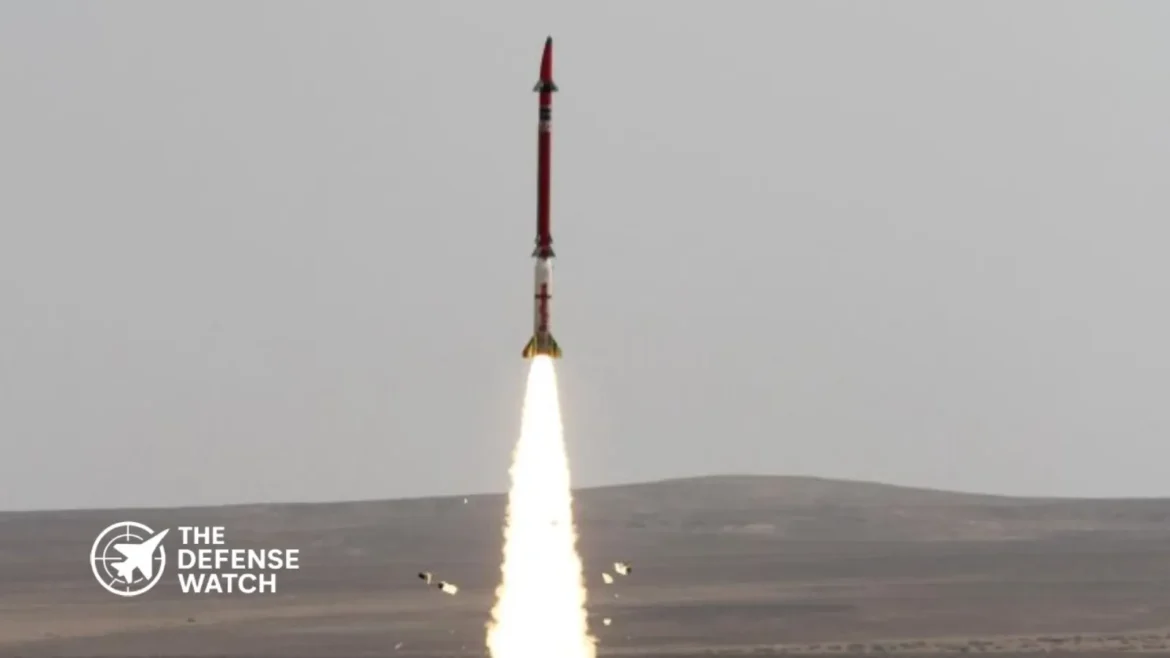
The United Kingdom has successfully tested its SkyHammer interceptor missile during a series of live-fire trials in Jordan, marking a significant step in the evolution of its short-range air defense capabilities.
The testing campaign, conducted in a desert environment similar to operational theaters, focused on validating the missile’s ability to intercept low-flying and fast-moving aerial threats, including unmanned aerial systems and cruise missiles. The trials form part of a broader UK effort to modernize its layered air defense architecture.
Jordan’s geography provides a realistic test environment, particularly for countering threats observed in Middle Eastern conflict zones where drones and loitering munitions are increasingly prevalent.
SkyHammer System Overview and Capabilities
The SkyHammer interceptor is designed as a rapid-reaction, short-range missile system optimized for high agility and precision engagement.
Key Technical Features
- High-speed interception capability against maneuvering aerial targets
- Advanced seeker technology for improved target tracking in cluttered environments
- Compatibility with mobile launch platforms, enabling rapid deployment
- Designed to counter UAS swarms, loitering munitions, and cruise missiles
- Integration into networked air defense systems for layered protection
The system emphasizes flexibility and survivability, addressing the need for mobile air defense units capable of operating in contested and dynamic environments.
Comparison with Legacy UK Air Defense Systems
| System | Range | Payload | Status | Key Technology |
|---|---|---|---|---|
| SkyHammer | Short-range (est. <20 km) | Hit-to-kill / proximity | In testing (2026) | Advanced seeker, high agility interceptor |
| Starstreak | Short-range (~7 km) | Kinetic darts | Operational | Laser beam riding guidance |
| CAMM (Land Ceptor) | Medium-range (~25+ km) | Fragmentation warhead | Operational | Active radar homing |
While systems like Starstreak and CAMM remain central to UK air defense, SkyHammer is positioned to fill a niche focused on counter-drone and high-density threat environments, where rapid reaction time is critical.
Role in Layered Air Defense Strategy
The SkyHammer program aligns with the UK’s broader shift toward layered air defense, where multiple systems operate in coordination to address threats across different ranges and altitudes.
Operational Advantages
- Enhances point defense for forward-deployed units
- Provides a cost-effective solution against low-cost aerial threats
- Improves resilience against saturation attacks
- Supports integration with NATO-compatible systems
By complementing existing systems, SkyHammer strengthens the UK’s ability to respond to modern air threats that are often small, fast, and difficult to detect.
Strategic Context: Rising Drone and Missile Threats
The development of SkyHammer comes amid a global surge in the use of unmanned systems and precision-guided munitions in conflict zones such as Ukraine and the Middle East.
Recent conflicts have demonstrated that:
- Low-cost drones can overwhelm traditional air defense systems
- Loitering munitions pose persistent threats to ground forces
- Existing systems may be cost-inefficient against mass attacks
The UK’s investment in SkyHammer reflects a recognition that future conflicts will require scalable and responsive interception capabilities, particularly for defending critical infrastructure and deployed forces.
Future Outlook and Deployment Prospects
Following the successful trials in 2026, SkyHammer is expected to move toward further evaluation and potential integration into UK and allied air defense networks.
Key next steps may include:
- Expanded testing against complex threat scenarios
- Integration with command and control systems
- Potential export opportunities to allied nations
If successfully fielded, SkyHammer could become a key component in countering emerging aerial threats, particularly in regions where asymmetric warfare and drone proliferation continue to reshape the battlefield.
Conclusion
The UK’s testing of the SkyHammer interceptor missile in Jordan signals a clear shift toward agile, cost-effective air defense solutions tailored for modern threats. As drone warfare and missile proliferation accelerate, systems like SkyHammer are likely to play a central role in future military operations and defense planning.
L3Harris AERIS X Positioned For Growing Allied Demand
AERIS X aircraft is being highlighted by L3Harris Technologies as allied governments look for faster and more affordable airborne early warning and control capabilities. The company says nations across Europe, the Indo-Pacific, the Middle East, and the Americas are reassessing aging surveillance fleets while regional air threats continue to expand.
- L3Harris is promoting the AERIS X airborne early warning and control aircraft to allied nations.
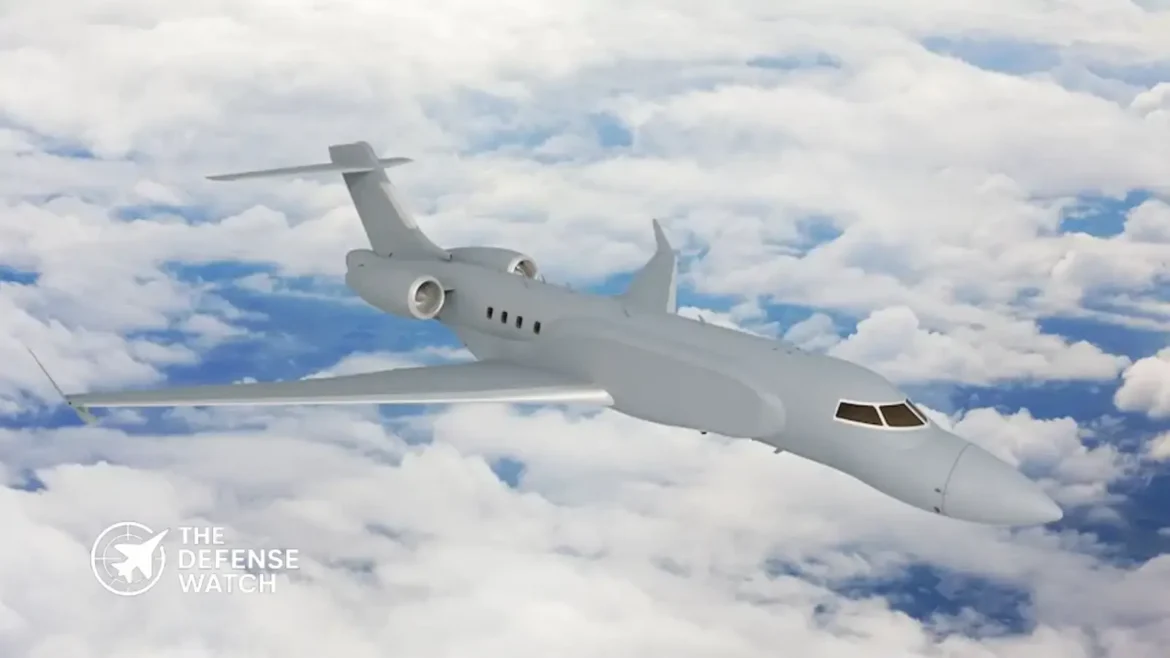
- The platform is based on the Bombardier Global 6500 business jet airframe.
- Company says the aircraft offers 360-degree AESA radar coverage and lower lifecycle costs.
- Demand is rising as countries seek protection from drones, cruise missiles, and ballistic threats.
- South Korea previously selected an L3Harris AEW&C solution valued above $2.26 billion.
The aircraft is built on the Bombardier Global 6500 business jet platform and is designed to provide airborne surveillance, battle management, and networked command functions. L3Harris argues that smaller missionized business jets can offer quicker delivery timelines and lower sustainment costs than larger legacy warning aircraft.
Why The Market Is Shifting
Many current airborne warning fleets were developed decades ago. Several operators now face maintenance pressure, limited aircraft availability, and expensive modernization programs. That creates an opening for new entrants like AERIS X aircraft.
The company says recent conflicts have shown the need for persistent detection against drones, low-observable threats, cruise missiles, and ballistic missiles. Those lessons are driving renewed interest in aircraft that can remain on station longer while feeding data to fighters, missile defenses, and command centers.
This reflects a broader defense trend. Instead of waiting years for bespoke programs, many governments are now seeking proven systems already near production.
Claimed Capabilities Of AERIS X
According to L3Harris, the platform includes an Active Electronically Scanned Array radar with full 360-degree coverage and improved resistance to jamming. The company also says the jet can operate at higher altitudes and longer ranges than some competing platforms, improving radar horizon and time on mission.
The aircraft is also marketed as suitable for fifth-generation force integration, including data sharing with stealth fighters and coalition assets. For countries investing heavily in advanced combat aircraft, that interoperability pitch is likely central to future sales efforts.
South Korea Selection Boosts Credibility
One of the strongest indicators of market traction came in 2025 when South Korea selected an L3Harris-led AEW&C solution worth more than $2.26 billion. The program will deliver modified Global 6500 aircraft for the Republic of Korea Air Force.
That win matters because South Korea evaluated multiple competitors while facing a demanding regional threat environment. Export customers often view previous international selections as evidence of maturity and reduced program risk.
Strategic Outlook
The push behind AERIS X aircraft highlights how airborne surveillance is evolving. Instead of relying only on large and expensive AWACS-style fleets, more countries may adopt smaller jets with advanced sensors and lower operating costs.
If L3Harris can convert interest into additional contracts, AERIS X could become a serious competitor in the next generation AEW&C market.
Leidos U.S. Army Contract Expands IFPC Air Defense Production
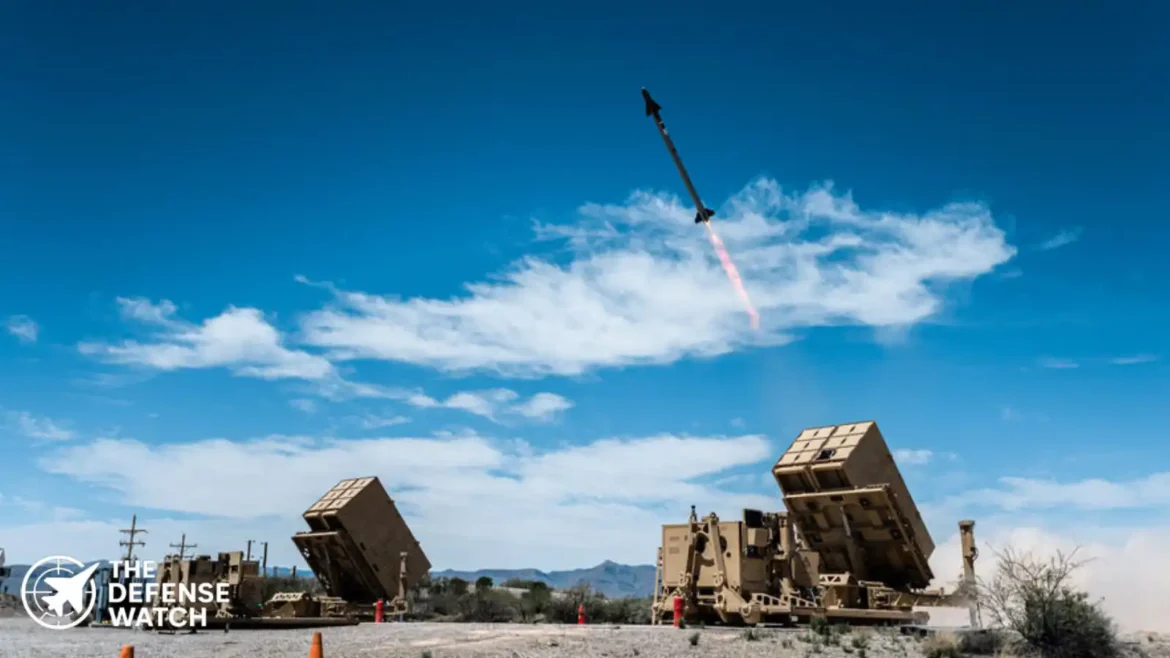
The Leidos U.S. Army contract announced on April 23 gives the Pentagon another major step toward rebuilding short and medium range air defense capacity. According to an official company statement, Leidos said the $617 million U.S. Army award will fund additional launchers for the Indirect Fire Protection Capability Increment 2 (IFPC Inc 2) system, described as the Army’s newest mobile, ground based air defense platform. The company added that, combined with $356 million awarded in July and September 2025, Leidos now holds nearly $1.2 billion in production contracts tied to the program.
- :contentReference[oaicite:0]{index=0} received a $617 million U.S. Army award for additional IFPC Increment 2 launchers.
- Total disclosed Army production awards tied to the program now approach $1.2 billion.
- IFPC Inc 2 is designed to defeat cruise missiles, drones, rockets, artillery and mortar threats.
- More than 100 launchers are now committed for delivery, according to Leidos.
- The award reflects wider Pentagon efforts to rebuild air defense and munitions capacity.
The new award follows earlier 2025 contracts worth $356 million, bringing Leidos’ disclosed Army production awards for the program to nearly $1.2 billion. Company statements also said more than 100 launchers are now committed for delivery.
What Is IFPC Inc 2?
The IFPC Inc 2 system is one of the Army’s most important modernization efforts in ground based air defense. It is intended to protect fixed and semi fixed sites against threats that traditional short range systems may struggle to handle.
Those threats include:
- Cruise missiles
- Unmanned aerial systems
- Rockets
- Artillery rounds
- Mortars
The system fills a key layer between maneuver air defense units and larger strategic assets such as Patriot missile system and THAAD.
Why This Contract Matters Now
The timing is notable. The Pentagon has spent the past year pushing industry to increase output after sustained global demand for missiles, interceptors, and air defense systems. Reuters previously reported framework deals with major defense firms to accelerate weapons production and place U.S. forces on a stronger wartime footing.
That makes the Leidos U.S. Army contract more than a single procurement action. It also signals three wider priorities:
- Stockpile resilience
The U.S. wants deeper inventories after years of high consumption and foreign military support packages. - Counter drone defense
Cheap drones have changed battlefield economics, forcing demand for layered defenses. - Industrial scale-up
Multi year awards help contractors hire labor, secure suppliers, and expand production lines.
Industrial Base Signal
The timeline through 2029 is also important. Multi year production visibility gives suppliers confidence to invest in workforce expansion, components, and manufacturing capacity. For the Pentagon, that can shorten delivery timelines and reduce future procurement risk.
Strategic Outlook
IFPC Inc 2 could become one of the Army’s most in-demand air defense assets through the late 2020s. The latest award supports ongoing research, testing, and possible future orders through 2029, according to Leidos.
China NI-HP1000 High-Power Microwave System Highlights Counter-Drone Push
The China NI-HP1000 high-power microwave system reflects Beijing’s growing focus on defeating drone swarms with directed-energy weapons. Coverage of DSA 2026, Chinese industry is presenting the NI-HP1000 as a mobile system built to neutralize unmanned aerial threats by attacking onboard electronics rather than relying on conventional interceptors.
- China is promoting the NI-HP1000 high-power microwave system as a counter-drone solution at DSA 2026.
- The system is designed to disable drone electronics using directed microwave energy rather than missiles.
- High-power microwave weapons are seen as useful against multiple drones in a single engagement.
- China is expanding exports of non-kinetic air defense systems alongside laser weapons.
- Global militaries are accelerating similar programs to counter low-cost drone swarms.
That matters because low-cost drones have changed battlefield economics. Small unmanned aircraft can be produced cheaply, launched in large numbers, and used to overwhelm expensive missile defenses. Militaries worldwide are now searching for lower-cost counters that can engage many targets quickly.
What The NI-HP1000 Is Designed To Do
High-power microwave weapons emit concentrated electromagnetic energy intended to disrupt or damage electronic components. In counter-drone missions, that can include flight controls, communications links, navigation systems, or payload electronics.
Unlike a missile that destroys one target at a time, microwave systems are often marketed as area-effect defenses. If several drones enter the engagement zone, multiple systems may be affected at once. That makes them especially relevant against swarm tactics.
China has already publicized similar systems. Earlier reporting on the Chinese Hurricane 3000 said it could engage light drones and swarms beyond 3 kilometers, suggesting sustained Chinese investment in this technology field.
Why China Is Showing It Now
The NI-HP1000 appears as countries reassess air defense after conflicts in Ukraine, the Middle East, and the Red Sea demonstrated the scale of drone threats. Cheap one-way attack drones and quadcopters have forced militaries to spend costly interceptors on low-value targets.
That creates a clear demand for systems with:
- Lower cost per shot
- Fast repeat engagement cycles
- Deeper magazines than missile launchers
- Ability to counter grouped targets
- Mobility for base and field defense
China’s defense industry likely sees export potential in that market, particularly among states seeking affordable layered air defense options.
How It Compares With U.S. Efforts
The United States is also investing heavily in microwave counter-drone systems. Recent reporting highlighted accelerated U.S. work on high-powered microwave and laser weapons to defeat mass drone attacks over the next several years.
This shows a wider trend: major powers increasingly agree that traditional missile-only air defense is too expensive for persistent drone warfare.
Where missiles remain essential against aircraft and ballistic threats, microwave systems may fill the lower tier by handling smaller unmanned targets.
Limits And Real Battlefield Questions
Despite the promise, directed-energy systems still face real constraints:
- Power generation requirements
- Weather and environmental effects
- Line-of-sight limitations
- Integration with radar and command networks
- Effectiveness against hardened electronics
Those factors mean the NI-HP1000 is more likely to complement existing air defenses than replace them.
Strategic Takeaway
The China NI-HP1000 high-power microwave system signals that counter-drone warfare is entering a new phase. Instead of firing expensive missiles at every low-cost UAV, militaries are moving toward scalable electronic defeat systems.
For China, showcasing the NI-HP1000 is about more than one product. It demonstrates that Beijing wants a larger role in the future market for directed-energy air defense, where demand is rising fast and battlefield lessons are reshaping procurement priorities.
Argentina Receives INVAP RPA-200M Radars In Major Air Defense Upgrade
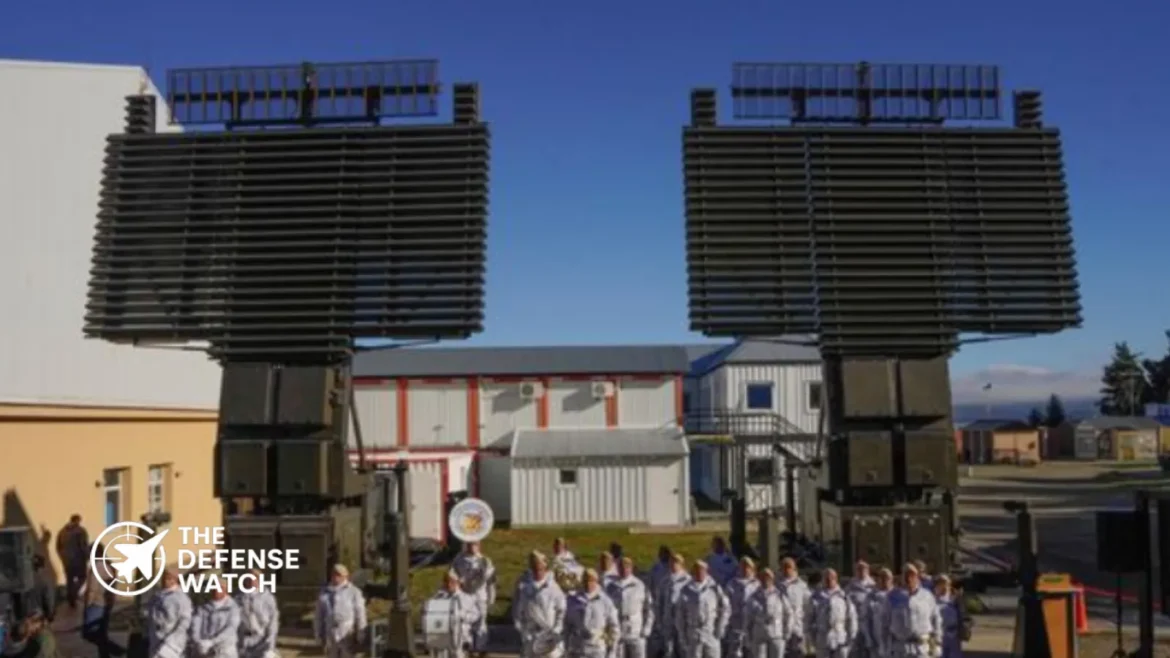
INVAP RPA-200M radar systems have officially entered Argentine Army service after local defense technology company INVAP delivered two mobile surveillance units on April 15. The handover marks one of Argentina’s most significant recent ground-based air defense sensor upgrades.
The radars were purchased by Argentina’s Ministry of Defence in 2022 for roughly $23 million, a package that also included spare parts, training support, and a simulator for operators.
- Argentina’s INVAP delivered two RPA-200M mobile surveillance radars to the Argentine Army on April 15, 2026.
- The systems were acquired in 2022 under a contract worth about $23 million, including training, spares, and a simulator.
- The radars replace legacy Cardion AN/TPS-44 Alert MK II systems purchased in the 1980s.
- RPA-200M is a mobile 3D radar designed to track more than 1,000 targets simultaneously.
- Delivery supports Argentina’s broader push to modernize domestic defense technology.
The new systems replace aging Cardion AN/TPS-44 Alert MK II radars that date back to the 1980s, underscoring how overdue the modernization effort had become.
What The RPA-200M Brings To The Battlefield
The INVAP RPA-200M radar is described as a mobile three-dimensional air surveillance system built for rapid deployment. It is designed to detect and track more than 1,000 targets simultaneously, a major jump in situational awareness compared with older analog-era systems.
The radar reportedly integrates:
- ADS-B cooperative tracking sensor
- IFF identification system
- 3D primary surveillance radar
- Digital beamforming
- GaN amplification technology
- Electronic counter-countermeasures for jamming environments
- Modular software-driven architecture
A full system can be packed into a 20-foot ISO container and transported by trailer, helicopter, or Lockheed C-130 Hercules aircraft, giving the Argentine Army a more expeditionary sensor capability.
Why This Matters Beyond Two Radars
While two radars may sound modest, this delivery is strategically important for three reasons.
1. Replacing Legacy Gaps
Many Latin American militaries still operate sensors acquired decades ago. Replacing 1980s equipment with modern digital radars improves readiness, reliability, and maintainability.
2. Domestic Industrial Capability
Unlike many regional procurements that rely entirely on imports, Argentina sourced these systems from a domestic manufacturer. That can reduce long-term sustainment costs and preserve sovereign control over upgrades, software, and support.
3. Wider Airspace Security Missions
Modern mobile radars are not limited to wartime air defense. They can support border monitoring, counter-smuggling operations, disaster response, and temporary coverage during infrastructure outages.
Regional Context
South America has seen a gradual but steady push toward modernized surveillance networks as governments confront illegal air traffic, border crime, and aging military inventories. Argentina’s INVAP RPA-200M radar delivery fits that trend, especially as Buenos Aires also pursues wider force modernization programs.
For U.S. readers, the move highlights a broader reality: defense modernization in the Western Hemisphere increasingly includes indigenous industry, not only foreign imports.
Bottom Line
The arrival of the INVAP RPA-200M radar gives Argentina a more mobile, modern, and resilient air surveillance capability. Just as important, it shows that domestic defense firms can still deliver meaningful strategic systems in a budget-constrained environment.
RAF Tests Low Cost Typhoon Weapon Against Drone Threats
The Typhoon low cost weapon test marks a significant step in adapting modern fighter aircraft to counter the growing threat posed by unmanned aerial systems, according to reporting from UK Defence Journal.
The Royal Air Force has conducted trials of a new low cost weapon integrated onto the Eurofighter Typhoon, aimed specifically at defeating drones in a more cost effective manner. The initiative reflects a broader shift across Western air forces, which are increasingly seeking scalable solutions to counter large numbers of low cost aerial threats.
Unlike traditional air to air missiles, which can cost hundreds of thousands or even millions of dollars per shot, the new system is designed to provide a more economical option when engaging relatively inexpensive drones.
- The RAF has tested a new low cost weapon on the Typhoon to counter emerging drone threats.
- The system is designed to provide an affordable alternative to expensive air to air missiles.
- The test reflects growing concern over mass drone attacks in modern conflicts.
- Typhoon’s integration highlights a shift toward scalable and sustainable air defense solutions.
- The development aligns with broader Western efforts to adapt fighter aircraft to counter UAV swarms.
Addressing The Cost Imbalance In Air Combat
One of the central challenges in modern air defense is the cost imbalance between offensive and defensive systems. Adversaries can deploy large numbers of low cost drones, forcing defenders to expend high value munitions to neutralize them.
The Typhoon low cost weapon test directly addresses this issue. By equipping frontline fighters with cheaper intercept options, the RAF aims to preserve its high end missile inventory for more advanced threats such as enemy aircraft or cruise missiles.
This approach has become increasingly relevant following recent conflicts where drone swarms have overwhelmed traditional air defense systems. Lessons from Ukraine and the Middle East have underscored the need for layered, cost efficient responses.
Expanding Typhoon’s Operational Role
The integration of a low cost weapon also expands the operational flexibility of the Typhoon platform. Traditionally optimized for air superiority and strike missions, the aircraft is now being adapted for persistent counter drone operations.
This evolution reflects a broader trend in airpower doctrine. Fighters are no longer limited to high intensity engagements against peer adversaries. Instead, they are expected to operate across a spectrum of threats, including irregular and asymmetric challenges.
By incorporating affordable interceptors, the Typhoon can remain on station longer and engage multiple targets without rapidly depleting expensive munitions. This is particularly important in scenarios involving sustained drone activity.
Strategic Implications For NATO Air Forces
The Typhoon low cost weapon test has implications beyond the United Kingdom. NATO air forces are facing similar challenges, especially as drone proliferation accelerates across multiple regions.
Developing cost effective countermeasures is becoming a priority. High end systems alone are not sufficient to address the volume and diversity of modern aerial threats. Instead, a layered approach combining advanced missiles, electronic warfare, and low cost interceptors is emerging as the preferred model.
The RAF’s effort could serve as a template for other operators of the Typhoon and similar aircraft. If successfully fielded, the system may be adopted more widely across allied fleets.
Industry And Technology Considerations
While specific technical details of the low cost weapon remain limited, the concept aligns with ongoing industry efforts to develop modular, adaptable munitions. These systems often emphasize reduced unit cost, simplified guidance, and rapid production.
The focus is not necessarily on achieving the same performance as high end missiles, but rather on delivering sufficient capability against lower tier threats. This trade off is increasingly seen as acceptable given the operational context.
Additionally, integrating such weapons onto existing platforms like the Typhoon avoids the need for entirely new systems, accelerating deployment timelines and reducing overall costs.
Analysis: A Shift Toward Sustainable Air Defense
The Typhoon low cost weapon test highlights a broader transformation in air warfare. The emphasis is shifting from purely technological superiority to sustainable combat operations.
Air forces must now consider not only whether they can defeat a threat, but whether they can do so repeatedly and affordably over time. This is especially critical in prolonged conflicts where resupply and production capacity become decisive factors.
In this context, low cost weapons are not just a tactical innovation. They represent a strategic necessity. By enabling fighters to counter drones without exhausting high value munitions, they help ensure long term operational resilience.
The RAF’s initiative suggests that future air combat will be defined as much by economics and scalability as by performance.
UK Typhoon Fighter Jets Sustain Continuous Air Defense In Middle East
UK Typhoon fighter jets are maintaining continuous air defense operations across the Middle East, reinforcing the United Kingdom’s forward-deployed military posture in a region marked by persistent instability and evolving aerial threats.
the Royal Air Force has deployed Eurofighter Typhoon aircraft alongside Wildcat helicopters to conduct sustained patrols, surveillance, and rapid response missions. These operations are designed to ensure airspace security, protect allied assets, and deter potential adversaries.
The presence of UK Typhoon fighter jets reflects a broader effort by London to maintain operational readiness and strategic influence in key theaters, particularly amid heightened tensions involving state and non-state actors across the region.
- UK Typhoon fighter jets are conducting continuous air defense patrols across the Middle East.
- Wildcat helicopters are supporting maritime and regional security operations alongside fighter jets.
- The deployment reflects sustained UK military presence in response to evolving regional threats.
- Operations include air policing, surveillance, and rapid response capabilities.
- The mission underscores NATO-aligned commitments and UK strategic interests in the region.
Integrated Air And Maritime Security Operations
The deployment combines air superiority fighters with rotary-wing platforms, creating a layered defense approach. Typhoon jets provide high-speed interception and air policing capabilities, while Wildcat helicopters support maritime surveillance and close-range operational tasks.
This integration enhances situational awareness across both air and sea domains. Wildcat helicopters are particularly suited for operations in littoral environments, offering flexibility in monitoring shipping lanes and supporting naval forces.
Such combined operations indicate a shift toward multi-domain coordination, where air and maritime assets operate in tandem to address complex security challenges. This approach aligns with modern NATO doctrines emphasizing interoperability and rapid response.
Strategic Context Behind UK Air Defense Deployment
The continued presence of UK Typhoon fighter jets in the Middle East comes at a time of increased regional volatility. Ongoing conflicts, drone proliferation, and missile threats have heightened the demand for persistent air defense coverage.
British forces have historically played a role in coalition operations across the Middle East, including counterterrorism missions and air policing tasks. The current deployment builds on that legacy while adapting to newer threats such as unmanned aerial systems and low-altitude cruise missiles.
From a strategic standpoint, maintaining continuous air patrols allows the UK to project power, reassure allies, and respond quickly to emerging crises. It also strengthens partnerships with regional and international forces operating in the same theater.
Operational Role Of Typhoon Fighter Jets
The Eurofighter Typhoon is a multi-role combat aircraft capable of both air-to-air and air-to-ground missions. In the context of Middle East operations, its primary role centers on air defense, including intercepting unidentified aircraft and maintaining airspace integrity.
Equipped with advanced radar systems and beyond-visual-range missiles, Typhoon jets are well-suited for detecting and neutralizing potential threats at extended distances. Their speed and agility allow for rapid deployment across wide operational areas.
The aircraft’s ability to integrate with allied command and control systems further enhances its effectiveness in coalition environments. This interoperability is critical in a region where multiple nations conduct overlapping operations.
Wildcat Helicopters Add Tactical Flexibility
Wildcat helicopters complement the capabilities of UK Typhoon fighter jets by providing close-range surveillance and support functions. Operating from both land bases and naval platforms, these helicopters play a key role in monitoring maritime activity and supporting ground forces.
Their advanced sensors enable real-time intelligence gathering, which can be shared with other assets in the operational network. This contributes to a more comprehensive picture of the battlespace.
In scenarios involving asymmetric threats, such as small boats or low-flying drones, Wildcat helicopters offer a flexible and responsive option that fixed-wing aircraft may not fully address.
Analysis: Sustained Presence Signals Long-Term Commitment
The continuous deployment of UK Typhoon fighter jets suggests a long-term commitment rather than a short-term response. This reflects a recognition that Middle East security challenges are persistent and require ongoing engagement.
From an operational perspective, maintaining continuous air patrols places demands on logistics, personnel, and maintenance cycles. This indicates a high level of prioritization within UK defense planning.
The integration of Typhoon jets and Wildcat helicopters also highlights a trend toward adaptable force structures. Instead of relying solely on high-end platforms, the UK is employing a mix of capabilities to address a spectrum of threats.
Moreover, the deployment serves as a deterrent signal. By maintaining a visible and capable presence, the UK aims to discourage hostile actions while supporting stability in a strategically vital region.