

(adsbygoogle = window.adsbygoogle || []).push({});Executive Summary:
Airbus has launched a new industrial consortium called Team Gen 6 after the collapse of the Franco-German-Spanish FCAS fighter program. The initiative aims to preserve European sixth-generation fighter development capability under a German-led framework. The move reflects widening fractures in Europe’s previous joint combat aircraft effort and a shift toward nationally anchored industrial programs.
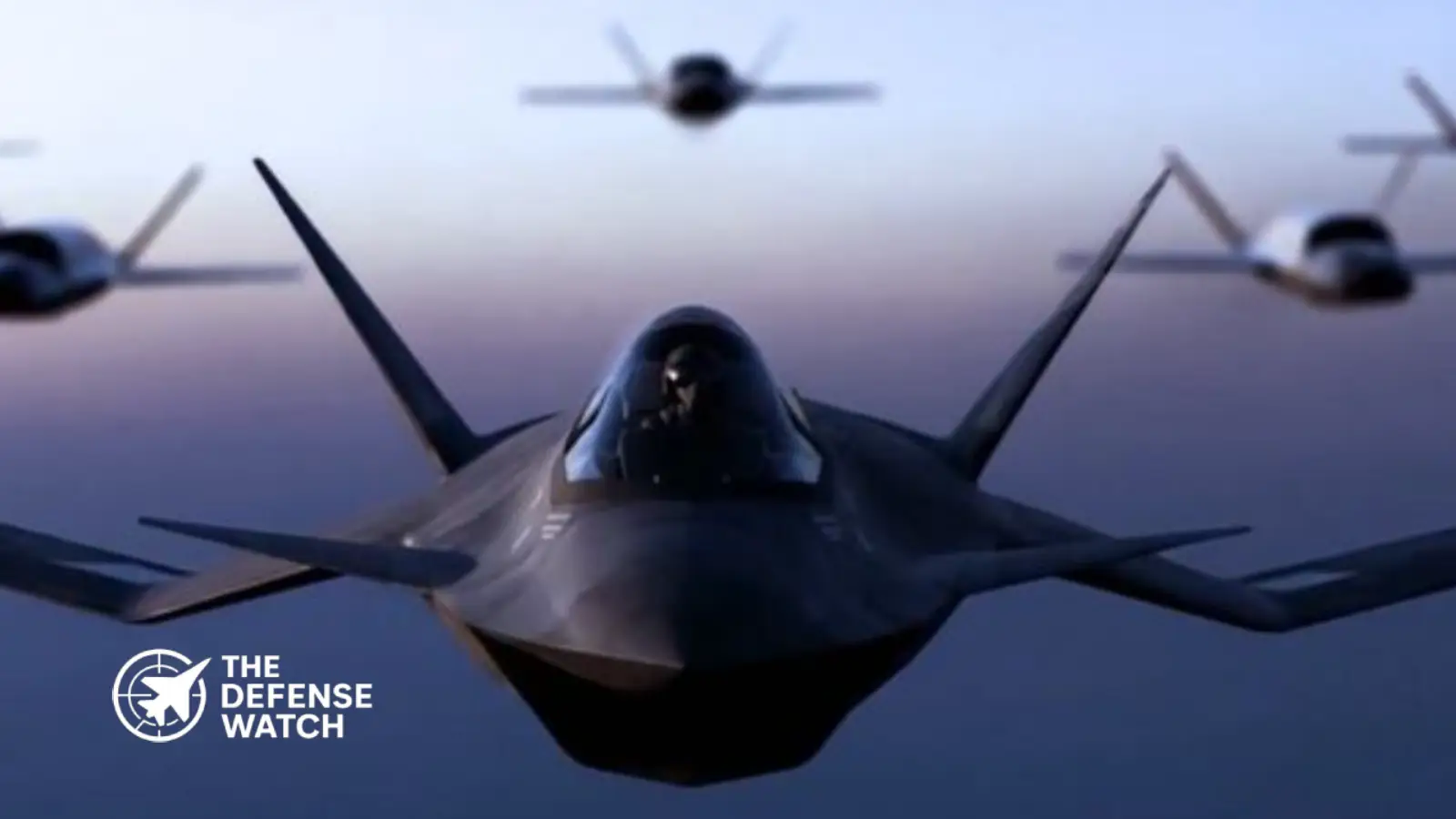
Airbus Team Gen 6 Sixth Generation Fighter Emerges After FCAS Collapse
The Airbus Team Gen 6 sixth generation fighter initiative marks a major reset in European combat aircraft development following the breakdown of the FCAS program. The announcement was made during the ILA Berlin 2026 air show, where Airbus and a group of German and European defense firms outlined a new path forward for next-generation air combat capability.
According to reporting from defense media at ILA Berlin and industry statements, the move follows the effective end of the Franco-German-Spanish New Generation Fighter effort after sustained disagreements over leadership, design authority, and industrial workshare.
FCAS Collapse Reshapes European Fighter Development
The Future Combat Air System was originally launched in 2017 as a trilateral effort between France, Germany, and Spain to develop a sixth-generation fighter ecosystem centered on a manned aircraft, unmanned teaming systems, and a digital combat cloud.
However, long-running disputes between industrial partners ultimately stalled progress. The breakdown between Airbus Defence and Space and Dassault Aviation over program leadership and design authority became a key factor in the program’s collapse.
Recent reporting confirms that European governments effectively ended the manned fighter component of FCAS in early June 2026, clearing the way for alternative national and industrial approaches.
This outcome has left a capability gap in Europe’s planned next-generation air combat roadmap, particularly as peer competitors accelerate their own sixth-generation efforts.
(adsbygoogle = window.adsbygoogle || []).push({});Airbus Team Gen 6 Consortium Structure and Goals
In response, Airbus has formed an eight-company industrial alliance under the Team Gen 6 banner. The group includes:
- Airbus Defence and Space
- MBDA
- Hensoldt
- Diehl Defence
- MTU Aero Engines
- Liebherr
- Autoflug
- Rohde & Schwarz
The consortium is positioning itself as a Germany-centered industrial base for a future sixth-generation fighter aircraft program.
Initial statements indicate the group has already submitted a position paper to German defense authorities outlining its vision for a next-generation combat aircraft and urging timely procurement decisions.
The initiative reflects an effort to retain key aerospace engineering and defense technology skills within Europe, particularly in avionics, propulsion, sensors, and systems integration.
(adsbygoogle = window.adsbygoogle || []).push({});Strategic Shift Away From Multinational Dependence
The emergence of Airbus Team Gen 6 signals a broader shift in European defense procurement dynamics.
Instead of a tightly integrated multinational fighter program, Europe now appears to be moving toward parallel national or regional development paths. Germany is emerging as the primary anchor for the new effort, while France is expected to pursue alternative options following the FCAS breakdown.
Defense analysts note that this fragmentation increases short term industrial competition but may also accelerate parallel innovation streams across European aerospace firms.
At the same time, policymakers in Berlin are reportedly evaluating multiple options, including participation in other international programs or additional procurement of fifth generation aircraft to bridge capability gaps.
(adsbygoogle = window.adsbygoogle || []).push({});Industrial and Strategic Implications
The collapse of FCAS and the rise of Team Gen 6 highlight several structural issues in European defense collaboration:
First, differing national operational requirements continue to challenge joint fighter development programs. France, Germany, and Spain had diverging priorities around carrier compatibility, strike range, and aircraft size.
Second, industrial leadership disputes remain a persistent barrier in high value defense programs, particularly when major primes compete for control of design authority.
Third, Europe now faces increased pressure to maintain technological parity with emerging sixth-generation programs being developed in the United States, United Kingdom, Italy, Japan, and China.
While Team Gen 6 aims to preserve industrial continuity, the program is still in an early conceptual stage, with detailed design and funding pathways yet to be fully defined.
(adsbygoogle = window.adsbygoogle || []).push({});Perspective
From a defense industry standpoint, the Team Gen 6 initiative is less a finalized program and more a structured attempt to prevent capability fragmentation after FCAS. It preserves workforce continuity and technical expertise while governments reassess long term procurement strategies.
The key question going forward is whether Germany can convert this industrial consortium into a fully funded state-backed development program, or whether it remains a preparatory framework for future international cooperation.

