Executive Summary:
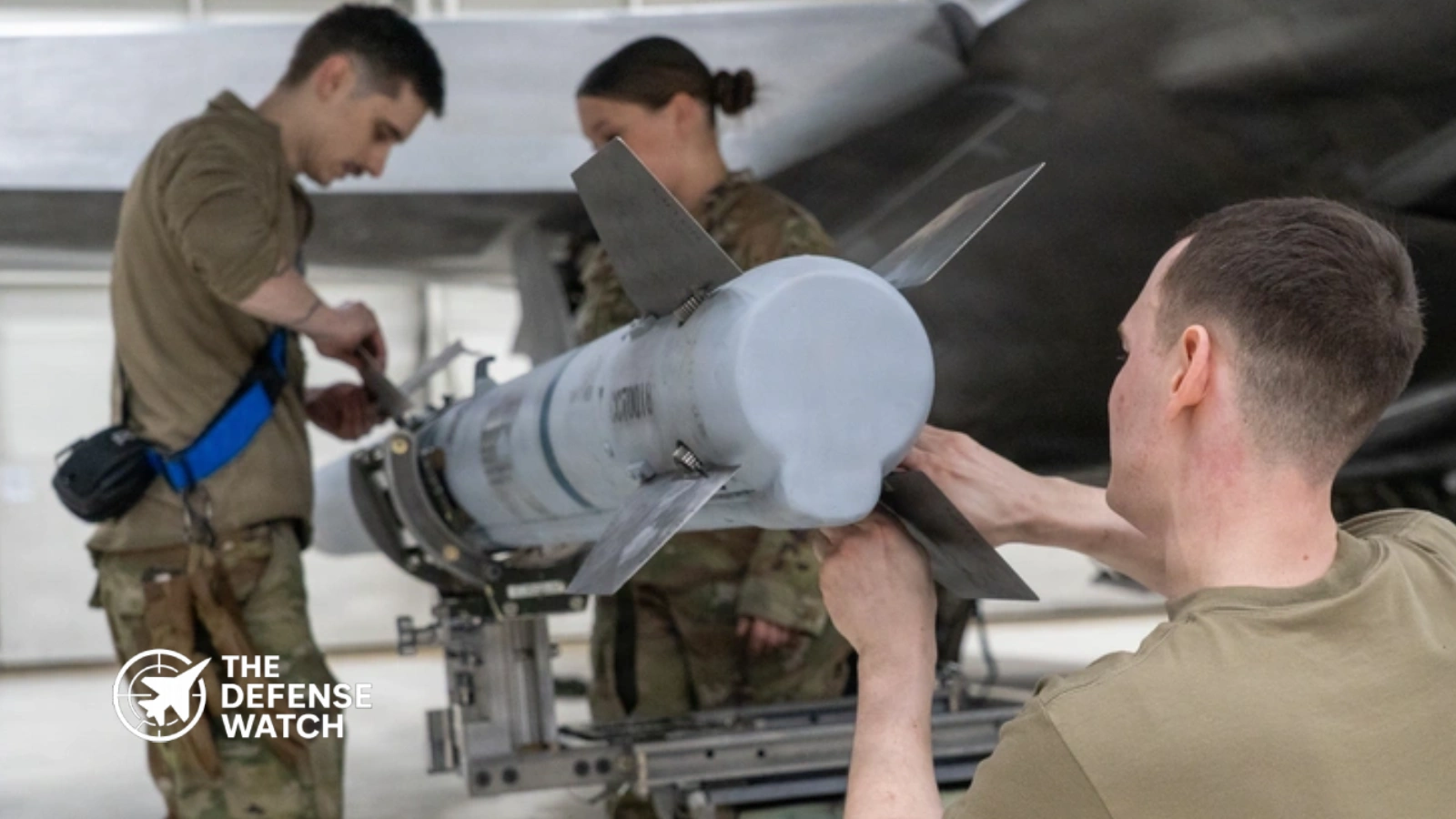
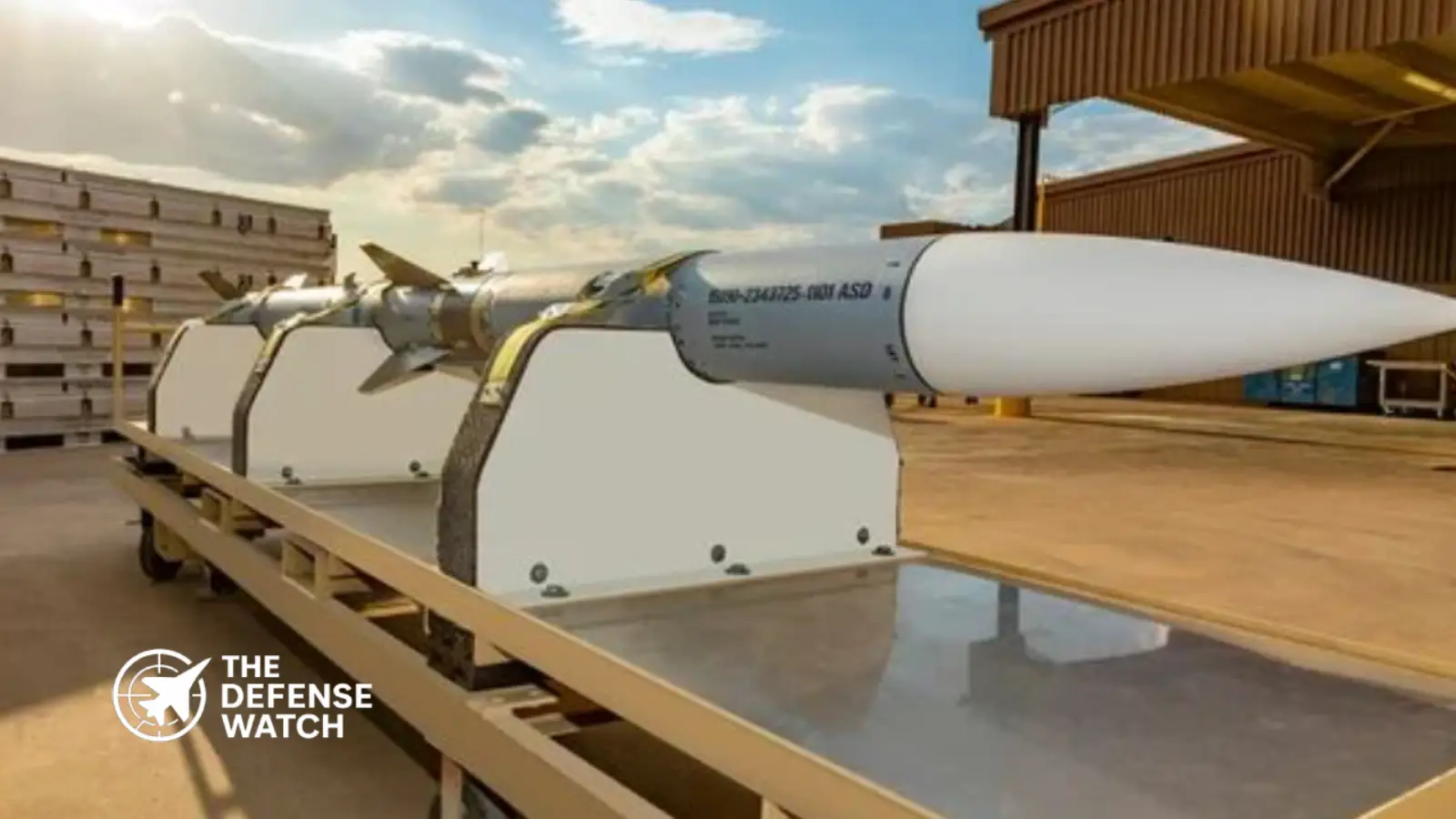
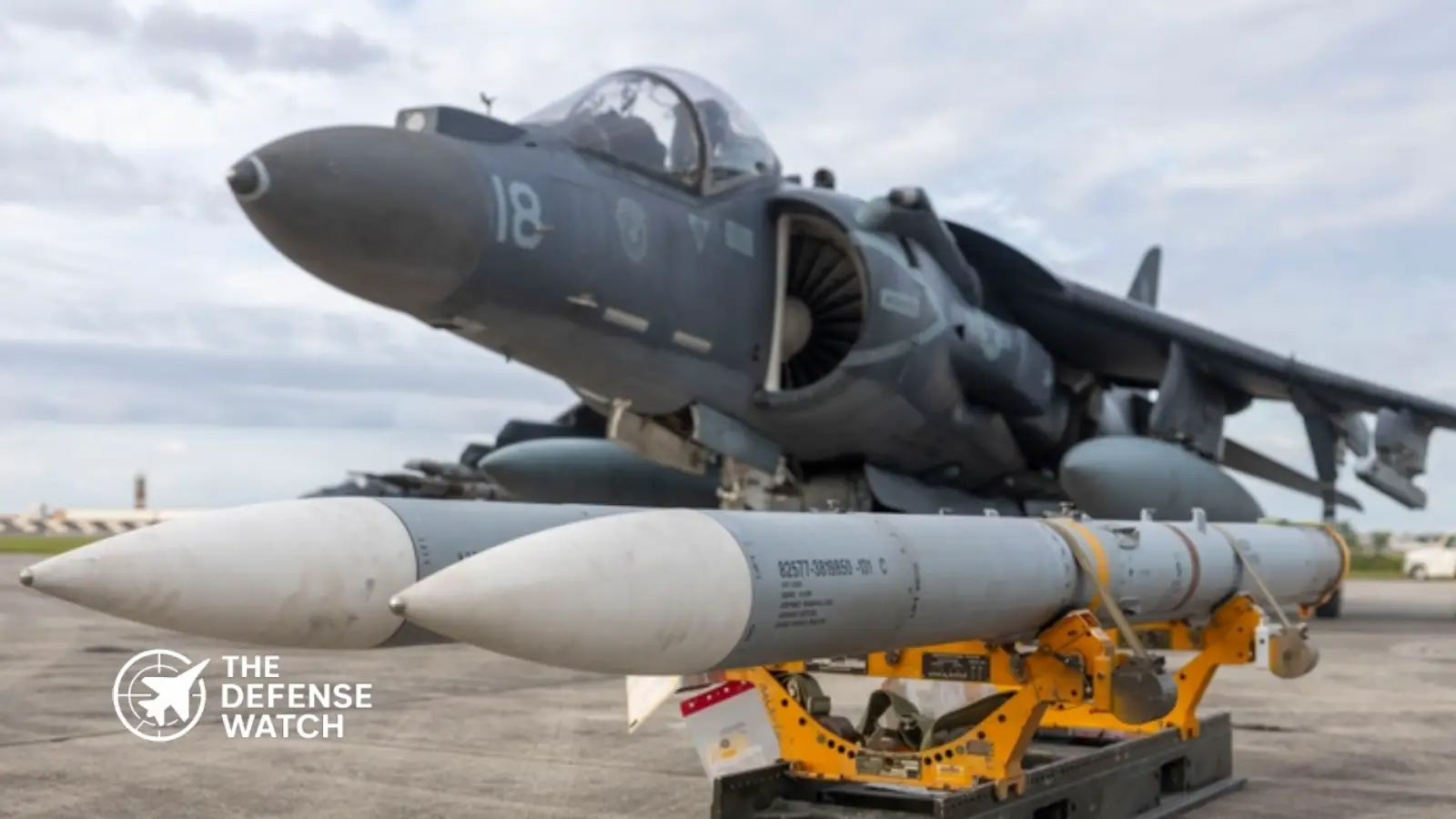
South Korea is seeking to acquire 70 AIM-120C-8 Advanced Medium Range Air-to-Air Missiles through a proposed $292 million U.S. Foreign Military Sales package. The procurement would enhance the Republic of Korea Air Force’s beyond-visual-range combat capability while reinforcing interoperability with U.S. forces amid evolving regional security challenges.
South Korea Seeks AIM-120C-8 Procurement To Strengthen Air Defense
South Korea’s AIM-120C-8 procurement effort has advanced after the U.S. State Department approved a potential Foreign Military Sale (FMS) package valued at approximately $292 million. The proposed deal includes 70 AIM-120C-8 Advanced Medium Range Air-to-Air Missiles (AMRAAMs), two missile guidance sections, and associated support equipment. The package has been forwarded to the U.S. Congress for review.
According to the U.S. government notification, the acquisition also includes missile containers, control sections, spare parts, technical documentation, software, logistics support, and engineering services. RTX Corporation has been identified as the principal contractor for the program.
The proposed sale represents another step in South Korea’s long-term effort to modernize its air combat inventory and maintain readiness against increasingly sophisticated regional aerial threats.
What The AIM-120C-8 Brings To The Republic Of Korea Air Force
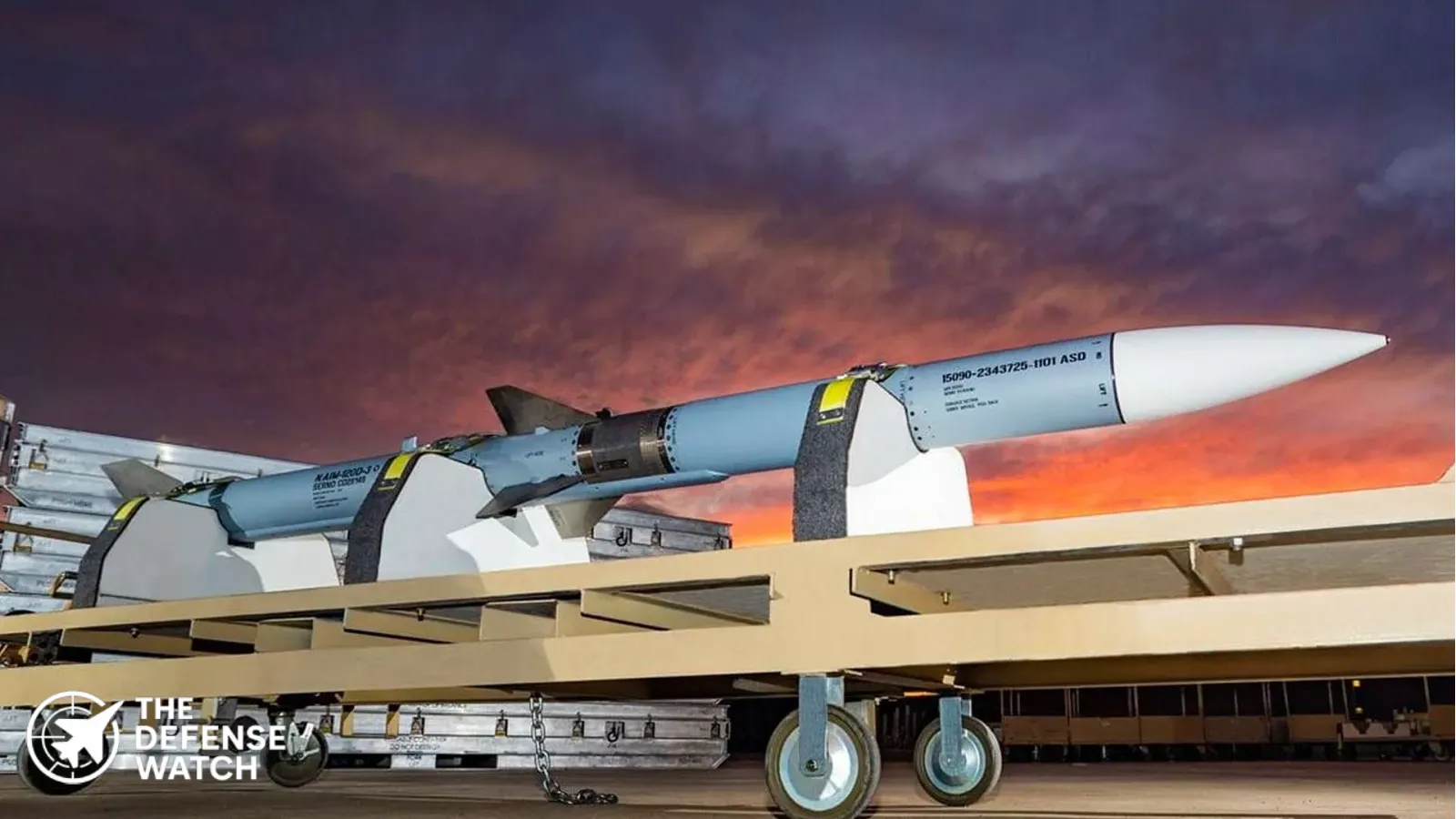
The AIM-120C-8 is the export variant of the AIM-120D AMRAAM, one of the most advanced beyond-visual-range air-to-air missiles in operational service today. Janes reports that the missile features an estimated range exceeding 160 kilometers and incorporates a Form, Fit, and Function Refresh (F3R) architecture that introduces upgraded processors and redesigned electronic components.
These improvements enhance missile processing capability, reliability, and long-term sustainment while preserving compatibility with existing launch platforms.
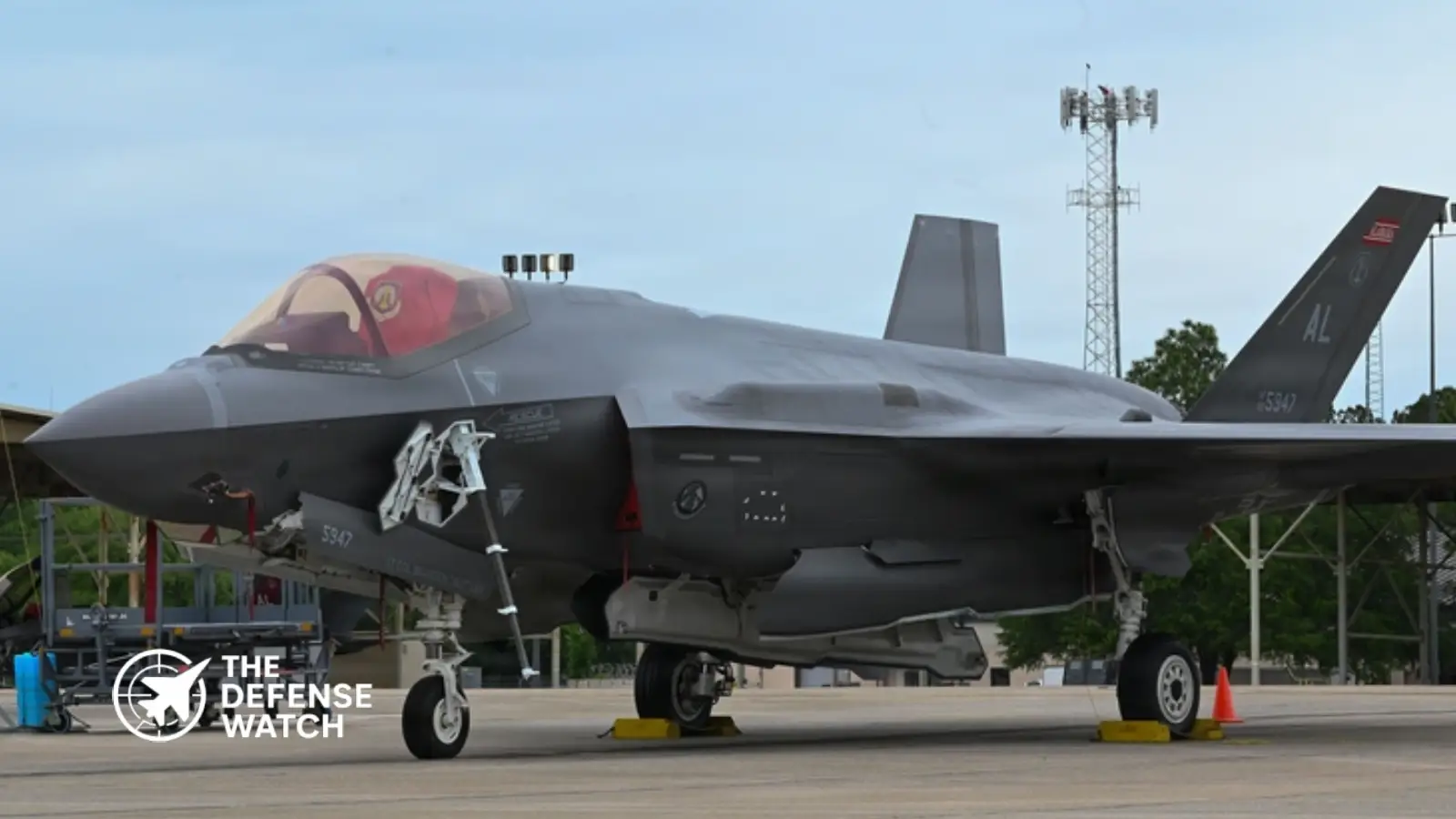
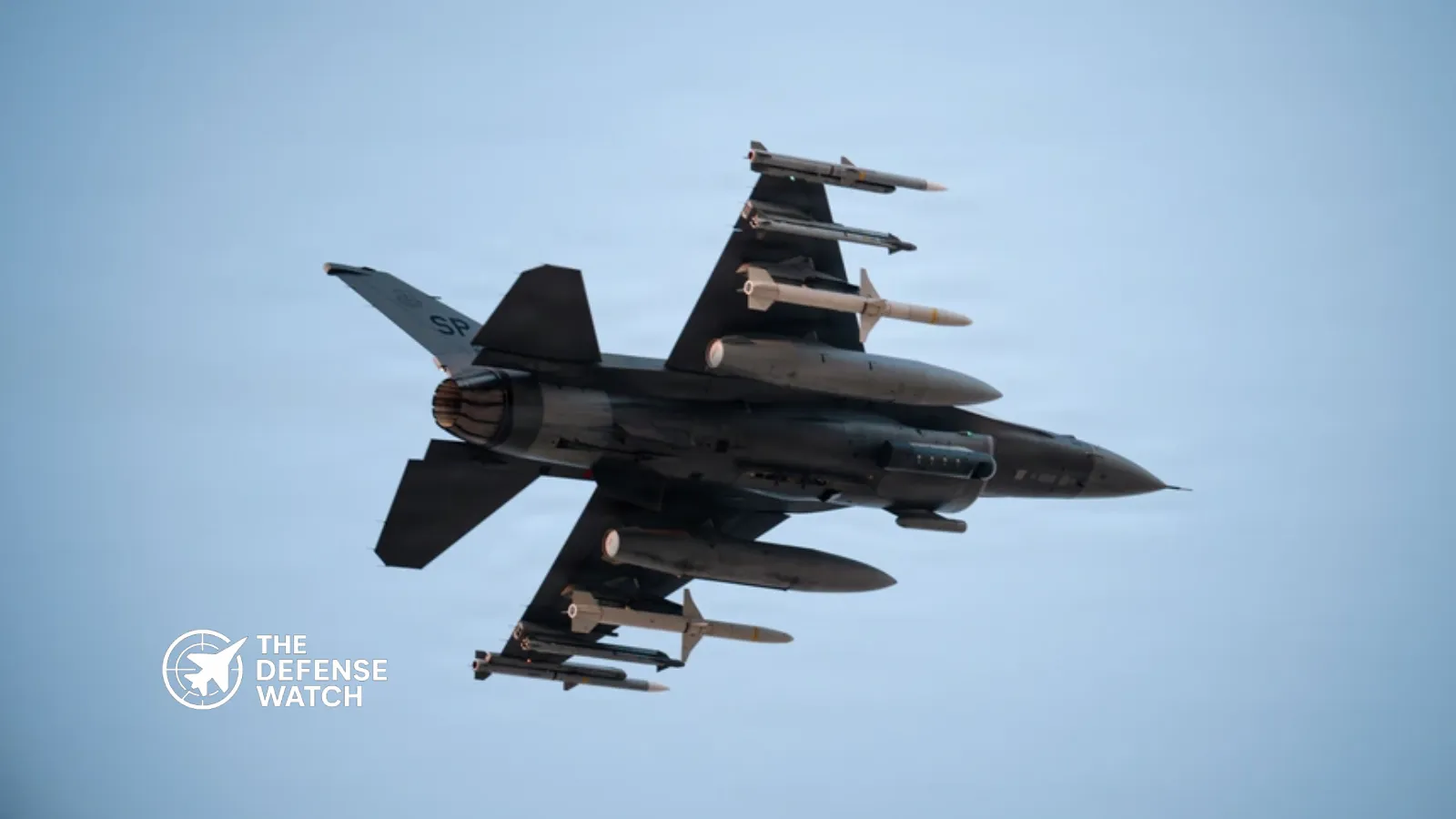
For the Republic of Korea Air Force (ROKAF), the AIM-120C-8 procurement could strengthen engagement capabilities against hostile aircraft before visual contact is established. The missile is compatible with several frontline South Korean combat aircraft, including the F-35A Lightning II, F-15K Slam Eagle, and upgraded KF-16 fighter fleets.
Strategic Significance Beyond The Missile Count
While the acquisition involves 70 missiles, the broader significance lies in sustaining South Korea’s qualitative air combat advantage.
The Korean Peninsula remains one of the world’s most heavily militarized regions. Beyond North Korea’s continued missile and military modernization programs, regional air forces across East Asia are fielding longer-range air-to-air weapons, advanced sensors, and fifth-generation combat aircraft.
Against that backdrop, modern air-to-air missile inventories are increasingly viewed as strategic assets rather than routine munitions stocks.
The proposed AIM-120C-8 procurement helps ensure that South Korean fighter aircraft can fully exploit the capabilities of advanced airborne sensors and networked battlefield systems. In modern air warfare, missile performance, sensor integration, and data sharing are often as important as aircraft performance itself.
The deal also reinforces interoperability between South Korean and U.S. forces, a key objective repeatedly highlighted by Washington in major defense cooperation programs. The U.S. State Department stated that the sale would improve South Korea’s ability to meet current and future threats while enhancing regional deterrence and interoperability with U.S. military forces.
Part Of A Broader Defense Modernization Strategy
The AIM-120C-8 procurement aligns with South Korea’s wider military modernization agenda, which includes investments in advanced fighters, missile defense systems, indigenous aerospace programs, and next-generation command-and-control networks.
Seoul has simultaneously expanded development of the KF-21 Boramae fighter program while continuing to strengthen its F-35 fleet and integrated air defense architecture.
From a strategic perspective, acquiring additional AMRAAM inventories provides a relatively fast and cost-effective method of increasing combat readiness compared with major platform acquisitions that can take years to field.
Importantly, U.S. officials indicated that the proposed sale would not alter the fundamental military balance in the Indo-Pacific region, a standard assessment frequently included in Foreign Military Sales notifications.
Outlook
Congressional review remains the next major step before the AIM-120C-8 procurement can move forward under the Foreign Military Sales process. If finalized, the acquisition would provide South Korea with one of the most capable export versions of the AMRAAM family and further strengthen the country’s air defense posture.
As regional militaries continue to invest heavily in advanced fighter aircraft and long-range air combat systems, missile inventories are becoming an increasingly important measure of operational readiness. South Korea’s pursuit of additional AIM-120C-8 missiles reflects that reality and highlights the growing emphasis on maintaining air superiority in the Indo-Pacific security environment.
Executive Summary:
Belgium has emerged as a leading candidate for the co-production of the AIM-120 AMRAAM missile in Europe, reflecting NATO’s push to strengthen regional defense manufacturing. The move aims to reduce reliance on U.S.-based production and improve supply chain resilience amid rising demand. This development underscores growing transatlantic cooperation in advanced air-to-air missile systems.
Belgium Emerges in AMRAAM Co-Production Talks
Belgium is increasingly viewed as a strong contender to host European co-production of the AIM-120 Advanced Medium-Range Air-to-Air Missile (AMRAAM), a cornerstone of NATO’s air combat capability. The initiative comes as alliance members seek to expand production capacity in response to sustained demand driven by geopolitical tensions and ongoing military modernization programs.
The proposed arrangement would involve collaboration with U.S. defense firms, most notably RTX (Raytheon Technologies), the primary manufacturer of the AMRAAM system. Belgium’s advanced industrial base and central geographic position within Europe are seen as key advantages.
Strategic Drivers Behind European Production Expansion
The push for localized missile production reflects several operational and strategic priorities:
- Supply chain resilience amid high operational consumption rates
- Reduced dependency on transatlantic logistics during crisis scenarios
- Faster replenishment cycles for NATO air forces
- Strengthened European defense industrial autonomy
The war in Ukraine and increased NATO readiness levels have accelerated the urgency to expand missile stockpiles, particularly beyond U.S. production lines.
Technical Overview of AIM-120 AMRAAM
The AIM-120 AMRAAM remains one of the most widely deployed beyond-visual-range (BVR) air-to-air missiles globally. Its latest variants incorporate advanced guidance and electronic counter-countermeasure capabilities.
Key Capabilities
- Active radar homing guidance for autonomous terminal engagement
- Fire-and-forget capability, reducing pilot workload
- Compatibility with a wide range of NATO aircraft, including F-16, F-35, and Eurofighter
- Continuous upgrades under the AMRAAM Extended Range (ER) and AIM-120D programs
Comparison: AMRAAM vs Legacy AIM-7 Sparrow
Feature AIM-120 AMRAAM AIM-7 Sparrow Range ~160 km (AIM-120D) ~70 km Payload High-explosive fragmentation High-explosive Status Active service Largely retired Key Technology Active radar homing Semi-active radar Industrial and Economic Implications
Belgium’s potential selection would bring significant economic and technological benefits:
- Integration into high-value NATO defense supply chains
- Job creation in advanced manufacturing and electronics sectors
- Increased defense exports and industrial partnerships
Belgian firms already participate in multinational defense programs, strengthening their candidacy for such a role.
Strategic Context: NATO Readiness and Deterrence
The expansion of AMRAAM production capacity in Europe aligns with NATO’s broader deterrence strategy. With increased air policing missions along the alliance’s eastern flank, maintaining sufficient stocks of advanced air-to-air munitions has become a priority.
The initiative also reflects a shift toward distributed production models, ensuring that critical defense capabilities remain operational even in contested logistics environments.
Outlook
If finalized, Belgium’s role in AMRAAM co-production would mark a significant step in NATO’s effort to balance industrial capacity between North America and Europe. It would also reinforce long-term interoperability and readiness across allied air forces, particularly as demand for precision-guided munitions continues to rise.
Executive Summary
Marvin Engineering Company has been awarded a $138.2 million U.S. Air Force contract to supply guided missile launchers and power systems for fighter aircraft supporting Foreign Military Sales partners.
The contract reinforces long-term sustainment and integration of AIM-120 AMRAAM capabilities across allied air forces, with deliveries continuing through April 30, 2036.
Contract Overview and Scope
The U.S. Air Force has awarded a firm-fixed-price requirements contract valued at $138,217,405 to Marvin Engineering for the production of guided missile launchers and associated power supply units. These systems are designed for fighter aircraft that deploy the AIM-120 AMRAAM.
Key contract details include:
- Contract Value: $138.2 million
- Award Date: April 30, 2026
- Completion Date: April 30, 2036
- Contract Type: Sole-source, firm-fixed-price requirements contract
- Work Location: Inglewood, California
- Contracting Authority: Air Force Life Cycle Management Center, Robins Air Force Base, Georgia
- Funding Status: No initial funds obligated at award
The contract supports Foreign Military Sales programs, ensuring allied air forces maintain operational readiness with U.S.-standard missile integration systems.
Role of Launcher Systems in AMRAAM Integration
Missile launchers are a critical interface between aircraft and weapon systems. For AMRAAM operations, they provide:
- Mechanical support and secure carriage of missiles
- Electrical power and data link connectivity
- Safe release and ignition sequencing
- Compatibility with modern avionics and fire-control systems
These components ensure that AMRAAM missiles can be deployed effectively in beyond-visual-range (BVR) engagements.
Technology Comparison: Modern vs Legacy Launcher Systems
| Feature | Modern AMRAAM Launcher Systems | Legacy Missile Rails |
|---|---|---|
| Range | Supports full AMRAAM BVR capability | Limited integration range |
| Payload | Multi-variant AMRAAM compatibility | Restricted to older missile types |
| Status | Active production, FMS-enabled | Gradually being phased out |
| Key Technology | Digital interface, power conditioning, smart release systems | Analog systems, limited data integration |
Technical Advantages for Allied Air Forces
Modern launcher systems under this contract offer several operational benefits:
- Enhanced interoperability with NATO and allied aircraft fleets
- Improved reliability through updated power supply units
- Compatibility with newer AMRAAM variants, including extended-range models
- Reduced maintenance burden via modular design
- Scalability for integration across multiple fighter platforms
These advantages are particularly important for nations upgrading legacy fleets to maintain parity with evolving air combat threats.
Strategic Context: Sustaining Air Superiority Through FMS
This contract highlights the continued importance of Foreign Military Sales in extending U.S. defense capabilities to partner nations. By standardizing launcher systems for AMRAAM integration, the U.S. ensures:
- Greater coalition interoperability in joint operations
- Faster deployment timelines during crises
- Consistent logistics and sustainment frameworks
The AMRAAM remains a cornerstone of Western air combat doctrine, widely deployed across platforms such as the F-15, F-16, and F-35. Ensuring reliable launcher systems is essential as adversaries invest in advanced air-to-air missiles and electronic warfare capabilities.
Long-Term Industrial and Operational Impact
The 10-year duration of the contract reflects sustained demand for missile integration hardware as global air forces modernize. It also reinforces Marvin Engineering’s role as a key supplier within the U.S. defense industrial base.
With no funds obligated at award, the contract operates as a requirements-based vehicle, allowing the Air Force to procure systems as needed over time. This approach provides flexibility while maintaining readiness across allied fleets.
Overall, the award underscores the enduring relevance of AMRAAM-compatible infrastructure and highlights the critical, though often overlooked, role of launcher systems in modern air combat capability.
- Australia has provided AIM-120 AMRAAM missiles to strengthen the United Arab Emirates air defense against Iranian drones and aerial threats.
- The AIM-120 AMRAAM is an advanced active radar-guided air-to-air missile widely used by Western fighter aircraft and integrated air defense systems.
- The move reflects growing international concern about Iran’s expanding drone and missile capabilities across the Middle East.
- UAE operates modern Western fighter fleets including F-16 and Mirage 2000 aircraft capable of employing AMRAAM missiles.
- The transfer strengthens regional air defense networks aimed at countering unmanned aerial threats.
Australia Supplies AIM-120 AMRAAM Missiles To Strengthen UAE Air Defense
The transfer of AIM-120 AMRAAM missiles from Australia to the United Arab Emirates marks a new step in strengthening UAE air defense against Iranian drones and other aerial threats. The move reflects growing concern among regional and Western partners about the increasing use of unmanned systems in Middle Eastern conflicts.
(adsbygoogle = window.adsbygoogle || []).push({});Australia’s decision highlights expanding defense cooperation between Western partners and Gulf states seeking to improve their ability to intercept drones, cruise missiles, and hostile aircraft.
The Big Picture
Drone warfare has become a defining feature of modern conflict across the Middle East. Iran and its regional partners have invested heavily in low cost unmanned aerial systems capable of conducting reconnaissance and long range strike missions.
These drones have already appeared in multiple conflicts and security incidents involving Gulf infrastructure, shipping lanes, and military facilities. Countries in the region are therefore expanding layered air defense systems capable of detecting and destroying small, fast moving targets.
Missiles such as the AIM-120 AMRAAM play a critical role in this evolving defensive architecture. Originally developed for air to air combat, the missile has also been adapted for ground based air defense systems such as NASAMS.
By supplying additional missiles to the UAE, Australia contributes to a broader effort by Western aligned nations to strengthen regional deterrence against drone and missile threats.
What’s Happening
Australia has reportedly supplied AIM-120 Advanced Medium Range Air-to-Air Missiles (AMRAAM) to support the UAE air defense system as regional tensions involving Iran continue to rise.
The missile is one of the most widely deployed air-to-air weapons in Western inventories. Developed by the United States and produced by Raytheon, it uses active radar guidance to engage targets beyond visual range.
AMRAAM missiles can intercept:
- fighter aircraft
- cruise missiles
- unmanned aerial vehicles
- other aerial threats
The UAE operates several advanced fighter aircraft capable of employing the missile, including its fleet of F-16 Block 60 fighters and Mirage 2000 aircraft.
The additional missiles strengthen the UAE’s ability to counter drone swarms and other aerial attacks that may originate from regional adversaries.
Why It Matters
The supply of AIM-120 AMRAAM missiles highlights how air defense priorities are shifting as drones become more common on the battlefield.
Traditional air defense networks focused heavily on high performance aircraft and ballistic missiles. However, modern threats increasingly involve smaller systems such as loitering munitions and one way attack drones.
(adsbygoogle = window.adsbygoogle || []).push({});These platforms often fly at low altitude and can appear in large numbers, making interception more difficult.
Missiles like the AMRAAM offer several advantages in this environment:
- high speed interception
- advanced radar guidance
- compatibility with multiple launch platforms
- proven combat reliability
For countries such as the UAE, expanding missile inventories is essential to maintain sustained air defense operations during prolonged security crises.
Strategic Implications
The transfer of missiles reflects a wider international effort to strengthen Gulf security against Iran’s expanding drone and missile arsenal.
Iran has developed a diverse portfolio of unmanned systems ranging from reconnaissance drones to long range strike platforms capable of carrying explosive payloads. These systems have been exported or shared with regional partners and proxy groups.
Improving the UAE air defense system helps close potential vulnerabilities in protecting critical infrastructure such as:
- energy facilities
- military bases
- ports and shipping routes
- major urban centers
Enhanced air defense coverage also contributes to broader regional deterrence by raising the cost of any attempted drone or missile attacks.
Competitor View
From Tehran’s perspective, the reinforcement of Gulf air defense systems fits into a broader pattern of Western aligned states strengthening military cooperation against Iranian capabilities.
Iran has repeatedly emphasized the strategic value of its drone and missile forces as asymmetric tools that can challenge technologically superior adversaries.
Expanded missile inventories among Gulf states may therefore encourage Iran to further invest in:
- larger drone swarms
- stealthier unmanned systems
- longer range strike capabilities
- electronic warfare measures
This dynamic reflects the continuing competition between offensive drone capabilities and defensive interception technologies.
Capability Gap
The deployment of additional AIM-120 AMRAAM missiles addresses a key operational challenge facing many modern air defense systems: the ability to counter large numbers of low cost aerial threats.
Drone attacks often rely on saturation tactics designed to overwhelm defensive systems. Each interception consumes a missile, meaning defenders must maintain significant stockpiles to sustain operations.
(adsbygoogle = window.adsbygoogle || []).push({});While AMRAAM provides a reliable interception capability, it remains a relatively expensive weapon compared with many drones. This cost imbalance has driven many countries to explore complementary defenses such as:
- directed energy systems
- short range interceptors
- electronic warfare tools
Despite these limitations, AMRAAM remains one of the most trusted missile systems available for high probability aerial interception.
What To Watch Next
Several developments may shape how this capability evolves in the coming years.
First, Gulf states are likely to continue expanding integrated air defense networks linking fighter aircraft, ground based missile systems, and early warning radars.
Second, drone detection and counter drone technologies will receive increasing investment as unmanned threats grow more sophisticated.
Finally, deeper defense cooperation between Western countries and Gulf partners may result in additional missile transfers, training programs, and joint exercises focused on air defense readiness.
The Bottom Line
Australia’s delivery of AIM-120 AMRAAM missiles strengthens the UAE air defense system and underscores the growing importance of counter drone capabilities in Middle Eastern security.
RTX Announces Historic Production Expansion Under Pentagon Framework Agreements
Raytheon, an RTX business, entered into five landmark framework agreements with the U.S. Department of War to significantly increase production capacity and speed deliveries of critical precision munitions, the company announced February 4, 2026.
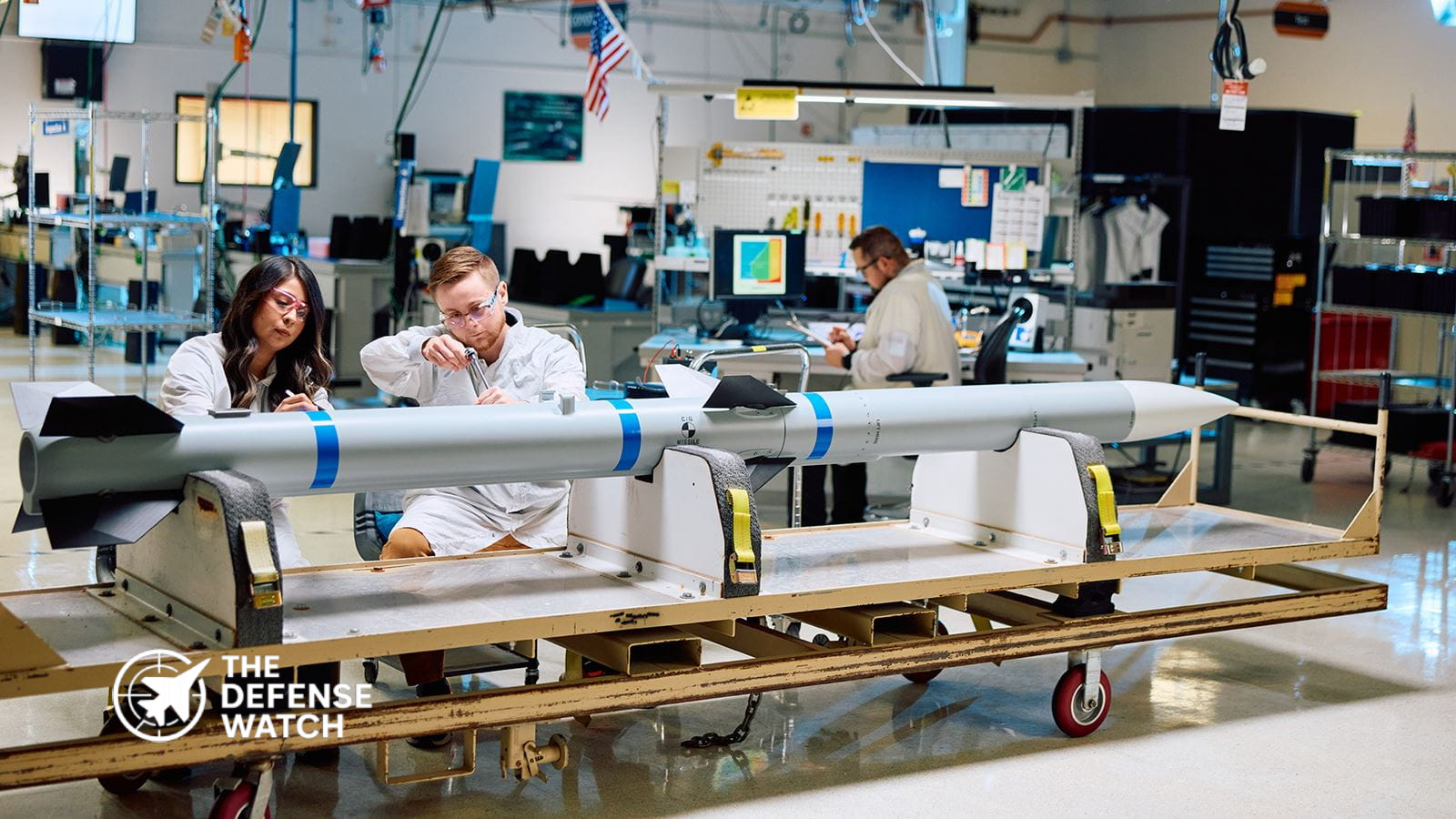
(adsbygoogle = window.adsbygoogle || []).push({});The defense contractor will substantially expand manufacturing of Land Attack and Maritime Strike variants of Tomahawk cruise missiles, AMRAAM air-to-air missiles, and multiple Standard Missile interceptor variants under agreements spanning up to seven years. RTX will increase annual production of Tomahawks to more than 1,000, AMRAAMs to at least 1,900, and SM-6 to more than 500, representing two-to-four-fold increases over current production rates for several munitions.
The agreements cover production of five weapon systems: Tomahawk cruise missiles, AMRAAM missiles, Standard Missile-3 Block IB interceptors, Standard Missile-3 Block IIA interceptors, and Standard Missile-6 missiles. Production will occur at Raytheon facilities in Tucson, Arizona; Huntsville, Alabama; and Andover, Massachusetts.
Strategic Significance of Production Expansion
The framework agreements represent a significant shift in defense-industrial collaboration, according to company leadership. RTX CEO and Chairman Chris Calio stated the deals “redefine how government and industry can partner to speed the delivery of critical technologies” and align with the administration’s Acquisition Transformation Strategy.
The expansion addresses sustained growth in global demand for precision munitions as U.S. forces and allied militaries increase stockpile requirements. The Tomahawk missile system has been flight-tested over 550 times and used operationally more than 2,300 times since its introduction, establishing itself as a primary long-range strike option for U.S. naval forces.
AMRAAM missiles serve as the principal air-to-air weapon for U.S. fighter aircraft and have been deployed by more than 40 allied nations. The Standard Missile family provides layered air and missile defense capabilities for naval vessels and ground-based systems, with the SM-3 variants specifically designed for ballistic missile intercept missions.
Production Facilities and Investment Strategy
Manufacturing under the new agreements will leverage existing Raytheon infrastructure while incorporating significant facility upgrades and workforce expansion. The company has committed to continued investment in production capacity and acceleration projects beyond previous expenditure levels.
(adsbygoogle = window.adsbygoogle || []).push({});The long-term agreements incorporate a collaborative funding approach designed to preserve upfront free cash flow, allowing RTX to invest confidently to meet long-term demand, according to the company statement. The financial commitments associated with these frameworks have been incorporated into RTX’s 2026 financial outlook, which projects capital expenditures exceeding $3 billion.
The Tucson facility will serve as the primary production site for several missile variants, while Huntsville operations will support advanced interceptor manufacturing. The Andover location will contribute to component production and integration activities across multiple programs.
Weapon System Capabilities and Performance
The Tomahawk cruise missile provides precision strike capability from standoff ranges exceeding 1,000 miles, enabling attacks against heavily defended targets while keeping launch platforms outside enemy engagement zones. Both land-attack and maritime strike variants will see production increases under the new agreements.
AMRAAM missiles provide beyond-visual-range air-to-air engagement capability with active radar guidance and all-weather performance. The weapon serves as the primary air-to-air armament for F-15, F-16, F-18, and F-22 fighter aircraft across U.S. and allied air forces.
The Standard Missile-3 Block IB and Block IIA variants provide exoatmospheric intercept capability against short-to-intermediate-range ballistic missiles. The SM-3 IIA, developed in partnership with Japan, extends intercept range and altitude compared to earlier variants. Standard Missile-6 provides multi-mission capability including anti-air warfare, ballistic missile defense, and anti-surface warfare from a single weapon system.
Defense Industrial Base Implications
The production expansion represents a significant commitment to strengthening U.S. defense manufacturing infrastructure. The agreements formalize long-term production commitments that enable contractors to make facility and workforce investments with greater financial certainty.
Industry observers note the framework approach provides stability for supply chain partners and enables more efficient procurement of long-lead materials and components. The seven-year agreement duration allows for phased capacity expansion rather than rapid scaling that can strain quality control and supplier relationships.
The increased production rates will require workforce expansion across multiple facilities and skill sets, from precision machining and electronics assembly to quality assurance and systems integration. RTX has indicated the agreements support the Department of War’s objectives for industrial base strengthening and American job creation.
Strategic Context and Global Demand
The munition production expansion occurs amid heightened global tensions and increased defense spending among U.S. allies. Multiple allied nations have requested increased deliveries of American-made precision weapons to modernize their forces and replenish stocks.
Recent conflicts have demonstrated the high consumption rates of precision munitions in modern combat operations. U.S. forces and coalition partners have utilized Tomahawk cruise missiles, AMRAAM air-to-air weapons, and Standard Missile interceptors extensively in recent operations, driving requirements for expanded production capacity.
(adsbygoogle = window.adsbygoogle || []).push({});The Standard Missile family has seen particular demand growth as allied navies invest in ballistic missile defense capabilities. Japan, Australia, and several European nations operate or have ordered destroyers and frigates equipped with Aegis combat systems that utilize Standard Missile interceptors.
Naval forces globally have increased requirements for Tomahawk missiles as more platforms gain launch capability. The weapon has been integrated with Virginia-class submarines, Zumwalt-class destroyers, and multiple cruiser and destroyer classes. Allied nations including the United Kingdom and Australia have procured Tomahawk systems for their naval forces.
Program Timeline and Production Ramp
RTX has not disclosed specific timelines for reaching peak production rates under the new agreements, though the company indicated manufacturing will begin in accordance with existing facility capabilities and planned expansion activities. The seven-year framework duration suggests a multi-year ramp to full production capacity.
Industry analysts note that missile production scaling requires careful coordination of complex supply chains involving hundreds of components and subassemblies. Critical long-lead items such as rocket motors, guidance systems, and specialized electronics require their own capacity expansion to support higher production rates.
The company’s 2026 capital expenditure budget includes funding for production line expansions, equipment procurement, and facility modifications necessary to achieve target production rates. Additional workforce hiring and training will occur as production lines scale toward full capacity.
Financial and Market Impact
RTX stock has performed strongly in recent months, with shares trading near 52-week highs. The company reported fourth-quarter revenue of $24.24 billion, exceeding analyst estimates, with earnings per share of $1.55 beating consensus forecasts of $1.47.
The defense contractor maintains a diversified business portfolio spanning commercial and military aviation, missile systems, and aerospace components through its Pratt & Whitney, Collins Aerospace, and Raytheon divisions. Defense systems account for approximately 33% of total company revenue.
(adsbygoogle = window.adsbygoogle || []).push({});Analyst firms have maintained generally positive ratings on RTX shares following the munition production announcement, with price targets ranging from recent lows around $168 to highs approaching $227. The long-term framework agreements provide revenue visibility and support projections for sustained defense systems growth.
Conclusion
The five framework agreements between RTX’s Raytheon division and the U.S. Department of War represent one of the most significant defense production expansions in recent years. The commitment to more than double production of critical precision munitions addresses urgent requirements from U.S. forces and allied militaries while strengthening American defense manufacturing infrastructure.
Successful execution of the production expansion will require sustained investment in facilities, equipment, and workforce over the coming years. The agreements provide a foundation for long-term industrial base stability and position RTX as a key supplier of precision weapons to U.S. and allied forces through the next decade.
Finland Selects AIM-120D-3 Missile for F-35A Program
Finland has selected the AIM-120D-3 missile to arm its incoming F-35A fighter jets, marking a key step in the country’s largest defense modernization effort. The decision was confirmed in 2025 and aligns with Finland’s plan to fully equip its future fifth generation fighters with advanced beyond visual range air to air weapons.
The missile selection supports Finland’s HX Fighter Program, under which the Finnish Air Force will replace its aging F A 18 Hornet fleet with 64 Lockheed Martin F-35A Lightning II aircraft. Deliveries of the jets are scheduled to begin later this decade, with full operational capability expected in the early 2030s.
Strengthening Long Range Air Combat Capability
The AIM-120D-3 missile is the latest variant of the Advanced Medium Range Air to Air Missile family, widely known as AMRAAM. It offers extended range, improved guidance, and enhanced resistance to electronic countermeasures compared to earlier versions.
By choosing the AIM-120D-3 missile, Finland ensures that its F-35A fleet will be capable of engaging hostile aircraft at long distances while operating in contested airspace. The missile uses active radar homing and advanced data link features, allowing it to receive mid course updates from the launching aircraft or other networked platforms.
The AIM-120D-3 missile is already in service with the United States Air Force and several allied nations, making it a standard weapon within NATO air forces.
Background on Finland’s F-35A Acquisition
Finland selected the F-35A in 2021 after a multi year competition involving several advanced fighter aircraft. The decision was driven by the F-35’s stealth design, sensor fusion, and ability to operate as part of a wider network of air and ground assets.
As a NATO member sharing a long border with Russia, Finland places strong emphasis on air defense, rapid response, and deterrence. The combination of the F-35A and the AIM-120D-3 missile supports these goals by providing high survivability and strong first shot capability.
Weapons integration is a critical part of the F-35 program, and the AIM-120 family has long been considered the backbone of Western beyond visual range air combat.
Technical Overview of the AIM-120D-3 Missile
The AIM-120D-3 missile builds on earlier AMRAAM variants with several upgrades. These include improved kinematics for longer engagement ranges, more accurate navigation, and software updates that enhance performance against maneuvering targets.
The missile is designed to operate in high threat environments, including those with heavy jamming. When paired with the F-35’s advanced sensors and low observable profile, the AIM-120D-3 missile can be launched without alerting enemy radar systems until late in the engagement.
This capability allows pilots to detect, track, and engage threats while remaining difficult to detect themselves.
Interoperability With NATO and Allied Forces
One of the key advantages of selecting the AIM-120D-3 missile is interoperability. Many NATO members operate both the F-35 and earlier fighter aircraft armed with AMRAAM missiles. This allows allied air forces to share targeting data and coordinate engagements during joint operations.

Finland’s choice supports seamless integration with allied air policing missions, joint exercises, and collective defense operations. It also simplifies logistics, training, and sustainment over the long term.
The AIM-120D-3 missile can be carried internally by the F-35A, preserving the aircraft’s stealth profile, or externally when stealth is less critical.
Industrial and Program Considerations
The AIM-120D-3 missile is produced by RTX, formerly known as Raytheon Technologies. Production and sustainment are supported through U.S. government managed foreign military sales frameworks, which Finland already uses for other defense acquisitions.
While specific contract values for the missile purchase were not disclosed, the selection is consistent with previously approved U.S. export clearances for advanced AMRAAM variants to Finland.
The missile procurement is expected to progress alongside aircraft deliveries to ensure the Finnish Air Force can reach initial operational capability without delays.
What Comes Next for the Finnish Air Force
As F-35A deliveries approach, Finland will continue to finalize its weapons mix, training pipelines, and basing infrastructure. Alongside the AIM-120D-3 missile, the F-35A is expected to carry a range of air to ground munitions and short range air to air missiles.
The integration of the AIM-120D-3 missile marks another milestone in Finland’s transition to a fifth generation air combat force. Once operational, the new fleet will significantly enhance national air defense and contribute to regional security in Northern Europe.
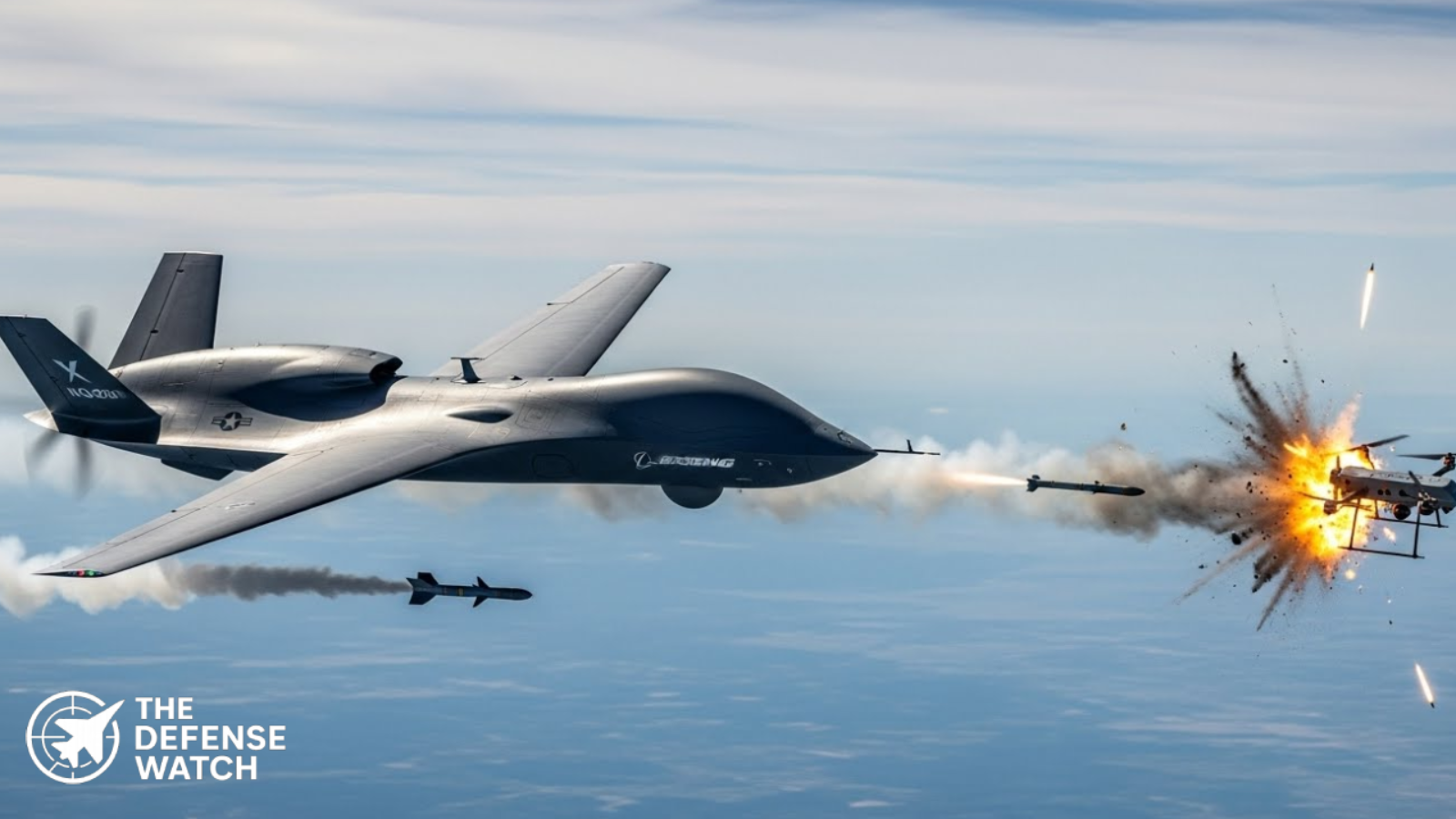
An unmanned Boeing MQ-28A Ghost Bat (“Ghost Bat”) successfully destroyed a Phoenix target drone with a Raytheon AIM-120 AMRAAM missile during a live air-to-air weapons test conducted on 8 December 2025. The event took place at Australia’s secure Woomera Test Range. The test marks the first time an autonomous drone has completed a fully integrated air-to-air missile engagement.
Official confirmation came on 9 December from Boeing Defense Australia and the Royal Australian Air Force (RAAF), signaling a major milestone in the Ghost Bat program’s transition from experimental tests to an operational combat-capable system.
Why it matters
The successful missile launch demonstrates that the Ghost Bat is no longer limited to reconnaissance or support roles. It now has demonstrated lethal strike capability. The event also underlines growing confidence from both the government and industry to invest in unmanned combat aircraft as a viable complement to crewed jets. The significance lies in the effective integration of autonomous capabilities into traditional air combat formations, aligning with broader trends in modern air warfare.
Ghost Bat Background — What is the drone and how did we get here
The Ghost Bat is a stealth-enabled unmanned combat aerial vehicle (UCAV) developed by Boeing Defense Australia for the RAAF under the Collaborative Combat Aircraft (CCA) program. It first flew in February 2021. As of 2024, eight Block 1 prototypes were built, accumulating more than 100 test flights.
Designed as a “loyal wingman,” the Ghost Bat can operate alongside crewed aircraft. Its modular nose allows for rapid reconfiguration for different missions such as surveillance, electronic warfare, or kinetic strike. The drone is capable of long-endurance flights, with a reported combat radius of more than 3,700 km.
Until now, tests focused on non-kinetic roles or passive missions. Earlier in 2025, development focused on integrating combat capabilities and preparing the drone for live-fire testing by the end of the year.
The December 8 missile test — What we know
During the Woomera trial, the Ghost Bat operated as part of a mixed formation. A crewed Boeing E-7A Wedgetail airborne early warning and control aircraft and a crewed Boeing F/A-18F Super Hornet fighter provided sensor coverage and targeting information. The test used data sharing across platforms: the Super Hornet detected and tracked the target drone, then passed target cues. The Ghost Bat, acting on that data and under supervision of the Wedgetail, autonomously locked on and fired the AIM-120 missile. The rocket ignited cleanly, destroying the target.
Boeing described the event as a demonstration of a fully autonomous, end-to-end weapons engagement. According to Boeing, this proves the Ghost Bat’s autonomy solution is mature enough to integrate with fourth, fifth and next-generation aircraft.
The successful engagement allows the Ghost Bat to meet a key milestone announced by Boeing earlier in 2025. The company had set a goal of conducting a live air-to-air missile test by end of 2025 or early 2026.
Operational pivot: Ghost Bat moving toward active deployment
Following the test, the Australian government has committed A$1.4 billion (approx. US$928 million) to shift the Ghost Bat program into operational status. This funding covers procurement of six Block 2 Ghost Bat drones, plus development of a prototype Block 3 craft.
Block 2 drones will be equipped with operationally necessary systems, such as enhanced GPS/INS navigation and improved maintainability. They will drop some of the prototype visual features — for example the Block 1 dogtooth wing will be removed. Internal wiring and design tweaks aim to simplify upkeep.
Future Block 3 models are expected to roll out from a new manufacturing base located at the Wellcamp Aerospace and Defense Precinct near Brisbane. The procurement marks the first time Australia has committed funds to operational drone strike systems at this scale.
The push toward operational deployment reflects a growing shift in airpower philosophy: unmanned systems are increasingly seen not just as surveillance assets but fully capable strike-ready platforms.
Broader implications for air combat and regional balance
The success of the Ghost Bat weapons test carries several implications:
- For crewed-uncrewed teaming: The flight validates that autonomous drones can integrate with manned platforms in real-world combat scenarios. This may alter force structure decisions.
- For cost and risk: Deploying UCAVs reduces risk to human pilots while offering flexible, reconfigurable strike assets at lower cost compared to manned jets.
- For regional deterrence: In a volatile Indo-Pacific environment, autonomous strike-capable drones give Australia a strategic edge, especially in networked air operations.
- For future procurement: This may influence other air forces exploring CCAs or loyal-wingman drones — potentially accelerating global drone adoption.
What’s next
With Block 2 Ghost Bats funded and moving into production, the next step is fielding and integrating them into RAAF operational squadrons. Further testing will likely focus on multi-mission roles: not just strike, but surveillance, electronic warfare, and joint ops with crewed jets.
Meanwhile, other nations developing unmanned combat aircraft will be watching closely to see how Australia operationalizes its drones. The MQ-28A Ghost Bat could set a template for next-generation airpower.