(adsbygoogle = window.adsbygoogle || []).push({});Executive Summary:
Canada has formally selected the High Mobility Artillery Rocket System (HIMARS) as the foundation of its new Long Range Precision Strike capability. The acquisition of 26 launchers will provide the Canadian Armed Forces with a long-range precision fires capability for the first time, strengthening Arctic defense, NATO interoperability, and continental deterrence.
Canada HIMARS Acquisition Marks Major Shift In Army Modernization
Canada’s HIMARS acquisition represents one of the most significant Canadian Army modernization efforts in decades. The Government of Canada announced that it finalized a government-to-government Foreign Military Sales agreement with the United States for 26 M142 High Mobility Artillery Rocket System launchers, along with munitions, training, spare parts, and support services. Deliveries are expected to begin in 2029.
The project, known as Long Range Precision Strike (Land), carries an estimated acquisition cost of approximately CAD $2.6 billion, including infrastructure, project management, and supporting contracts. Canadian defense officials identified HIMARS as the only system that fully met operational and technical requirements following an extensive evaluation process.
The decision gives Canada a capability it has lacked since the Cold War era: the ability to conduct deep precision strikes against targets at ranges exceeding 300 kilometers. According to Canada’s Department of National Defence, the system will fundamentally transform how the Canadian Army supports joint operations and coalition missions.
Why HIMARS Was Chosen
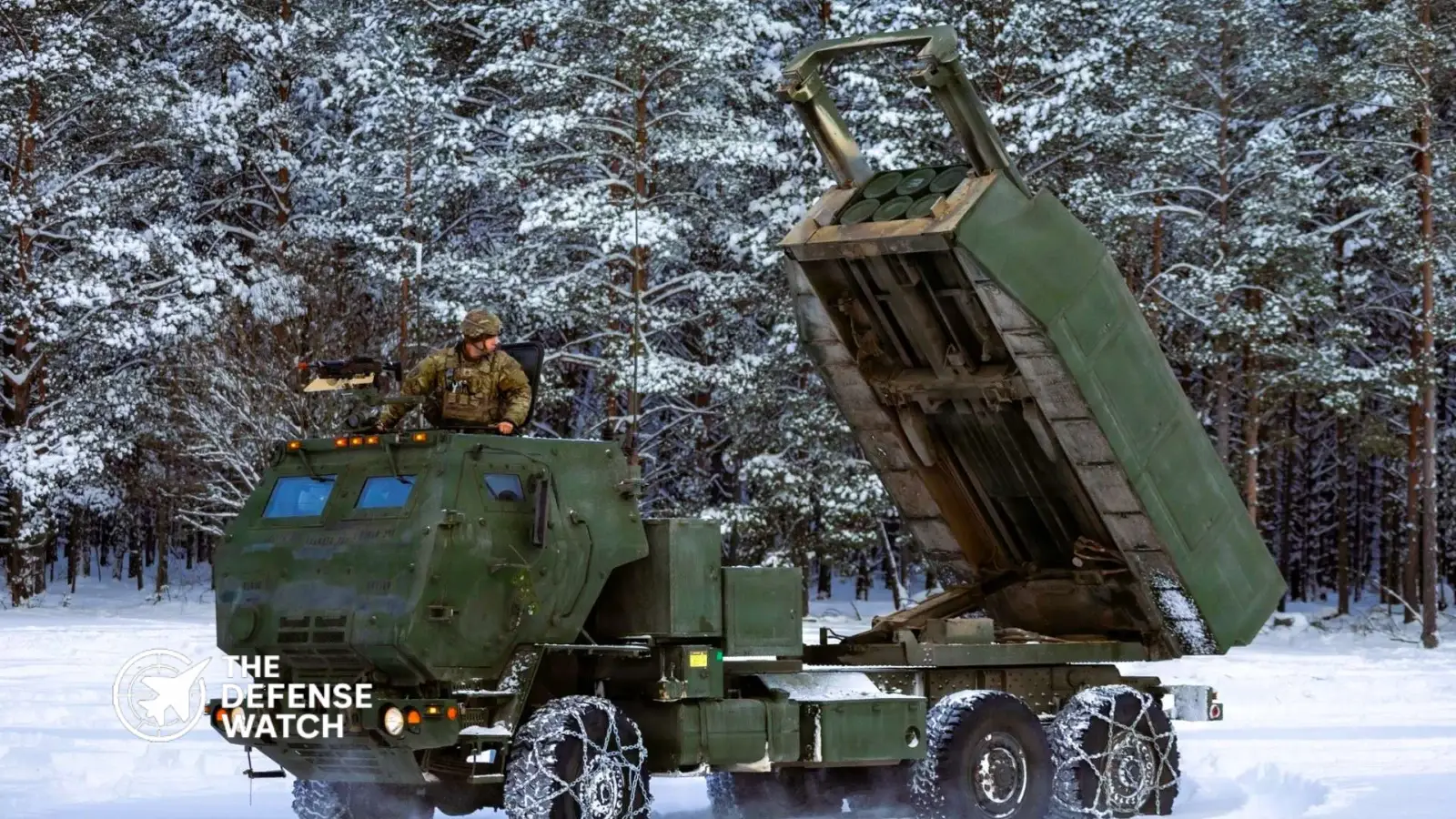
Manufactured by Lockheed Martin, HIMARS has become one of the world’s most sought-after artillery systems due to its mobility, precision, and combat performance.
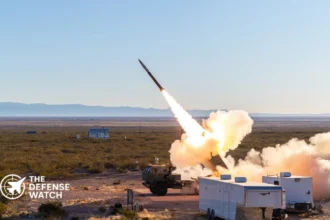
The wheeled launcher can rapidly deploy, fire precision-guided rockets or missiles, and relocate before enemy counterfire can respond. Its operational success in recent conflicts has highlighted the growing importance of long-range precision fires in modern warfare.
(adsbygoogle = window.adsbygoogle || []).push({});Canadian Army leadership emphasized that HIMARS offers several advantages beyond strike range. The platform is transportable by existing Royal Canadian Air Force aircraft, enabling rapid deployment across Canada’s vast territory, including remote northern regions.
Equally important, HIMARS is already fielded by numerous NATO allies, enhancing interoperability during multinational operations and coalition deployments.
Arctic Defense Emerges As A Key Driver
A central factor behind Canada’s HIMARS acquisition is the changing security environment in the Arctic.
The Department of National Defence stated that the launchers will support sovereignty operations and defense missions across Canada’s northern territories. Officials also noted that future integration of land-based anti-ship missile capabilities could enhance protection of Canada’s coastlines and Arctic approaches.
This procurement aligns with Ottawa’s broader defense modernization agenda outlined in the 2024 defense policy, Our North, Strong and Free, which places increased emphasis on Arctic security, continental defense, and NORAD modernization.
The HIMARS decision follows several recent Canadian investments aimed at strengthening northern defense capabilities, including Arctic over-the-horizon radar initiatives and airborne early warning programs designed to improve surveillance and situational awareness across the North.
Strategic Implications For NATO And Continental Defense
Beyond domestic security, the new capability significantly expands Canada’s contribution to alliance operations.
(adsbygoogle = window.adsbygoogle || []).push({});Long-range precision fires have become a critical component of NATO force planning as member states adapt to evolving threats and lessons from recent conflicts. HIMARS provides commanders with the ability to engage command posts, logistics hubs, air defense systems, and other high-value targets far beyond traditional artillery ranges.
For Canada, the acquisition closes an important capability gap and enables greater participation in high-intensity coalition operations. The system’s compatibility with U.S. and allied command networks also supports deeper integration during joint missions.
From a strategic perspective, the move reflects a broader trend among Western militaries toward distributed, mobile, and precision-focused firepower. Rather than relying solely on airpower for deep strikes, ground forces increasingly require the ability to conduct long-range engagements independently.
Industrial Benefits And Future Growth
The agreement also includes industrial participation requirements.
Under Canada’s Industrial and Technological Benefits policy, Lockheed Martin will be required to undertake investments and business activities within Canada equal to the value of its work related to the program. Planned activities include integrating Canadian firms into global supply chains, supporting research and development efforts, and creating opportunities for small and medium-sized enterprises.
- (adsbygoogle = window.adsbygoogle || []).push({});
While Canada does not currently manufacture HIMARS systems or comparable long-range missile launchers, the program is expected to generate economic benefits across the country’s defense industrial base.
Conclusion
Canada’s decision to acquire HIMARS marks a fundamental transformation in its land warfare capabilities. By introducing a long-range precision strike capability, Ottawa is enhancing deterrence, improving interoperability with NATO allies, and strengthening its ability to defend Arctic and continental approaches.
As deliveries begin later this decade, HIMARS is expected to become a cornerstone of Canada’s future military posture, providing a mobile and highly effective precision fires capability for both national defense and coalition operations.
- (adsbygoogle = window.adsbygoogle || []).push({});