Executive Summary:
Germany’s TKMS and Isar Aerospace have announced a partnership to develop new offshore launch infrastructure aimed at supporting Canada’s national space ambitions. The cooperation combines maritime engineering and commercial launch expertise as Ottawa seeks more independent access to space for defense, scientific, and commercial missions.
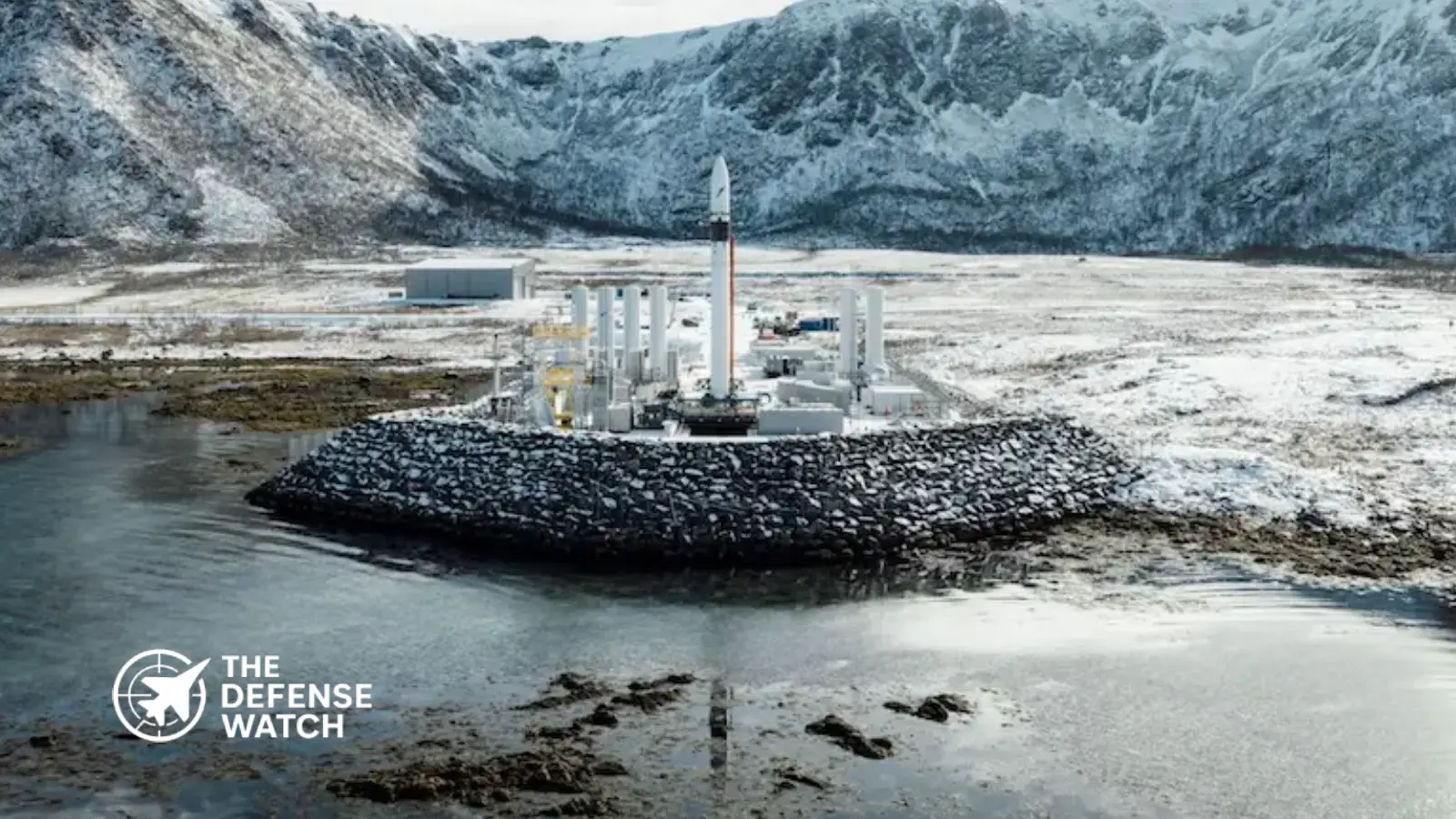
The partnership between thyssenkrupp Marine Systems and Isar Aerospace marks a notable step in expanding Canada space launch infrastructure through maritime-based launch systems designed for sovereign orbital access.
The agreement brings together TKMS’ naval engineering expertise and Isar Aerospace’s commercial rocket launch capabilities to explore offshore launch infrastructure that could support Canada’s future civil and defense space operations. The initiative reflects growing international interest in resilient launch options as governments seek independent and secure access to space assets.
According to the companies, the project focuses on combining maritime platforms with orbital launch systems capable of operating from offshore environments. The cooperation was announced amid increasing strategic competition in the global space sector and rising demand for sovereign launch capabilities among NATO-aligned nations.
Offshore Launch Infrastructure Gains Strategic Importance
The Canada space launch infrastructure initiative highlights how governments are increasingly viewing space access as part of national security planning rather than purely commercial activity.
Offshore launch systems offer several operational advantages compared to traditional fixed launch sites. Maritime launch platforms can provide flexible launch positioning, improved safety corridors over open water, and potentially reduced environmental and population risks. They can also enhance resilience by distributing launch operations away from fixed terrestrial facilities that may face operational or geopolitical vulnerabilities.
For Canada, sovereign launch capability has become increasingly relevant as the country expands its satellite programs for communications, Arctic monitoring, surveillance, environmental observation, and defense support missions.
Canada currently relies heavily on foreign launch providers for orbital access. Developing domestic or allied-supported launch infrastructure could reduce strategic dependence while supporting national industrial growth in the aerospace and defense sectors.
The partnership also reflects broader NATO interest in strengthening allied space resilience as orbital assets become more critical to military communications, intelligence gathering, navigation, and missile warning systems.
TKMS Brings Maritime Engineering Expertise
thyssenkrupp Marine Systems is best known for naval shipbuilding, submarine production, and maritime defense systems. The company has extensive experience designing complex offshore and naval platforms capable of operating in demanding environments.
That engineering background could prove important in adapting maritime structures for rocket launch support missions. Offshore launch operations require stabilization systems, fuel handling infrastructure, launch safety mechanisms, and command-and-control integration across maritime and aerospace domains.
The move also demonstrates how traditional defense industrial firms are increasingly diversifying into adjacent strategic sectors, including space support infrastructure and dual-use technologies.
For TKMS, the partnership potentially expands its role beyond naval defense into emerging maritime space infrastructure markets.
Isar Aerospace Expands European Commercial Launch Reach
Isar Aerospace has emerged as one of Europe’s leading private launch companies focused on small and medium satellite deployment.
The company is developing the Spectrum launch vehicle, designed to provide flexible and cost-effective satellite launch services for commercial and government customers. Isar Aerospace has positioned itself as part of Europe’s broader effort to strengthen independent launch capacity amid rising competition from U.S., Chinese, and other international providers.
The Canada-related infrastructure cooperation could provide Isar Aerospace with additional operational flexibility and future launch options outside Europe.
Commercial launch firms are increasingly seeking geographically diverse launch sites to support different orbital inclinations, improve scheduling flexibility, and expand customer access.
Canada’s Growing Interest In Space Sovereignty
The proposed Canada space launch infrastructure cooperation aligns with broader Canadian efforts to strengthen domestic aerospace and defense capabilities.
Canada has steadily expanded investments in satellite communications, Earth observation systems, Arctic domain awareness, and defense modernization programs linked to space-enabled technologies.
The country’s Arctic geography also creates strategic incentives for improved space-based surveillance and communications coverage in northern regions where terrestrial infrastructure remains limited.
A sovereign or allied-supported launch capability could support Canadian government requirements while potentially creating commercial opportunities within the global small satellite market.
The project also reflects how middle powers are reassessing strategic dependencies in critical technology sectors, including launch access, semiconductors, cyber infrastructure, and advanced communications systems.
Maritime Launch Systems Reflect Broader Industry Trends
The TKMS and Isar Aerospace cooperation comes as offshore launch concepts regain attention within the global space sector.
Sea-based launch operations are viewed by some industry planners as a way to increase launch flexibility while reducing constraints associated with crowded terrestrial launch facilities. Maritime platforms may also help nations without extensive launch territory establish orbital access capabilities.
Several countries and private companies have explored maritime launch concepts over the past two decades, though operational and economic challenges remain significant.
Still, rising demand for satellite deployment, military space assets, and responsive launch services continues to drive interest in alternative launch architectures.
For NATO-aligned countries, resilient and distributed launch infrastructure may become increasingly important as space becomes more contested and strategically vital.
Strategic Implications For Allied Space Cooperation
The partnership between TKMS and Isar Aerospace also highlights growing European industrial collaboration in strategic aerospace and defense sectors.
As governments prioritize secure access to orbital infrastructure, cooperation between defense contractors, maritime engineering firms, and private launch providers is expected to increase.
Canada’s participation in allied space initiatives could strengthen interoperability with NATO partners while supporting domestic technological development.
The project remains at an early stage, and the companies have not publicly disclosed timelines, financial details, or specific deployment locations. However, the announcement underscores the accelerating convergence of maritime engineering, commercial space launch systems, and defense infrastructure planning.