• Home
  • About
  • Defense Systems
  • Manufacturer
  • Comparisons
  • Compare 
  • Tools
TheDefenseWatch.com
  • Aerospace & Aviation
  • Military & Ordnance
  • Naval & Maritime
  • Cyber & Space Defense
  • Policy & Strategy
  • Global News
  • Tools Library
    • Smart Calculator
    • Drone Flight Time Calculator
    • Drone Range Calculator
    • Counter-Drone Jammer Effective Range Calculator
    • Counter-Battery Radar Detection Calculator
    • Artillery Fire Correction Calculator
    • Thermal Camera Detection Range Calculator
    • Missile Range & Time-of-Flight Calculator
    • Radar Detection Range Calculator
    • FPV Strike Drone Payload vs Range Calculator
    • Loitering Munition Endurance Calculator
    • Sniper Ballistic Drop & Windage Calculator
    • Bullet Drop Calculator
    • U.S. Army Combat Fitness Test (ACFT) Calculator
    • Military Pension Calculator
    • Military Retirement Calculator
    • Military Pension Calculator
    • Large Number Calculator
Font ResizerAa

TheDefenseWatch.com

The Defense Watch | U.S. & Global Defense News, Analysis & Military Updates

Search
  • Home
  • About
  • Defense Systems
  • Manufacturer
  • Comparisons
  • Compare 
  • Tools

Stay Updated

Get the latest update

Subscribe

Explore

  • Drone
  • Fighter Jets & Military Aircraft
  • Hypersonic Weapons
  • Aircraft Carriers
  • Strategic History & Missions
  • Tools Library
Home » Bae Systems Delivers 100,000th APKWS Laser Guidance Kit, Marking Major Precision Strike Milestone
Artillery & Missile SystemsMilitary & Ordnance

Bae Systems Delivers 100,000th APKWS Laser Guidance Kit, Marking Major Precision Strike Milestone

Daniel Mercer / Defense & Aerospace Analyst
Last updated: September 7, 2026 6:40 pm
Daniel Mercer / Defense & Aerospace Analyst
Share
2 Min Read
APKWS laser guidance kit
Image : BAE Systems
SHARE
■ KEY FACTS AT A GLANCE
  • ► BAE Systems delivered its 100,000th APKWS laser guidance kit in 2026.
  • ► APKWS converts standard 70mm rockets into precision guided munitions.
  • ► System is widely used by U.S. military branches and multiple allied nations.
  • ► Production growth reflects sustained demand for affordable precision strike options.
  • ► Milestone highlights long term role of guided rockets in modern air and ground operations.

BAE Systems Marks 100,000 APKWS Laser Guidance Kit Delivery

The APKWS laser guidance kit reached a major production milestone as BAE Systems delivered its 100,000th unit, underscoring the system’s central role in precision strike operations for U.S. and allied forces.

Contents
BAE Systems Marks 100,000 APKWS Laser Guidance Kit DeliveryTransforming 70mm Rockets Into Precision WeaponsOperational Demand And Production GrowthStrategic Context: Affordable Precision In A High Demand EraIndustry And Allied AdoptionWhat The 100,000 Unit Milestone Signals
(adsbygoogle = window.adsbygoogle || []).push({});

The Advanced Precision Kill Weapon System, known as APKWS, converts standard 70mm unguided rockets into laser guided munitions. By integrating a semi active laser seeker and guidance section between the rocket motor and warhead, the system provides precision effects at a fraction of the cost of larger guided missiles.

According to BAE Systems, the 100,000th APKWS laser guidance kit was delivered as demand continues to rise across multiple theaters.

Transforming 70mm Rockets Into Precision Weapons

The APKWS laser guidance kit was developed to address a long standing capability gap between unguided rockets and high cost air to ground missiles such as the AGM 114 Hellfire. By upgrading existing Hydra 70 rockets with a guidance section, operators gain precision engagement capability without replacing entire stockpiles.

- Advertisement -

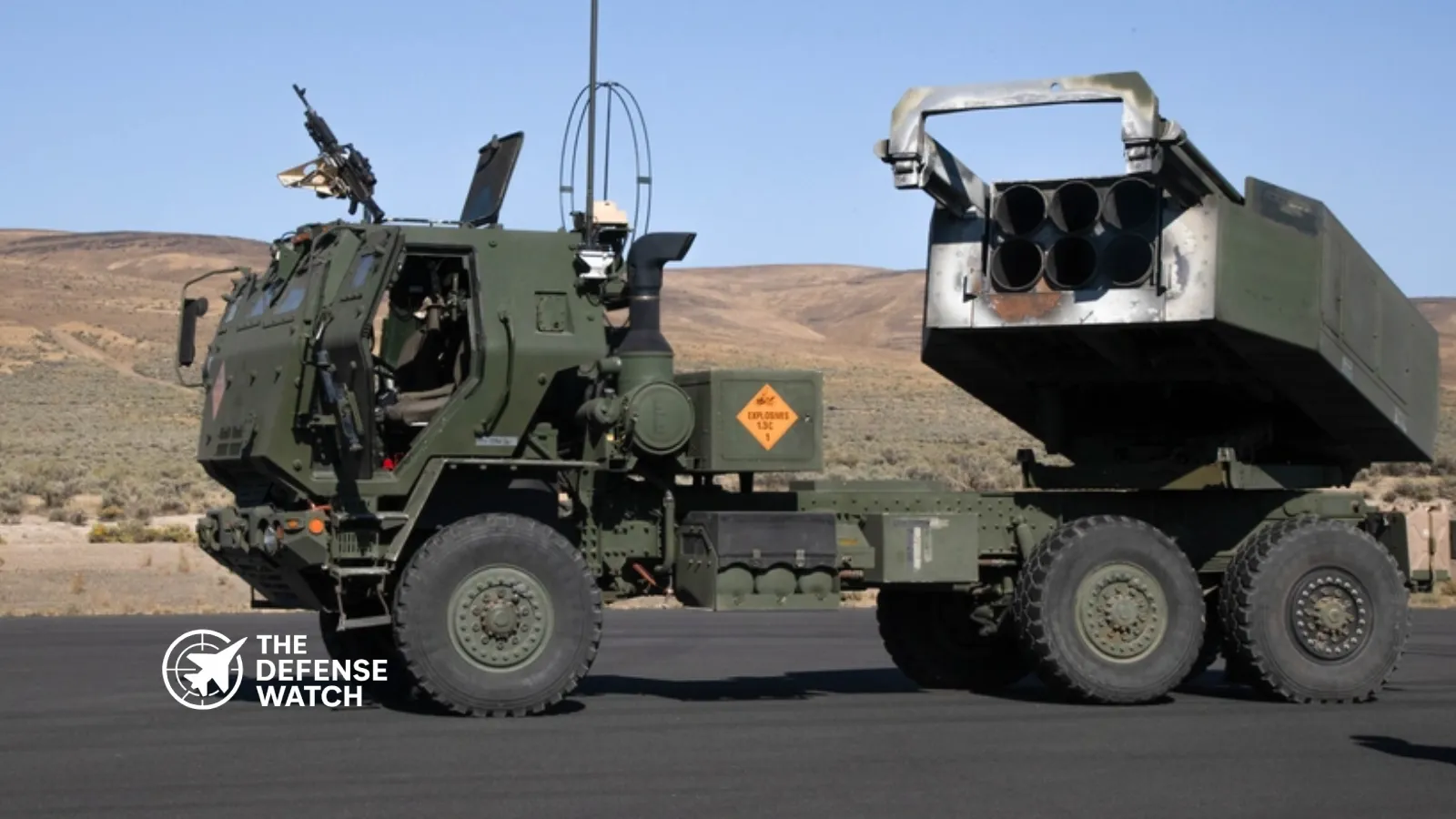
The system has been integrated on a range of platforms, including U.S. Marine Corps AH 1Z attack helicopters, U.S. Army AH 64 Apaches, U.S. Air Force F 16 fighter aircraft, and various unmanned systems. It has also been fielded on fixed wing aircraft and ground based launchers.

(adsbygoogle = window.adsbygoogle || []).push({});

The U.S. Department of Defense has repeatedly highlighted the need for scalable precision effects in counter insurgency and peer conflict environments. APKWS supports this requirement by enabling accurate engagement of lightly armored vehicles, small boats, and dismounted threats while limiting collateral damage.

Operational Demand And Production Growth

Reaching 100,000 units reflects more than just production scale. It signals sustained operational demand. U.S. military services have used APKWS in multiple theaters, and international customers continue to adopt the system.

The system’s appeal lies in cost efficiency and flexibility. Compared to larger precision missiles, guided 70mm rockets allow forces to carry higher quantities per sortie. This matters in high tempo operations where aircraft payload and cost per shot influence mission planning.

Recent conflicts have reinforced the value of affordable precision munitions. The ability to engage small unmanned systems, fast attack craft, or dispersed ground targets without expending high end missile inventories has become increasingly important. In that context, the APKWS laser guidance kit fills a niche that many militaries now consider essential.

Strategic Context: Affordable Precision In A High Demand Era

The milestone comes amid broader U.S. and allied efforts to expand munitions production capacity. Pentagon officials have repeatedly stressed the need to replenish stocks and increase output of precision weapons following sustained global demand.

(adsbygoogle = window.adsbygoogle || []).push({});

The APKWS laser guidance kit stands out because it leverages existing rocket inventories. Rather than building entirely new missile bodies, the guidance section is added to legacy systems. That model aligns with current modernization strategies focused on speed, scalability, and cost control.

In peer conflict scenarios, precision guided rockets can serve as a complement to more advanced long range weapons. They are not a substitute for stand off cruise missiles or high end anti armor systems. Instead, they provide commanders with layered options, allowing high value missiles to be reserved for priority targets.

- Advertisement -

This layered approach reflects lessons observed in recent conflicts, where both advanced and relatively low cost precision systems have played decisive roles.

Industry And Allied Adoption

BAE Systems has steadily expanded APKWS production to meet U.S. and foreign military sales requirements. The system has been adopted by multiple allied nations seeking to enhance close air support and maritime strike capabilities without incurring the full cost of larger missile programs.

As defense budgets face competing priorities, the value proposition of the APKWS laser guidance kit becomes clearer. It delivers precision using a familiar rocket format, requires minimal platform modification, and integrates into existing logistics chains.

(adsbygoogle = window.adsbygoogle || []).push({});

For industry, the 100,000th unit milestone reinforces the long term viability of incremental modernization programs. Rather than waiting for next generation systems, militaries are investing in upgrades that deliver immediate operational benefit.

What The 100,000 Unit Milestone Signals

The delivery of the 100,000th APKWS laser guidance kit is not simply a symbolic number. It highlights a broader shift in how armed forces balance capability, cost, and inventory depth.

As global security challenges evolve, demand for scalable, affordable precision strike options is likely to remain strong. Guided rocket systems like APKWS provide one answer to that demand.

(adsbygoogle = window.adsbygoogle || []).push({});

For BAE Systems, the milestone confirms the system’s sustained relevance in U.S. and allied force structures. For operators, it underscores the continued importance of flexible precision tools that bridge the gap between unguided munitions and high end missile systems.


TAGGED:APKWSBAE SystemsGuided RocketsPrecision WeaponsUS military
Share This Article
Facebook Copy Link Print
ByDaniel Mercer / Defense & Aerospace Analyst
Follow:
Daniel Mercer is a defense and aerospace analyst at TheDefenseWatch.com covering military aviation, aerospace technology, unmanned systems, air warfare, and defense procurement. His reporting uses official documents, government and military statements, company announcements, and other public sources.
Leave a Comment

Leave a Reply Cancel reply

Your email address will not be published. Required fields are marked *

Search Defense Systems

Latest Defense Systems

  • F-47A Fighter Jet F-47A Fighter Jet
  • China DF-61 Missile China DF-61 Missile
  • B61 Nuclear Bomb B61 Nuclear Bomb
  • Japan E-767 Airborne Japan E-767 Airborne
  • Remington 870 Shotgun Remington 870 Shotgun
  • RUTA B1 Cruise Missile RUTA B1 Cruise Missile
  • XQ-67A Drone XQ-67A Drone
  • B-25 Mitchell Bomber B-25 Mitchell Bomber
  • F-100 Super Sabre F-100 Super Sabre

Recent Compares

  • J-10C vs JF-17 Thunder: Which Fighter Is More Capable? J-10C vs JF-17 Thunder: Which Fighter Is More Capable? View Comparison →
  • Tejas vs Gripen: Key Differences and Capabilities Tejas vs Gripen: Key Differences and Capabilities View Comparison →
  • Tejas vs MiG-21 Bison: How India Replaced Its Iconic Supersonic Fighter Tejas vs MiG-21 Bison: How India Replaced Its Iconic Supersonic Fighter View Comparison →
  • F-35 vs F-16: Stealth, Sensors and Combat Roles F-35 vs F-16: Stealth, Sensors and Combat Roles View Comparison →
  • Tejas Fighter Jet vs F-16 Fighting Falcon: Capability Compared Tejas Fighter Jet vs F-16 Fighting Falcon: Capability Compared View Comparison →
  • Rafale Fighter Jet vs F-16 Fighting Falcon : Which Fighter Has the Edge? Rafale Fighter Jet vs F-16 Fighting Falcon : Which Fighter Has the Edge? View Comparison →
  • Su-57 Fighter Jet vs J-20 Fighter Jet: Stealth and Air Combat Compared Su-57 Fighter Jet vs J-20 Fighter Jet: Stealth and Air Combat Compared View Comparison →
  • Mirage 2000 vs Tejas Mk1A: Legacy Combat Power vs Indigenous Modernization Mirage 2000 vs Tejas Mk1A: Legacy Combat Power vs Indigenous Modernization View Comparison →
  • Rafale Fighter Jet vs F-22 Raptor: Which Air Dominance Fighter Has the Edge? Rafale Fighter Jet vs F-22 Raptor: Which Air Dominance Fighter Has the Edge? View Comparison →
  • Tejas Fighter Jet vs. Rafale Fighter Jet: India’s Indigenous Fighter Meets France’s Proven Multirole Combat Aircraft Tejas Fighter Jet vs. Rafale Fighter Jet: India’s Indigenous Fighter Meets France’s Proven Multirole Combat Aircraft View Comparison →

Recent Posts

  • Saab Wins SEK 2 Billion Contract to Equip Sweden’s Four New FDI Frigates
  • F-47 Fighter May Fly With Interim Engine as Next-Generation Propulsion Program Falls Behind Schedule
  • UK Says F-35 Agreement Guarantees Access to U.S. Support System
  • Pakistan and Tajikistan Conclude Dosti-III Counterterrorism Exercise at Cherat
  • Lockheed Martin Self-Funds Five Vectis Collaborative Combat Aircraft

You Might Also Like

Air Force counter-drone training
Conventional Weapons & ModernizationMilitary & Ordnance

Air Force, Secret Service Train Together to Strengthen Counter-Drone Defenses

November 5, 2026
Freyja missile defense system
Military & OrdnanceMissile Defense Systems

Ukraine Races To Deploy Freyja Missile Defense System Amid Rising Ballistic Missile Threat

September 7, 2026
PrSM ballistic missile combat use
Artillery & Missile SystemsMilitary & Ordnance

US Deploys 500km PrSM Ballistic Missile In First Combat Strike On Iran, U.S. Central Command Confirms

September 12, 2026
Northrop Grumman Propulsion Innovation Center
Hypersonic WeaponsMilitary & Ordnance

Northrop Grumman Expands Solid Rocket Motor Capacity With New Maryland Propulsion Center

September 9, 2026

Logo

Copyright © 2026 TheDefenseWatch.com

Helpful Links

  • Home
  • About Us
  • Privacy Policy
  • Terms of Use / Disclaimer
  • U.S. Privacy Notice – CCPA Compliance

Defense Systems

  • Defense Systems
  • Comparisons 
  • Manufacturer
  • Tactical Calculators

Popuplar

Which 5 Air Forces Possess the Costliest Fighter Jet Fleets in the World
Evolving Strategic Value: Carrier Strike Groups in the Indo-Pacific’s Future Security Architecture
Autonomous Weapon Systems Spark U.S. Ethics Debate Amid Rapid Military AI Integration

We report on developments involving military forces, governments, defense companies, research organizations, and security institutions around the world. 

Welcome Back!

Sign in to your account

Username or Email Address
Password

Lost your password?