Executive Summary:
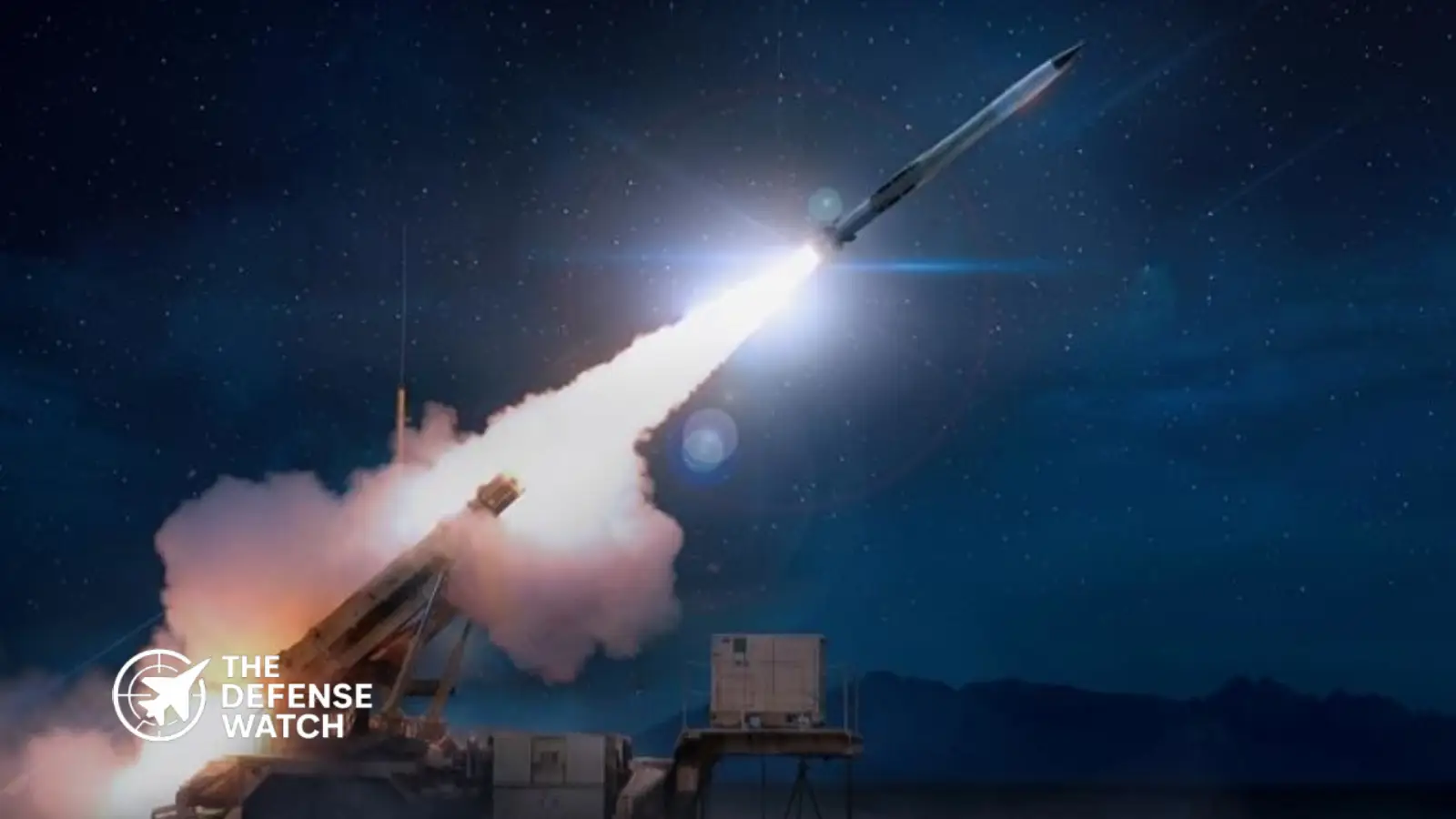
European missile manufacturer MBDA has unveiled the Counter Mass Interceptor at the 2026 Farnborough International Airshow, introducing a new air defense weapon designed specifically to defeat large numbers of low cost drones. The program aims to provide European and NATO militaries with a more affordable response to saturation attacks while reducing dependence on non European interceptor systems.
MBDA Unveils Counter Mass Interceptor To Address Drone Swarm Threats
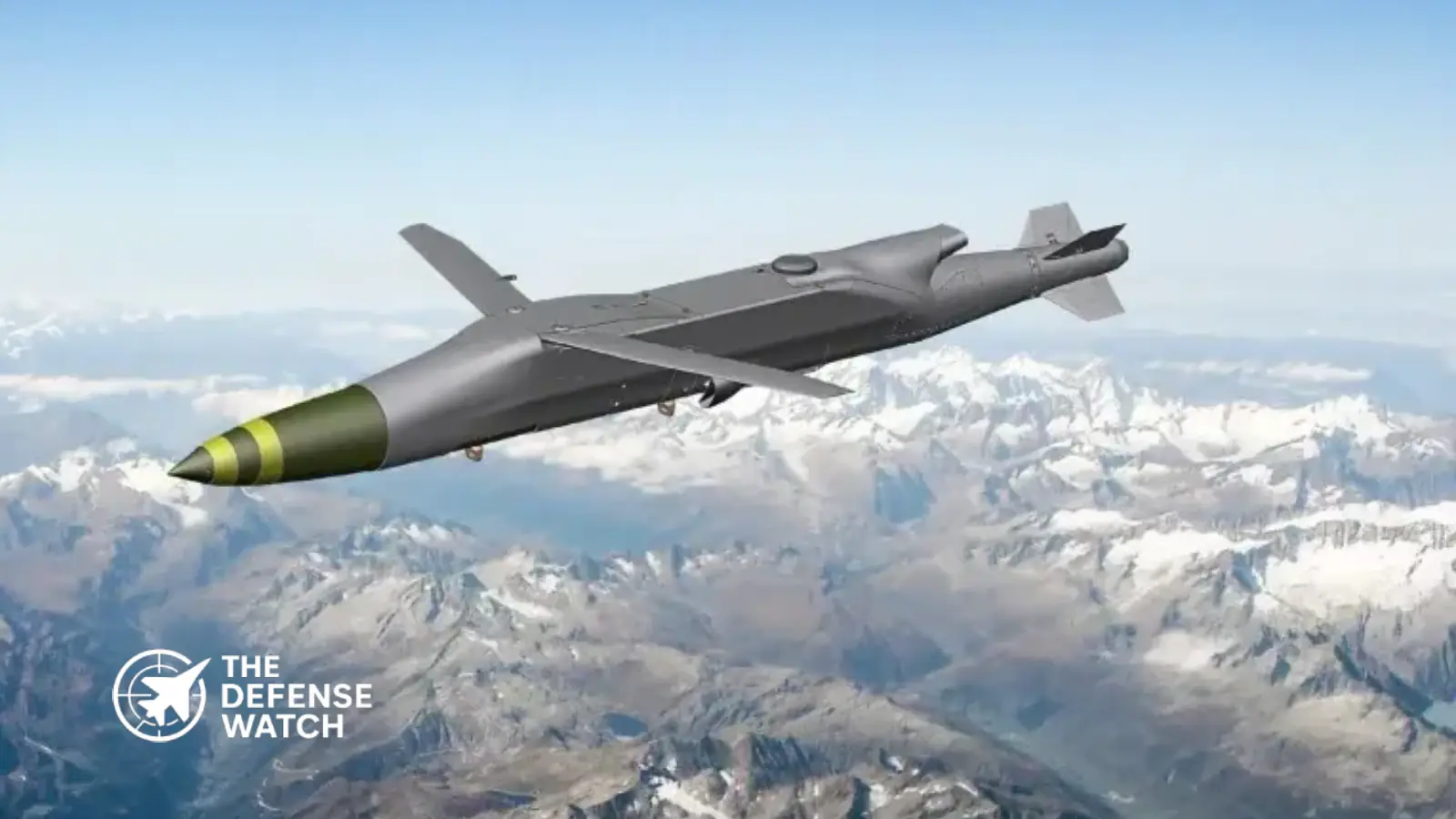
European missile manufacturer MBDA has introduced its new Counter Mass Interceptor, a missile designed to counter large scale drone attacks that have become a defining feature of modern conflicts. The system was unveiled during the Farnborough International Airshow on July 20, reflecting growing demand for affordable air defense solutions after extensive drone warfare in Ukraine and the Middle East.
According to MBDA, the new interceptor is intended to give European armed forces and NATO members a sovereign capability against saturation attacks, reducing reliance on foreign systems for defending critical military and civilian infrastructure.
Designed For The Economics Of Modern Air Defense
One of the principal challenges facing militaries today is the imbalance between the cost of attacking drones and the price of intercepting them.
Relatively inexpensive one way attack drones and loitering munitions can force defenders to expend missiles worth many times more than the incoming threat. This cost imbalance has become increasingly apparent during Russia’s extensive use of Shahed drones against Ukraine and the widespread employment of unmanned systems across the Middle East.
MBDA says the Counter Mass Interceptor is specifically intended to address this problem by providing a lower cost interceptor that can be manufactured at high volume.
Initial Capability Focuses On Small Drones
The first version of the Counter Mass Interceptor will focus primarily on defeating smaller unmanned aerial systems.
MBDA also outlined plans for a second interceptor variant with greater range and broader mission capability. That future version is expected to engage:
- Small and medium drones
- Rockets
- Glide bombs
- Subsonic cruise missiles
The future interceptor is also expected to provide all weather operational capability, expanding its usefulness across multiple operational environments.
Program Overview
| Feature | Details |
|---|---|
| System | Counter Mass Interceptor |
| Manufacturer | MBDA |
| Primary Mission | Counter mass drone attacks |
| Initial Targets | Small drones |
| Future Targets | Drones, rockets, glide bombs, subsonic missiles |
| Expected Initial Availability | 2028 |
| Production Strategy | Existing factories and adapted industrial production lines |
Production Strategy Prioritizes Scale
Unlike traditional missile production programs that emphasize relatively low production volumes, MBDA says the Counter Mass Interceptor has been designed around scalable manufacturing.
Company officials stated that production could occur either within MBDA facilities or through industrial partners using existing manufacturing infrastructure and repurposed production lines. The company described its objective as moving closer to an automotive style manufacturing model capable of producing interceptors at significantly higher rates than conventional missile programs.
The program is currently led by MBDA’s United Kingdom team, although later development phases are expected to transition to French leadership.
MBDA expects the initial operational version to become available in 2028.
Why The Program Matters
The Counter Mass Interceptor reflects a broader shift in air defense doctrine.
For decades, integrated air defense systems were optimized to defeat high value threats such as combat aircraft, cruise missiles, and ballistic missiles. Recent conflicts have demonstrated that inexpensive drones launched in large numbers can overwhelm sophisticated defenses through sheer volume rather than advanced performance.
This changing threat environment is forcing militaries to rethink procurement priorities. Air defense is no longer judged solely by interception probability. Cost per engagement, ammunition stockpiles, production capacity, and reload rates have become equally important operational considerations.
The United States has addressed similar challenges by expanding the use of systems such as the Advanced Precision Kill Weapon System (APKWS) alongside other layered counter UAS capabilities. MBDA’s new interceptor seeks to provide Europe with a comparable sovereign solution tailored for NATO requirements.
Broader European Air Defense Modernization
The Counter Mass Interceptor also fits within a wider European effort to strengthen indigenous missile defense capabilities.
Earlier this month, several major European defense companies announced the Bliksem EXO Consortium to develop a sovereign exo atmospheric interceptor capable of defeating medium and intermediate range ballistic missiles. Together, these initiatives illustrate Europe’s effort to expand both lower layer and upper layer air defense capabilities while reducing dependence on external suppliers.
Rather than replacing existing missile defense systems, the Counter Mass Interceptor is expected to complement them by providing a dedicated solution for defeating inexpensive aerial threats before higher cost interceptors become necessary.
Outlook
As unmanned systems continue to reshape battlefield operations, demand for affordable interceptors is likely to increase across NATO and allied militaries.
If MBDA achieves its production goals and planned 2028 introduction, the Counter Mass Interceptor could become an important component of Europe’s layered air defense architecture. Its emphasis on scalable manufacturing, lower engagement costs, and protection against saturation attacks addresses operational lessons emerging from today’s most active conflict zones while supporting longer term modernization efforts across the alliance.