Executive Summary:
RTX’s Pratt & Whitney has successfully tested a 3D printed rotating turbine component for its TJ150 turbojet engine. The achievement supports faster, more affordable production of propulsion systems designed for missiles and autonomous defense platforms at a time of growing global demand.
A Manufacturing Milestone For Military Propulsion
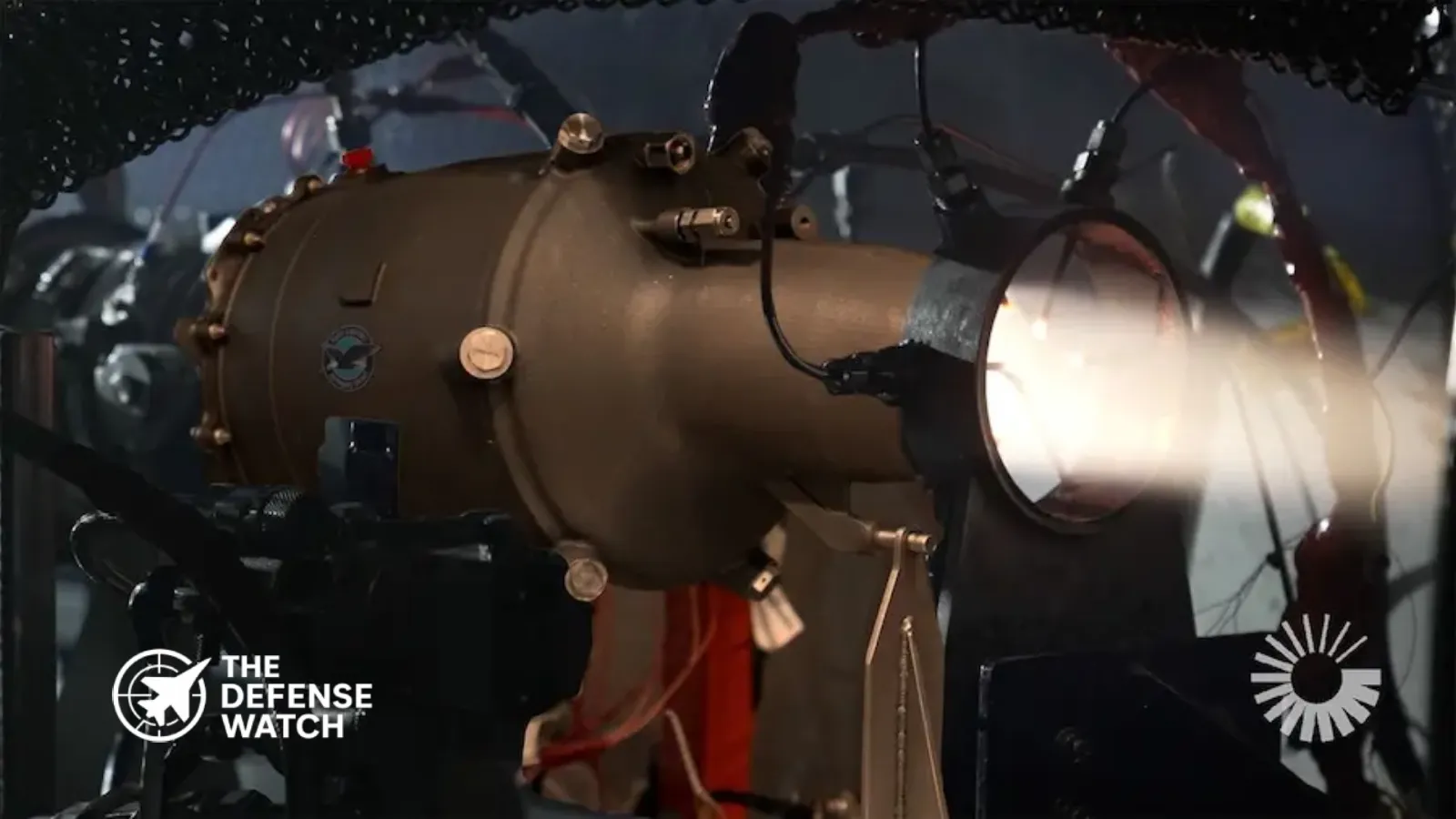
RTX Pratt & Whitney TJ150 development has reached a significant milestone after the company successfully completed testing of a 3D printed turbine wheel, one of the first rotating engine components produced using additive manufacturing for the compact turbojet.
The successful tests demonstrated that the engine operated at full speeds and temperatures while meeting expected durability targets. According to RTX, the achievement represents an important step beyond using additive manufacturing for static engine structures and into critical rotating hardware, which has traditionally been more difficult to manufacture and certify.
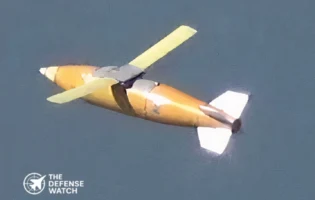
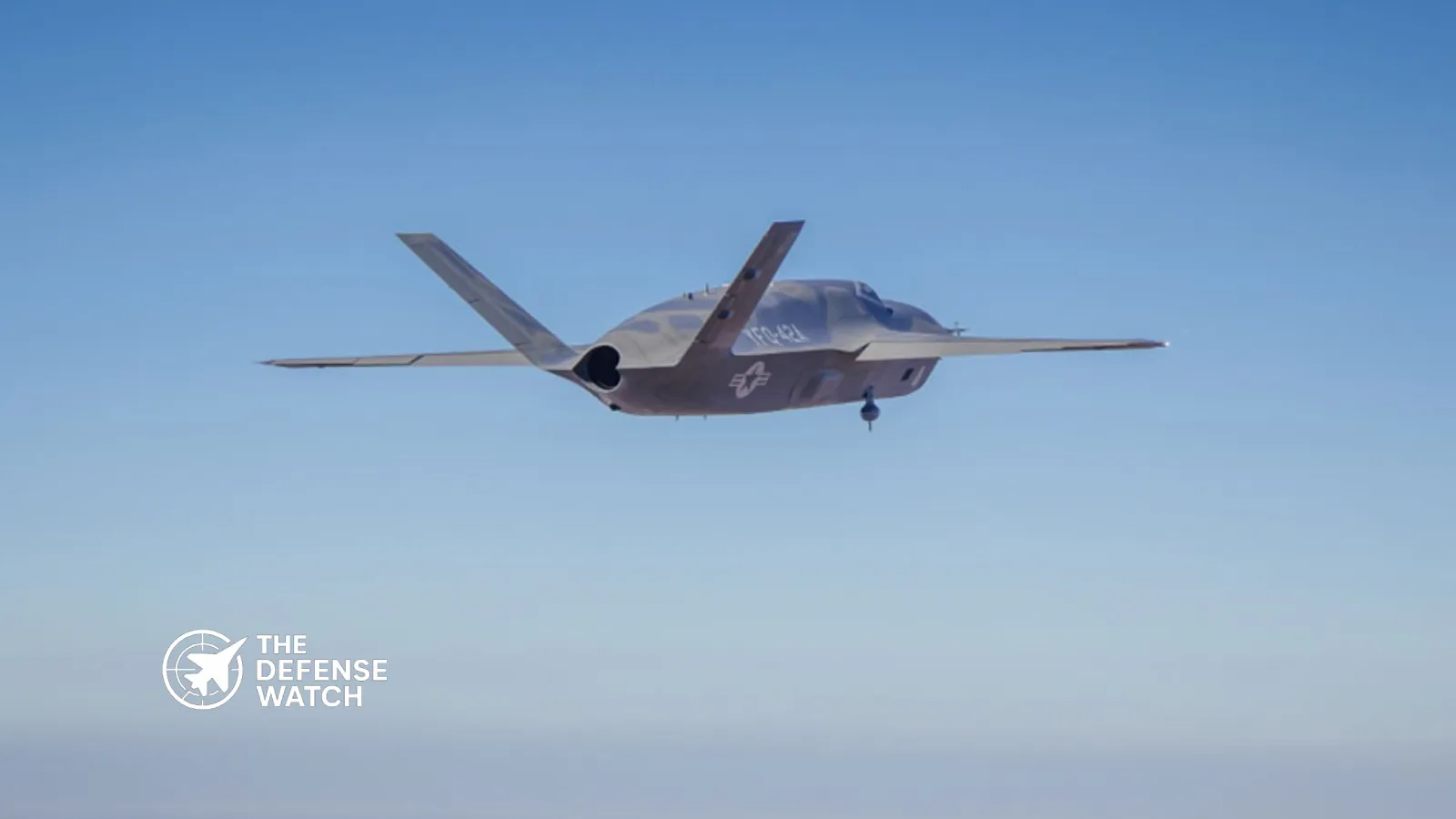
The TJ150 is a compact turbojet producing approximately 150 pounds of thrust and is designed for expendable and limited life applications, including cruise missiles, loitering munitions, and unmanned aerial systems. The engine has become increasingly relevant as defense organizations seek affordable propulsion systems that can be manufactured rapidly and at scale.
Additive Manufacturing Reduces Complexity
Pratt & Whitney’s advanced development organization, GATORWORKS, led the redesign of the TJ150 in partnership with the RTX Technology Research Center.
Engineers used an additive manufacturing approach known as unitization, reducing the engine’s core module from more than 50 individual parts to only a handful. The simplified architecture cuts production time, lowers manufacturing costs, and reduces supply chain complexity without changing the engine’s intended operational role. RTX also stated that the redesigned engine progressed from concept to testing within eight months using in-house development capabilities.
According to Chris Hugill, Executive Director of Pratt & Whitney GATORWORKS, the successful turbine wheel testing confirms that additive manufacturing is expanding beyond stationary components into rotating hardware for expendable propulsion applications.
Why The Test Matters
The successful validation of a rotating 3D printed turbine component is important because rotating engine hardware experiences some of the highest mechanical and thermal stresses inside a turbojet.
Historically, these parts have required conventional manufacturing techniques due to demanding certification and reliability requirements. Demonstrating acceptable performance under operational conditions could enable future production methods that shorten manufacturing timelines while expanding industrial capacity.
Although additive manufacturing has been used extensively for static aerospace components, applying it to rotating turbine hardware represents a more advanced stage of engine production. The technology could help manufacturers respond more quickly to increasing defense procurement requirements while reducing dependence on lengthy supply chains.
Growing Demand For Affordable Propulsion
Demand for compact turbojet engines has increased as militaries place greater emphasis on long range precision strike weapons, autonomous aircraft, and attritable systems that require reliable but lower cost propulsion.
The TJ150 has already entered production and supports multiple autonomous platforms and weapon systems. RTX has stated that production capacity is already established and can support higher volume manufacturing as customer demand grows. The company is also supplying the engine for Leidos’ Small Cruise Missile program, demonstrating the propulsion system’s expanding role across U.S. defense programs.
Analysis: Strengthening The Defense Industrial Base
Beyond the technical achievement, the latest RTX Pratt & Whitney TJ150 milestone reflects a broader shift occurring across the defense industry.
Modern conflicts have underscored the importance of producing large numbers of affordable precision weapons and autonomous systems rather than relying solely on smaller inventories of highly complex platforms. Engine production has become one of several industrial bottlenecks affecting missile manufacturing worldwide.
Additive manufacturing addresses multiple challenges simultaneously by reducing part counts, simplifying assembly, lowering production costs, and making supply chains more resilient. Rather than replacing traditional manufacturing entirely, it enables critical propulsion components to move from design to production significantly faster.
For defense planners, these improvements translate into greater manufacturing flexibility during periods of increased operational demand. For industry, they represent an opportunity to scale propulsion production without proportionally expanding traditional machining capacity.
While certification of additional rotating components will continue to require rigorous validation, Pratt & Whitney’s successful testing indicates that additive manufacturing is becoming an increasingly practical tool for next generation military propulsion.