Executive Summary:
Britain has confirmed that the Royal Navy will receive all eight planned Type 26 frigates, ending speculation that the fleet could be reduced following discussions with Norway over production slots. The decision preserves a key pillar of the United Kingdom’s future anti-submarine warfare capability at a time of heightened concern over Russian submarine activity and North Atlantic security.
Britain Confirms Full Type 26 Frigate Order
The British government has reaffirmed its commitment to the complete eight ship Type 26 frigate program, with Defence Minister Luke Pollard stating in Parliament that the Royal Navy’s planned force structure remains unchanged despite ongoing cooperation with Norway on future frigate procurement. The confirmation was reported on June 2 by UK Defence Journal and follows months of debate over whether production slots allocated to Britain could be transferred to Norway.
Pollard’s statement provides clarity after earlier parliamentary responses suggested that some Type 26 construction slots could be offered to Norway as part of a broader defense cooperation arrangement. Those comments had fueled concerns that the Royal Navy’s final order could fall below eight vessels.
The latest government position confirms that all eight anti-submarine warfare frigates remain part of the Royal Navy’s future fleet plan. According to Pollard, Britain and Norway are working toward a combined fleet of 13 Type 26 vessels while maintaining the UK’s original requirement.
Why The Type 26 Matters To British Naval Strategy
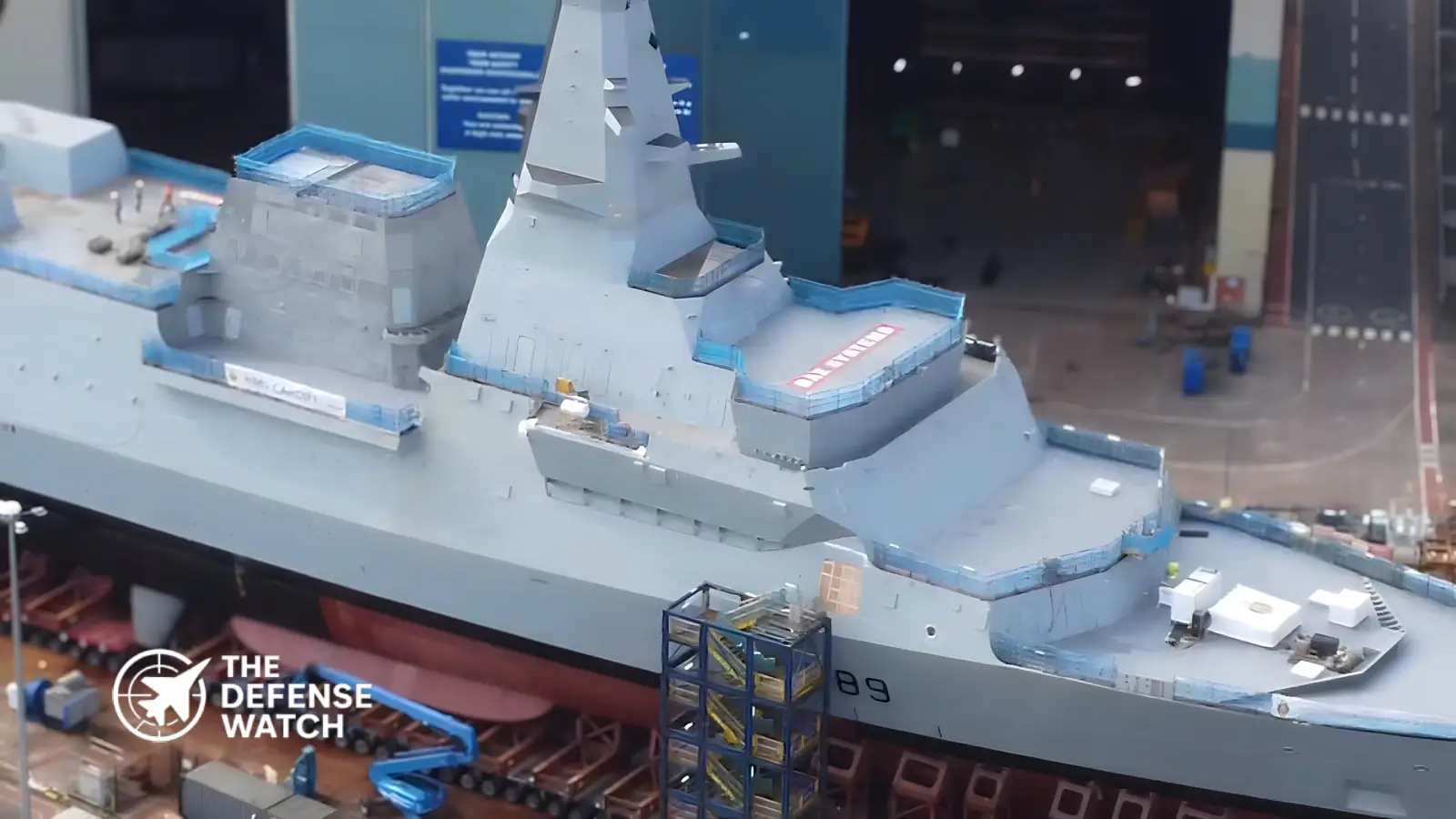
The Type 26 City-class frigate is designed primarily for anti-submarine warfare operations and will replace the Royal Navy’s aging Type 23 frigates.
The platform is expected to become the backbone of Britain’s submarine hunting capability across the North Atlantic, a region that has regained strategic importance due to increased Russian naval activity and growing concerns about undersea infrastructure security.
Key Type 26 Program Facts
| Category | Details |
|---|---|
| Class | Type 26 City-class Frigate |
| Planned Royal Navy Fleet | 8 Ships |
| Primary Mission | Anti-Submarine Warfare (ASW) |
| Replacement For | Type 23 ASW Frigates |
| Expected Service Entry | 2028 to 2035 |
| Builder | BAE Systems |
| Construction Location | Clyde Shipyards, Scotland |
Sources indicate that HMS Glasgow, the lead ship of the class, is progressing through final outfitting, while additional vessels are at various stages of construction at BAE Systems facilities on the Clyde.
Norway Partnership Raises Questions, But Not Fleet Cuts
The controversy emerged after Britain and Norway explored options allowing Oslo to acquire Type 26 frigates through British production capacity.
Earlier parliamentary statements acknowledged that some build slots originally associated with Royal Navy planning had been discussed as part of the Norwegian agreement. However, officials also indicated that any resulting shortfall would be addressed through future procurement decisions.
The latest clarification effectively removes uncertainty surrounding the Royal Navy’s requirement. Rather than reducing Britain’s fleet, the government now appears committed to ensuring that both nations receive their intended capabilities.
For Norway, the Type 26 selection represents a major investment in interoperability with NATO partners operating in the North Atlantic and Arctic regions. For Britain, maintaining eight vessels preserves force structure assumptions underpinning future carrier strike group operations and anti-submarine missions.
Strategic Significance For NATO And The North Atlantic
The decision carries implications beyond fleet numbers.
The North Atlantic has re-emerged as a central theater of strategic competition, particularly as NATO increases focus on protecting sea lines of communication, undersea cables, energy infrastructure, and reinforcement routes connecting North America and Europe.
Type 26 frigates are specifically optimized for detecting and tracking advanced submarines operating in contested maritime environments. Their low acoustic signature, advanced sensors, and future weapons integration are intended to provide the Royal Navy with a high-end ASW capability through the 2060s.
From a NATO perspective, a combined British and Norwegian Type 26 fleet could create a highly interoperable force focused on northern European waters, including the Greenland-Iceland-United Kingdom gap and Arctic approaches.
Industrial And Shipbuilding Implications
The confirmation also delivers certainty for Britain’s naval shipbuilding sector.
BAE Systems has invested heavily in modernizing shipyard infrastructure on the Clyde, including facilities intended to accelerate construction and support simultaneous assembly of multiple vessels. Continued production of all eight Royal Navy ships helps sustain long-term workload stability across the British naval industrial base.
The Type 26 program has become one of Britain’s most successful naval exports, with variants already selected by international partners. Norway’s decision further strengthens the platform’s position as a leading Western anti-submarine warfare frigate design.
Analysis: Why The Confirmation Matters
The government’s statement is significant because it preserves capability rather than merely maintaining ship numbers.
The Royal Navy is simultaneously managing the retirement of older Type 23 frigates, construction of the Type 31 class, future planning for the Type 83 destroyer program, and broader force modernization initiatives. Any reduction in Type 26 numbers would have placed additional strain on Britain’s ability to sustain carrier escort groups and conduct independent anti-submarine operations.
For defense planners, the issue is particularly important because anti-submarine warfare remains one of the most specialized and resource-intensive naval missions. High-end ASW platforms cannot be replaced quickly or cheaply once force structure decisions are made.
By confirming all eight ships, London has signaled that anti-submarine warfare remains a core national and NATO priority, even as defense budgets face competing modernization demands.
Outlook
Construction of the Type 26 fleet continues at shipyards in Scotland, with the first ships expected to enter operational service later this decade. Government officials maintain that all eight frigates will be delivered between 2028 and 2035, ensuring continuity as the Royal Navy transitions away from the Type 23 fleet.
The latest announcement removes uncertainty surrounding fleet numbers and reinforces the Type 26 program’s central role in Britain’s future maritime strategy.