Executive Summary:
The United States has approved a $540 million sustainment package for Canada’s C-17 Globemaster III transport aircraft fleet. The agreement supports long-term Arctic mobility, rapid response capability, and interoperability between Canadian and US forces in the High North.
Canada Expands Arctic Airlift Readiness With New C-17 Sustainment Package
The US approval of a $540 million Canada C-17 sustainment package marks another major step in strengthening North American Arctic defense readiness. According to the US Defense Security Cooperation Agency (DSCA), the package will support the Royal Canadian Air Force’s fleet of Boeing C-17 Globemaster III strategic transport aircraft through maintenance, spare parts, logistics support, software updates, and related sustainment services.
The proposed Foreign Military Sale comes as Canada continues to prioritize rapid mobility and logistical access across the Arctic, where harsh weather, vast distances, and limited infrastructure create operational challenges for military forces.
The DSCA notified the US Congress of the proposed deal, which includes support services designed to maintain operational availability and mission readiness for Canada’s heavy airlift fleet. The principal contractor will be Boeing.
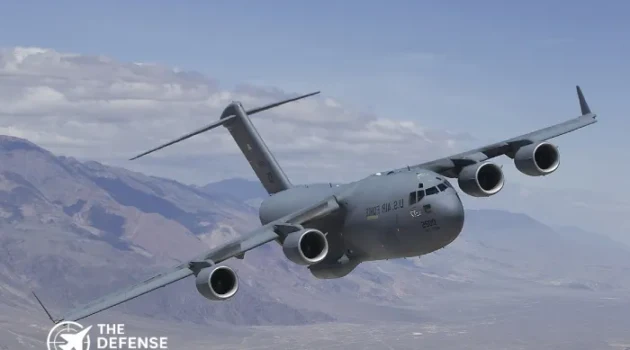
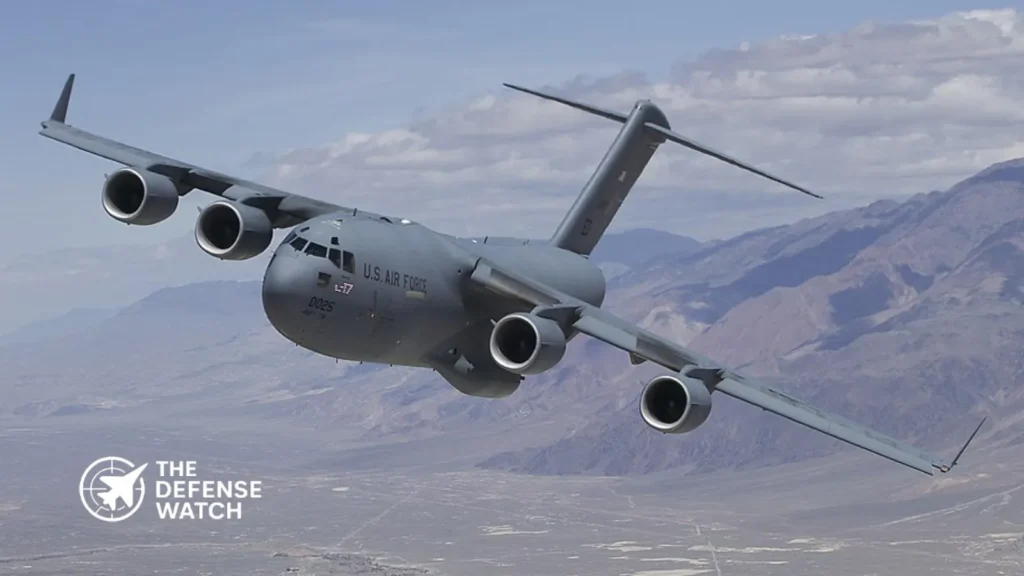
Canada currently operates five C-17 Globemaster III aircraft under the Royal Canadian Air Force. The aircraft are based at CFB Trenton and have become central to Canada’s strategic air mobility operations since entering service in 2007.
Why The C-17 Globemaster III Remains Critical To Canada
The C-17 Globemaster III has become one of the most important assets in Canada’s long-range transport and humanitarian response capability. The aircraft is capable of transporting troops, armored vehicles, helicopters, medical equipment, and oversized cargo across intercontinental distances without relying heavily on forward staging bases.
For Arctic operations, that capability is especially important. Many northern regions lack developed infrastructure, making airlift one of the few viable options for rapid deployment and sustainment missions.
The aircraft can operate from short and semi-prepared runways, allowing Canada to reach remote Arctic locations faster than many conventional transport aircraft. This flexibility supports sovereignty patrols, disaster response operations, military exercises, and NATO deployment requirements.
The sustainment package is intended to preserve those capabilities over the long term as operational demands continue to increase in the Arctic region.
Arctic Security Concerns Continue To Grow
The timing of the approval reflects broader strategic concerns across the Arctic. NATO members and regional powers are increasing military activity in the High North as climate change opens new maritime routes and expands access to natural resources.
Canada has repeatedly emphasized the need to modernize Arctic surveillance, mobility, and response capabilities. Ottawa has also invested in NORAD modernization programs alongside the United States to improve continental defense infrastructure.
Strategic airlift plays a central role in that effort. Unlike fighter aircraft or naval vessels that require significant basing infrastructure, heavy transport aircraft can rapidly move personnel and equipment across Canada’s northern territory with fewer logistical constraints.
The approval also reinforces defense interoperability between Canada and the United States. Shared sustainment frameworks and logistics support help ensure Canadian aircraft can operate alongside US and NATO forces during multinational operations.
Sustainment Deals Increasingly Important Across NATO Fleets
While defense procurement often focuses on new platforms, sustainment and readiness programs have become increasingly important across NATO militaries. Maintaining operational availability for existing fleets is now viewed as essential amid growing global demand for rapid deployment capability.
Heavy airlift aircraft like the C-17 are particularly valuable because relatively few nations possess strategic transport fleets capable of moving large military payloads over long distances.

Image : creative commons Canada has used its C-17 fleet extensively for domestic emergency operations, international humanitarian missions, NATO deployments, and military support operations in Europe and the Middle East.
The aircraft have also supported wildfire response missions, disaster relief operations, and evacuations, demonstrating their dual military and civil utility.
By approving the sustainment package, Washington is helping ensure Canada can maintain continuous readiness for both domestic and allied operations across multiple theaters.
Boeing Continues Long-Term Support Role
Boeing remains the primary contractor supporting global C-17 operations. Although production of the aircraft ended in 2015, the platform continues to serve as a backbone strategic airlifter for several allied nations, including the United States, United Kingdom, Australia, India, and Canada.
Sustainment agreements have become increasingly significant as operators seek to extend the service life of existing fleets while preserving readiness rates.
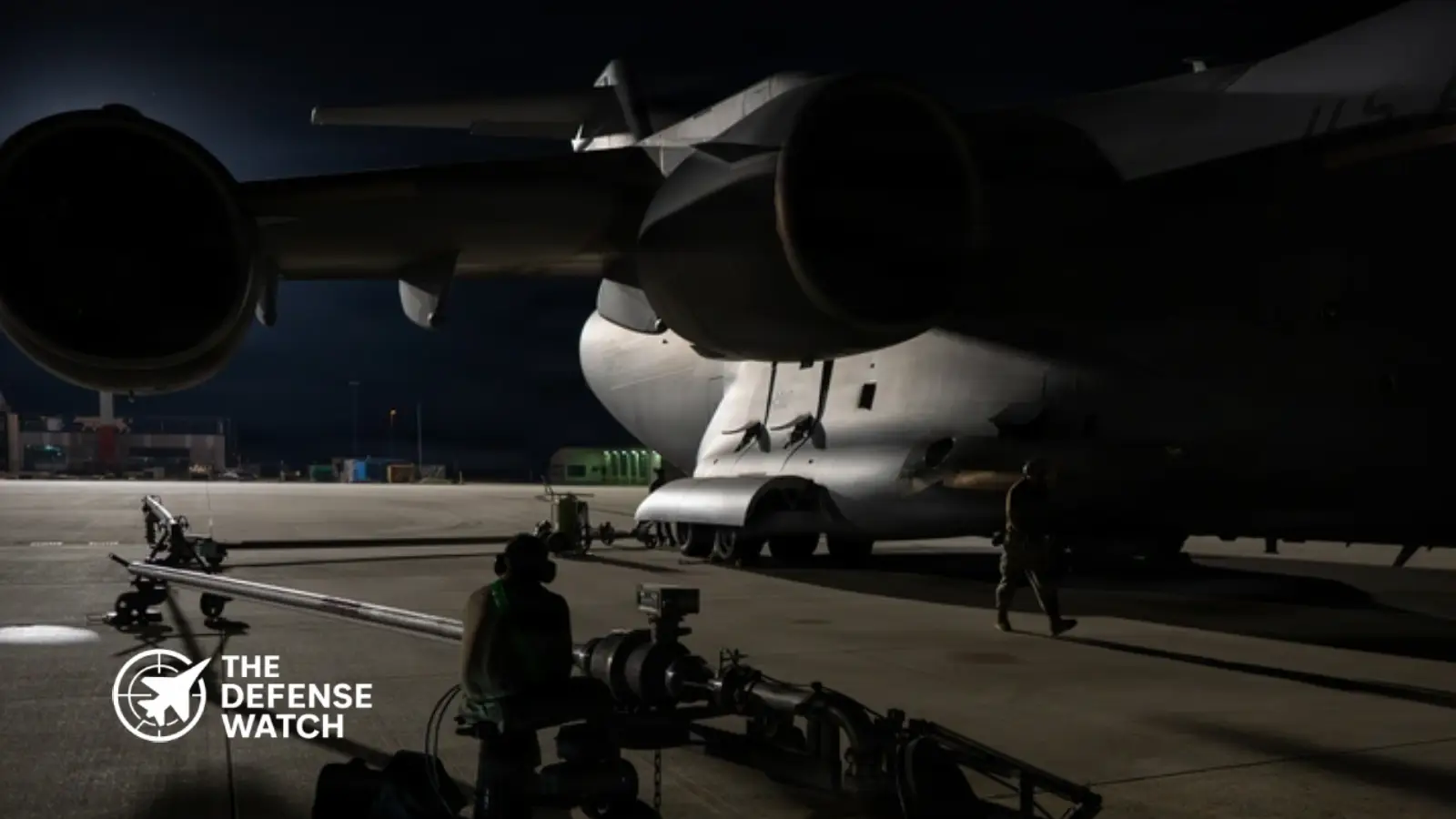
The latest package for Canada includes engineering support, software maintenance, spare components, technical documentation, training support, and logistics assistance.
According to the DSCA, the proposed sale will not alter the military balance in the region but will improve Canada’s ability to meet current and future defense requirements.
Strategic Importance Beyond Canada
The Canada C-17 sustainment package also highlights the broader shift toward Arctic preparedness among Western allies. As geopolitical competition intensifies in the region, mobility and logistical reach are becoming key operational advantages.
Rapid airlift capability allows NATO members to reinforce northern territories quickly without relying exclusively on permanent forward deployments.
For Canada, maintaining a reliable heavy transport fleet supports both national sovereignty and alliance commitments. The Arctic remains one of the most demanding operational environments in the world, making sustainment and readiness just as important as acquiring new military systems.
The approval further demonstrates ongoing US support for allied defense modernization and continental security coordination.