

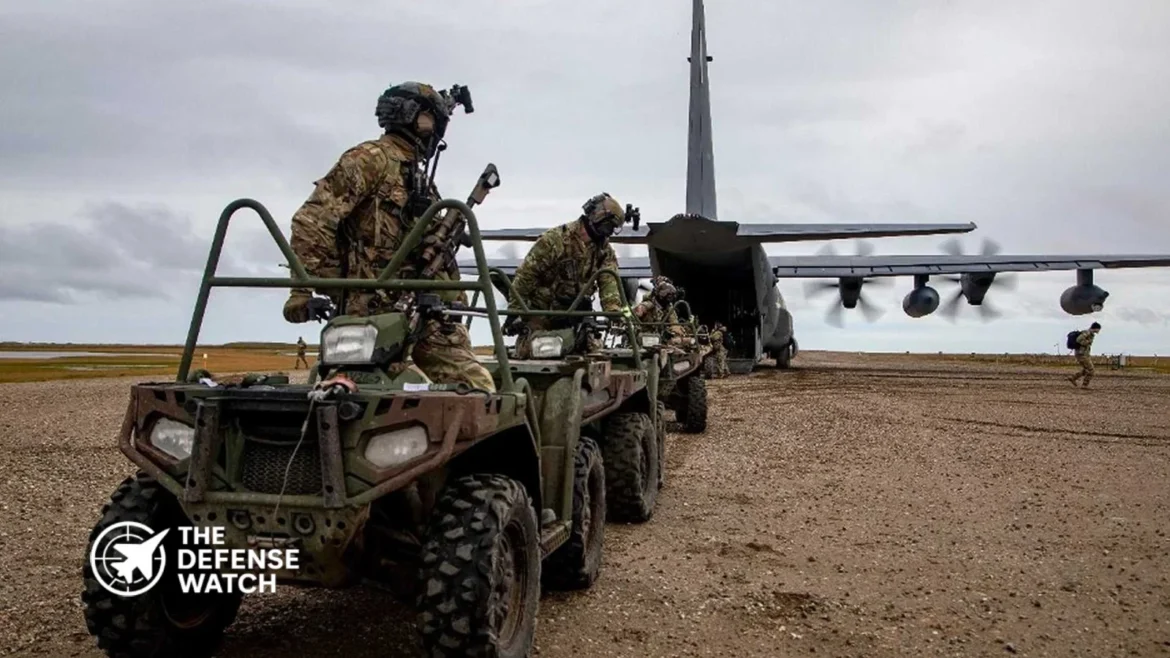
Executive Summary: U.S. Special Operations Forces are conducting Polar Dagger 2026 across western Alaska from August 15 through August 31. The exercise tests the ability of small teams to operate from remote Arctic locations near the Bering Strait, strengthening U.S. readiness for homeland defense in a difficult and strategically important region.
U.S. Special Operations Forces Expand Arctic Operations
U.S. Special Operations Forces are deploying across western Alaska for Polar Dagger 2026, placing personnel at several remote locations close to the Bering Strait and Russia’s Far East. The annual operation is designed to demonstrate and refine the ability of special operations forces to deploy rapidly, operate in austere Arctic conditions, and integrate with broader U.S. Northern Command capabilities.
According to Army Recognition, the 2026 operation runs from August 15 through August 31 and includes activity at Little Diomede Island, St. Lawrence Island, Wales, Tin City, Nome, and Point Hope. The deployment creates a dispersed operating network stretching from the Bering Sea toward the Chukchi Sea.
The locations are significant because western Alaska has limited infrastructure, long distances between communities, difficult weather, and few conventional transportation routes. These conditions make the region a demanding environment for military forces that must move personnel, equipment, fuel, communications systems, and medical support over large distances.
U.S. Special Operations Command’s 2026 Fact Book confirms that Special Operations Command North executes Polar Dagger annually to demonstrate rapidly deployable special operations forces in the Arctic. The command also identifies Arctic operations as a continuing component of its homeland defense responsibilities.
Little Diomede Highlights the Exercise’s Geographic Importance
Among the locations involved, Little Diomede is particularly important.
The island sits in the Bering Strait, directly across from Russia’s Big Diomede Island. The two islands are separated by only a few miles, placing the U.S. operating area close to Russian territory.
That geography gives Little Diomede value as a training location for small-unit operations in an environment where communications, transportation, resupply, and evacuation can become major operational challenges.
The exercise should not be interpreted simply as a forward deployment against Russia. Polar Dagger is an established training and readiness activity. Its broader purpose is to determine how U.S. special operations forces can contribute to Arctic situational awareness and homeland defense under demanding conditions.
The distinction is important. The presence of U.S. personnel near Russia reflects the geography of the Bering Strait as much as any particular tactical message.
Western Alaska Creates a Difficult Military Environment
Wales and Tin City provide additional positions on the Seward Peninsula, while St. Lawrence Island extends the exercise farther into the Bering Sea. Nome provides a more developed logistical base for moving personnel and equipment into western Alaska.
Point Hope adds another operating location farther north along the Chukchi Sea coast. Together, the sites create a broad area in which U.S. forces can examine how dispersed teams function across the Arctic.
The operational challenge is not simply reaching these locations.
A small team may be able to arrive quickly, but maintaining that team is more difficult. Personnel need dependable communications, transportation, resupply, medical support, weather information, and reliable links to commanders and other military units.
That makes sustainment a central measure of Arctic readiness.
Previous Polar Dagger operations have tested long-range movement, infiltration and extraction, critical infrastructure protection, personnel recovery, resupply, communications, and special operations integration. A 2023 SOCNORTH exercise also involved more than 150 joint special operations personnel conducting activities across Alaska, including reconnaissance, long-range movements, infrastructure assessments, rapid resupply, and personnel recovery.
Polar Dagger Builds on Earlier Arctic Exercises
Polar Dagger 2026 is part of a wider pattern of U.S. military activity in Alaska.
During the 2024 iteration, Special Operations Command North deployed forces aboard the USS John L. Canley for operations around the Bering Sea, Arctic Circle, and St. Lawrence Island. The exercise was intended to refine rapidly deployable special operations capabilities and response options in support of U.S. Northern Command’s homeland defense mission.
Earlier Polar Dagger activity also integrated Navy special warfare personnel with the USS John P. Murtha in the Bering Sea. The operation demonstrated the ability of special operations forces to work from austere Arctic locations while supporting critical infrastructure defense and joint-force interoperability.
Official U.S. military imagery from the 2024 exercise shows Special Operations Command North personnel operating at Little Diomede and Wales, highlighting the importance of local knowledge and cooperation with Alaska Native communities in Arctic operations.
Tundra Merlin Adds a Larger Joint-Force Layer
The importance of Polar Dagger becomes clearer when viewed alongside other U.S. Arctic activities.
The 2026 operation complements Tundra Merlin, another activity in western Alaska that has involved larger conventional capabilities. The publication reported that U.S. forces used Nome as a staging area for personnel, an M142 HIMARS launcher, and an AN/TPQ-53 radar, with Royal Canadian Air Force C-17 aircraft supporting the movement of equipment.
The wider Arctic defense picture also includes fighter aircraft and aerial refueling assets. Recent U.S. training in Alaska has involved F-35A Lightning II and F-16 fighters, KC-135 tankers, HIMARS, and ground-based radar capabilities.
This combination illustrates a key feature of modern Arctic defense: no single unit can cover the region alone.
Small special operations teams can provide local presence and potentially contribute to reconnaissance and infrastructure security. Larger aircraft, radars, missile systems, ships, and command networks provide the reach and firepower needed to respond to information generated across the region.
Communications Could Be the Critical Test
For Polar Dagger 2026, communications may be as important as mobility.
A team positioned on a remote island has limited value if it cannot reliably transmit information to commanders, aircraft, ships, intelligence networks, or other joint forces.
The Arctic creates additional complications. Sparse infrastructure, severe weather, long distances, and limited terrestrial communications can make conventional command-and-control arrangements difficult.
SOCNORTH has not publicly identified all special operations units, aircraft, maritime platforms, unmanned systems, sensors, or communications equipment participating in Polar Dagger 2026. That means specific claims about the exercise’s operational equipment should be treated cautiously until the U.S. military releases additional information.
This lack of detailed disclosure is normal for a special operations exercise and does not indicate that particular systems are or are not being used.
Why Polar Dagger Matters for U.S. Arctic Defense
The strategic value of Polar Dagger extends beyond cold-weather training.
The Bering Strait connects the North Pacific and Arctic regions and represents one of the most important geographic approaches between Alaska and the Russian Far East. As activity in the Arctic increases, the United States needs forces capable of operating across large areas where permanent military infrastructure is relatively limited.
Special operations forces can help address part of that challenge because they are structured to operate in small formations and can deploy into locations that are difficult for larger units to occupy continuously.
The key test is therefore not how many personnel are deployed. It is whether relatively small teams can arrive quickly, establish communications, operate safely, collect and share useful information, and remain supported over time.
That is a more meaningful measure of Arctic readiness than simply maintaining a temporary presence.
The U.S. military has continued to expand Arctic-focused training and integration. In February and March 2026, NORAD and U.S. Northern Command conducted Arctic Edge 2026 across Alaska and Greenland, bringing together U.S. forces, Canadian and Danish partners, the Alaska National Guard, and other organizations for multidomain Arctic training.
Polar Dagger fits within that broader effort by focusing specifically on the special operations component of Arctic and homeland defense.
What to Watch as Polar Dagger 2026 Continues
The most important developments will be the systems and units that become publicly identified as the exercise progresses.
Particular attention should be given to aviation support, unmanned systems, maritime operations, satellite and tactical communications, Arctic mobility equipment, and integration with conventional forces.
The exercise could also provide useful information about how the United States intends to connect dispersed Arctic forces with the wider homeland defense architecture.
For now, the clearest conclusion is that Polar Dagger 2026 is focused on operational readiness rather than a new permanent U.S. military deployment. The exercise demonstrates the value Washington places on being able to move specialized forces rapidly into remote areas of western Alaska and keep them connected to the broader joint force.
As Arctic competition and military activity continue to receive greater attention, the ability to operate from difficult terrain may become an increasingly important part of U.S. homeland defense planning.

atOptions = { ‘key’ : ‘e7d18db8b7513fb2a224cf4c3f18bbf0’, ‘format’ : ‘iframe’, ‘height’ : 90, ‘width’ : 728, ‘params’ : {} };Executive Summary:
The Danish Ministry of Defence confirmed the acquisition of two Boeing P-8A Poseidon maritime patrol aircraft from the United States. The purchase, part of the 2024-2033 Danish Defence Agreement, aims to rebuild Denmark’s long-range maritime surveillance and anti-submarine warfare (ASW) capabilities across Greenland, the Faroe Islands, and the North Atlantic. This move addresses critical gaps in monitoring vast Arctic approaches and supports NATO objectives for tracking Russian submarines through the GIUK gap.
Denmark Procures P-8A Poseidon for Arctic Sovereignty
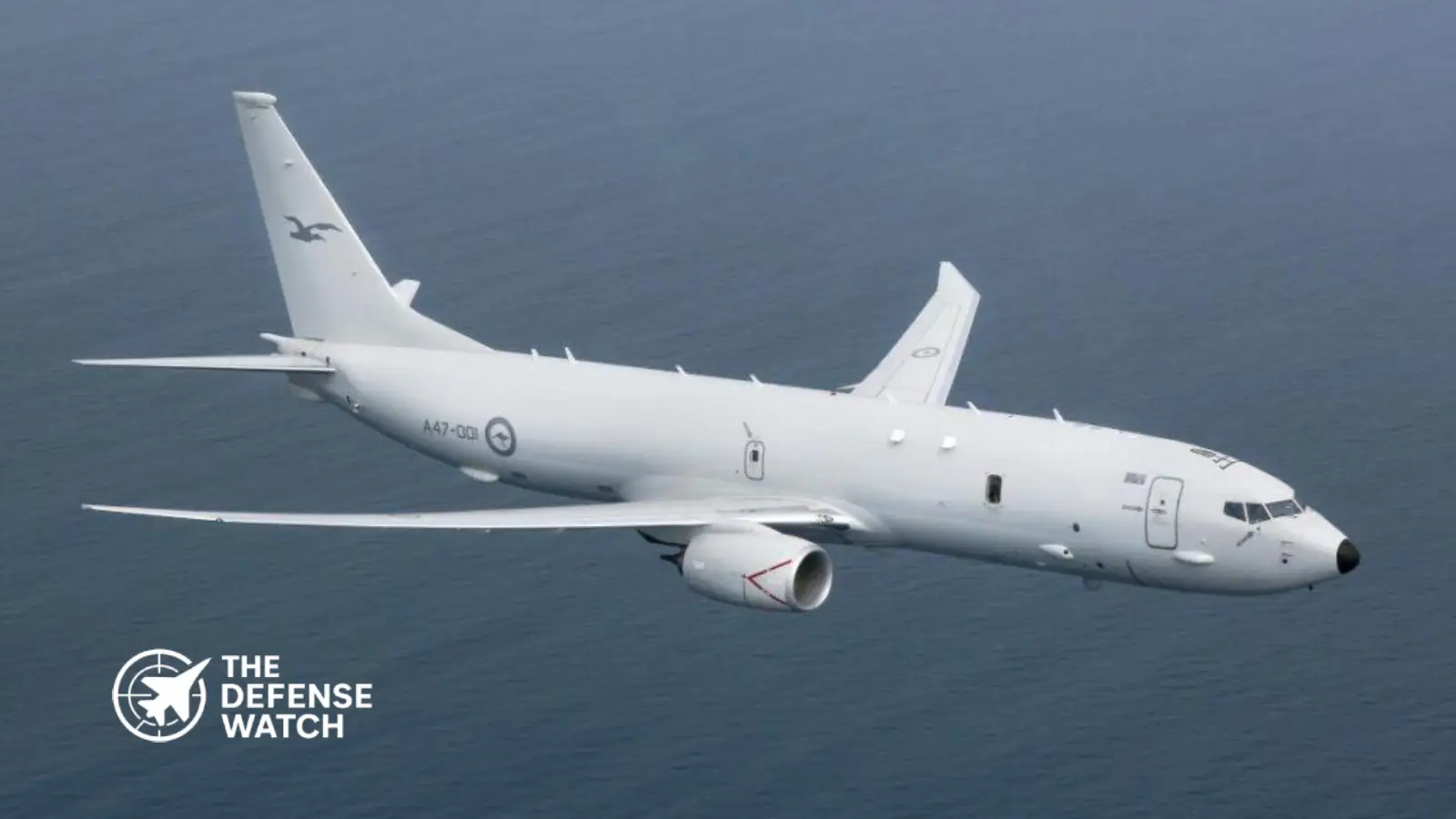
The Danish Ministry of Defence announced, that it will purchase two Boeing P-8A Poseidon aircraft to enhance its ability to conduct persistent maritime surveillance and anti-submarine operations in strategically vital northern waters.
This decision fulfills priorities outlined in Denmark’s 2024-2033 Defence Agreement, particularly its Arctic and North Atlantic components, which emphasize strengthened sovereignty enforcement and information dominance in regions beyond the reach of surface ships and helicopters.
Background and Procurement Timeline
Denmark’s interest in the P-8A dates back to at least September 2025, when Defence Minister Troels Lund Poulsen publicly discussed the need for advanced maritime patrol aircraft. The U.S. State Department approved a potential Foreign Military Sale of up to three P-8A aircraft and associated systems on December 29, 2025, with an estimated value of $1.8 billion.
Copenhagen has opted for an initial batch of two airframes, leaving open the possibility of acquiring the third approved aircraft later. The rapid timeline—from evaluation to acquisition in under a year—reflects heightened urgency driven by evolving security dynamics in the High North.
- (adsbygoogle = window.adsbygoogle || []).push({});
P-8A Poseidon Capabilities and Technical Specifications
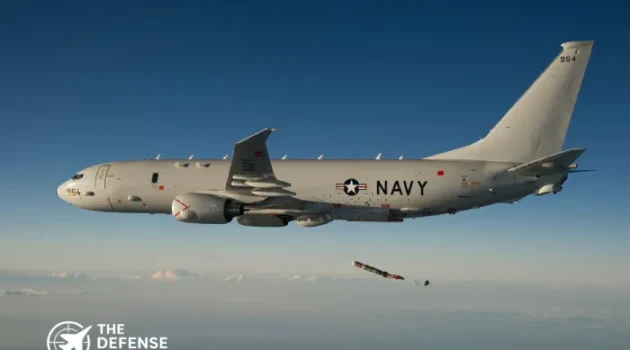
The P-8A Poseidon, derived from the Boeing 737-800 commercial airliner, provides a significant leap in performance over legacy maritime patrol platforms. Key specifications include:
- Crew: 9 (2 flight crew + 7 mission specialists)
- Engines: 2 × CFM56-7B turbofans (27,300 lbf thrust each)
- Maximum Speed: 490 knots
- Ceiling: 41,000 feet
- Range: Over 1,200 nautical miles radius with 4+ hours on station
- Sensors: AN/APY-10 multi-mode radar, MX-20HD electro-optical/infrared turret, AN/AAQ-2(V) acoustic processing system, and advanced electronic support measures
- Armament: Internal bays for Mk 54 lightweight torpedoes (weapons not included in initial Danish package)
These features enable high-altitude, long-endurance patrols with superior sensor fusion for detecting submerged and surface threats.
Capability P-8A Poseidon Advantage Altitude & Speed Operates above weather and commercial traffic for broader sensor coverage Sensor Suite Integrated radar, acoustics, and EO/IR for multi-domain maritime domain awareness Endurance Extended loiter time over remote Arctic areas Interoperability NATO-compatible data links for shared operational picture Strategic Context: The GIUK Gap and Russian Submarine Threat
The acquisition directly supports NATO’s focus on the Greenland-Iceland-United Kingdom (GIUK) gap, a critical chokepoint for Russian submarines transiting from the Kola Peninsula into the Atlantic. Denmark’s responsibilities for Greenland and the Faroe Islands place it at the forefront of monitoring these expansive maritime domains, where traditional assets struggle to maintain continuous presence.
(adsbygoogle = window.adsbygoogle || []).push({});Chief of Defence General Michael Wiggers Hyldgaard highlighted the need for long-range information gathering to defend the entire Kingdom of Denmark. The P-8A will complement existing assets and reduce dependence on allied aircraft for routine patrols.
Analysis: Implications for U.S. and NATO Strategy
This procurement strengthens NATO’s collective ASW posture in the North Atlantic at a time when Russian undersea activity has increased. For the United States, it bolsters a key ally’s capabilities while promoting interoperability across the P-8 operator community, which includes the U.S. Navy, UK, Norway, Australia, and others. Shared maintenance and training arrangements could emerge, enhancing overall alliance efficiency.
Operationally, the P-8A’s high-altitude operations and advanced acoustics offer advantages in the challenging Arctic environment, though cold-weather performance and logistical support in remote areas present technical hurdles that Denmark and Boeing/Terma will need to address through their existing MoU for potential local MRO capabilities.
From a U.S. perspective, the sale reinforces American defense exports and industrial base while advancing shared security interests without direct American forward presence. It also signals to adversaries that NATO members are investing in high-end capabilities to close surveillance gaps.
Future Outlook and Potential Expansion
Denmark’s initial two-aircraft fleet provides a foundational capability, with potential for growth to three or more depending on availability requirements for training, maintenance, and sustained operations. Integration with NATO command structures and data-sharing networks will be key to maximizing effectiveness.
(adsbygoogle = window.adsbygoogle || []).push({});The program also includes significant support elements such as training, logistics, and systems like the AN/APY-10 radar and acoustic processors, ensuring rapid operational readiness.
(adsbygoogle = window.adsbygoogle || []).push({});Executive Summary:
Canada has formally selected the High Mobility Artillery Rocket System (HIMARS) as the foundation of its new Long Range Precision Strike capability. The acquisition of 26 launchers will provide the Canadian Armed Forces with a long-range precision fires capability for the first time, strengthening Arctic defense, NATO interoperability, and continental deterrence.
Canada HIMARS Acquisition Marks Major Shift In Army Modernization
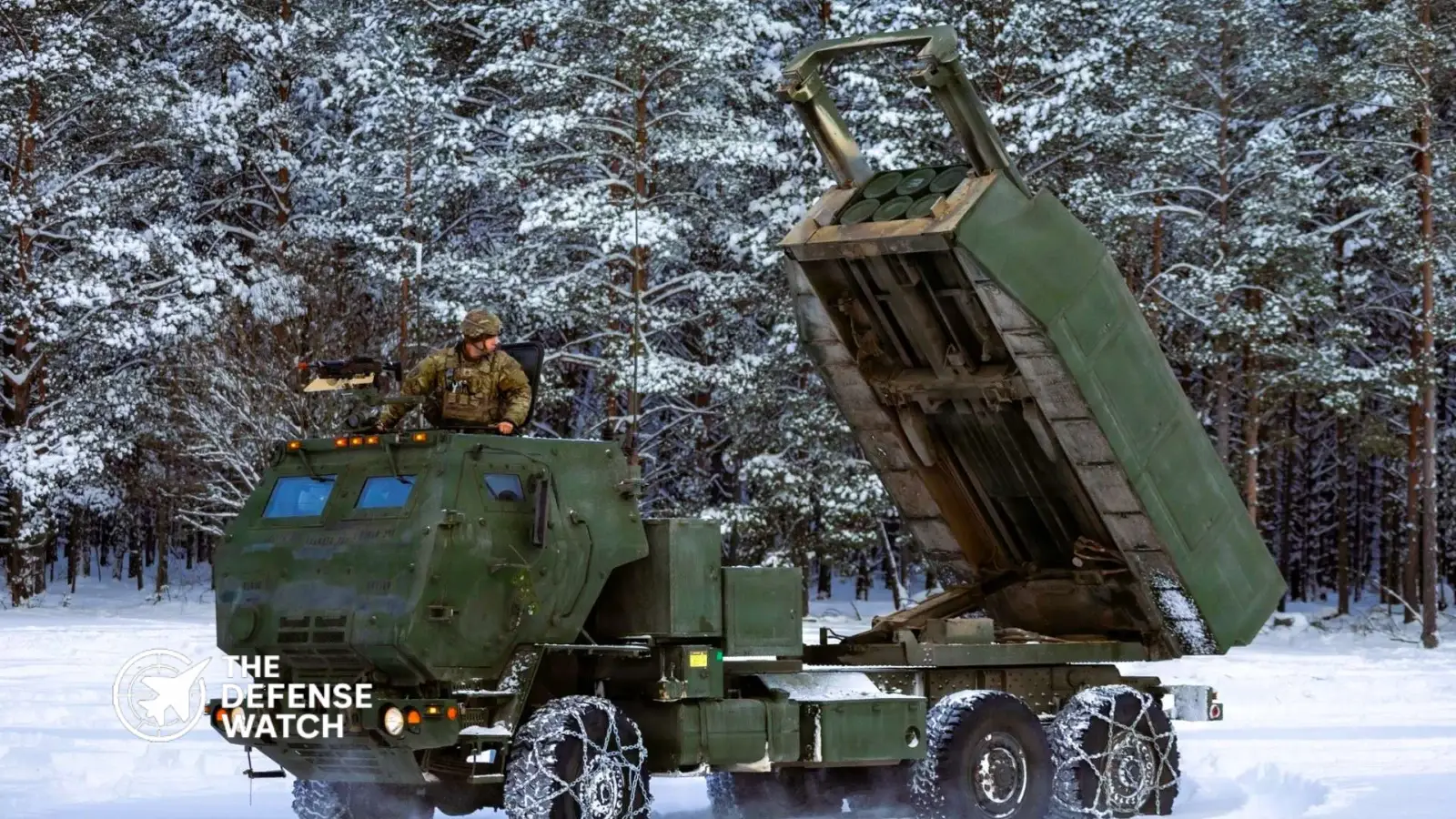
Canada’s HIMARS acquisition represents one of the most significant Canadian Army modernization efforts in decades. The Government of Canada announced that it finalized a government-to-government Foreign Military Sales agreement with the United States for 26 M142 High Mobility Artillery Rocket System launchers, along with munitions, training, spare parts, and support services. Deliveries are expected to begin in 2029.
The project, known as Long Range Precision Strike (Land), carries an estimated acquisition cost of approximately CAD $2.6 billion, including infrastructure, project management, and supporting contracts. Canadian defense officials identified HIMARS as the only system that fully met operational and technical requirements following an extensive evaluation process.
The decision gives Canada a capability it has lacked since the Cold War era: the ability to conduct deep precision strikes against targets at ranges exceeding 300 kilometers. According to Canada’s Department of National Defence, the system will fundamentally transform how the Canadian Army supports joint operations and coalition missions.
Why HIMARS Was Chosen
Manufactured by Lockheed Martin, HIMARS has become one of the world’s most sought-after artillery systems due to its mobility, precision, and combat performance.
The wheeled launcher can rapidly deploy, fire precision-guided rockets or missiles, and relocate before enemy counterfire can respond. Its operational success in recent conflicts has highlighted the growing importance of long-range precision fires in modern warfare.
(adsbygoogle = window.adsbygoogle || []).push({});Canadian Army leadership emphasized that HIMARS offers several advantages beyond strike range. The platform is transportable by existing Royal Canadian Air Force aircraft, enabling rapid deployment across Canada’s vast territory, including remote northern regions.
Equally important, HIMARS is already fielded by numerous NATO allies, enhancing interoperability during multinational operations and coalition deployments.
Arctic Defense Emerges As A Key Driver
A central factor behind Canada’s HIMARS acquisition is the changing security environment in the Arctic.
The Department of National Defence stated that the launchers will support sovereignty operations and defense missions across Canada’s northern territories. Officials also noted that future integration of land-based anti-ship missile capabilities could enhance protection of Canada’s coastlines and Arctic approaches.
This procurement aligns with Ottawa’s broader defense modernization agenda outlined in the 2024 defense policy, Our North, Strong and Free, which places increased emphasis on Arctic security, continental defense, and NORAD modernization.
The HIMARS decision follows several recent Canadian investments aimed at strengthening northern defense capabilities, including Arctic over-the-horizon radar initiatives and airborne early warning programs designed to improve surveillance and situational awareness across the North.
Strategic Implications For NATO And Continental Defense
Beyond domestic security, the new capability significantly expands Canada’s contribution to alliance operations.
(adsbygoogle = window.adsbygoogle || []).push({});Long-range precision fires have become a critical component of NATO force planning as member states adapt to evolving threats and lessons from recent conflicts. HIMARS provides commanders with the ability to engage command posts, logistics hubs, air defense systems, and other high-value targets far beyond traditional artillery ranges.
For Canada, the acquisition closes an important capability gap and enables greater participation in high-intensity coalition operations. The system’s compatibility with U.S. and allied command networks also supports deeper integration during joint missions.
From a strategic perspective, the move reflects a broader trend among Western militaries toward distributed, mobile, and precision-focused firepower. Rather than relying solely on airpower for deep strikes, ground forces increasingly require the ability to conduct long-range engagements independently.
Industrial Benefits And Future Growth
The agreement also includes industrial participation requirements.
Under Canada’s Industrial and Technological Benefits policy, Lockheed Martin will be required to undertake investments and business activities within Canada equal to the value of its work related to the program. Planned activities include integrating Canadian firms into global supply chains, supporting research and development efforts, and creating opportunities for small and medium-sized enterprises.
- (adsbygoogle = window.adsbygoogle || []).push({});
While Canada does not currently manufacture HIMARS systems or comparable long-range missile launchers, the program is expected to generate economic benefits across the country’s defense industrial base.
Conclusion
Canada’s decision to acquire HIMARS marks a fundamental transformation in its land warfare capabilities. By introducing a long-range precision strike capability, Ottawa is enhancing deterrence, improving interoperability with NATO allies, and strengthening its ability to defend Arctic and continental approaches.
As deliveries begin later this decade, HIMARS is expected to become a cornerstone of Canada’s future military posture, providing a mobile and highly effective precision fires capability for both national defense and coalition operations.
- (adsbygoogle = window.adsbygoogle || []).push({});

Executive Summary:
The United States has approved a $540 million sustainment package for Canada’s C-17 Globemaster III transport aircraft fleet. The agreement supports long-term Arctic mobility, rapid response capability, and interoperability between Canadian and US forces in the High North.
Canada Expands Arctic Airlift Readiness With New C-17 Sustainment Package
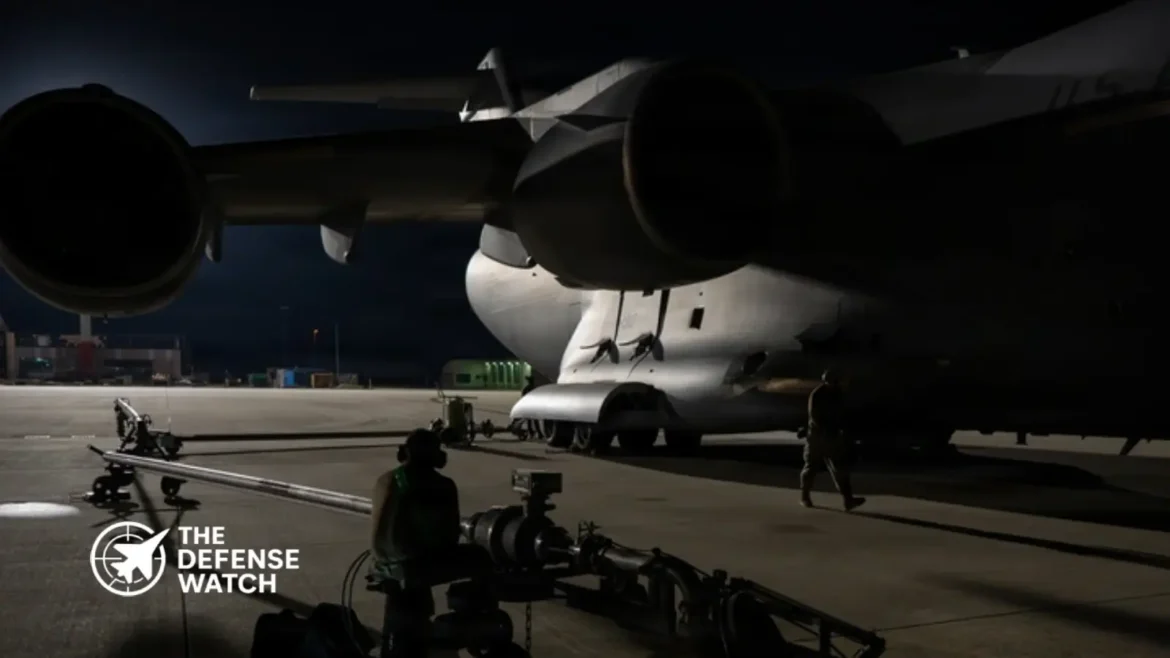
The US approval of a $540 million Canada C-17 sustainment package marks another major step in strengthening North American Arctic defense readiness. According to the US Defense Security Cooperation Agency (DSCA), the package will support the Royal Canadian Air Force’s fleet of Boeing C-17 Globemaster III strategic transport aircraft through maintenance, spare parts, logistics support, software updates, and related sustainment services.
The proposed Foreign Military Sale comes as Canada continues to prioritize rapid mobility and logistical access across the Arctic, where harsh weather, vast distances, and limited infrastructure create operational challenges for military forces.
The DSCA notified the US Congress of the proposed deal, which includes support services designed to maintain operational availability and mission readiness for Canada’s heavy airlift fleet. The principal contractor will be Boeing.
Canada currently operates five C-17 Globemaster III aircraft under the Royal Canadian Air Force. The aircraft are based at CFB Trenton and have become central to Canada’s strategic air mobility operations since entering service in 2007.
Why The C-17 Globemaster III Remains Critical To Canada
The C-17 Globemaster III has become one of the most important assets in Canada’s long-range transport and humanitarian response capability. The aircraft is capable of transporting troops, armored vehicles, helicopters, medical equipment, and oversized cargo across intercontinental distances without relying heavily on forward staging bases.
For Arctic operations, that capability is especially important. Many northern regions lack developed infrastructure, making airlift one of the few viable options for rapid deployment and sustainment missions.
The aircraft can operate from short and semi-prepared runways, allowing Canada to reach remote Arctic locations faster than many conventional transport aircraft. This flexibility supports sovereignty patrols, disaster response operations, military exercises, and NATO deployment requirements.
The sustainment package is intended to preserve those capabilities over the long term as operational demands continue to increase in the Arctic region.
Arctic Security Concerns Continue To Grow
The timing of the approval reflects broader strategic concerns across the Arctic. NATO members and regional powers are increasing military activity in the High North as climate change opens new maritime routes and expands access to natural resources.
Canada has repeatedly emphasized the need to modernize Arctic surveillance, mobility, and response capabilities. Ottawa has also invested in NORAD modernization programs alongside the United States to improve continental defense infrastructure.
Strategic airlift plays a central role in that effort. Unlike fighter aircraft or naval vessels that require significant basing infrastructure, heavy transport aircraft can rapidly move personnel and equipment across Canada’s northern territory with fewer logistical constraints.
The approval also reinforces defense interoperability between Canada and the United States. Shared sustainment frameworks and logistics support help ensure Canadian aircraft can operate alongside US and NATO forces during multinational operations.
Sustainment Deals Increasingly Important Across NATO Fleets
While defense procurement often focuses on new platforms, sustainment and readiness programs have become increasingly important across NATO militaries. Maintaining operational availability for existing fleets is now viewed as essential amid growing global demand for rapid deployment capability.
Heavy airlift aircraft like the C-17 are particularly valuable because relatively few nations possess strategic transport fleets capable of moving large military payloads over long distances.

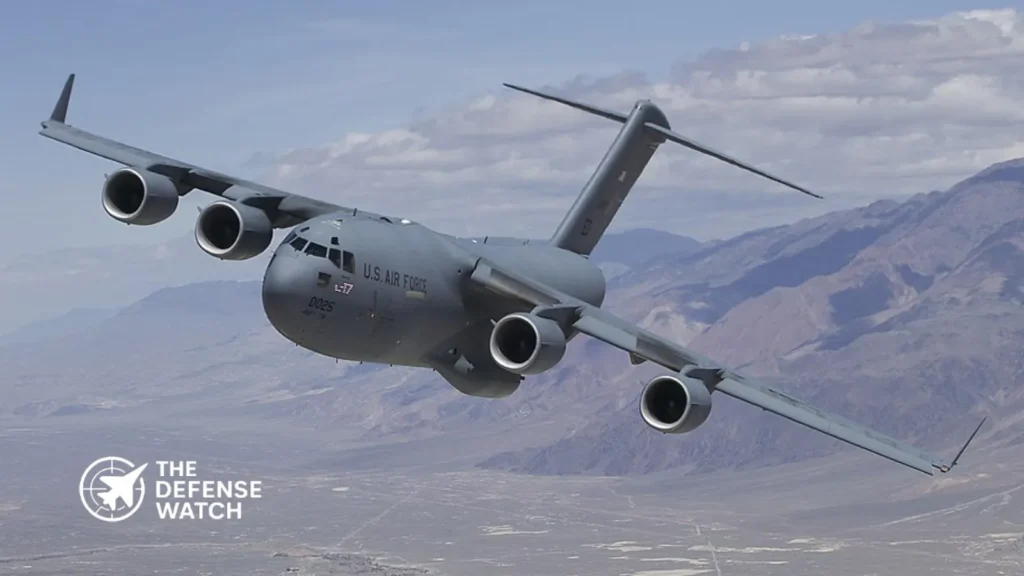
Image : creative commons Canada has used its C-17 fleet extensively for domestic emergency operations, international humanitarian missions, NATO deployments, and military support operations in Europe and the Middle East.
The aircraft have also supported wildfire response missions, disaster relief operations, and evacuations, demonstrating their dual military and civil utility.
By approving the sustainment package, Washington is helping ensure Canada can maintain continuous readiness for both domestic and allied operations across multiple theaters.
Boeing Continues Long-Term Support Role
Boeing remains the primary contractor supporting global C-17 operations. Although production of the aircraft ended in 2015, the platform continues to serve as a backbone strategic airlifter for several allied nations, including the United States, United Kingdom, Australia, India, and Canada.
Sustainment agreements have become increasingly significant as operators seek to extend the service life of existing fleets while preserving readiness rates.
The latest package for Canada includes engineering support, software maintenance, spare components, technical documentation, training support, and logistics assistance.
According to the DSCA, the proposed sale will not alter the military balance in the region but will improve Canada’s ability to meet current and future defense requirements.
Strategic Importance Beyond Canada
The Canada C-17 sustainment package also highlights the broader shift toward Arctic preparedness among Western allies. As geopolitical competition intensifies in the region, mobility and logistical reach are becoming key operational advantages.
Rapid airlift capability allows NATO members to reinforce northern territories quickly without relying exclusively on permanent forward deployments.
For Canada, maintaining a reliable heavy transport fleet supports both national sovereignty and alliance commitments. The Arctic remains one of the most demanding operational environments in the world, making sustainment and readiness just as important as acquiring new military systems.
The approval further demonstrates ongoing US support for allied defense modernization and continental security coordination.

U.S. Air Force E-3 Sentry Reinforces Arctic Readiness During Red Flag Alaska
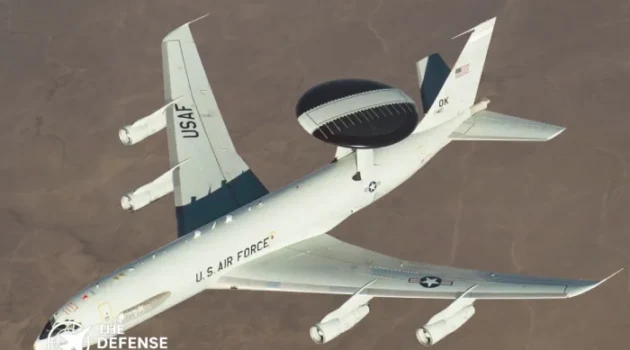
The E-3 Sentry Red Flag Alaska mission underscored the continuing value of airborne warning and control aircraft in modern warfare, as the U.S. Air Force used the platform during Red Flag-Alaska 26-1 to coordinate air operations, expand surveillance coverage, and sharpen homeland defense readiness in the Arctic region. According to Joint Base Elmendorf-Richardson, crews from the 960th, 961st, and 962nd Airborne Air Control Squadrons supported the exercise from Alaska while fighter aircraft operated across the training area.
- U.S. Air Force E-3 Sentry aircraft took part in Red Flag-Alaska 26-1 from Joint Base Elmendorf-Richardson.
- Crews from the 960th, 961st, and 962nd Airborne Air Control Squadrons supported the exercise.
- The aircraft provides airborne surveillance, command, control, and battle management.
- Alaska remains a critical theater for homeland defense and northern approach monitoring.
- The mission highlights continued reliance on AWACS platforms despite modernization debates.
The Boeing-built E-3 Sentry, commonly known as AWACS, is instantly recognizable by its large rotating radar dome. The aircraft serves as an airborne command center, able to detect aircraft at long range, track multiple threats, manage friendly formations, and pass targeting or situational data to commanders in real time.
That role becomes especially important in Alaska.
Why Alaska Matters More Than Ever
Alaska sits at the northern edge of North America and remains one of the shortest air approaches between the United States and peer competitors operating in the Pacific or Arctic regions. Any military planner evaluating long-range bomber routes, cruise missile vectors, or reconnaissance flights must consider this geography.
That makes U.S. Air Force E-3 Sentry operations in Alaska more than a routine training event. It is a reminder that airborne battle management remains essential where terrain, distance, weather, and sparse ground infrastructure can limit radar coverage.
During the exercise, Air Force officials said the E-3 helps create a clearer picture of the airspace for leadership, aircraft, and allies. It also improves decision-making speed during complex operations.
Red Flag Alaska Tests Real Combat Conditions
Red Flag-Alaska is one of the Air Force’s premier large-force training exercises. It is designed to replicate contested combat scenarios involving multiple aircraft types, coalition forces, electronic threats, and fast-changing mission demands.
In that environment, the E-3 Sentry acts as the quarterback of the air battle.
Fighters can focus on their tactical missions while the AWACS crew tracks the broader fight, deconflicts aircraft, monitors threats, and redirects assets when conditions change. That capability is increasingly valuable as modern conflicts place pressure on communications networks and fixed command centers.
Why The E-3 Still Matters Despite Age
The E-3 fleet is aging, and the Air Force has explored replacement paths in recent years. However, exercises such as Red Flag Alaska show there is still no simple substitute for a dedicated airborne command-and-control platform.
Satellites, ground radars, stealth fighters, and networked sensors all contribute to the modern kill chain. But none alone combine persistence, mobility, human decision-making, and real-time control the same way an AWACS aircraft can.
That is particularly true in remote theaters like Alaska, where rapid adaptation may matter more than pure sensor range.
Strategic Message To Adversaries
The use of the E-3 Sentry Red Flag Alaska mission also sends a deterrence signal. It shows the United States continues investing in command resilience and northern defense readiness at a time of rising strategic competition in both the Indo-Pacific and Arctic theaters.
Potential adversaries increasingly rely on long-range strike systems, drones, and electronic warfare. Maintaining an airborne command layer complicates those plans and strengthens joint response options.
Bottom Line
The E-3 Sentry may be a legacy platform, but Red Flag-Alaska 26-1 demonstrates it still fills a frontline role. In vast and contested airspace, the aircraft remains one of the fastest ways to build a real-time battlespace picture and direct forces where they are needed most.
For the U.S. Air Force, that means the E-3 is not just an older aircraft. It is still a critical node in Arctic defense planning.
The North American Aerospace Defense Command (NORAD) confirmed on January 19, 2026, the deployment of multiple aircraft to Pituffik Space Base in Greenland. While NORAD maintains the mission is a “routine, long-planned” exercise, the move comes during a period of heightened geopolitical friction regarding the status of the world’s largest island.
Key Takeaways: The January 2026 Deployment
- Official Status: Routine, pre-scheduled activities coordinated with the Kingdom of Denmark.
- Strategic Context: Occurs as the U.S. administration reiterates interest in acquiring Greenland, leading to recent tariff threats against European allies.
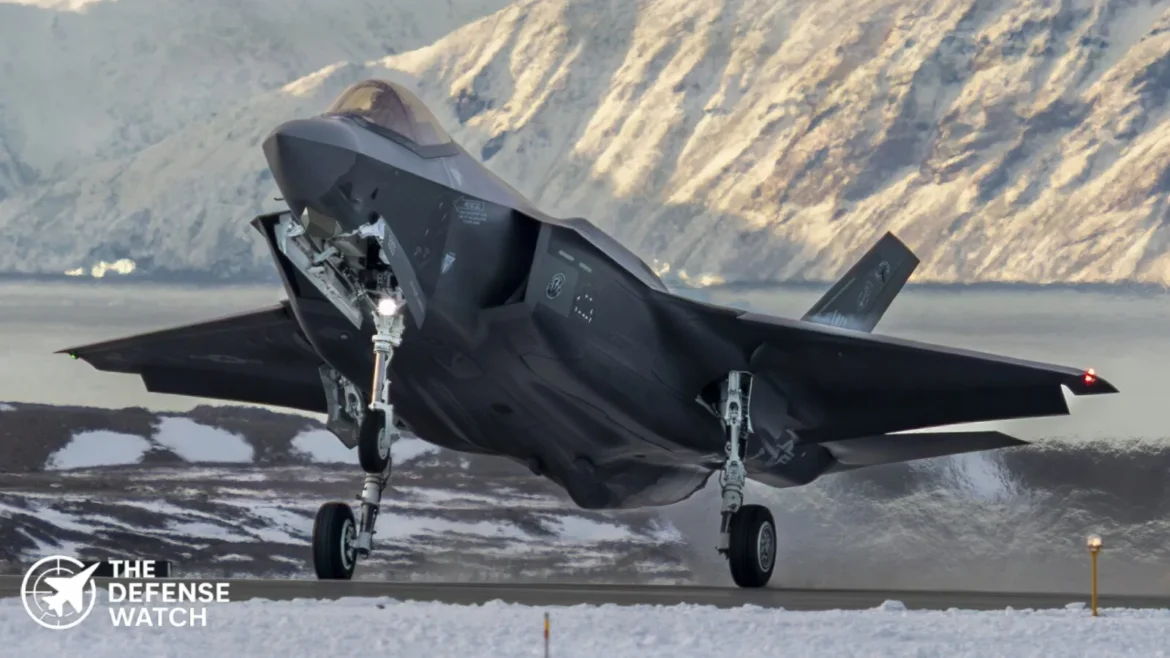
- Primary Assets: While specific 2026 aircraft types are undisclosed, previous iterations included F-35 Lightning IIs, F-16s, and KC-135 Stratotankers.
- Base Significance: Pituffik (formerly Thule) is the northernmost U.S. military installation, critical for missile warning and Arctic air defense.
Strategic Shift: Why Pituffik Matters in 2026
Pituffik Space Base serves as the “eyes and ears” of North America’s northern approach. Operated by the U.S. Space Force’s 821st Space Group, the base has seen a surge in investment and strategic reorganization over the past year.
Alignment with U.S. Northern Command (USNORTHCOM)
In 2025, the U.S. Department of Defense shifted the operational responsibility of Greenland from European Command (EUCOM) to Northern Command. This move signals a permanent shift in viewing Greenland not just as a NATO outpost, but as a central pillar of Homeland Defense.
Infrastructure Overhaul
Recent military contracts have initiated massive upgrades to Pituffik’s:
- Runway Lighting: Advanced systems for extreme-weather, 24/7 operations.
- Facility Resilience: Retrofitting aging structures to withstand accelerating Arctic environmental changes.
- Communication Arrays: Enhanced satellite links to support the 41st Air Expeditionary Group.
Routine Exercise vs. Geopolitical Friction
NORAD’s insistence on the “routine” nature of this deployment is likely a diplomatic effort to de-escalate tensions. On the same day as the announcement (January 19), Danish and Greenlandic officials met with NATO Secretary General Mark Rutte in Brussels to discuss Arctic sovereignty.
Expert Insight: “By framing this as a ‘long-planned’ event, NORAD is attempting to maintain operational transparency and avoid misinterpretation by both allies (Denmark) and adversaries (Russia/China) during a volatile diplomatic cycle.”
History of Operations: Operation Noble Defender
The current deployment builds on the success of Operation Noble Defender, a recurring exercise focused on interoperability.
| Feb 2025 | Noble Defender | F-16, CF-18, CC-150 | Testing U.S.-Canadian binational integration. |
| Oct 2025 | Dynamic Ops | F-35, F-16, KC-135 | Rapid deployment in extreme Arctic conditions. |
| Jan 2026 | Routine Deployment | Confidential | Sustained Arctic presence and surveillance. |
FAQ
Pituffik Space Base is the northernmost installation of the U.S. Armed Forces, located 750 miles north of the Arctic Circle in Greenland. It was renamed from Thule Air Base in 2023 to honor the local Greenlandic Inuit heritage.
Under a 1951 defense treaty between the U.S. and Denmark, the U.S. maintains a military presence in Greenland to provide early warning for ballistic missiles and to control the aerospace of the North American Arctic.
NORAD states the deployment was planned over a year in advance and is strictly operational. However, analysts note that the presence of U.S. fighters reinforces the strategic “value” currently being discussed in Washington and Copenhagen.
Final Thoughts for 2026 Arctic Security
The deployment of aircraft to Pituffik is a clear signal that regardless of political rhetoric, the U.S. military footprint in the Arctic is expanding. For North American defense, Greenland remains the most critical “high ground” in the world.

Danish F-35s and French Tanker Complete Joint Arctic Training Flight Over Southeast Greenland
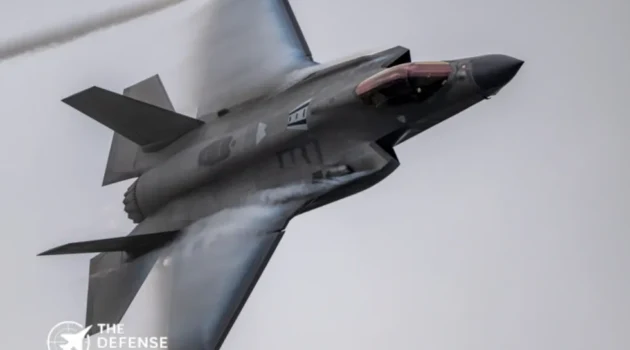
In a demonstration of allied interoperability in extreme environments, the Royal Danish Air Force deployed two F-35 Lightning II fighters for a planned training mission with a French Multi-Role Tanker Transport (MRTT) aircraft over southeastern Greenland on December 16, 2025.
The exercise, announced by the Danish Armed Forces, centered on practicing joint operations including in-flight refueling, extended-range flying, and safety protocols suited to demanding Arctic conditions. The Danish jets operated from Fighter Wing Skrydstrup, with activity concentrated around the Kulusuk area on Greenland’s east coast. The French MRTT departed from a base in southern France and returned there after completion.
This mission marks a continuation of Denmark’s increased Arctic air training activities in recent years. Similar exercises last year involved Danish F-16 fighters and French assets along Greenland’s west coast. The shift to F-35 platforms reflects Denmark’s ongoing transition to the fifth-generation fighter, which formally replaced its F-16 fleet in late 2025.
The training builds shared experience among European NATO partners in polar operations, where harsh weather, limited infrastructure, and vast distances pose unique challenges. Aerial refueling extends fighter range, enabling sustained presence in remote regions like the Arctic, where strategic interest has grown due to climate change opening new routes and resources.
Denmark has expanded military engagements around Greenland in 2025, collaborating with allies including France, Germany, Sweden, and Norway across air, sea, and land domains. Further joint activities are planned for 2026 to reinforce Arctic air capabilities.
The French MRTT, based on the Airbus A330 and operated under the Multinational Multi Role Tanker Transport Fleet (MMF), provides compatible refueling support for diverse NATO aircraft, including the F-35.
This exercise underscores NATO’s focus on collective defense in high-north regions amid evolving geopolitical dynamics.
