Executive Summary:
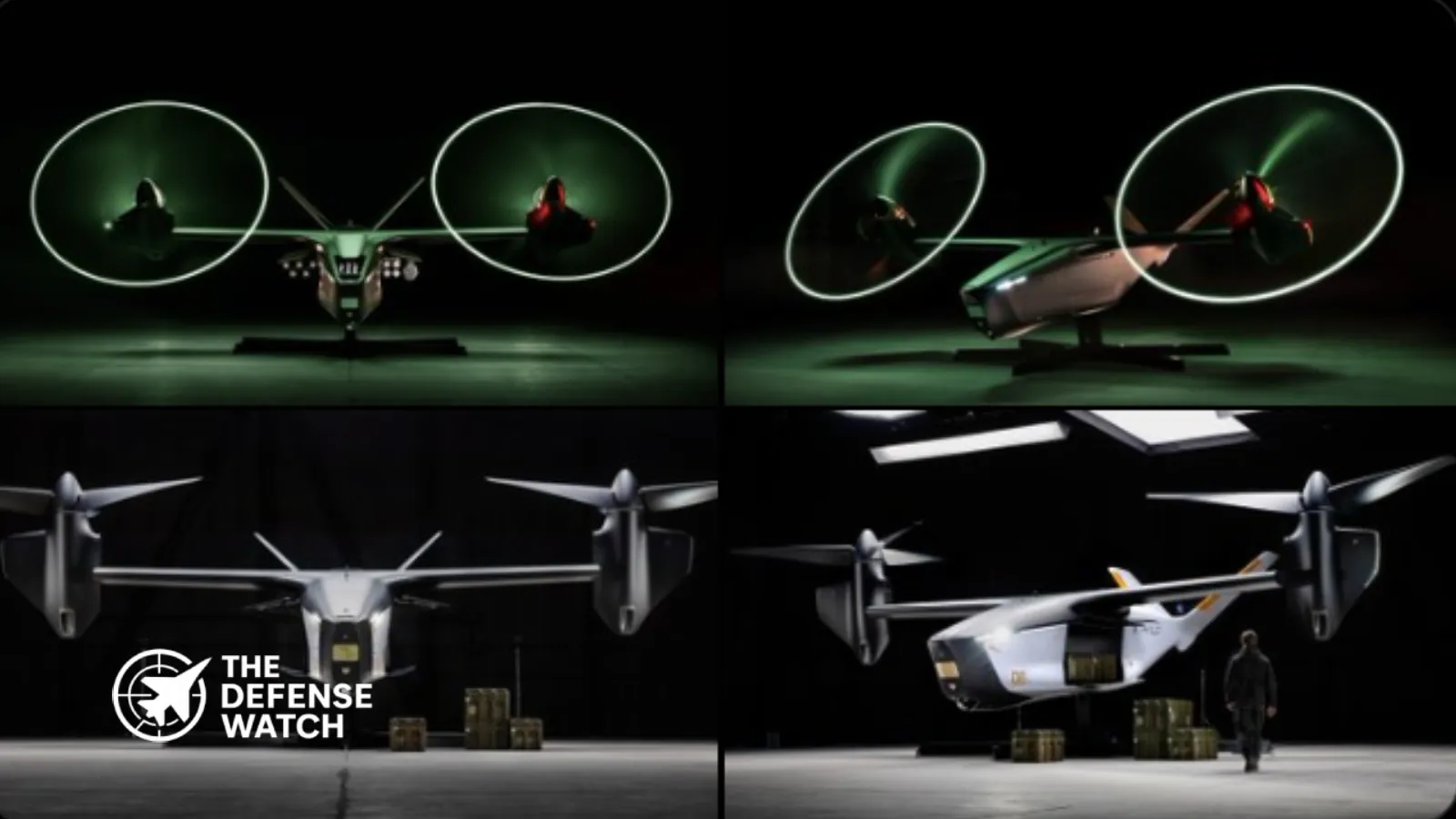
Anduril Industries and Archer Aviation have unveiled a jointly developed autonomous hybrid-electric VTOL aircraft intended for both defense and commercial applications. Announced in July 2026, the platform combines Archer’s electric aircraft technology with Anduril’s autonomous software and mission systems, expanding options for logistics, surveillance, and contested operational environments where conventional aircraft face increasing challenges.
Anduril And Archer Introduce Autonomous VTOL Platform For Military And Commercial Operations
Anduril and Archer have officially introduced an autonomous VTOL platform that merges electric vertical takeoff and landing technology with autonomous mission capabilities for military and commercial operators. The announcement, made through a joint company release, marks one of the most significant collaborations between a defense technology company and an advanced air mobility manufacturer as autonomous aviation moves closer to operational deployment.
- Anduril And Archer Introduce Autonomous VTOL Platform For Military And Commercial Operations
- Partnership Brings Together Electric Aviation And Defense Autonomy
- Designed For Both Military And Commercial Users
- Technical Integration Combines Flight Systems And AI
- Why Autonomous VTOL Aircraft Matter For Modern Militaries
- Strategic Significance For The Defense Industrial Base
- Operational Challenges Remain
- Growing Demand For Autonomous Air Mobility
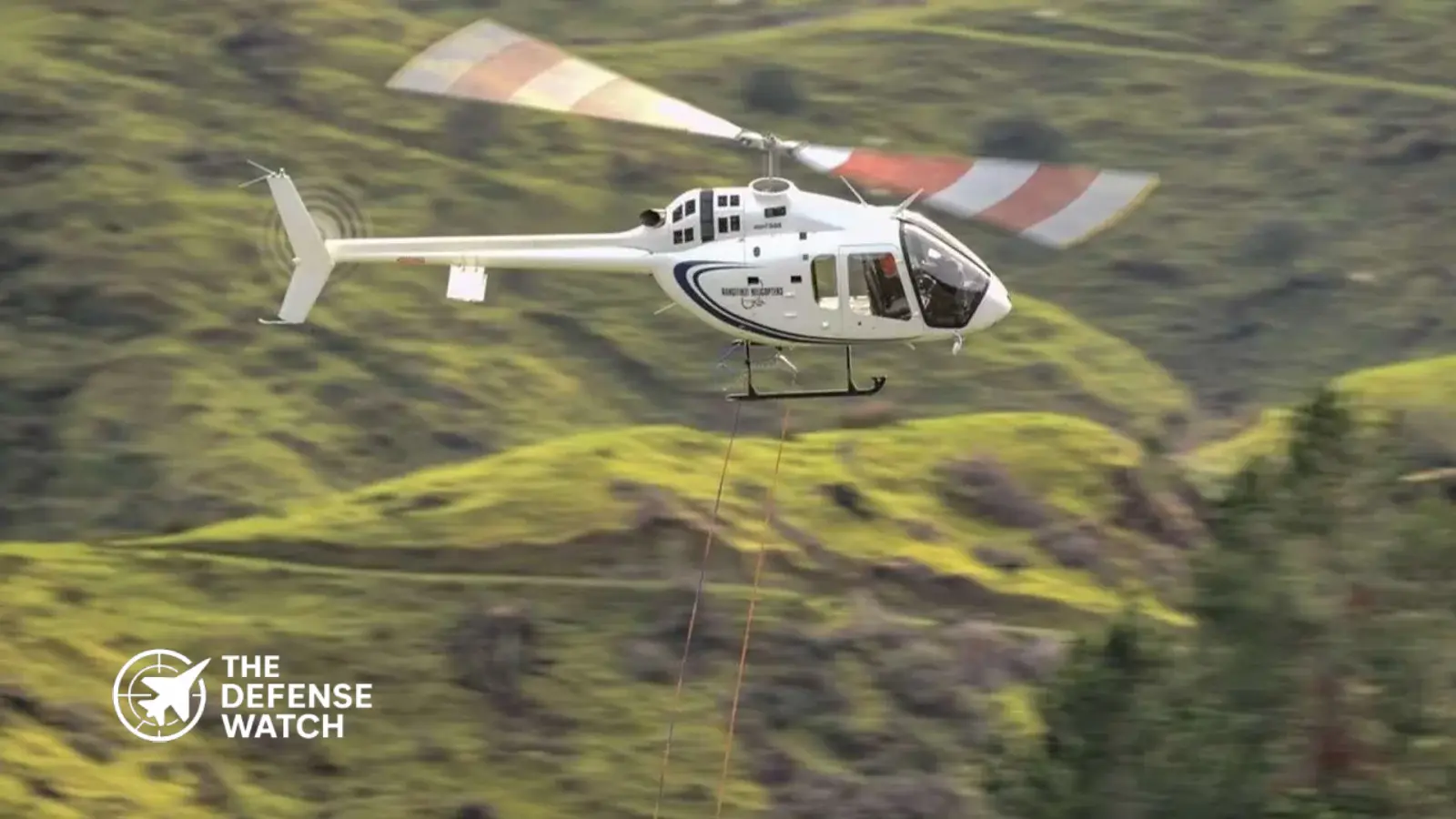
The aircraft combines Archer’s experience developing electric VTOL aircraft with Anduril’s autonomy software, mission computing, artificial intelligence, and sensor integration. According to both companies, the platform is designed to perform missions with or without onboard pilots while supporting a wide range of defense and civil applications.
Partnership Brings Together Electric Aviation And Defense Autonomy
The collaboration joins two companies that have rapidly expanded within their respective industries.
Archer has focused on developing electric aircraft for advanced air mobility, while Anduril has become a major supplier of autonomous defense systems, counter-drone technologies, surveillance platforms, and AI-enabled command systems for the U.S. Department of Defense and allied nations.
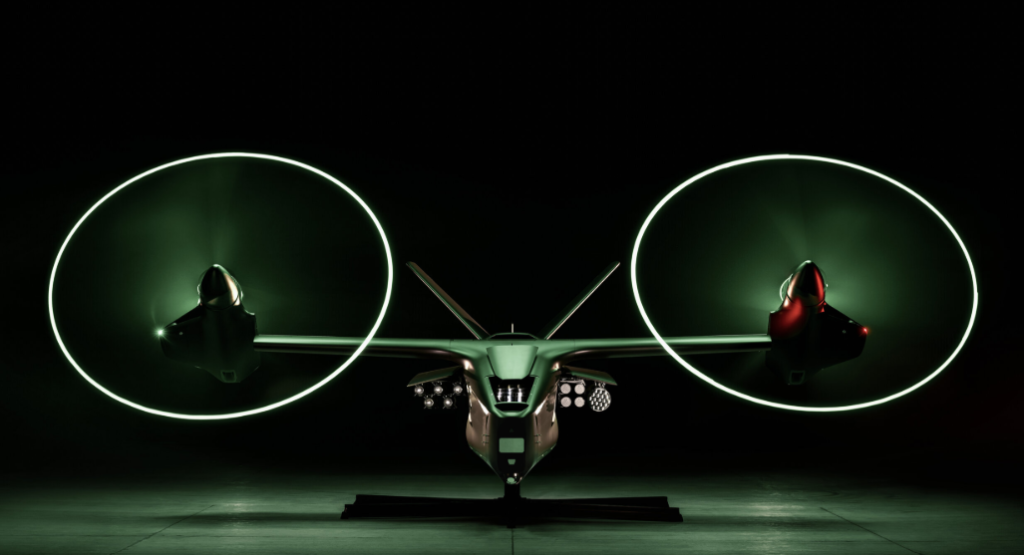
The jointly developed aircraft is intended to leverage strengths from both organizations rather than adapting an existing commercial platform for military use.
According to the companies, the aircraft is expected to support missions including:
- Tactical logistics
- Cargo transport
- Intelligence, surveillance and reconnaissance (ISR)
- Personnel movement
- Medical evacuation
- Infrastructure inspection
- Emergency response
Its autonomous architecture is intended to reduce pilot workload while allowing operators to conduct missions in higher-risk environments.
Designed For Both Military And Commercial Users
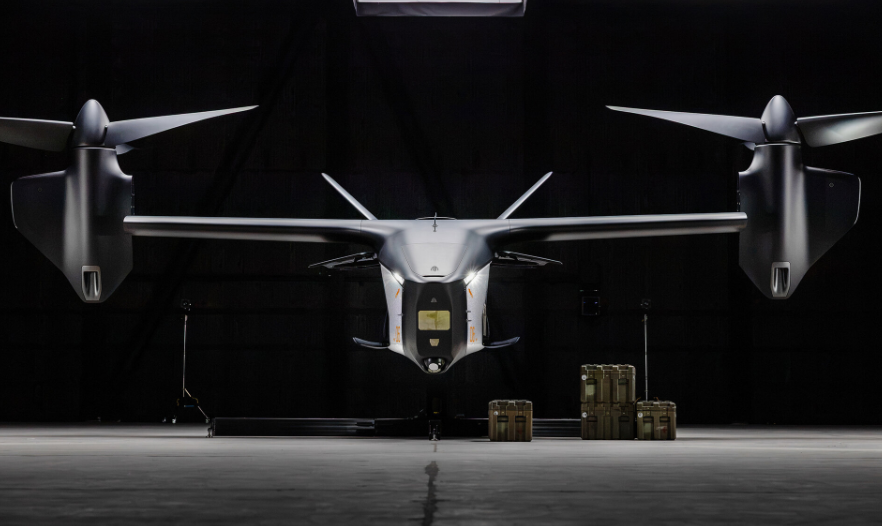
Unlike many defense-specific autonomous aircraft programs, the new platform is designed from the outset with dual-use applications.
Potential defense users include:
- Military logistics units
- Special operations forces
- Border security agencies
- Humanitarian response organizations
Commercial applications could include:
- Remote cargo delivery
- Industrial inspections
- Emergency medical transport
- Disaster relief operations
- Infrastructure support
The companies say this approach enables a larger production base while allowing military customers to benefit from commercial manufacturing efficiencies.
Technical Integration Combines Flight Systems And AI
Although detailed specifications have not yet been released, the platform integrates several key technologies from both companies.
| Capability | Description |
|---|---|
| Airframe | Hybrid-electric VTOL aircraft developed by Archer |
| Autonomy | AI-enabled autonomous flight software from Anduril |
| Navigation | Autonomous mission planning and route management |
| Mission Systems | Modular payload architecture |
| Operations | Piloted, remotely supervised, or autonomous missions |
| Primary Roles | Logistics, ISR, cargo, emergency response |
The companies have not disclosed payload capacity, operational range, cruise speed, or endurance.
Those figures will likely determine how the aircraft compares with existing autonomous logistics platforms already entering military service.
Why Autonomous VTOL Aircraft Matter For Modern Militaries
The announcement reflects a broader shift toward autonomous aviation across the defense sector.
Modern military planners increasingly require aircraft capable of operating from dispersed locations without relying on traditional runways. Vertical takeoff capability allows forces to launch from temporary forward operating bases, ships, or confined urban environments.
When combined with autonomous flight software, these aircraft can reduce personnel exposure during dangerous missions such as resupply operations inside contested areas.
The U.S. military has been investing heavily in autonomous logistics through initiatives across the Department of Defense, including efforts focused on unmanned cargo aircraft, distributed operations, and resilient supply chains. Electric propulsion also offers advantages in reduced acoustic signature and simplified maintenance, although battery endurance remains an important technical consideration.
Strategic Significance For The Defense Industrial Base
The collaboration also illustrates how commercial aerospace innovation is increasingly influencing defense procurement.
Rather than developing entirely new military aircraft from scratch, defense firms are partnering with commercial aviation companies to accelerate development timelines and reduce costs. By integrating proven electric aviation technology with mature autonomous mission software, companies can potentially shorten certification and fielding schedules.
For Anduril, the partnership expands its autonomous systems portfolio beyond unmanned aircraft and counter-drone platforms into crewed or optionally piloted vertical lift aircraft.
For Archer, the collaboration opens new opportunities within defense markets, where demand for autonomous logistics and expeditionary mobility continues to grow alongside broader investments in advanced air mobility technologies.
Operational Challenges Remain
Despite growing interest in autonomous VTOL aircraft, several challenges remain before widespread military adoption.
These include:
- Certification of autonomous flight systems
- Cybersecurity protection for mission software
- Secure communications in contested environments
- Battery performance during extended operations
- Integration with existing military command-and-control networks
Defense operators will also require extensive testing to validate autonomous performance under electronic warfare conditions, degraded GPS environments, and complex battlefield scenarios.
Successfully addressing these issues will be critical before such aircraft can assume routine operational roles.
Growing Demand For Autonomous Air Mobility
The Anduril-Archer announcement aligns with broader trends reshaping both military aviation and commercial aerospace.
Governments across North America, Europe, and the Indo-Pacific continue investing in autonomous aircraft capable of supporting distributed operations, humanitarian assistance, and logistics missions while reducing operational risk to personnel.
As artificial intelligence, autonomous navigation, and electric propulsion technologies mature, hybrid VTOL platforms are expected to become an increasingly important component of future defense mobility architectures.
While the newly announced aircraft remains in the early stages of deployment planning, the partnership signals continued convergence between commercial advanced air mobility and next-generation defense aviation.