
Executive Summary:
Lockheed Martin has announced a new lower cost Patriot interceptor, the PAC-3 Adapted Capability Effector (ACE), at the Farnborough International Airshow on July 20, 2026. The company says the missile will cost less than half the price of the current PAC-3 MSE interceptor, aiming to expand production capacity and help allied militaries counter growing missile and drone threats while rebuilding depleted inventories.
Lockheed Martin Introduces Lower Cost Patriot Interceptor
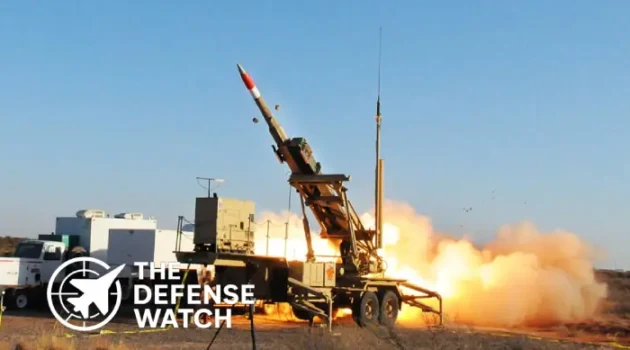
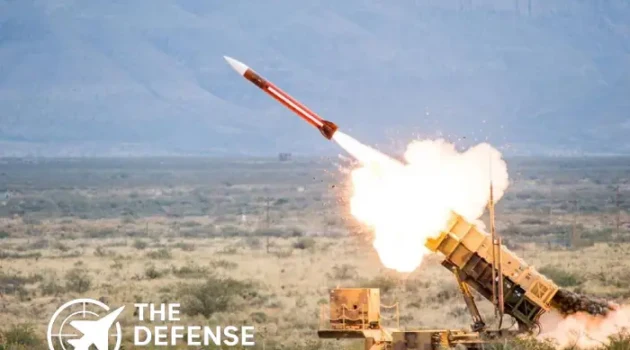
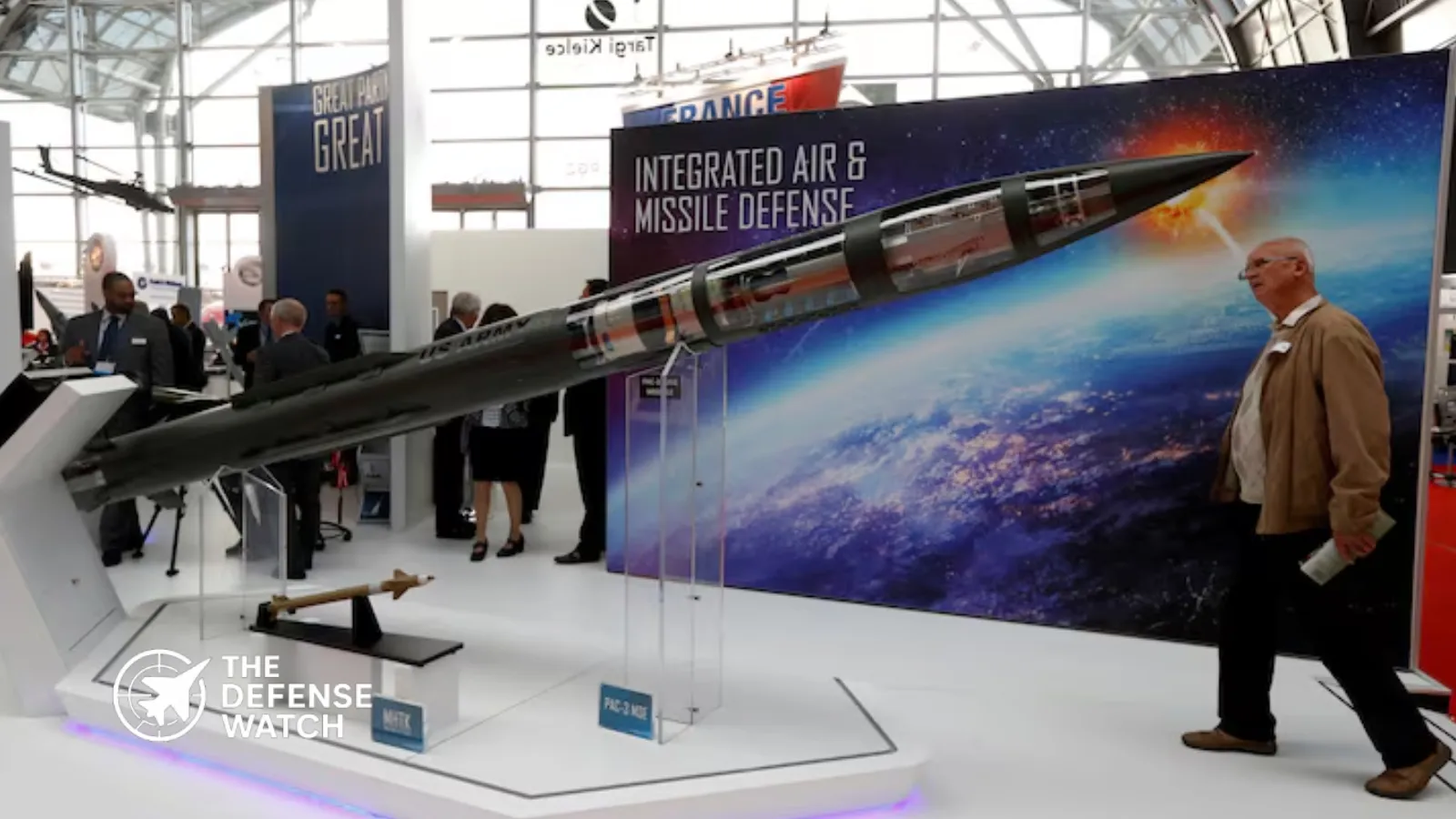
Lockheed Martin has unveiled the PAC-3 Adapted Capability Effector (ACE), a new Patriot interceptor designed to provide a more affordable option for defending against missiles and drones. The announcement was made during the 2026 Farnborough International Airshow, where defense manufacturers are showcasing systems intended to meet rapidly growing global demand for integrated air and missile defense.
According to Lockheed Martin, the new interceptor is expected to cost less than half the price of today’s PAC-3 Missile Segment Enhancement (MSE), which U.S. Army budget documents place at roughly $4 million per interceptor. Initial production is targeted within 36 months, with manufacturing planned alongside U.S. and European industrial partners.
Why Lockheed Is Developing The PAC-3 ACE
Demand for Patriot interceptors has increased sharply since Russia’s full scale invasion of Ukraine, while missile attacks across Europe and the Middle East have highlighted the importance of layered air defense.
Patriot batteries have become one of the world’s most sought after air defense systems because they are capable of intercepting ballistic missiles, cruise missiles, and advanced aerial threats. However, the high cost of each interceptor has created concerns about sustainability during prolonged conflicts involving large numbers of incoming targets.
Lockheed Martin President of Missiles and Fire Control Tim Cahill said allied forces need an interceptor that is both combat proven and affordable enough to procure in larger quantities.
PAC-3 ACE At A Glance
Feature PAC-3 ACE Developer Lockheed Martin System Compatibility Patriot Air and Missile Defense System Intended Cost Less than half the price of PAC-3 MSE Current PAC-3 MSE Cost Approximately $4 million per interceptor Planned Production Within 36 months Manufacturing U.S. and European industrial partners Primary Mission Counter ballistic missiles, cruise missiles and other aerial threats Specifications are based on information released by Lockheed Martin and reporting available on July 20, 2026.
Addressing A Cost Challenge In Modern Air Defense
The announcement reflects a broader shift in missile defense procurement.
Recent conflicts have demonstrated that defending against relatively inexpensive drones and cruise missiles with premium interceptors can quickly exhaust stockpiles and strain defense budgets. Military planners increasingly seek lower cost interceptors that can preserve advanced missiles for the highest priority threats while maintaining sufficient inventory for sustained operations.
The PAC-3 ACE appears intended to support this approach by reducing procurement costs without requiring operators to replace existing Patriot launchers or command infrastructure. If successful, it could enable nations already operating Patriot systems to purchase significantly larger interceptor inventories within existing defense budgets.
Strategic Importance For The United States And NATO
The timing of the announcement is notable.
European governments continue expanding defense spending while seeking to strengthen domestic industrial capacity following years of elevated demand created by the war in Ukraine. Lockheed’s decision to develop the interceptor with European manufacturing partners aligns with broader efforts to increase production resilience and shorten supply chains across allied nations.
For the United States, expanding interceptor production also supports broader missile defense objectives across Europe, the Indo Pacific, and the Middle East, where Patriot systems remain central to protecting military bases, critical infrastructure, and population centers.
Technical And Industrial Implications
Although Lockheed Martin has not disclosed detailed technical differences between the PAC-3 ACE and the PAC-3 MSE, the emphasis appears to be on manufacturing efficiency rather than introducing an entirely new missile architecture.
Reducing production costs while maintaining compatibility with the Patriot ecosystem could simplify logistics, accelerate deliveries, and reduce training requirements for existing operators. This approach may also allow the company to compete more effectively with emerging defense firms developing lower cost interceptors and counter drone systems.
The challenge will be balancing affordability with the high reliability required for intercepting fast moving ballistic and cruise missile threats, where failure rates carry significant operational consequences.
What Comes Next
Lockheed Martin expects initial production of the PAC-3 ACE within approximately three years, subject to customer demand and program execution. The company has not announced launch customers or procurement quantities.
If development proceeds as planned, the PAC-3 ACE could become an important addition to the Patriot family by offering allied militaries a more economical interceptor while helping rebuild missile defense inventories that have been heavily consumed in recent conflicts.