Executive Summary:
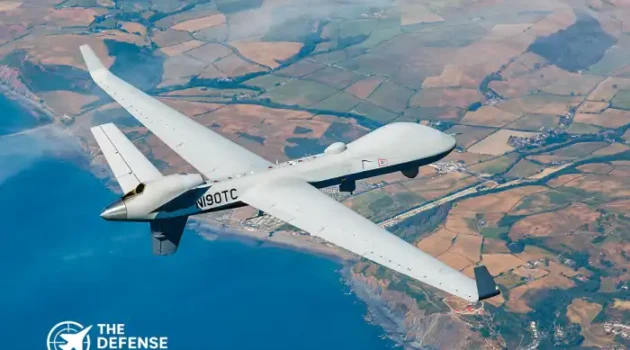
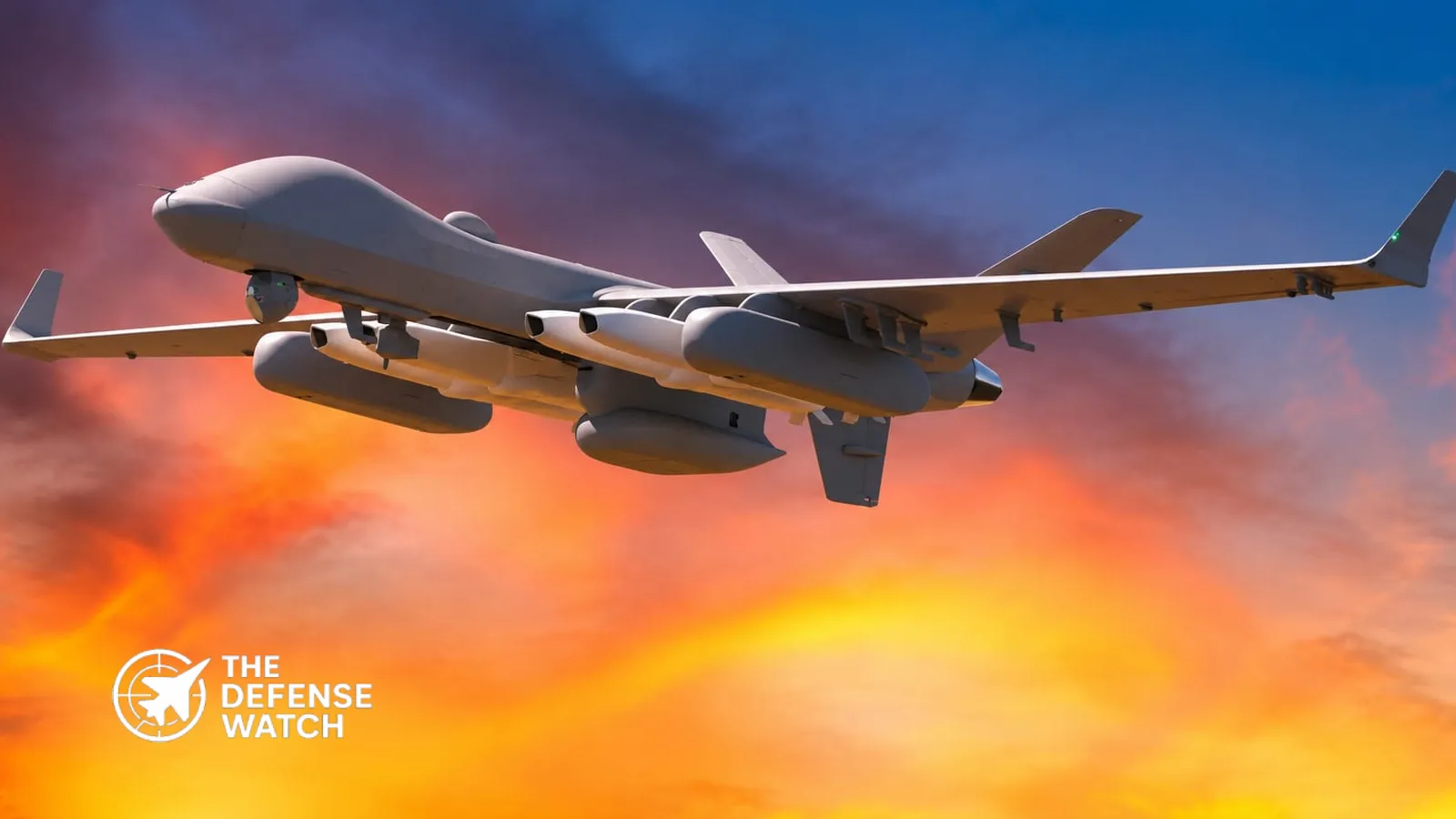
General Atomics Aeronautical Systems is advancing a stealth strike missile capability for its MQ-9B drone family, expanding the aircraft beyond intelligence and surveillance into long range precision strike missions. The initiative reflects growing demand from allied militaries for persistent unmanned platforms capable of launching stand off weapons while remaining outside heavily defended airspace.
MQ-9B Stealth Strike Missile Capability Expands Drone Mission Set
General Atomics Aeronautical Systems (GA-ASI) is moving forward with plans to equip the MQ-9B SkyGuardian and SeaGuardian with long range stealth strike weapons, significantly broadening the operational role of its flagship remotely piloted aircraft.
The effort is intended to transform the MQ-9B from an intelligence, surveillance, and reconnaissance platform into a multi mission aircraft capable of conducting deep precision strikes and maritime attack missions while operating far from hostile air defense networks.
GA-ASI President David R. Alexander said the MQ-9B’s payload capacity and endurance make it well suited for carrying extended range precision weapons that support evolving operational requirements.
Long Range Weapons Under Evaluation
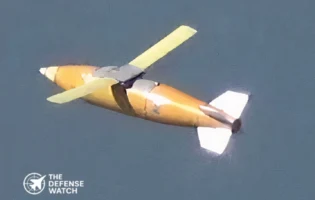
Rather than developing a new missile, GA-ASI is evaluating integration of several existing Western stand off weapons.
Among the systems under consideration are:
| Missile | Primary Role | Estimated Capability |
|---|---|---|
| Lockheed Martin JASSM | Deep precision land attack | Long range stealth cruise missile |
| Lockheed Martin LRASM | Anti ship warfare | Autonomous maritime strike |
| Kongsberg and RTX Joint Strike Missile (JSM) | Land and maritime attack | Low observable precision strike |
GA-ASI has indicated that flight demonstrations carrying at least one of these weapons could take place during 2026 as integration work progresses.
Supporting Indo Pacific And Maritime Operations
The concept of operations outlined by GA-ASI envisions MQ-9B aircraft launching from secure allied bases, particularly across the Western and Southern Pacific.
Instead of entering heavily defended airspace, the aircraft would remain outside enemy engagement zones while launching stand off missiles against designated targets. This approach enables commanders to strike high value objectives without exposing crewed aircraft to advanced integrated air defense systems.
The SeaGuardian variant could also support anti ship missions by deploying long range maritime strike weapons against surface combatants operating hundreds of miles from friendly forces.
Why This Matters
Adding stealth strike missiles represents a significant shift in how medium altitude long endurance drones may be employed during future conflicts.
Historically, MQ-9 aircraft have primarily carried shorter range precision weapons such as the AGM-114 Hellfire or GBU-12 laser guided bombs. While effective against insurgent targets, those weapons require the aircraft to operate relatively close to enemy defenses.
Stand off cruise missiles fundamentally change that equation.
By remaining well outside sophisticated air defense envelopes while launching low observable weapons, MQ-9B operators could:
- Conduct deep precision strikes.
- Support maritime denial operations.
- Engage high value land targets.
- Complement fifth generation fighters.
- Extend allied strike capacity without committing additional crewed aircraft.
This concept is particularly relevant across the Indo Pacific, where vast distances place a premium on endurance and persistent surveillance.
Technical And Operational Challenges
Although the concept is promising, integrating cruise missiles onto an unmanned aircraft presents several engineering challenges.
These include:
- Structural integration of heavier weapons.
- Software modifications for mission planning.
- Secure datalink integration with missile guidance systems.
- Flight certification under varying payload configurations.
- Coordination with allied command and control networks.
Because systems such as JASSM, LRASM, and JSM were originally designed for crewed aircraft, successful integration will require extensive flight testing and software validation before operational deployment.
Broader Defense Significance
The initiative reflects a broader trend in Western defense planning toward distributed long range strike capabilities.
Rather than concentrating firepower exclusively on expensive fighter aircraft or bombers, allied militaries are increasingly seeking to distribute precision weapons across a larger mix of crewed and uncrewed platforms.
If successfully fielded, armed MQ-9B aircraft could provide persistent surveillance for hours before immediately transitioning into strike missions without requiring a separate aircraft package.
For NATO and Indo Pacific partners, this flexibility could increase operational resilience while complicating an adversary’s targeting calculations.
The approach also aligns with broader efforts to expand affordable precision strike capacity amid growing concerns over peer level conflict and the need to sustain operations across large geographic theaters.
Growing International MQ-9B Fleet
The MQ-9B family continues to gain international customers.
Variants of the aircraft are being acquired or operated by:
- United Kingdom (Protector RG Mk1)
- Belgium
- Canada
- Denmark
- Germany
- India
- Japan
- Poland
- Taiwan
- United States
As more allied nations field the platform, future integration of long range precision weapons could further enhance interoperability across coalition operations.
Outlook
The planned integration of stealthy stand off missiles represents one of the most significant capability upgrades proposed for the MQ-9B family.
While testing and certification remain ongoing, the effort demonstrates how unmanned aircraft are evolving beyond traditional surveillance roles into increasingly capable strike platforms. If integration proceeds as planned, the MQ-9B could offer allied forces a combination of endurance, persistence, and long range precision attack that complements both crewed combat aircraft and naval forces in future high intensity operations.