Executive Summary:
Leonardo used the 2026 Farnborough International Airshow to showcase its expanding portfolio of multi domain defense technologies, including its role in the Global Combat Air Programme (GCAP), new counter drone capabilities, and the Michelangelo Dome integrated air defense architecture. The exhibition underscores the company’s growing focus on integrated sensing, electronic warfare, and sovereign industrial partnerships supporting UK and allied defense modernization.
Leonardo Highlights GCAP, Counter Drone And Michelangelo Dome Capabilities At Farnborough 2026
Leonardo’s GCAP technologies formed the centerpiece of the company’s presence at the 2026 Farnborough International Airshow, where it also introduced a broad portfolio of counter drone, electronic warfare, radar, and integrated air defense capabilities. The company said the display reflects its strategy of delivering connected, multi domain systems designed to address increasingly complex operational environments.
- Leonardo Highlights GCAP, Counter Drone And Michelangelo Dome Capabilities At Farnborough 2026
- GCAP Remains Central To Leonardo’s Future Combat Vision
- Counter Drone Technologies Address Rapidly Expanding Threat
- Michelangelo Dome Brings Layered Air Defense Together
- UK Industrial Base Plays Key Strategic Role
- Why The Showcase Matters
- Outlook
The exhibition comes as allied nations accelerate investments in integrated air and missile defense, electronic warfare, and next generation combat aircraft in response to rapidly evolving aerial threats, including drones, cruise missiles, and advanced long range strike systems.
According to Leonardo, its Farnborough showcase also highlights the company’s extensive industrial footprint in the United Kingdom, where thousands of employees contribute to research, manufacturing, and advanced defense technology development.
GCAP Remains Central To Leonardo’s Future Combat Vision
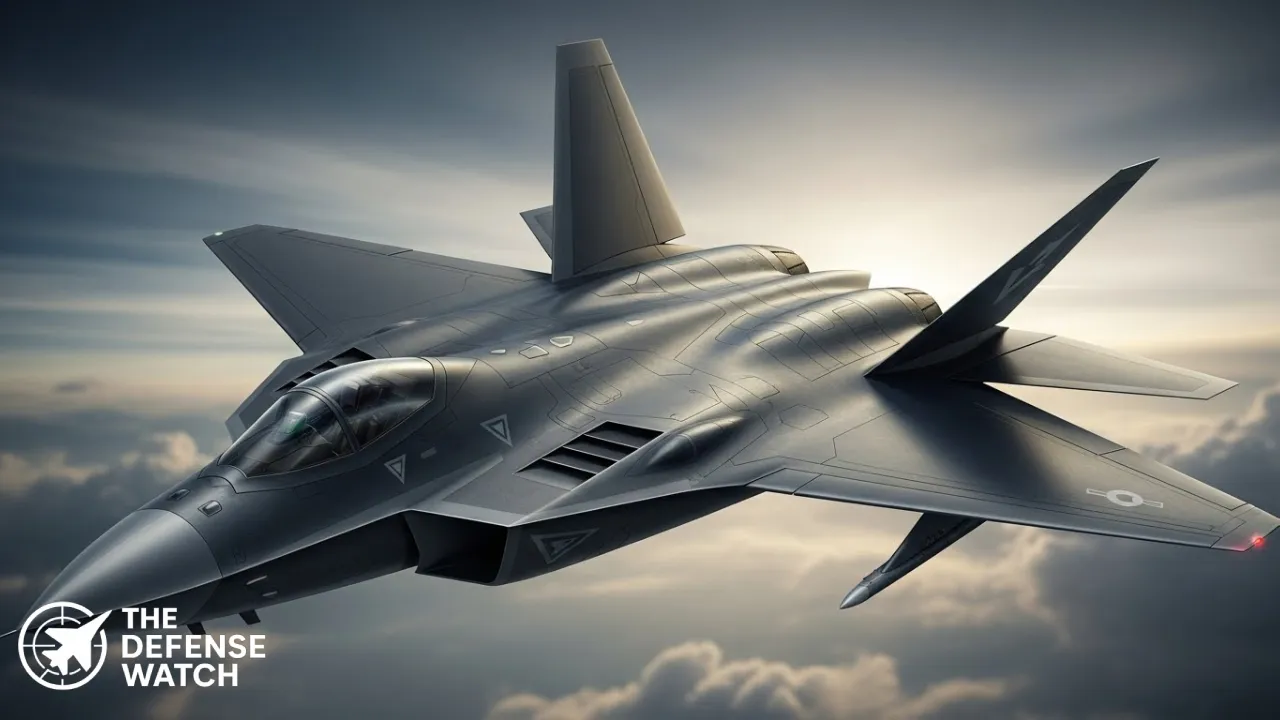
The Global Combat Air Programme (GCAP) remains one of Europe’s largest defense modernization initiatives. The trilateral program brings together the United Kingdom, Italy, and Japan to develop a sixth generation combat aircraft expected to enter service during the mid 2030s.
Leonardo is responsible for several critical technology areas, including:
Capability Leonardo Contribution Advanced sensors Multi-function radar and sensing architecture Electronic warfare Digital electronic attack and protection systems Mission systems Sensor fusion and battle management Communications Secure, high bandwidth information sharing Integrated avionics Next generation mission computing Rather than focusing solely on aircraft performance, GCAP is designed as a highly networked combat ecosystem capable of integrating crewed aircraft, autonomous systems, satellites, and ground based assets into a unified operational picture.
Leonardo stated that digital engineering and open systems architecture remain central to reducing development timelines while allowing future capability upgrades throughout the aircraft’s service life.
Counter Drone Technologies Address Rapidly Expanding Threat
A major portion of Leonardo’s exhibit focuses on counter unmanned aircraft systems (C-UAS), reflecting the growing operational importance of defending military bases, critical infrastructure, and deployed forces against increasingly sophisticated drone attacks.
The company’s counter drone portfolio combines multiple technologies into a layered defensive architecture, including:
- Advanced surveillance radar
- Passive radio frequency detection
- Electro-optical and infrared sensors
- Electronic warfare systems
- Command and control software
- Integrated effectors for threat neutralization
Leonardo emphasized that modern counter drone operations increasingly require rapid sensor fusion capable of identifying, tracking, classifying, and responding to multiple unmanned aircraft simultaneously.
The company noted that scalable architectures allow customers to tailor systems for fixed installations, expeditionary deployments, airports, ports, and critical national infrastructure.
Michelangelo Dome Brings Layered Air Defense Together
Another major capability on display is Michelangelo Dome, Leonardo’s integrated air defense architecture designed to combine sensors, command systems, and multiple defensive effectors into a unified network.
Rather than representing a single interceptor system, Michelangelo Dome functions as an integrated command architecture capable of coordinating:
- Air surveillance radars
- Counter drone sensors
- Air defense command networks
- Surface based interceptors
- Electronic warfare assets
The system is intended to improve situational awareness while enabling commanders to prioritize threats and coordinate responses across multiple defensive layers.
As drone swarms and mixed attacks involving cruise missiles and loitering munitions become increasingly common, integrated command architectures have become a priority across NATO and partner nations.
UK Industrial Base Plays Key Strategic Role
Leonardo used the Farnborough exhibition to emphasize its long standing presence within the United Kingdom’s defense industrial base.
The company supports thousands of highly skilled jobs across facilities involved in:
- Radar production
- Helicopter manufacturing
- Electronic warfare development
- Cyber capabilities
- Advanced aircraft technologies
- Space systems
The company said these investments contribute to sovereign defense capability while strengthening collaboration across government, academia, and industry.
Leonardo also highlighted ongoing cooperation with British small and medium sized enterprises, universities, and technology partners supporting innovation across future defense programs.
Why The Showcase Matters
Leonardo’s Farnborough presentation reflects broader changes occurring across Western defense planning. Modern military modernization programs increasingly prioritize integrated combat networks rather than standalone platforms.
Several operational trends explain this shift:
- Drone proliferation has expanded the requirement for layered air defense.
- Electronic warfare has become central to both offensive and defensive operations.
- Future combat aircraft must operate as networked command nodes instead of isolated platforms.
- Artificial intelligence and sensor fusion are becoming essential for reducing operator workload and accelerating decision making.
For the United States and allied militaries, these developments reinforce the importance of interoperability across NATO and partner nations. Programs such as GCAP complement other next generation initiatives by emphasizing open architectures capable of integrating multinational technologies.
Similarly, integrated air defense concepts like Michelangelo Dome reflect growing demand for systems that can combine radar, electronic warfare, and kinetic defenses into a coordinated response against increasingly complex aerial threats.
Rather than relying on individual weapon systems, future defense planning increasingly centers on connected ecosystems capable of sharing data across domains in real time. Leonardo’s latest portfolio demonstrates how European industry is positioning itself to support that transition.
Outlook
Leonardo’s presence at the 2026 Farnborough International Airshow illustrates the company’s continued investment in next generation combat aviation, integrated air defense, and counter drone technologies.
With GCAP progressing toward the next phase of development and demand for layered air defense continuing to grow, the company’s portfolio reflects broader priorities shaping defense modernization across Europe and allied nations. The emphasis on integrated sensors, electronic warfare, and digital command architectures aligns closely with evolving operational requirements driven by increasingly contested air and electromagnetic environments.