(adsbygoogle = window.adsbygoogle || []).push({});Executive Summary:
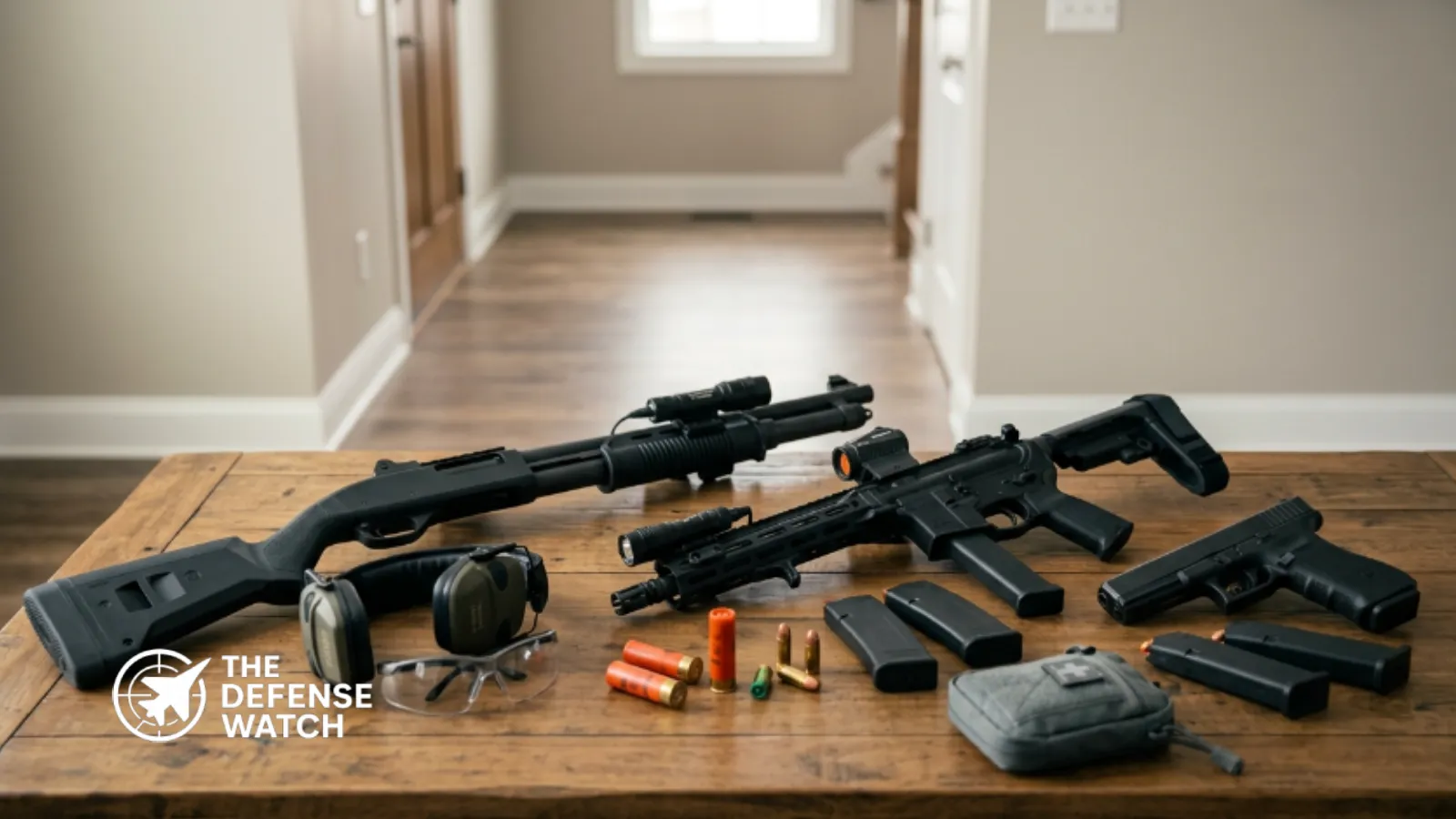
Modern home defense is no longer a simple debate between a shotgun and a pistol. Compact pistol caliber carbines, especially premium platforms such as Daniel Defense PCCs, have introduced a third option that changes how professionals evaluate maneuverability, controllability, and defensive effectiveness inside confined spaces.
This analysis compares each platform through the lens of tactical doctrine, ergonomics, terminal performance, and practical employment rather than internet myths or entertainment media.
Selecting the best shotgun for home defense is no longer as straightforward as it was twenty years ago. Defensive firearm technology has evolved rapidly, and compact pistol caliber carbines now compete directly with traditional shotguns and defensive handguns.
- Technical Analysis: Understanding Each Defensive Platform
- Home Defense Shotgun
- Daniel Defense PCC
- Handgun for Personal Defense
- Operational Comparison
- Tactical Doctrine: Why Professionals Still Respect the Shotgun
- The Crossover Angle: What Competitive Gaming Accidentally Gets Right
- Choosing Between the Three Platforms
- Conclusion
Military and law enforcement professionals increasingly evaluate defensive weapons through measurable factors such as controllability, target discrimination, recoil management, ammunition capacity, and the ability to place rapid, accurate shots under stress. Hollywood stereotypes rarely survive that analysis.
The question is not which firearm is universally superior. The better question is which platform performs best for a particular defender inside realistic residential environments.
Technical Analysis: Understanding Each Defensive Platform
Home Defense Shotgun
The traditional home defense shotgun remains one of the most effective close range defensive firearms available. A quality 12 gauge loaded with appropriate defensive buckshot delivers exceptional stopping capability within typical room distances.
Contrary to popular myths, shot spread inside most homes remains surprisingly tight. At seven to ten yards, many loads produce patterns only several inches across. Accurate aiming is still essential.
Pump action designs remain popular because of mechanical simplicity, while semi automatic shotguns reduce shooter workload during rapid follow up shots.
Advantages
- Extremely effective terminal performance
- Proven military and law enforcement history
- Reliable mechanical operation
- Strong psychological deterrent
Limitations
- Heavy recoil slows inexperienced shooters
- Lower ammunition capacity
- Longer overall length in narrow hallways
- Slower reloads under pressure
Daniel Defense PCC
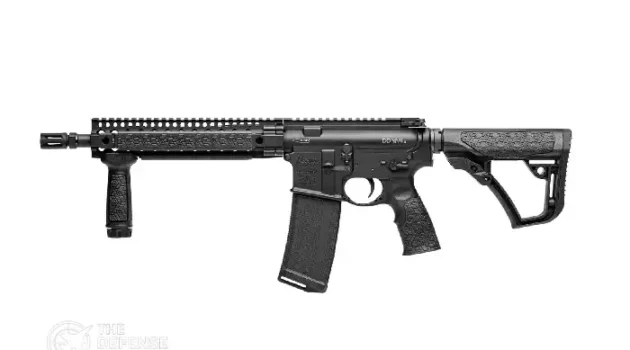
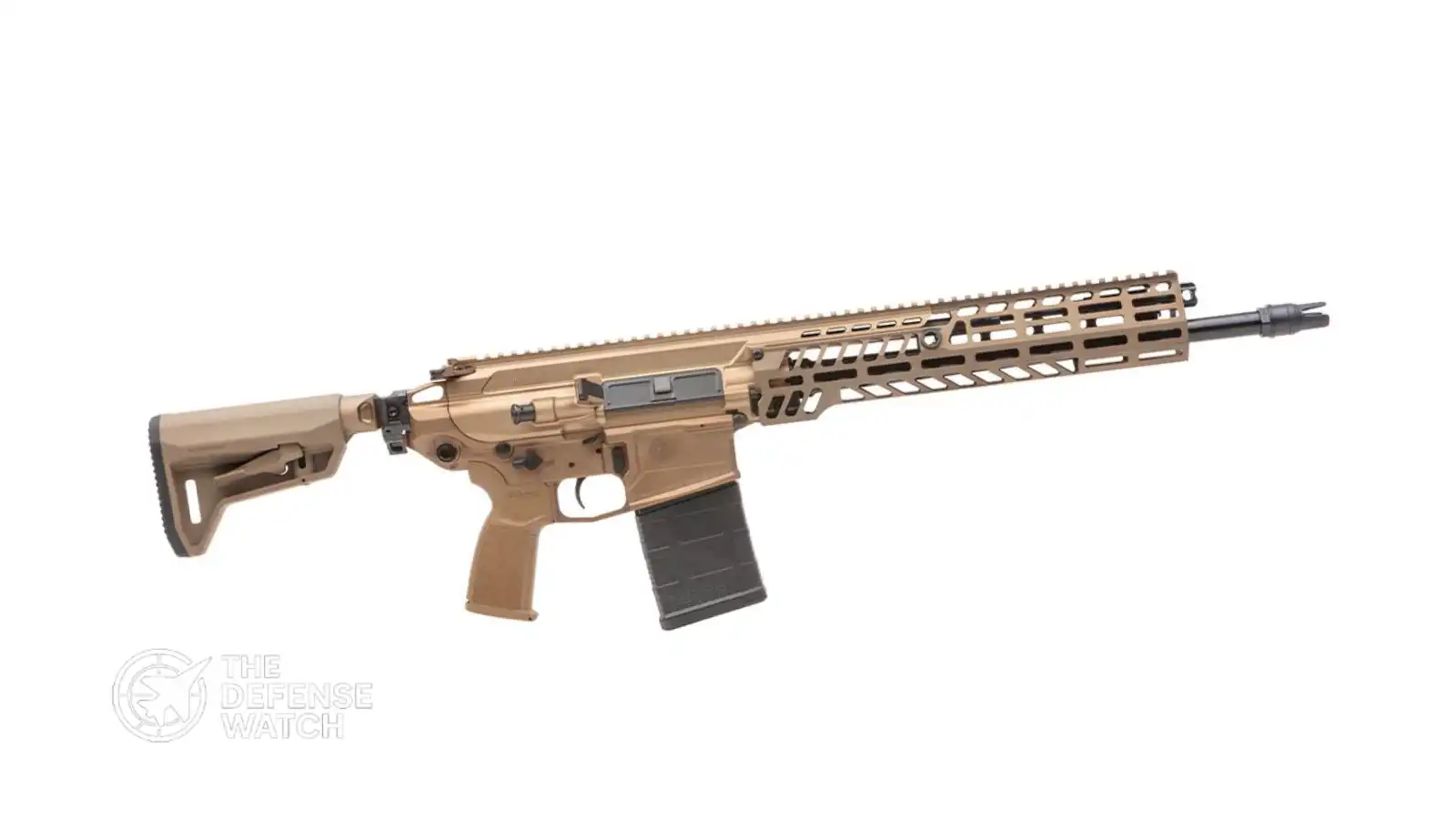
The arrival of premium Daniel Defense PCC platforms reflects a broader trend toward compact carbines chambered in pistol calibers.
Although firing handgun ammunition, these carbines benefit from longer barrels, improved stability, red dot optics, and weapon mounted lights. The result is significantly easier shot placement compared with traditional handguns.
Modern PCCs typically accept high capacity magazines while producing very mild recoil. For many shooters, this translates into faster target engagement and improved accuracy during stressful situations.
Professional instructors often note that new shooters become proficient with PCCs much faster than with handguns.
Handgun for Personal Defense
A handgun for personal defense offers one advantage no long gun can match.
Portability.
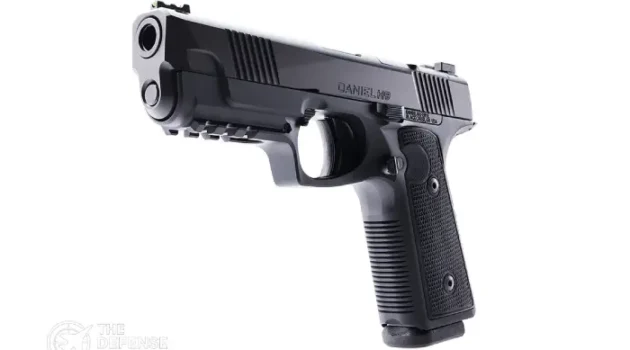
Most defensive encounters occur outside the home, making concealed carry pistols indispensable for daily protection. Inside the home, however, pistols require greater marksmanship because the shooter has fewer points of contact and a shorter sight radius.
(adsbygoogle = window.adsbygoogle || []).push({});Modern optics ready pistols have improved hit probability, but mastering them still requires consistent training.
Operational Comparison
Feature Home Defense Shotgun Daniel Defense PCC Handgun Effective Home Distance 5 to 25 yards 5 to 75 yards 5 to 25 yards Typical Capacity 5 to 8 rounds 20 to 35 rounds 15 to 20 rounds Felt Recoil High Low Moderate Ease of Accuracy High Very High Moderate Reload Speed Slow Fast Fast Maneuverability Moderate High Excellent Typical Civilian Price $400 to $1,800 $1,700 to $2,500 $500 to $1,200 Training Requirement Moderate Low to Moderate High Tactical Doctrine: Why Professionals Still Respect the Shotgun
Military organizations have relied on combat shotguns since the First World War, particularly for close quarters battle, breaching operations, and urban combat.
Modern doctrine, however, recognizes that every weapon has limitations.
Special operations forces frequently employ compact carbines because they provide greater ammunition capacity, lower recoil, and faster follow up shots without sacrificing precision.
This same reasoning explains why many civilian instructors now recommend PCCs for individuals who may struggle with heavy shotgun recoil.
atOptions = { ‘key’ : ‘e7d18db8b7513fb2a224cf4c3f18bbf0’, ‘format’ : ‘iframe’, ‘height’ : 90, ‘width’ : 728, ‘params’ : {} };The shotgun remains devastating, but it is no longer the only highly capable defensive option.
The Crossover Angle: What Competitive Gaming Accidentally Gets Right
Competitive tactical shooters and military simulators reward players who understand movement, angles, and room clearing rather than simply selecting the weapon with the highest damage.
Professional Call of Duty competitors frequently favor aggressive submachine gun players for close quarters objectives because mobility and rapid target transitions often outweigh raw firepower.
The comparison mirrors real defensive tactics.
A shotgun dominates when the first hit is decisive.
A PCC excels when rapid follow up shots, movement, and precision become equally important.
Meanwhile, the handgun remains the emergency tool that stays with the defender when larger firearms are unavailable.
Although esports naturally simplify real ballistics and tactics, the emphasis on positioning, communication, and weapon handling reflects genuine principles taught in military close quarters battle courses.
Winning a close quarters encounter depends less on raw firepower than on placing accurate shots quickly while maintaining control of the environment.
Choosing Between the Three Platforms
The answer depends on experience, physical ability, and intended role.
A homeowner seeking maximum stopping capability inside the house may still find shotguns for home defense to be the strongest option, provided they train regularly and select appropriate defensive ammunition.
Shooters who prioritize controllability, higher magazine capacity, and faster follow up shots often gravitate toward compact PCCs. Premium models such as those from Daniel Defense have become increasingly attractive because they combine familiar AR ergonomics with manageable recoil.
A handgun for personal defense remains unmatched for concealed carry and everyday accessibility, but it generally demands the highest level of training to achieve consistent accuracy under stress.
Conclusion
The debate over the best shotgun for home defense is no longer about declaring a universal winner.
The shotgun continues to deliver unmatched close range power and remains a respected defensive tool with more than a century of operational history. Daniel Defense style PCCs represent the modern evolution of close quarters firearms by emphasizing precision, capacity, and controllability. Handguns complete the picture by offering continuous personal protection beyond the home.
Understanding the strengths and limitations of each platform is far more valuable than chasing internet myths. Defensive success ultimately depends on training, sound judgment, and selecting the firearm that matches the user’s skill level and intended role.