Executive Summary:
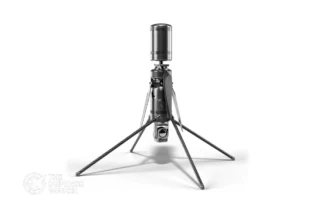
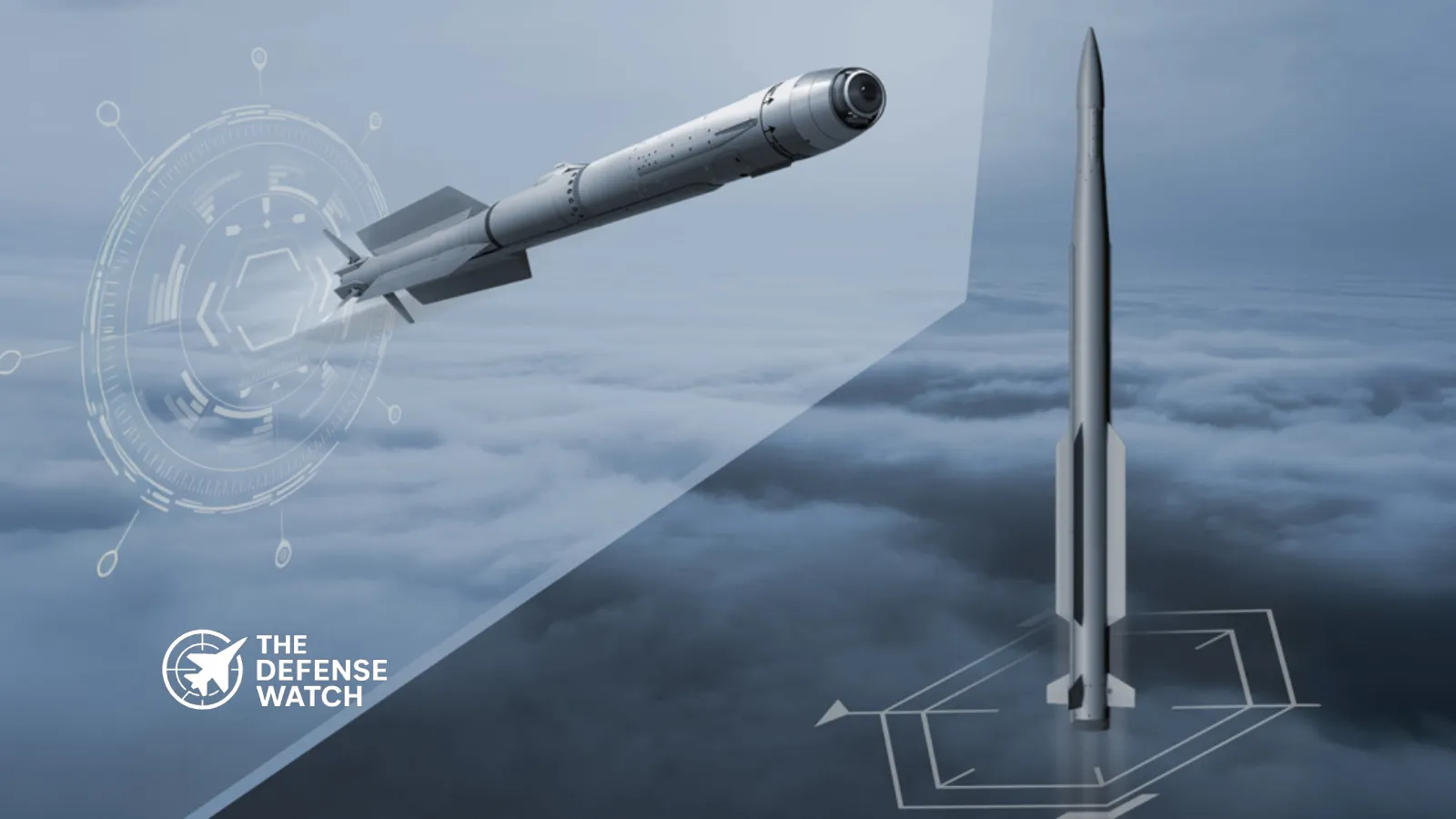
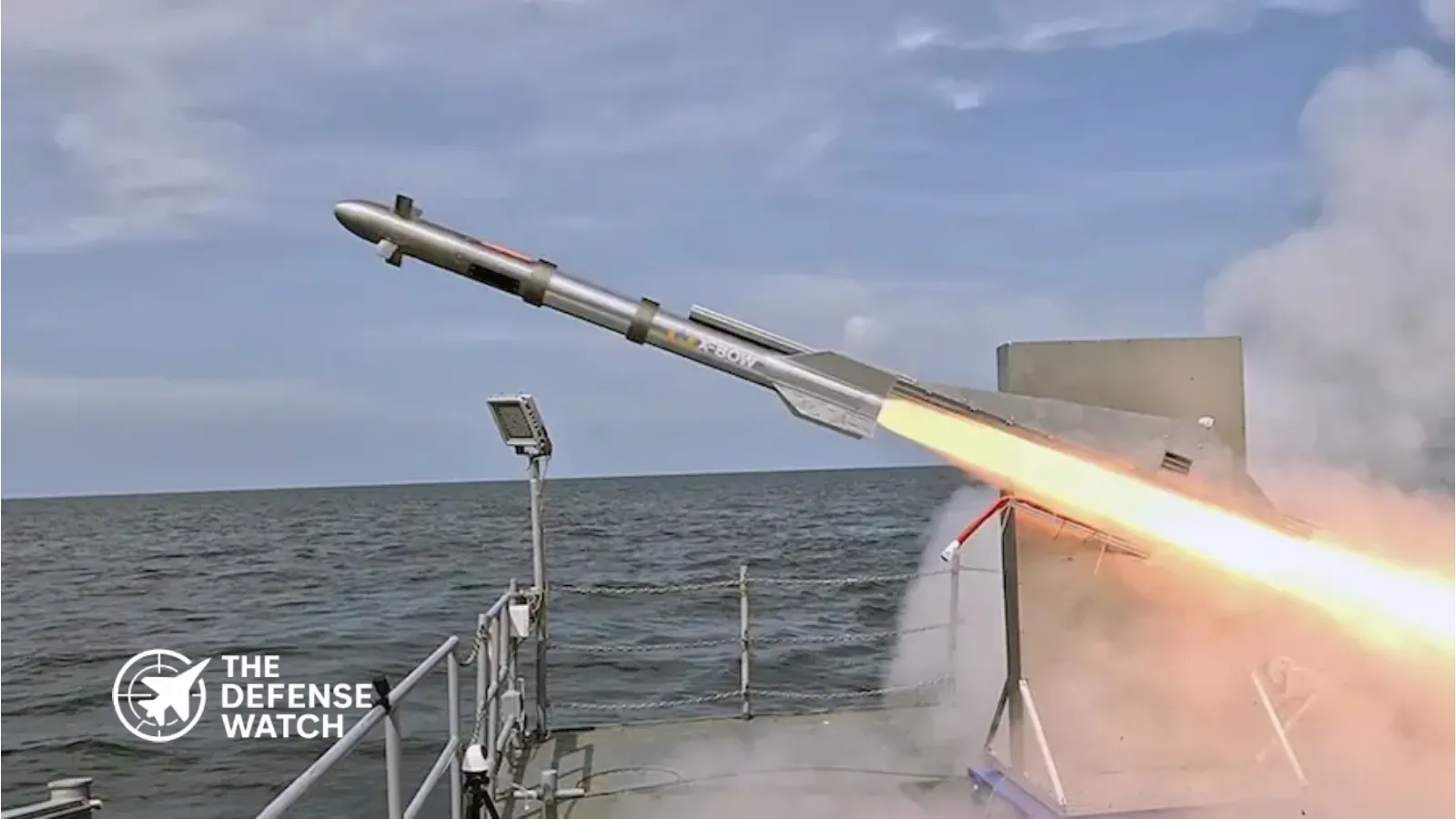
X-Bow has introduced the Buckler interceptor, a new low cost air defense weapon designed to defeat Group 3 unmanned aerial systems. The company says the interceptor will cost less than $100,000, addressing growing concerns over the high expense of using advanced missiles against relatively inexpensive drones while supporting scalable production for allied forces.
X-Bow Buckler Interceptor Addresses Rising Cost Of Counter Drone Operations
The X-Bow Buckler interceptor is the latest attempt to reduce the cost of defending military forces against increasingly capable unmanned aerial systems. Revealed by X-Bow, the new interceptor is designed specifically to engage Group 3 drones, offering a lower cost alternative to traditional surface to air missiles that are often significantly more expensive than the targets they destroy.
The announcement comes as militaries around the world continue searching for affordable counter drone capabilities following extensive operational lessons from conflicts in Ukraine and the Middle East. Drone attacks have highlighted a growing imbalance between inexpensive unmanned aircraft and costly defensive interceptors.
According to X-Bow, Buckler is intended to close that gap by delivering a capable interceptor priced below $100,000 per round, allowing military operators to expand defensive capacity without relying solely on high end missile systems.
Designed For The Group 3 Drone Threat
Group 3 unmanned aircraft generally include medium sized drones weighing up to approximately 1,320 pounds and operating at altitudes below 18,000 feet. These platforms are widely used for intelligence, surveillance, reconnaissance, and increasingly for strike missions.
As these drones become more common across modern battlefields, air defense forces have faced mounting pressure to employ expensive interceptors against comparatively low cost threats. This mismatch has become one of the defining challenges of contemporary integrated air and missile defense.
X-Bow says the Buckler interceptor is optimized to engage these medium sized drones while providing a significantly lower engagement cost. The company also emphasizes production scalability, an increasingly important requirement as defense planners seek to replenish missile inventories and sustain prolonged operations.
Focus On Affordable Production
One of Buckler’s primary selling points is manufacturing efficiency.
Rather than simply reducing unit cost, X-Bow is positioning the interceptor as a weapon that can be produced rapidly and at scale. The company argues that maintaining large inventories of affordable interceptors will become increasingly important as drone attacks continue to increase in both frequency and complexity.
The defense industry has increasingly shifted toward mass production strategies following operational lessons from recent conflicts. Governments and manufacturers alike have recognized that industrial capacity is now a strategic advantage alongside weapon performance.
The Buckler program reflects this broader trend by combining lower acquisition costs with manufacturing processes intended to support sustained production.
Why The Launch Matters
The introduction of another dedicated counter drone interceptor reflects a larger transformation taking place across global air defense.
Traditional air defense systems were developed primarily to defeat aircraft, cruise missiles, and ballistic missile threats. Today’s operational environment increasingly demands systems capable of defeating large numbers of relatively inexpensive drones without exhausting inventories of premium interceptors.
Several defense companies have responded by developing layered air defense architectures that combine electronic warfare, directed energy systems, guns, and lower cost missiles. Buckler appears aimed squarely at filling the missile layer for medium sized drone threats.
If fielded successfully, systems such as Buckler could help military operators preserve advanced long range interceptors for higher value targets while assigning lower cost weapons to routine drone engagements.
Industrial And Allied Implications
Beyond its technical characteristics, Buckler reflects growing demand among allied governments for cost effective defense procurement.
Defense ministries are increasingly evaluating not only weapon performance but also production capacity, affordability, and supply chain resilience. The ability to manufacture interceptors quickly and in large quantities has become an important consideration as countries expand air defense inventories.
By targeting a price below $100,000, X-Bow is seeking to position Buckler as a practical option for sustained operations where interceptor expenditure rates may remain high over extended periods.
The launch also aligns with broader efforts across NATO and partner nations to strengthen integrated air defense networks capable of responding to persistent drone threats while managing long term procurement costs.
Broader Defense Market Trends
The counter drone market continues to evolve rapidly as governments invest in layered defensive capabilities. Recent years have seen increased funding for kinetic interceptors, electronic warfare systems, high energy lasers, and artificial intelligence enabled detection technologies.
Affordable kinetic interceptors remain an important component of that mix because they provide an effective option against drones operating beyond the range or effectiveness of electronic attack systems.
The X-Bow Buckler interceptor enters this competitive environment as defense organizations continue balancing operational effectiveness with affordability. Whether adopted by allied customers will depend on future testing, integration with existing air defense architectures, and demonstrated operational performance.
As drone warfare continues reshaping military planning, systems that reduce engagement costs while supporting high volume production are expected to play an increasingly important role in future air defense strategies.