
- Home
- Defense Systems
- Missiles & Precision Weapons
- JL-3 Submarine Missile
JL-3 Submarine Missile
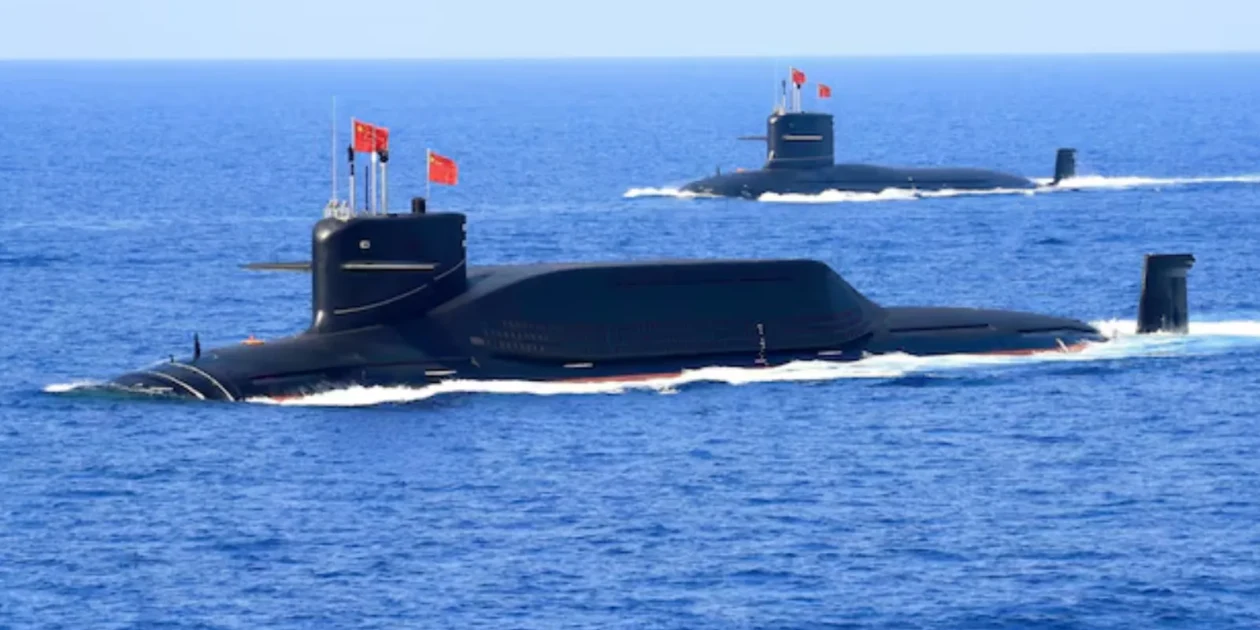
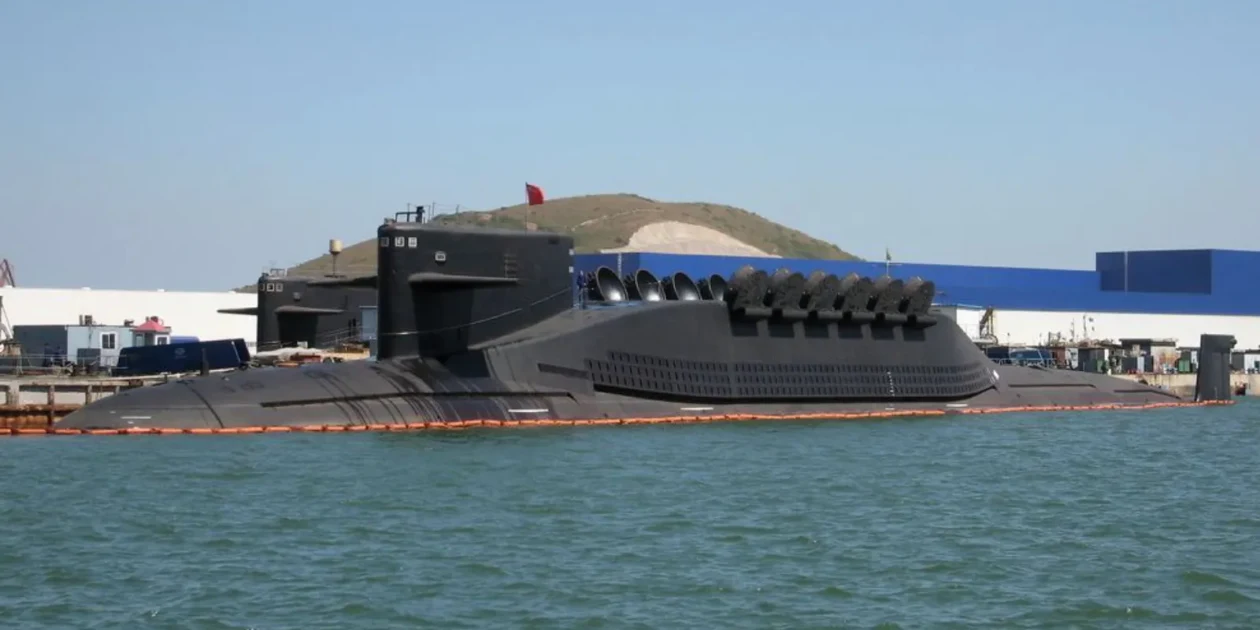
Defense Systems Full Specifications
1. General Information
| Name / Designation | JL-3 (Julang-3, CSS-NX-20) |
| Type / Role | Submarine-Launched Ballistic Missile (SLBM), Strategic Nuclear Deterrent |
| Country of Origin | Chinese state defense industry (CASIC-linked) |
| Manufacturer | ~2022–2023 |
| Service Entry / Year Introduced | Active / In Service |
2. Performance & Range
| Range | >10,000 km (intercontinental) |
| Speed | High supersonic / Hypersonic reentry |
| Ceiling / Altitude Limit | Ballistic trajectory (space-capable apogee) |
| Accuracy (CEP) | ~100 meters (estimated) |
| Warhead Type | Nuclear (single or MIRV) |
3. Guidance & Targeting
| Guidance System | Astro-inertial with Beidou |
| Targeting Mode | Pre-programmed ballistic with mid-course updates |
| Launch Platform Compatibility | Nuclear-powered ballistic missile submarines |
| Seeker Type | Inertial / Satellite-aided |
4. Physical Characteristics
| Length | ~13–14+ m (estimated, larger than JL-2) |
| Diameter | ~2–2.3 m (estimated) |
| Wingspan | N/A (ballistic missile) |
| Launch Weight | ~40,000–50,000+ kg (estimated) |
| Propulsion | Three-stage solid-fuel rocket |
5. Warhead & Payload
| Warhead Weight | Multiple reentry vehicles possible |
| Explosive Type | Nuclear (250 kt – 1 Mt per warhead) |
| Detonation Mechanism | Airburst / Ground burst options |
| Payload Options | MIRV nuclear warheads |
6. Operational Use & Capabilities
| Operational Range Type | Long (Intercontinental) |
| Deployment Platform | Sea (Submarine) |
| Target Types | Strategic military, urban, and infrastructure targets |
| Combat Proven | No |
| Users / Operators | People's Liberation Army Navy (PLAN), China |
PROS
- Extended range (>10,000 km) allows safer submarine patrol areas while threatening distant targets.
- Solid-fuel propulsion enables rapid launch from submerged platforms.
- MIRV capability increases strike flexibility and complicates defenses.
- Integration with Beidou navigation improves mid-course accuracy and resilience.
- Enhances overall survivability of China's sea-based nuclear deterrent.
CONS
- Limited public verification of full operational maturity and reliability.
- Dependence on a relatively small fleet of Type 094 submarines, which are noisier than Western equivalents.
- Potential vulnerabilities to advanced anti-submarine warfare (ASW) technologies.
- Geopolitical escalation risks associated with strategic nuclear systems.
- High development and maintenance costs strain resources amid broader military modernization.
China JL-3 Submarine-Launched Ballistic Missile (SLBM)
The JL-3 (Julang-3 or Giant Wave-3), NATO reporting name CSS-NX-20, represents a significant advancement in China’s sea-based strategic nuclear forces. As a third-generation submarine-launched ballistic missile (SLBM), it provides the People’s Liberation Army Navy (PLAN) with a more survivable and far-reaching deterrent. Developed amid growing great-power competition, the JL-3 allows Chinese ballistic missile submarines to target distant adversaries, including the continental United States, while operating closer to home waters, thereby improving platform survivability.
This solid-fuel missile marks a notable upgrade over the JL-2, offering extended range and improved payload options. It was first tested in 2018 and is believed to have entered service around 2022–2023, with public unveiling during the 2025 Victory Day Parade. Recent tests, including a 2026 Pacific launch, underscore ongoing efforts to validate its intercontinental capabilities.
Manufacturer
The JL-3 is designed and produced in China by state-affiliated defense entities under the China Aerospace Science and Industry Corporation (CASIC) or related institutes, consistent with China’s strategic missile programs. It draws technological lineage from the land-based DF-41 ICBM.
Speed and Range
The JL-3 achieves intercontinental performance with an operational range exceeding 10,000 km (some estimates reach 11,000–13,000 km), enabling strikes on the U.S. mainland from the South China Sea or coastal patrol areas. It is a three-stage solid-fuel rocket capable of high speeds, with reentry vehicles reaching hypersonic velocities (approaching Mach 20+ during terminal phase). This combination of range and speed complicates missile defense efforts.
Cost/Price
Exact unit costs for the JL-3 are not publicly disclosed due to its classified strategic nature. Estimates for comparable modern SLBM programs suggest high development and production expenses, likely in the tens of millions of dollars per missile, reflecting advanced solid-fuel propulsion, guidance systems, and MIRV technology. Lifecycle costs include submarine integration and maintenance for the Type 094 Jin-class fleet.
The missile features astro-inertial guidance supplemented by China’s Beidou satellite navigation system, providing accuracy with a reported CEP around 100 meters. It is nuclear-capable, with warheads estimated at 250 kt to 1 Mt yield, and supports MIRV configurations (likely 3–4 or more reentry vehicles). Launch compatibility is primarily with Type 094 submarines (12 tubes), with expectations for the larger Type 096.
In operational use, the JL-3 strengthens China’s nuclear triad by enhancing second-strike credibility. Its deployment on Jin-class boats, now being retrofitted, expands patrol flexibility and reduces reliance on vulnerable land-based systems.
Disclaimer Note
The information provided on TheDefenseWatch.com is for general informational purposes only. While we strive to ensure the accuracy, completeness, and timeliness of our content regarding defense and aerospace products, technologies, and specifications, we cannot guarantee that all information is 100% accurate or up-to-date due to the evolving nature of military technology and classified data.TheDefenseWatch.com does not warrant the reliability, suitability, or availability of the information for any specific purpose. Users are advised to consult official sources, such as manufacturers, government publications, or defense agencies, for precise and verified data before making decisions based on our content.We are not affiliated with any defense manufacturers, governments, or military organizations mentioned. Opinions, reviews, and ratings reflect expert analysis but are subjective and should not be considered endorsements. TheDefenseWatch.com is not responsible for any errors, omissions, or consequences arising from the use of this website’s content.External links are provided for convenience and do not imply endorsement. TheDefenseWatch.com reserves the right to update or modify content without prior notice. By using this website, you agree to our Privacy & Cookies Policy.
More Defense Systems from China Aerospace Science and Industry Corporation (CASIC)

New Arrivals



Popular Comparisons
-
 Tejas vs Gripen: Key Differences and Capabilities
View Comparison →
Tejas vs Gripen: Key Differences and Capabilities
View Comparison → -
Tejas vs MiG-21 Bison: How India Replaced Its Iconic Supersonic Fighter
View Comparison →
-
F-35 vs F-16: Stealth, Sensors and Combat Roles
View Comparison →
-
Tejas Fighter Jet vs F-16 Fighting Falcon: Capability Compared
View Comparison →
-
Rafale Fighter Jet vs F-16 Fighting Falcon : Which Fighter Has the Edge?
View Comparison →
-
Su-57 Fighter Jet vs J-20 Fighter Jet: Stealth and Air Combat Compared
View Comparison →
-
Mirage 2000 vs Tejas Mk1A: Legacy Combat Power vs Indigenous Modernization
View Comparison →
-
Rafale Fighter Jet vs F-22 Raptor: Which Air Dominance Fighter Has the Edge?
View Comparison →
-
Tejas Fighter Jet vs. Rafale Fighter Jet: India’s Indigenous Fighter Meets France’s Proven Multirole Combat Aircraft
View Comparison →
-
F-22 Raptor vs. F-35 Joint Strike Fighter: Which Fifth Generation Fighter Has the Edge?
View Comparison →


- USS Oregon Visits Norway as U.S. Navy Maintains High North Presence

- Lockheed Martin Unveils PAC-3 Edge Interceptor for U.S. Army
- Northrop Grumman Completes B-2 Spirit of Kitty Hawk Overhaul
- Army Report Finds Systemic Failures Behind Fatal 2025 Midair Collision
- Lockheed Martin to Supply Black Hawk Training Systems to Philippine Air Force
- US Air Force Expands B-21 Raider Production Capacity by 25%
- Boeing Wins $10.9 Million VC-25B Test Maintenance Contract Modification
- Raytheon Wins $6.34 Billion Contract for SM-3 Block IB Missile Production
- USS Abraham Lincoln CO Addresses Crew Welfare Concerns After 322-Day Deployment
- General Dynamics, Primordial Labs to Add Voice Control to Abrams and XM30






Fighter Jets
-
 MIG-31 Fighter Jet
-
J-10CE Fighter Jet
-
Chengdu J-10 Fighter Jet
-
Chengdu J-10C Fighter Jet
-
Gripen E Fighter Jet
-
Tejas Mk1A Fighter Jet
-
Tejas Mk‑2 Fighter Jet
-
F-16V Viper Block 70 Fighter Jet
-
F-15EX Eagle II Fighter
-
Boeing F/A-XX Fighter
-
F-15E Strike Eagle Fighter
-
F/A-18E/F Super Hornet Fighter Jet
-
Saab Gripen F Fighter Jet
-
JAS 39E/F Gripen Fighter Jet
-
JAS 39 Gripen Fighter Jet
-
F-35A Lightning II Fighter Jet
-
F/A-18F Super Hornet
-
J-50 Fighter Jet
-
Spanish EF-18 Hornet Fighter
-
F-47 Fighter Jet
-
F-35i Adir Fighter Jet
-
F-16 Fighting Falcon
-
AIDC T-5 Brave Eagle
-
F-CK-1 Ching-Kuo Fighter







Recent Compares
-
Tejas vs Gripen: Key Differences and Capabilities
View Comparison →
-
Tejas vs MiG-21 Bison: How India Replaced Its Iconic Supersonic Fighter
View Comparison →
-
F-35 vs F-16: Stealth, Sensors and Combat Roles
View Comparison →
-
Tejas Fighter Jet vs F-16 Fighting Falcon: Capability Compared
View Comparison →
-
Rafale Fighter Jet vs F-16 Fighting Falcon : Which Fighter Has the Edge?
View Comparison →
Latest Defense Systems
10 Compares Defense Systems
-
Tejas vs Gripen: Key Differences and Capabilities
View Comparison →
-
Tejas vs MiG-21 Bison: How India Replaced Its Iconic Supersonic Fighter
View Comparison →
-
F-35 vs F-16: Stealth, Sensors and Combat Roles
View Comparison →
-
Tejas Fighter Jet vs F-16 Fighting Falcon: Capability Compared
View Comparison →
-
Rafale Fighter Jet vs F-16 Fighting Falcon : Which Fighter Has the Edge?
View Comparison →
-
Su-57 Fighter Jet vs J-20 Fighter Jet: Stealth and Air Combat Compared
View Comparison →
-
Mirage 2000 vs Tejas Mk1A: Legacy Combat Power vs Indigenous Modernization
View Comparison →
-
Rafale Fighter Jet vs F-22 Raptor: Which Air Dominance Fighter Has the Edge?
View Comparison →
-
Tejas Fighter Jet vs. Rafale Fighter Jet: India’s Indigenous Fighter Meets France’s Proven Multirole Combat Aircraft
View Comparison →
-
F-22 Raptor vs. F-35 Joint Strike Fighter: Which Fifth Generation Fighter Has the Edge?
View Comparison →
- USS Oregon Visits Norway as U.S. Navy Maintains High North Presence
- Lockheed Martin Unveils PAC-3 Edge Interceptor for U.S. Army
- Northrop Grumman Completes B-2 Spirit of Kitty Hawk Overhaul
- Army Report Finds Systemic Failures Behind Fatal 2025 Midair Collision
- Lockheed Martin to Supply Black Hawk Training Systems to Philippine Air Force