(adsbygoogle = window.adsbygoogle || []).push({});Executive Summary:
Kongsberg has announced a major investment to establish the Marine Innovation Simulation Centre of Excellence (MISE) in partnership with the British Columbia Institute of Technology (BCIT). The initiative supports Canada’s Defense Industrial Strategy by expanding maritime simulation, applied research, workforce development, and sovereign defense capabilities.
Kongsberg Invests In Canada To Expand Maritime Defense Innovation
Norwegian defense and technology company Kongsberg has announced a major investment in Canada to establish a new maritime simulation and defense innovation hub designed to strengthen the country’s naval research, workforce development, and digital maritime capabilities.
The new Marine Innovation Simulation Centre of Excellence (MISE) will be created through a partnership between Kongsberg Maritime, KONGSBERG, and the British Columbia Institute of Technology (BCIT) in British Columbia. The project represents a CAD 76.5 million investment enabled through Canada’s Industrial and Technological Benefits (ITB) Policy, reinforcing the company’s long term commitment to the Canadian defense sector.
The announcement comes as Canada continues expanding defense industrial capacity alongside increased investment in naval modernization and NATO capability development.
New Center Will Support Maritime Research And Defense Innovation
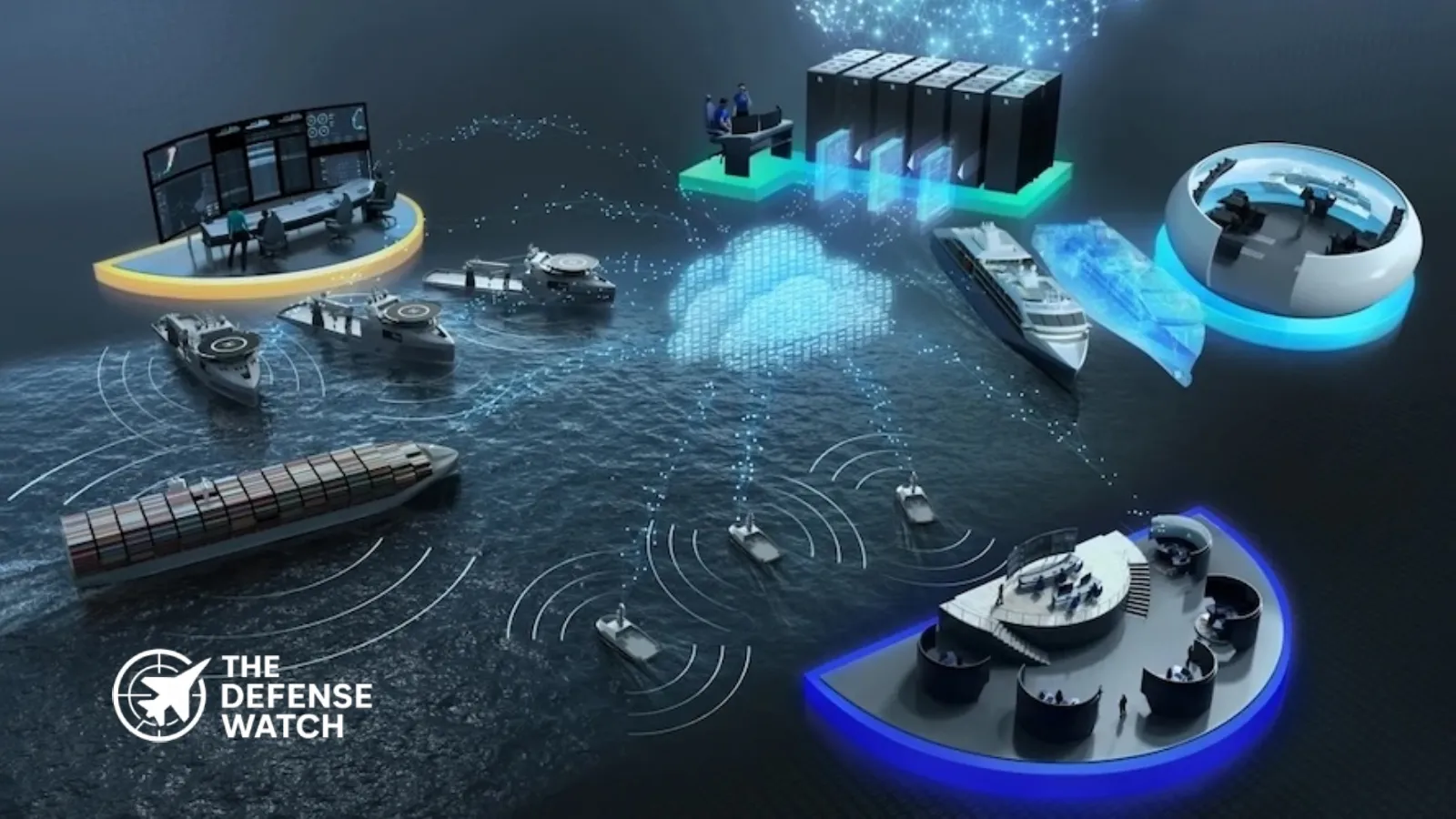
According to Kongsberg, the new simulation center will be built around the company’s advanced maritime simulation technologies.
The facility will provide highly realistic virtual environments, software development tools, and open application programming interfaces (APIs) that enable collaboration between Canadian industry, universities, defense organizations, and government agencies.
The center is expected to support research in several strategic areas, including:
- Maritime autonomy
- Cyber resilience
- Critical infrastructure protection
- Port development
- Maritime safety
- Human factors research
- Accident investigation
- Low and zero emission vessel operations
Officials say these digital environments will allow researchers and industry partners to test new concepts, validate technologies, and reduce operational risks before deployment in real world maritime environments.
(adsbygoogle = window.adsbygoogle || []).push({});Supporting Canada’s Defense Industrial Strategy
The investment directly aligns with Canada’s recently introduced Defense Industrial Strategy, which places greater emphasis on sovereign industrial capability, digital technologies, and domestic innovation.
Jordan Freed, President and Managing Director of Kongsberg Geospatial, said sovereign digital systems are becoming an increasingly important element of Canada’s future defense capability.
The investment also supports improvements to BCIT’s research infrastructure, faculty expertise, and long term capability development while expanding opportunities for collaborative applied research across Canada’s maritime sector.
Training The Next Generation Of Maritime Professionals
Beyond defense technology, the project focuses heavily on workforce development.
Kongsberg will provide cloud based maritime simulation licenses that enable BCIT students to access advanced training outside traditional classrooms.
The approach supports remote learning, distributed simulation exercises, and expanded access to maritime education for Indigenous communities and students in remote regions.
atOptions = { ‘key’ : ‘3d48d603f906e3fe9f205be3c4433835’, ‘format’ : ‘iframe’, ‘height’ : 250, ‘width’ : 300, ‘params’ : {} };By increasing simulation availability, the initiative is expected to improve training capacity while preparing future personnel for increasingly digital naval and commercial maritime operations.
Analysis: Why The Investment Matters
While the announcement centers on education and research, its strategic significance extends well beyond academia.
Modern naval programs increasingly depend on digital engineering, advanced simulation, cyber resilience, and autonomous systems before ships ever enter production. Investments like MISE allow governments and industry to prototype new concepts, evaluate operational risks, and accelerate technology maturation at lower cost than traditional testing.
The timing is also notable.
Canada is undertaking one of the most significant defense modernization efforts in decades, including investments in new submarines, advanced naval technologies, and next generation weapons. Kongsberg has recently expanded its Canadian footprint through multiple initiatives, including support for Canada’s future submarine program and the country’s selection of the Joint Strike Missile for the Royal Canadian Air Force.
From a broader NATO perspective, investments in simulation infrastructure help strengthen allied interoperability while building domestic industrial expertise. Rather than focusing solely on hardware production, countries are increasingly investing in digital ecosystems that support testing, experimentation, software development, and operational readiness throughout a platform’s lifecycle.
That approach reflects a wider shift across allied defense industries, where simulation and digital engineering are becoming critical components of military modernization.
Looking Ahead
The Marine Innovation Simulation Centre of Excellence is expected to become a long term platform for maritime innovation in Canada, supporting defense research, commercial maritime applications, and advanced workforce development.
As Canada expands defense spending and strengthens its domestic industrial base, projects like MISE demonstrate how international defense companies are aligning investment with Canada’s strategic objective of developing sovereign capabilities while enhancing collaboration across government, academia, and industry.
Feature Image Suggestion
Concept artwork showing Kongsberg maritime simulation technology, naval operators using digital ship simulators, and a modern Canadian naval vessel in the background.
Get real time update about this post category directly on your device, subscribe now.