atOptions = { ‘key’ : ‘3d48d603f906e3fe9f205be3c4433835’, ‘format’ : ‘iframe’, ‘height’ : 250, ‘width’ : 300, ‘params’ : {} };Executive Summary:
The U.S. Air Force is formalizing a two pilot crew concept for the B 21 Raider as the next generation stealth bomber progresses toward operational service. The decision reflects the aircraft’s central role in future conventional and nuclear long range strike missions while supporting a faster transition from testing to combat readiness.
U.S. Air Force Defines B 21 Raider Crew Concept Ahead Of Operational Service
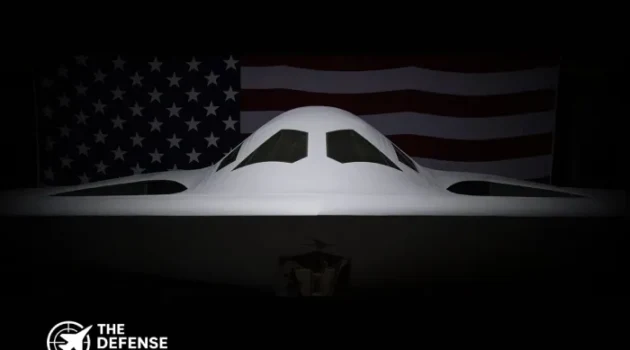
The B 21 Raider program has reached another important milestone as the U.S. Air Force establishes a standard two pilot crew for its next generation stealth bomber. The move comes as the service continues developmental and operational testing while preparing the aircraft to become the backbone of America’s future long range strike capability.
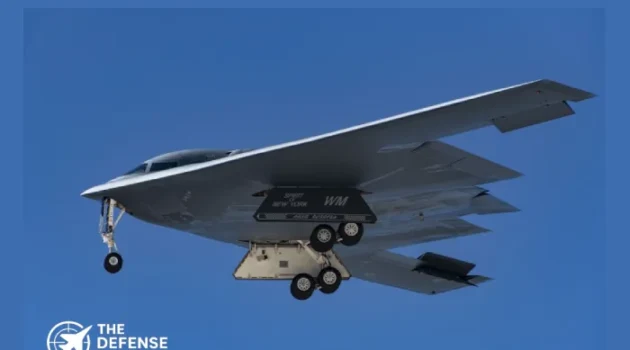
According to Air Force officials, the B 21 will be operated by two qualified pilots rather than a larger crew. The approach mirrors the operational model used by the B 2 Spirit while taking advantage of the Raider’s highly automated mission systems, advanced avionics, and digital architecture.
The Air Force has emphasized that introducing operational personnel into flight testing earlier than previous aircraft programs will help accelerate the bomber’s transition into frontline service.
Early Operational Testing Changes The Development Process
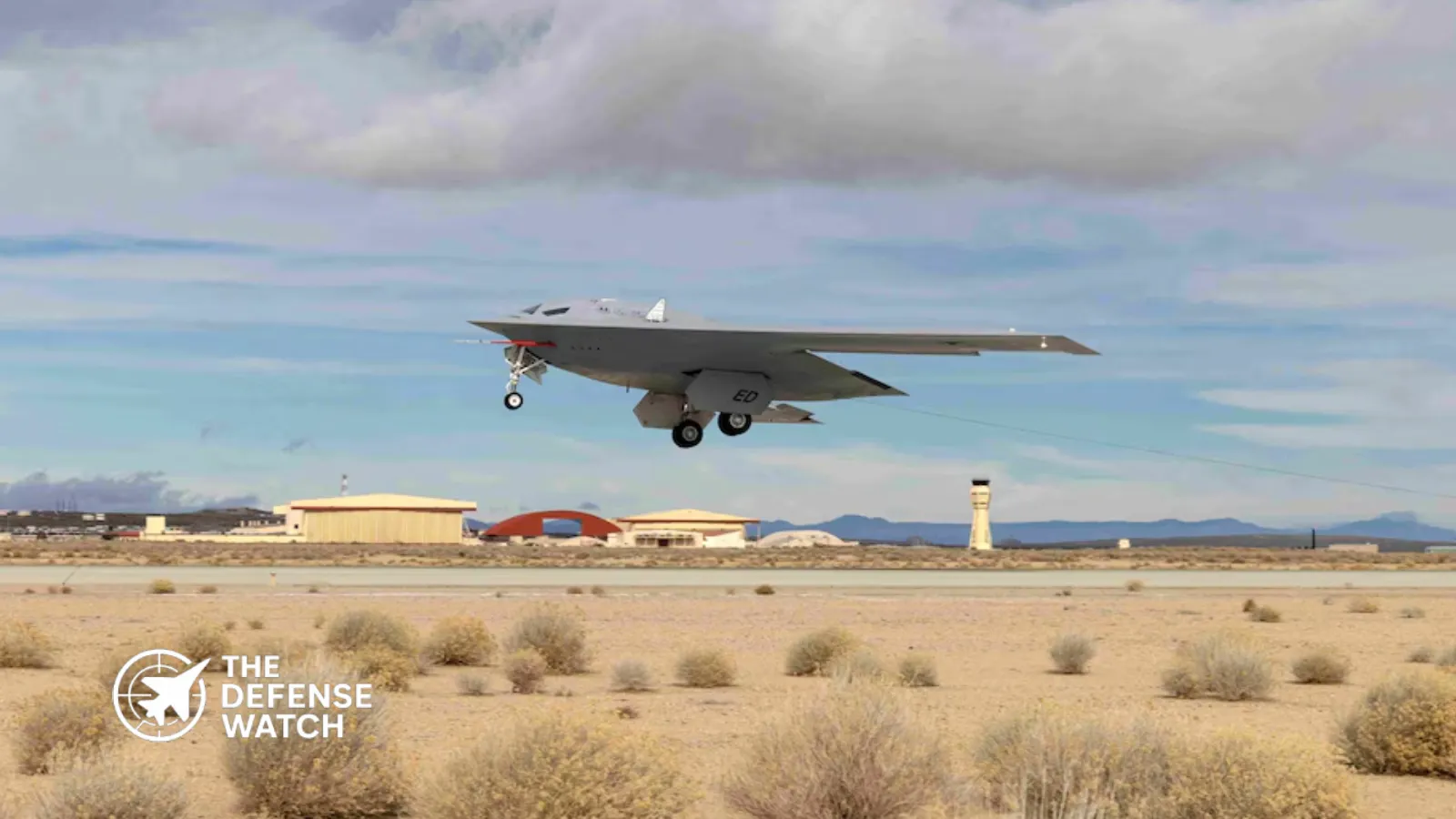
A significant milestone occurred when an operational test pilot flew alongside a developmental test pilot during a B 21 flight at Edwards Air Force Base.
Traditionally, developmental testing and operational testing occur sequentially. For the Raider, however, both communities are working together much earlier in the program, allowing operational feedback to influence testing before production expands. Air Force officials describe the approach as a major change in modern military aircraft acquisition.
The Raider Combined Test Force continues evaluating aircraft performance, mission systems, survivability, and combat suitability while additional test aircraft enter the program. Earlier this year, the program also completed aerial refueling milestones that demonstrated increasing maturity of the aircraft’s systems.
(adsbygoogle = window.adsbygoogle || []).push({});Why A Two Pilot Crew Matters
Although the B 21 incorporates advanced automation and digital mission management, the Air Force has retained two pilots for several operational reasons.
These include:
- Managing complex long duration global strike missions.
- Supporting conventional and nuclear mission requirements.
- Reducing pilot workload during contested operations.
- Improving mission resilience during extended flights.
- Providing redundancy during strategic deterrence missions.
Unlike legacy bombers that relied on larger crews, many navigation, communications, and systems management tasks are now handled through integrated software and highly automated onboard systems. This enables the aircraft to accomplish complex missions with fewer personnel while maintaining operational flexibility.
B 21 Raider Program Status
Program Element Current Status Manufacturer Northrop Grumman Crew Two pilots Role Nuclear and conventional stealth bomber Flight Testing Ongoing Planned Fleet At least 100 aircraft First Operational Base Ellsworth Air Force Base Primary Mission Long range penetrating strike Source: U.S. Air Force and Air & Space Forces Magazine.
(adsbygoogle = window.adsbygoogle || []).push({});Strategic Importance For U.S. Long Range Strike
The two pilot crew announcement is more than a personnel decision. It represents another step toward fielding the Air Force’s future strategic bomber force.
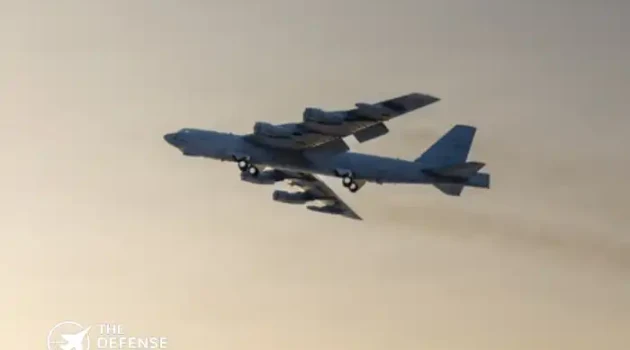
The Raider is expected to gradually replace both the B 1B Lancer and B 2 Spirit while operating alongside the modernized B 52J. Together, these aircraft will provide a layered bomber force capable of conducting conventional precision strike, nuclear deterrence, maritime strike, and long endurance global operations.
The Air Force also intends for the B 21 to operate within a broader family of systems that includes advanced weapons, intelligence networks, electronic warfare capabilities, and future collaborative platforms. Its open systems architecture is designed to allow software driven upgrades throughout the aircraft’s service life, reducing the time required to integrate new capabilities.
Analysis: Preparing The Human Element Of Future Air Warfare
While much attention surrounding the Raider focuses on stealth technology and advanced weapons, defining its crew structure is equally important.
A standardized two pilot concept simplifies training pipelines, operational planning, and long term sustainment. It also reflects confidence that digital automation has matured enough to reduce crew size without sacrificing mission effectiveness.
From an operational perspective, combining developmental and operational testing earlier than previous programs could shorten the timeline between testing and combat deployment. This approach also allows future crews to influence aircraft tactics, procedures, and mission planning before the bomber reaches full operational capability.
For the United States, where long range strike remains a cornerstone of both conventional military power and nuclear deterrence, the human component of the Raider program is becoming as important as its technical performance. As strategic competition with China and Russia continues, preparing qualified crews now ensures the Air Force can rapidly generate combat capable bomber units once production accelerates.
Get real time update about this post category directly on your device, subscribe now.