Executive Summary:
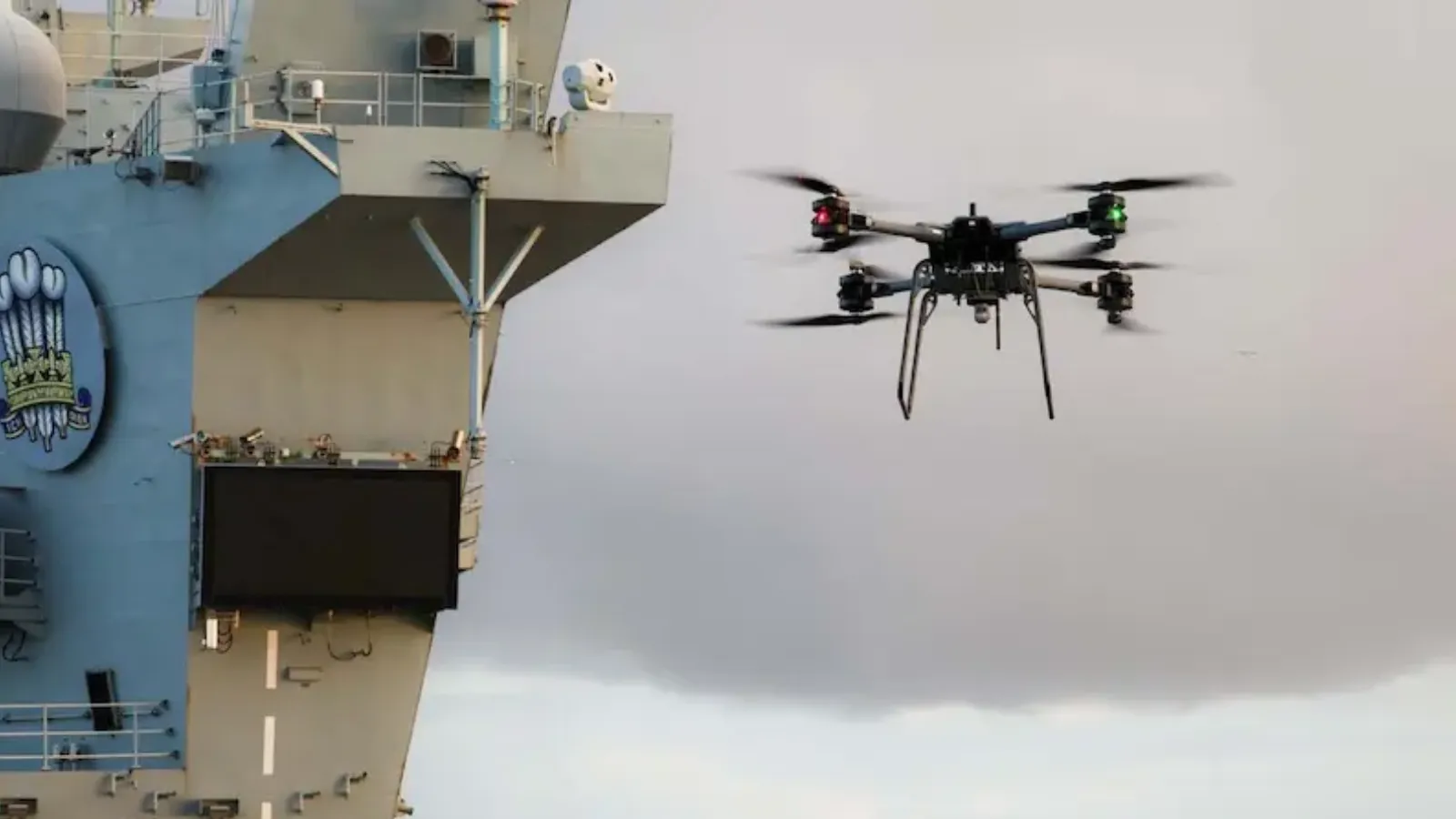
The Royal Navy has opened a dedicated Uncrewed Systems Centre in Swindon to accelerate the development and fielding of drones, autonomous surface vessels, and autonomous minehunting technologies. The new organization is intended to shorten the path from experimentation to operational deployment as the United Kingdom expands the role of autonomous systems across maritime operations.
Royal Navy Launches Uncrewed Systems Centre To Accelerate Autonomous Maritime Capabilities
The Royal Navy Uncrewed Systems Centre has officially opened in Swindon as part of the United Kingdom’s broader effort to integrate autonomous technologies across naval operations. Announced by the Royal Navy, the new center brings together expertise in unmanned aircraft, autonomous surface vessels, mine countermeasure systems, and digital technologies under a single organization designed to speed capability development.
- Royal Navy Launches Uncrewed Systems Centre To Accelerate Autonomous Maritime Capabilities
- A Central Hub For Maritime Autonomy
- Supporting The Royal Navy’s Minehunting Transformation
- Faster Innovation Through Centralized Development
- Growing Role Of Autonomous Systems Across Naval Operations
- Why The New Centre Matters
- Strategic Context
- Looking Ahead
The facility represents another step in the UK’s long-term modernization strategy, which increasingly relies on autonomous platforms to enhance fleet effectiveness while reducing operational risk and personnel demands.
Rather than treating individual drone programs separately, the new center will coordinate experimentation, procurement support, operational testing, and doctrine development across multiple uncrewed capabilities.
A Central Hub For Maritime Autonomy
The Uncrewed Systems Centre is intended to serve as the Royal Navy’s focal point for autonomous technologies, supporting programs from early concept development through operational deployment.
Its responsibilities include:
| Capability Area | Operational Purpose |
|---|---|
| Uncrewed Surface Vessels (USVs) | Maritime surveillance, force protection, logistics and mine warfare |
| Uncrewed Aerial Systems (UAS) | Intelligence, reconnaissance and targeting support |
| Autonomous Mine Countermeasures | Detecting and neutralizing naval mines without placing crews at risk |
| Digital Integration | Networking autonomous systems with naval command and control |
| Operational Experimentation | Rapid testing of emerging autonomous technologies |
The organization is expected to work closely with industry, research institutions, defense laboratories, and Royal Navy operational commands to reduce the time required to transition promising technologies into frontline service.
Supporting The Royal Navy’s Minehunting Transformation
One of the most significant areas supported by the new center is autonomous mine warfare.
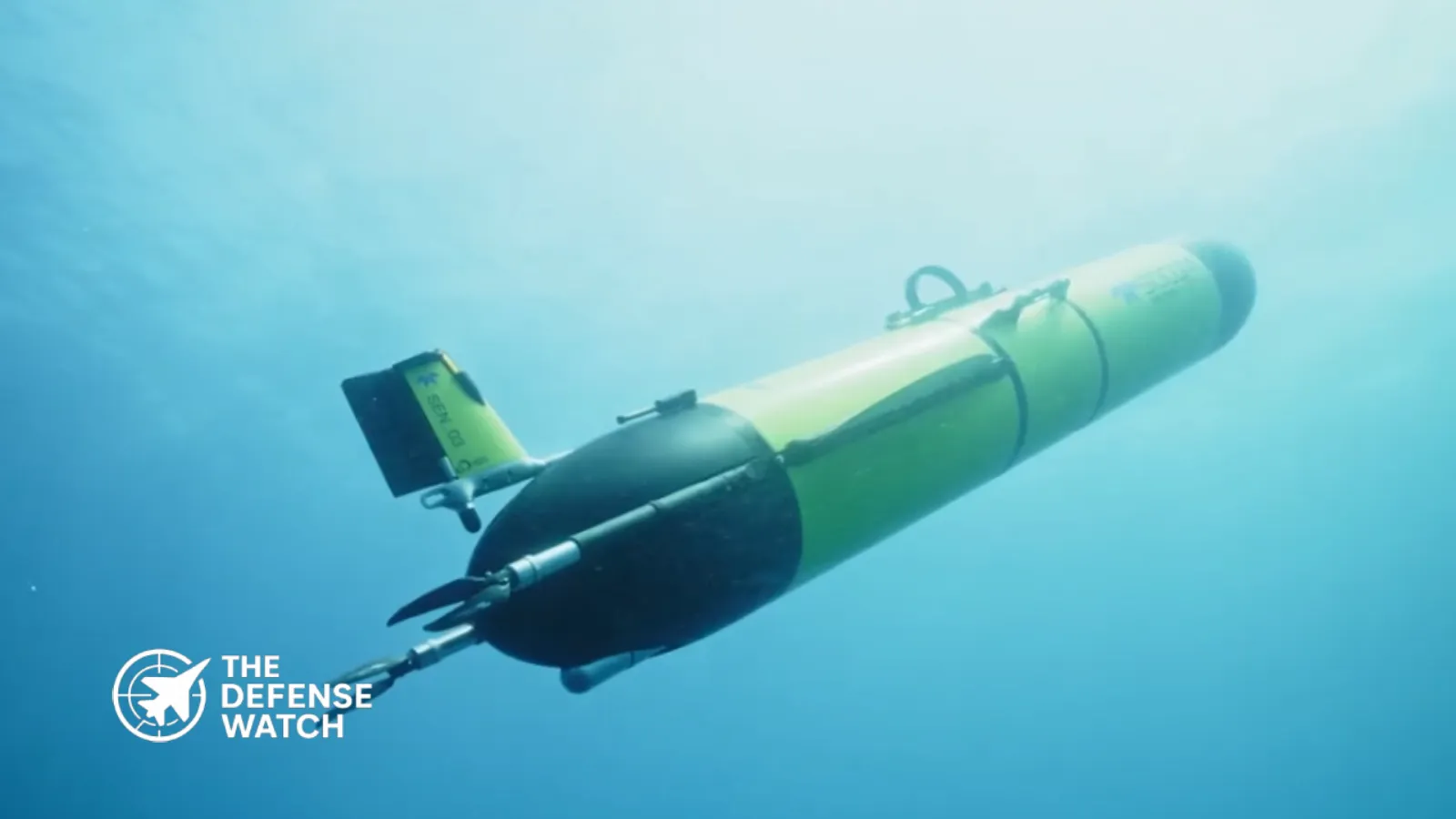
Traditional mine countermeasure missions have historically required specialized crewed vessels operating in hazardous environments. Modern autonomous systems instead allow unmanned surface vessels and remotely operated underwater vehicles to locate, classify, and neutralize mines while keeping sailors outside dangerous areas.
The Royal Navy has already begun replacing portions of its legacy mine countermeasure fleet with autonomous systems through programs developed alongside industry partners. The Swindon center will help coordinate future development and operational integration of these capabilities.
This shift reflects a broader trend among NATO navies toward distributed, unmanned mine warfare operations.
Faster Innovation Through Centralized Development
According to the Royal Navy, the new organization is designed to streamline how emerging technologies move from laboratory demonstrations into operational use.
Instead of multiple organizations independently evaluating similar technologies, the center provides a single structure responsible for:
- Capability assessment
- Technical evaluation
- Operational experimentation
- User feedback
- Training support
- Integration with fleet requirements
This centralized approach aims to reduce duplication while accelerating procurement decisions for rapidly evolving autonomous technologies.
Growing Role Of Autonomous Systems Across Naval Operations
Autonomous platforms are becoming increasingly important across modern naval missions beyond mine warfare.
Current and future applications include:
- Persistent maritime surveillance
- Intelligence gathering
- Harbor protection
- Anti-submarine support
- Logistics resupply
- Environmental monitoring
- Electronic warfare support
- Long-endurance reconnaissance
Many of these missions can be conducted by smaller, lower-cost autonomous systems that complement larger crewed warships instead of replacing them.
For naval commanders, this creates opportunities to distribute sensors across wider operating areas while preserving high-value combat ships for missions requiring greater firepower or endurance.
Why The New Centre Matters
The establishment of the Uncrewed Systems Centre reflects a broader change in how modern navies are approaching force development.
Rather than viewing drones as niche capabilities, leading naval powers increasingly treat autonomous systems as core elements of future fleet operations. The United States, United Kingdom, Australia, and several NATO allies are investing heavily in autonomous surface vessels, underwater vehicles, and unmanned aircraft designed to operate alongside traditional fleets.
Centralizing expertise allows the Royal Navy to respond more rapidly as autonomous technologies mature. Software-driven systems evolve far faster than conventional shipbuilding programs, making streamlined experimentation and operational feedback increasingly important.
The center also supports the UK’s ambition to maintain interoperability with NATO partners that are pursuing similar concepts for distributed maritime operations, autonomous mine countermeasures, and networked sensing.
Strategic Context
The opening of the Swindon facility aligns with broader defense modernization efforts across Europe.
Russia’s continued naval activity, increasing competition in the North Atlantic, and the growing importance of protecting critical undersea infrastructure have reinforced demand for persistent maritime surveillance and autonomous capabilities.
At the same time, autonomous systems offer practical advantages beyond high-intensity conflict. They can conduct routine patrols, monitor shipping lanes, inspect underwater infrastructure, and support humanitarian or disaster response missions while reducing operational costs.
For the United Kingdom, integrating these systems into regular naval operations strengthens resilience while expanding operational flexibility across multiple theaters.
Looking Ahead
The Royal Navy’s Uncrewed Systems Centre represents an organizational investment as much as a technological one. By bringing expertise for drones, autonomous surface vessels, and mine warfare under one command structure, the service aims to shorten development cycles and improve how emerging technologies transition into operational capability.
As autonomous maritime systems continue to mature, centralized organizations like the Swindon center are likely to play an increasingly important role in ensuring new technologies can be tested, validated, and fielded quickly while maintaining interoperability with allied naval forces.