
- Home
- Defense Systems
- Missiles & Precision Weapons
- GQM-163A Coyote
GQM-163A Coyote
Defense Systems Full Specifications
1. General Information
| Name / Designation | GQM-163A Coyote |
| Type / Role | Supersonic Aerial Target Missile |
| Country of Origin | United States |
| Manufacturer | Northrop Grumman |
| Service Entry / Year Introduced | 2005 |
| Operational Status | Active |
2. Performance & Range
| Range | Approximately 100 km |
| Speed | Mach 2.5+ |
| Ceiling / Altitude Limit | Low-altitude sea-skimming flight, variable mission profiles |
| Accuracy (CEP) | Not applicable (target missile) |
| Warhead Type | Instrumented Target Payload (No Combat Warhead) |
3. Guidance & Targeting
| Guidance System | GPS / INS |
| Targeting Mode | Pre-programmed Autonomous Flight |
| Launch Platform Compatibility | Ground Launcher |
| Seeker Type | Not Applicable |
4. Physical Characteristics
| Length | Approximately 5.5 m |
| Diameter | Approximately 0.35 m |
| Wingspan | Approximately 0.91 m |
| Launch Weight | Approximately 900 kg |
| Propulsion | Solid Rocket Booster and Ramjet Sustainer |
5. Warhead & Payload
| Warhead Weight | None (Target Payload) |
| Explosive Type | Not Applicable |
| Detonation Mechanism | Not Applicable |
| Payload Options | Telemetry, Flight Data Recording, Scoring Systems |
6. Operational Use & Capabilities
| Operational Range Type | Medium Range |
| Deployment Platform | Ground |
| Target Types | Simulated Anti-Ship Cruise Missile Threats |
| Combat Proven | No (Training and Testing System) |
| Users / Operators | United States Navy |
PROS
- Realistic simulation of supersonic anti-ship missile threats
- Capable of sea-skimming flight profiles
- Speeds exceeding Mach 2.5
- Supports advanced naval missile defense testing
- Highly reliable and proven training platform
CONS
- Not an operational combat missile
- High procurement and operating costs
- Limited production quantities
- Requires specialized launch infrastructure
- Primarily designed for naval testing environments
GQM-163A Coyote Supersonic Target Missile
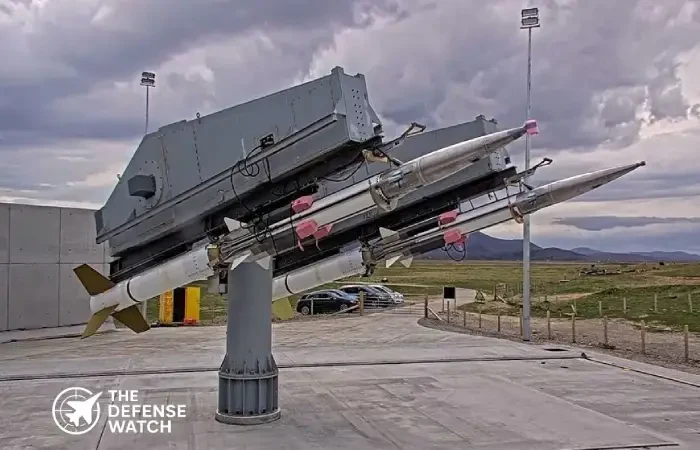
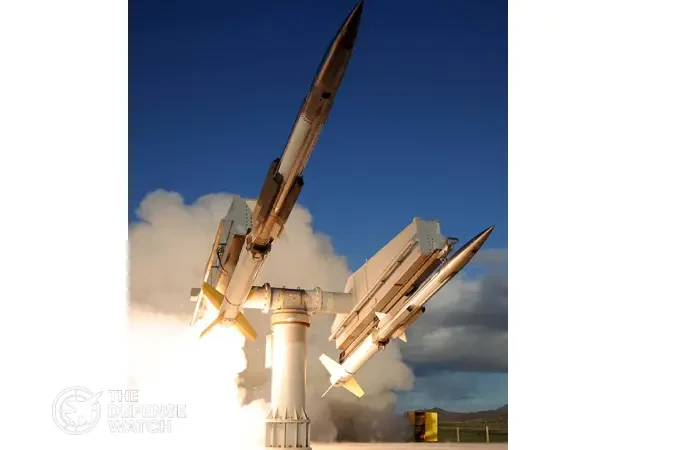
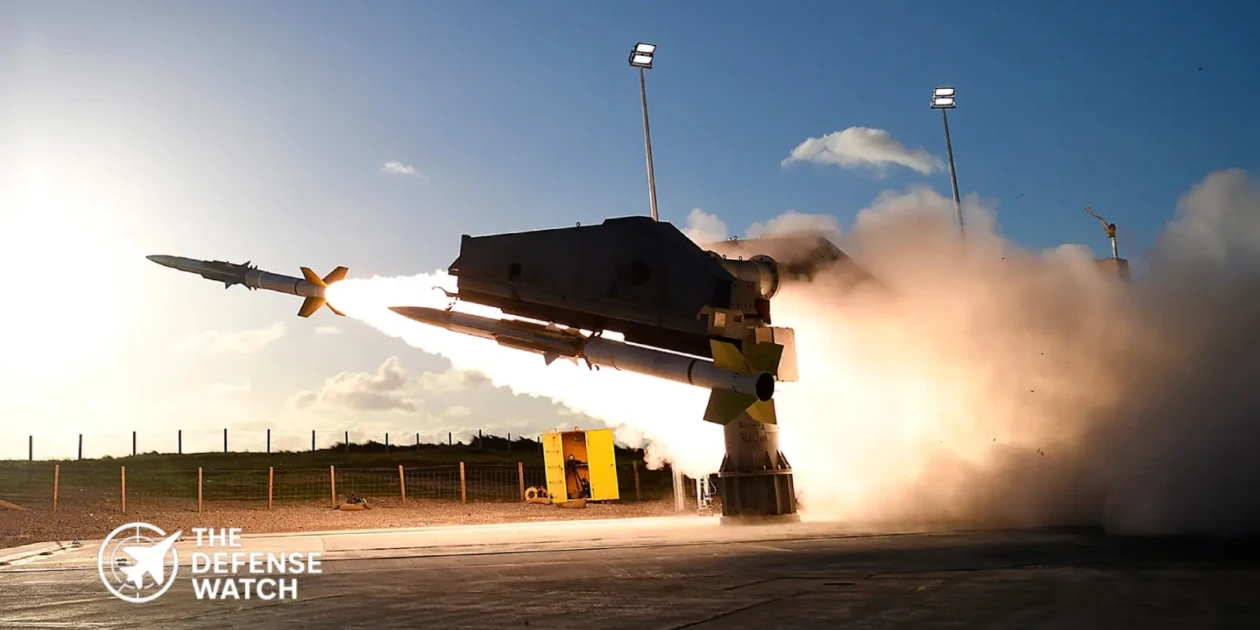
The GQM-163A Coyote is a high-speed aerial target missile developed to simulate modern anti-ship cruise missile threats for U.S. Navy training and weapons testing. Designed to replicate the flight characteristics of sea-skimming supersonic missiles, the GQM-163A enables naval forces to evaluate shipboard air defense systems under realistic combat conditions.
Unlike operational strike missiles, the Coyote serves as a target vehicle, helping validate radar performance, missile interceptors, and fleet readiness against advanced missile threats. Its ability to fly at very low altitudes over water while maintaining supersonic speeds makes it one of the most capable target systems in service today.
Manufacturer
The GQM-163A was developed and manufactured by Northrop Grumman in the United States. The program was created to replace older target systems and provide a more realistic representation of emerging anti-ship missile threats encountered by modern naval forces.
The missile entered operational service in the mid-2000s and continues to support U.S. Navy weapons testing, missile defense exercises, and fleet training operations.
Speed and Range
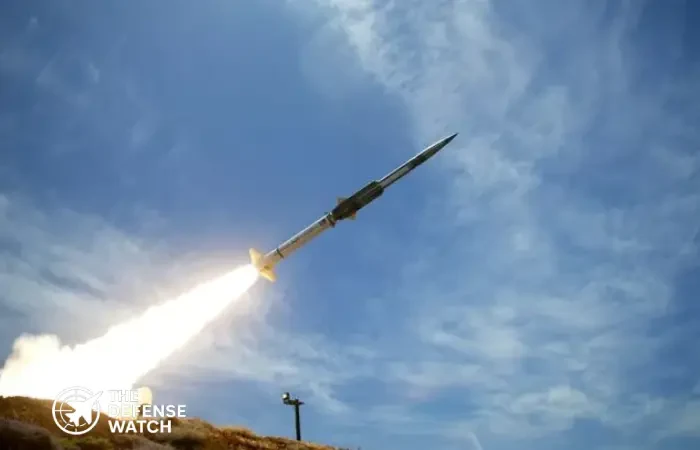
One of the defining features of the GQM-163A is its impressive speed. Powered by a solid-fuel booster and a sustainment ramjet engine, the missile can reach speeds exceeding Mach 2.5, while maintaining low-altitude sea-skimming flight profiles.
The target missile has an operational range of approximately 100 kilometers (62 miles), allowing it to conduct realistic threat simulations over extended distances. Its advanced flight control system can execute complex maneuvers and attack profiles that challenge modern naval air defense networks.
Cost / Price
Exact unit pricing varies depending on configuration, support equipment, and contract terms. Industry estimates place the cost of a single GQM-163A target missile at approximately $1 million to $2 million per unit, with additional expenses associated with launch support, telemetry systems, and mission operations.
The system remains a critical asset for U.S. Navy missile defense testing and readiness evaluation programs.
Disclaimer Note
The information provided on TheDefenseWatch.com is for general informational purposes only. While we strive to ensure the accuracy, completeness, and timeliness of our content regarding defense and aerospace products, technologies, and specifications, we cannot guarantee that all information is 100% accurate or up-to-date due to the evolving nature of military technology and classified data.TheDefenseWatch.com does not warrant the reliability, suitability, or availability of the information for any specific purpose. Users are advised to consult official sources, such as manufacturers, government publications, or defense agencies, for precise and verified data before making decisions based on our content.We are not affiliated with any defense manufacturers, governments, or military organizations mentioned. Opinions, reviews, and ratings reflect expert analysis but are subjective and should not be considered endorsements. TheDefenseWatch.com is not responsible for any errors, omissions, or consequences arising from the use of this website’s content.External links are provided for convenience and do not imply endorsement. TheDefenseWatch.com reserves the right to update or modify content without prior notice. By using this website, you agree to our Privacy & Cookies Policy.

New Arrivals


Popular Comparisons
-
 J-10C vs JF-17 Thunder: Which Fighter Is More Capable?
View Comparison →
J-10C vs JF-17 Thunder: Which Fighter Is More Capable?
View Comparison → -
Tejas vs Gripen: Key Differences and Capabilities
View Comparison →
-
Tejas vs MiG-21 Bison: How India Replaced Its Iconic Supersonic Fighter
View Comparison →
-
F-35 vs F-16: Stealth, Sensors and Combat Roles
View Comparison →
-
Tejas Fighter Jet vs F-16 Fighting Falcon: Capability Compared
View Comparison →
-
Rafale Fighter Jet vs F-16 Fighting Falcon : Which Fighter Has the Edge?
View Comparison →
-
Su-57 Fighter Jet vs J-20 Fighter Jet: Stealth and Air Combat Compared
View Comparison →
-
Mirage 2000 vs Tejas Mk1A: Legacy Combat Power vs Indigenous Modernization
View Comparison →
-
Rafale Fighter Jet vs F-22 Raptor: Which Air Dominance Fighter Has the Edge?
View Comparison →
-
Tejas Fighter Jet vs. Rafale Fighter Jet: India’s Indigenous Fighter Meets France’s Proven Multirole Combat Aircraft
View Comparison →


- P-800 Oniks Missile: Range, Speed and BrahMos Comparison

- Ukrainian Drone Unit Caused 70% of Simulated U.S. Brigade Casualties in Germany Exercise
- OCCAR Marks 25 Years of European Defense Cooperation With 28 Programs
- Saab Q3 2026 Results Show 30.6% Organic Sales Growth as Orders Surge
- How Much Does a Tomahawk Missile Cost? Price, Range and Blocks
- Faster Than Sound, Unstoppable at Sea: Inside China’s YJ-20 and YJ-17 Hypersonic Missiles
- U.S., Australia and UK Test Maritime Autonomy Under AUKUS
- TAI Anka-3: Turkey’s Stealth Flying-Wing Drone and Specifications
- Lockheed Martin’s Third-Quarter Innovations Span Missile Defense, Aviation and Space
- RTX Plans to Increase Missile Production Up to Fourfold Under Pentagon Contracts



Fighter Jets
-
 SU-57 Felon Stealth Fighter
-
Boeing F/A-XX Fighter
-
JF-17 Thunder Fighter Jet
-
F-47 Fighter Jet
-
MIG-31 Fighter Jet
-
J-10CE Fighter Jet
-
Chengdu J-10 Fighter Jet
-
Chengdu J-10C Fighter Jet
-
Gripen E Fighter Jet
-
Tejas Mk1A Fighter Jet
-
Tejas Mk‑2 Fighter Jet
-
F-16V Viper Block 70 Fighter Jet
-
F-15EX Eagle II Fighter
-
F-15E Strike Eagle Fighter
-
F/A-18E/F Super Hornet Fighter Jet
-
Saab Gripen F Fighter Jet
-
JAS 39E/F Gripen Fighter Jet
-
JAS 39 Gripen Fighter Jet
-
F-35A Lightning II Fighter Jet
-
F/A-18F Super Hornet
-
J-50 Fighter Jet
-
Spanish EF-18 Hornet Fighter
-
F-35i Adir Fighter Jet
-
F-16 Fighting Falcon






Recent Compares
-
J-10C vs JF-17 Thunder: Which Fighter Is More Capable?
View Comparison →
-
Tejas vs Gripen: Key Differences and Capabilities
View Comparison →
-
Tejas vs MiG-21 Bison: How India Replaced Its Iconic Supersonic Fighter
View Comparison →
-
F-35 vs F-16: Stealth, Sensors and Combat Roles
View Comparison →
-
Tejas Fighter Jet vs F-16 Fighting Falcon: Capability Compared
View Comparison →
Latest Defense Systems
10 Compares Defense Systems
-
J-10C vs JF-17 Thunder: Which Fighter Is More Capable?
View Comparison →
-
Tejas vs Gripen: Key Differences and Capabilities
View Comparison →
-
Tejas vs MiG-21 Bison: How India Replaced Its Iconic Supersonic Fighter
View Comparison →
-
F-35 vs F-16: Stealth, Sensors and Combat Roles
View Comparison →
-
Tejas Fighter Jet vs F-16 Fighting Falcon: Capability Compared
View Comparison →
-
Rafale Fighter Jet vs F-16 Fighting Falcon : Which Fighter Has the Edge?
View Comparison →
-
Su-57 Fighter Jet vs J-20 Fighter Jet: Stealth and Air Combat Compared
View Comparison →
-
Mirage 2000 vs Tejas Mk1A: Legacy Combat Power vs Indigenous Modernization
View Comparison →
-
Rafale Fighter Jet vs F-22 Raptor: Which Air Dominance Fighter Has the Edge?
View Comparison →
-
Tejas Fighter Jet vs. Rafale Fighter Jet: India’s Indigenous Fighter Meets France’s Proven Multirole Combat Aircraft
View Comparison →
- P-800 Oniks Missile: Range, Speed and BrahMos Comparison
- Ukrainian Drone Unit Caused 70% of Simulated U.S. Brigade Casualties in Germany Exercise
- OCCAR Marks 25 Years of European Defense Cooperation With 28 Programs
- Saab Q3 2026 Results Show 30.6% Organic Sales Growth as Orders Surge
- How Much Does a Tomahawk Missile Cost? Price, Range and Blocks