Executive Summary:
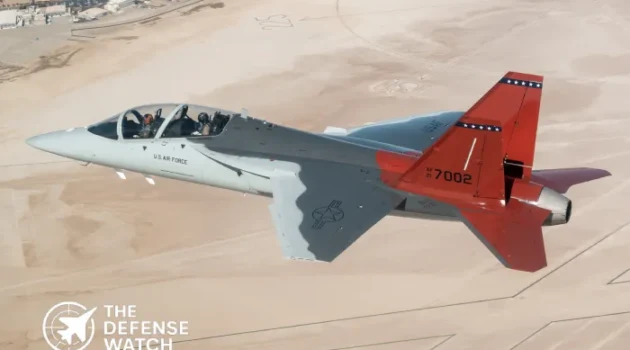
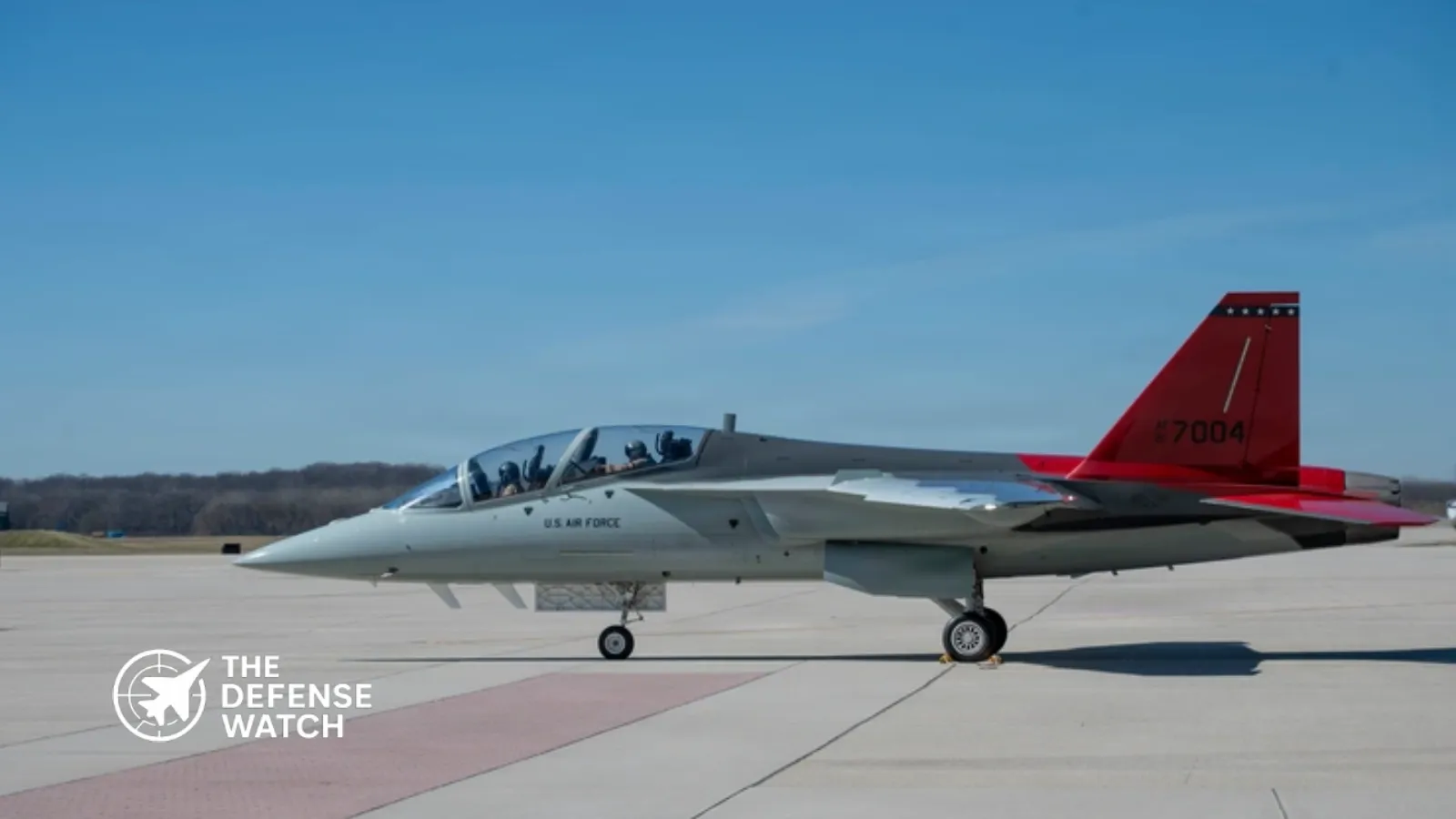
The U.S. Air Force has pushed the full-rate production decision for the Boeing T-7A Red Hawk advanced jet trainer to January 2029, a two-year delay from prior projections, according to the Government Accountability Office (GAO). Developmental testing has been slowed by aircraft availability issues stemming from maintenance personnel shortages, spare parts constraints, and software finalization delays. The service approved low-rate initial production (LRIP) in April 2026 for an initial batch of 14 aircraft while continuing testing, as it seeks to replace its aging T-38 Talon fleet to better prepare pilots for fifth-generation fighters.
Developmental Testing Delays Prompt Schedule Replan
The primary news hook centers on the USAF’s T-7A program encountering persistent sustainment hurdles with its test aircraft. A July 2026 GAO Weapon Systems Annual Assessment detailed significant delays in completing developmental testing, directly impacting the timeline for full-rate production.
The GAO noted that the program is experiencing less-than-anticipated aircraft availability due to a lack of spare parts and maintainers, alongside delays in finalizing onboard software. As a result, major developmental testing milestones are now expected to wrap by April 2028, with lower-priority items extending to May 2029.
The USAF made its Milestone C low-rate production decision in April 2026 based on limited test information, a move the GAO flagged for introducing high levels of concurrency between testing and production.
Program Background and Strategic Imperative
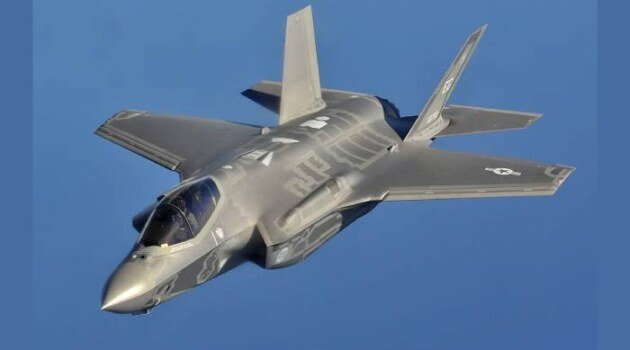
Boeing, in partnership with Saab, won the T-X competition in 2018 to deliver a modern advanced trainer. The T-7A Red Hawk features digital engineering advancements, a General Electric F404 engine, and capabilities designed to bridge the gap between legacy trainers and frontline fighters like the F-35A.
The USAF plans to acquire 351 T-7As plus associated ground-based training systems to replace approximately 476 T-38C Talons, many of which are over 60 years old. The T-38 fleet struggles to replicate the sensor fusion, data-sharing, and high-performance handling required for modern combat aircraft.
Key Program Specifications (Planned):
- Total Aircraft: 351
- Unit Cost Target: Approximately $28 million
- Initial LRIP Lot: 14 aircraft (FY2026 funding)
- Follow-on: 23 in FY2027, ramping to ~60 annually by 2030
- Initial Operational Capability: Targeted for 2027-2028 timeframe
Technical and Sustainment Challenges
Sustainment issues with the initial test fleet of five T-7As have been central to the delays. Shortages of maintenance personnel and spare parts have reduced daily aircraft availability below expectations. Additional engineering analysis and software maturation have further extended timelines.
The GAO highlighted risks associated with concurrency, a common pitfall in defense programs where production begins before testing concludes, often leading to costly retrofits. The T-7A program has already seen an 11% increase in total acquisition costs over the past year.
Other reported concerns include incomplete qualification of the escape system at the time of LRIP approval and broader data rights and technical documentation issues affecting long-term sustainment.
Operational Implications for U.S. Air Force Pilot Training
The T-7A delay occurs against a backdrop of urgent need. The T-38’s limitations hinder effective training for pilots destined for advanced fighters and bombers. In June 2026, the Air Education and Training Command (AETC) qualified its first class of T-7A instructor pilots, marking incremental progress despite the broader schedule slip.
Why This Matters: Delays in fielding the T-7A risk extending reliance on the T-38, potentially affecting pilot throughput and readiness. However, the phased LRIP approach—requiring separate approvals for early lots—allows the USAF to incorporate testing insights and mitigate risks before committing to higher production rates. This balances the imperative to modernize training with prudent acquisition oversight.
Original analysis: The T-7A’s challenges underscore broader systemic issues in U.S. defense procurement, including supply chain vulnerabilities, workforce shortages in maintenance specialties, and the difficulties of fixed-price development contracts. Boeing has absorbed significant losses (reportedly over $1.8 billion) on the program, highlighting the financial pressures on industry partners. For U.S. strategy, accelerating a capable trainer remains critical to maintaining qualitative edges in airpower amid peer competition, particularly with China’s advancing aviation capabilities.
International Interest and Program Outlook
Despite U.S. delays, international interest persists. BAE Systems has expressed confidence in offering a T-7 derivative to the UK Royal Air Force. Boeing has withdrawn from the U.S. Navy’s Undergraduate Jet Training System competition.
The USAF continues active management of the program in collaboration with Boeing to address issues iteratively. Production of the first LRIP aircraft is underway, with deliveries expected to begin in 2027.
- Analysis: The concurrency risks noted by GAO are not unique to the T-7A but reflect a pattern in recent major programs. Successful mitigation could validate a more agile acquisition model; failure risks amplifying costs and delaying pilot readiness at a time when great-power competition demands rapid modernization.