Executive Summary:
Poland intercepted a Russian IL-20M electronic intelligence aircraft operating near NATO-controlled Baltic airspace, prompting a rapid response from the Polish Air Force.
The incident highlights growing surveillance activity around NATO’s eastern flank and increasing pressure on regional air defense operations.
Poland Intercepts Russian IL-20M Spy Aircraft Near NATO Airspace
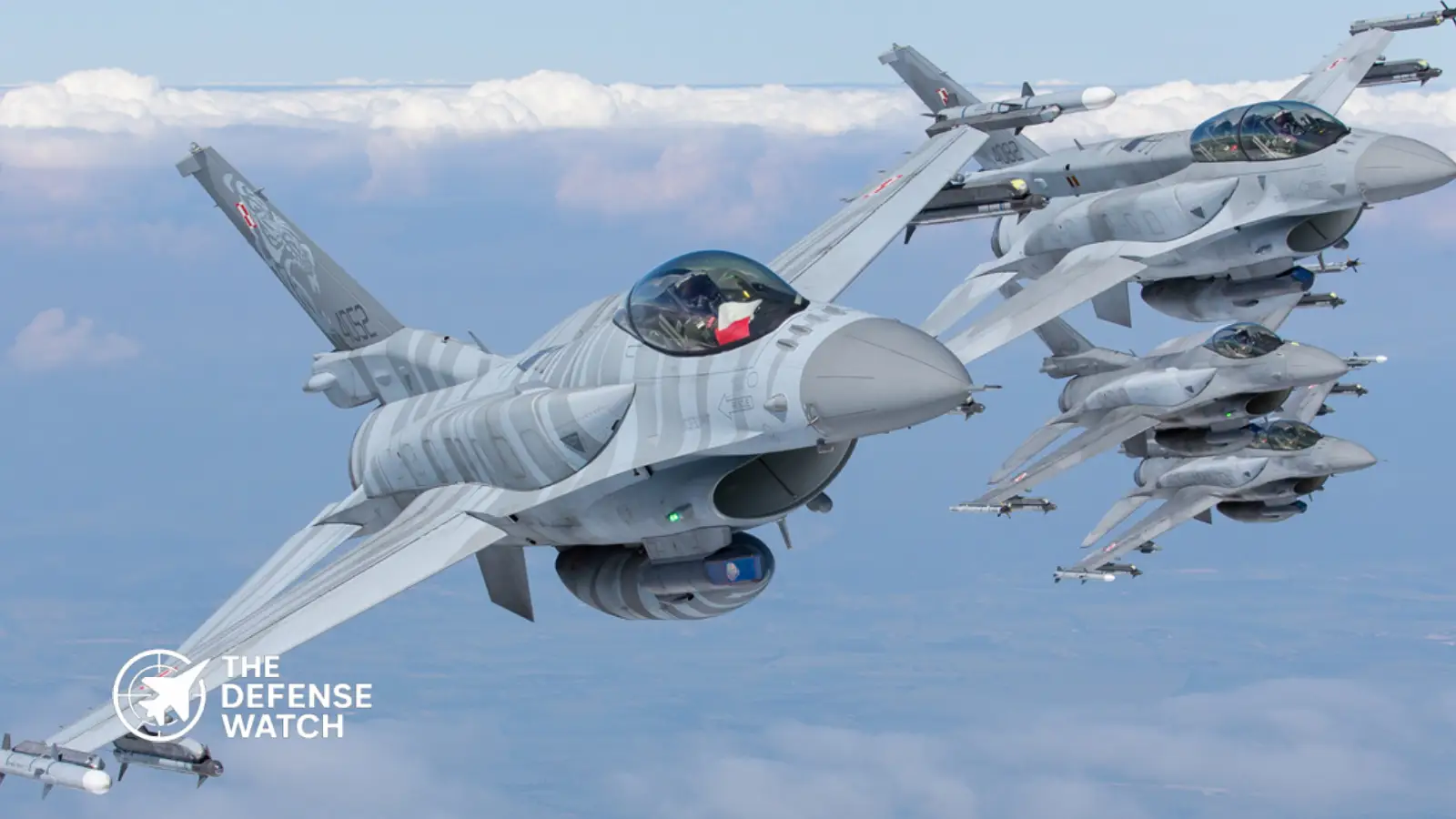
Poland intercepted a Russian IL-20M electronic intelligence aircraft near NATO Baltic airspace in the latest sign of mounting military friction along the alliance’s eastern frontier. Polish fighter aircraft were scrambled after the Russian surveillance platform approached sensitive airspace zones over the Baltic region.
The interception reflects continued NATO concerns over Russian aerial reconnaissance missions near allied territory, particularly around the Baltic Sea, where military activity has intensified since the start of the war in Ukraine.
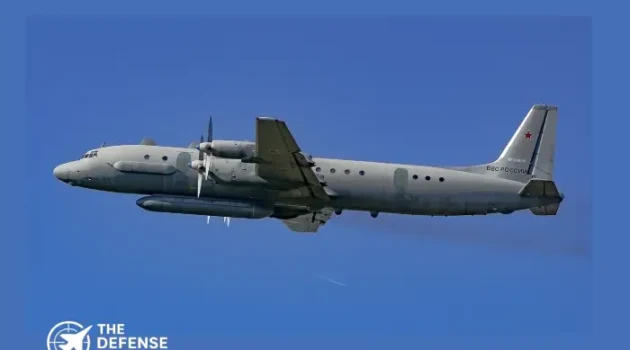
The Russian aircraft involved was identified as the Ilyushin Il-20M, a specialized electronic intelligence and signals collection platform derived from the Soviet-era Il-18 airliner. The aircraft is designed to gather communications intelligence, radar emissions, and electronic signatures during reconnaissance operations.
Polish Air Force Responds To Baltic Surveillance Activity
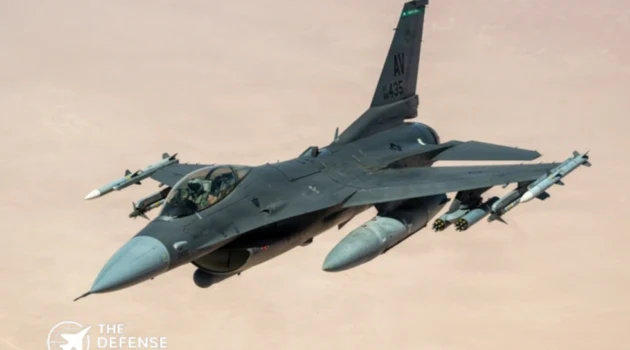
Polish defense authorities reportedly ordered fighter aircraft to visually identify and monitor the Russian platform as it operated near NATO-controlled airspace corridors. While the aircraft did not reportedly violate sovereign Polish airspace, the proximity of the mission triggered standard NATO interception procedures.
The interception underscores how NATO member states continue to maintain elevated quick reaction alert operations across Eastern Europe. Poland has become one of the alliance’s most active frontline states due to its geographic position bordering both Belarus and the Russian exclave of Kaliningrad.
The Polish Air Force regularly conducts air policing missions alongside NATO partners, including the United States and other allied air forces operating in the Baltic theater.
What The Russian IL-20M Is Designed To Do
The Ilyushin Il-20M plays a central role in Russia’s airborne intelligence gathering network. Equipped with side-looking airborne radar, electronic surveillance sensors, and signals interception systems, the aircraft is primarily used for monitoring military communications and radar activity.
Unlike conventional bomber or fighter aircraft, the IL-20M operates as a strategic intelligence collection platform. Its missions often focus on mapping air defense networks, collecting electromagnetic signatures, and monitoring military exercises.
Western defense analysts have repeatedly noted increased Russian ISR, intelligence, surveillance, and reconnaissance, flights near NATO borders over the past several years. These flights allow Moscow to monitor alliance deployments, naval movements, and regional air defense readiness.
The Baltic Sea region remains particularly sensitive because it connects several NATO member states while also bordering heavily militarized Russian territory.
NATO Airspace Pressure Continues To Increase
The latest Poland intercepts Russian aircraft incident comes amid broader concerns about military escalation and persistent aerial probing near NATO borders. Russian military aviation activity has remained elevated across the Baltic and Black Sea regions despite ongoing international sanctions and diplomatic pressure.
NATO has responded by expanding rotational deployments, increasing radar coverage, and strengthening integrated air and missile defense networks across Eastern Europe.
Poland, in particular, has accelerated major defense modernization programs involving advanced fighter aircraft, missile defense systems, and airborne surveillance capabilities. Warsaw has emerged as one of NATO’s fastest-growing military powers, driven largely by security concerns linked to Russia’s regional posture.
The repeated appearance of Russian reconnaissance aircraft near allied territory also places sustained operational demands on NATO quick reaction alert forces. Interception missions require continuous readiness, coordination between allied command structures, and rapid deployment capability.
Electronic Warfare And Intelligence Competition Intensify
The interception also highlights the growing importance of electronic warfare and intelligence operations in modern military competition. Aircraft such as the Ilyushin Il-20M are increasingly used to collect battlefield-relevant data without directly entering hostile airspace.
This type of intelligence gathering allows military planners to assess radar coverage, communication networks, and air defense response times. NATO air policing missions are therefore not only about territorial defense but also about protecting sensitive operational signatures from foreign surveillance.
Military analysts increasingly view the Baltic region as one of Europe’s most electronically contested environments, where both NATO and Russian forces conduct persistent monitoring activities.
Strategic Implications For NATO’s Eastern Flank
Poland’s interception operation demonstrates the alliance’s continued emphasis on deterrence and rapid response along NATO’s eastern flank. The Baltic region remains strategically critical because it links Northern and Central European defense corridors while sitting adjacent to Russian military infrastructure.
Although such intercepts are not uncommon, their frequency illustrates the sustained level of military tension between NATO and Russia. Surveillance missions, air policing operations, and intelligence flights have become routine components of the broader security competition unfolding across Europe.
For NATO members, maintaining constant readiness against reconnaissance and electronic intelligence missions remains a key operational priority.