A fresh military exchange between Washington and Tehran has increased tensions around one of the world’s most critical maritime chokepoints, raising concerns over regional security and global energy flows.
Executive Summary:
U.S. forces struck Iranian coastal radar and surveillance sites after intercepting four Iranian drones approaching the Strait of Hormuz. The incident marks another escalation in the ongoing U.S.-Iran conflict and highlights the growing importance of maritime security in one of the world’s most strategically significant waterways.
US Strikes Iranian Radar Sites After Drone Threat Near Strait Of Hormuz
The United States struck Iranian coastal radar installations on June 6 after American forces intercepted four Iranian attack drones that were launched toward the Strait of Hormuz, according to U.S. Central Command. The latest exchange adds to mounting tensions between Washington and Tehran and further complicates efforts to negotiate an end to the three-month conflict between the two countries.
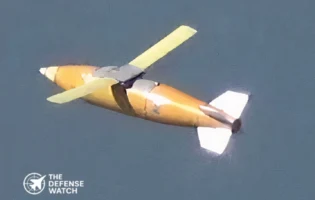
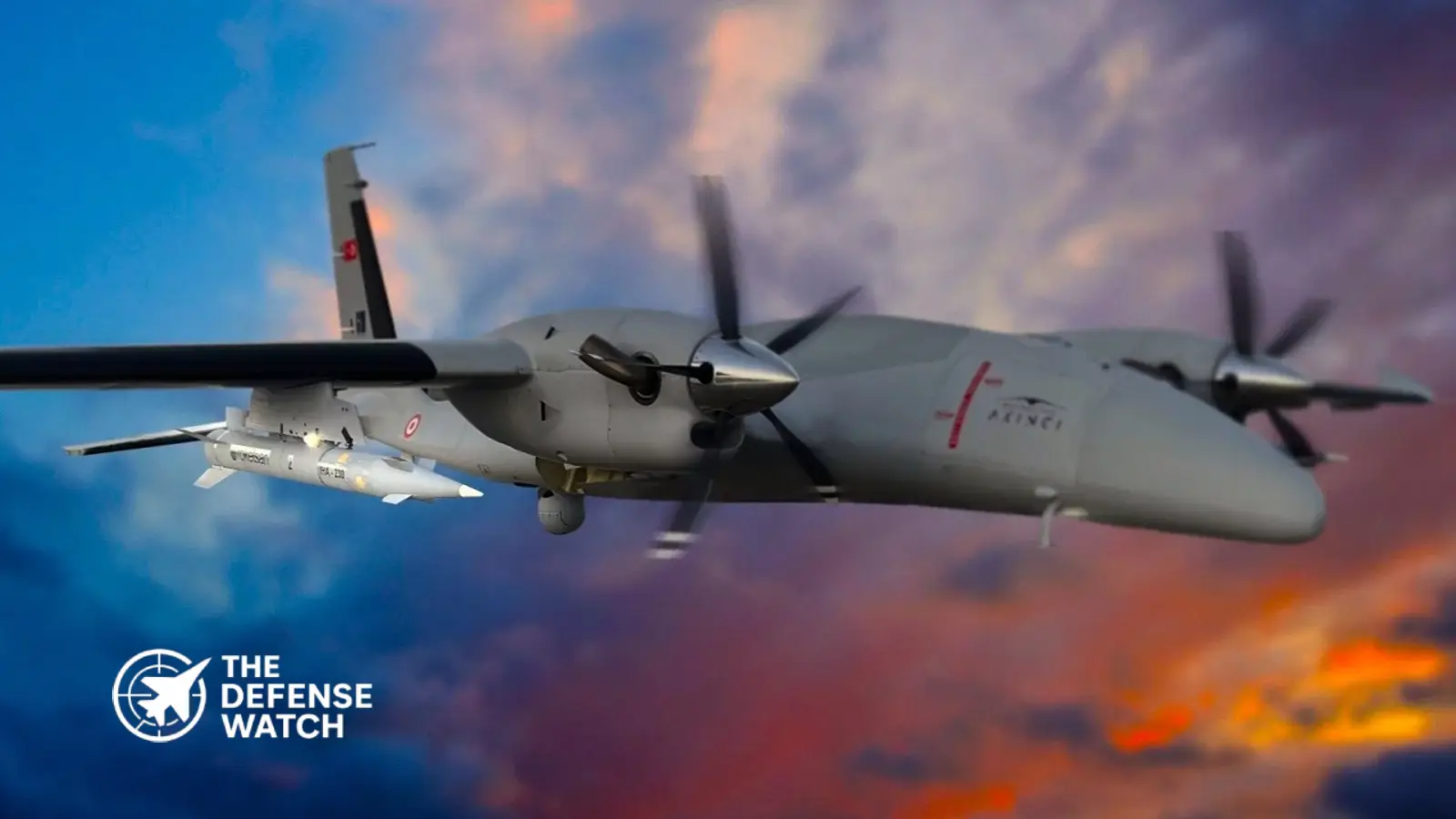
According to U.S. military officials, the drones posed an immediate threat to maritime traffic operating near the strategically vital waterway. All four drones were successfully intercepted before reaching their intended area of operation. Following the interceptions, U.S. forces conducted what officials described as defensive strikes against Iranian coastal surveillance radar facilities located at Goruk and on Qeshm Island. Both locations sit along the Strait of Hormuz and play a role in monitoring maritime activity.
Why The Strait Of Hormuz Matters
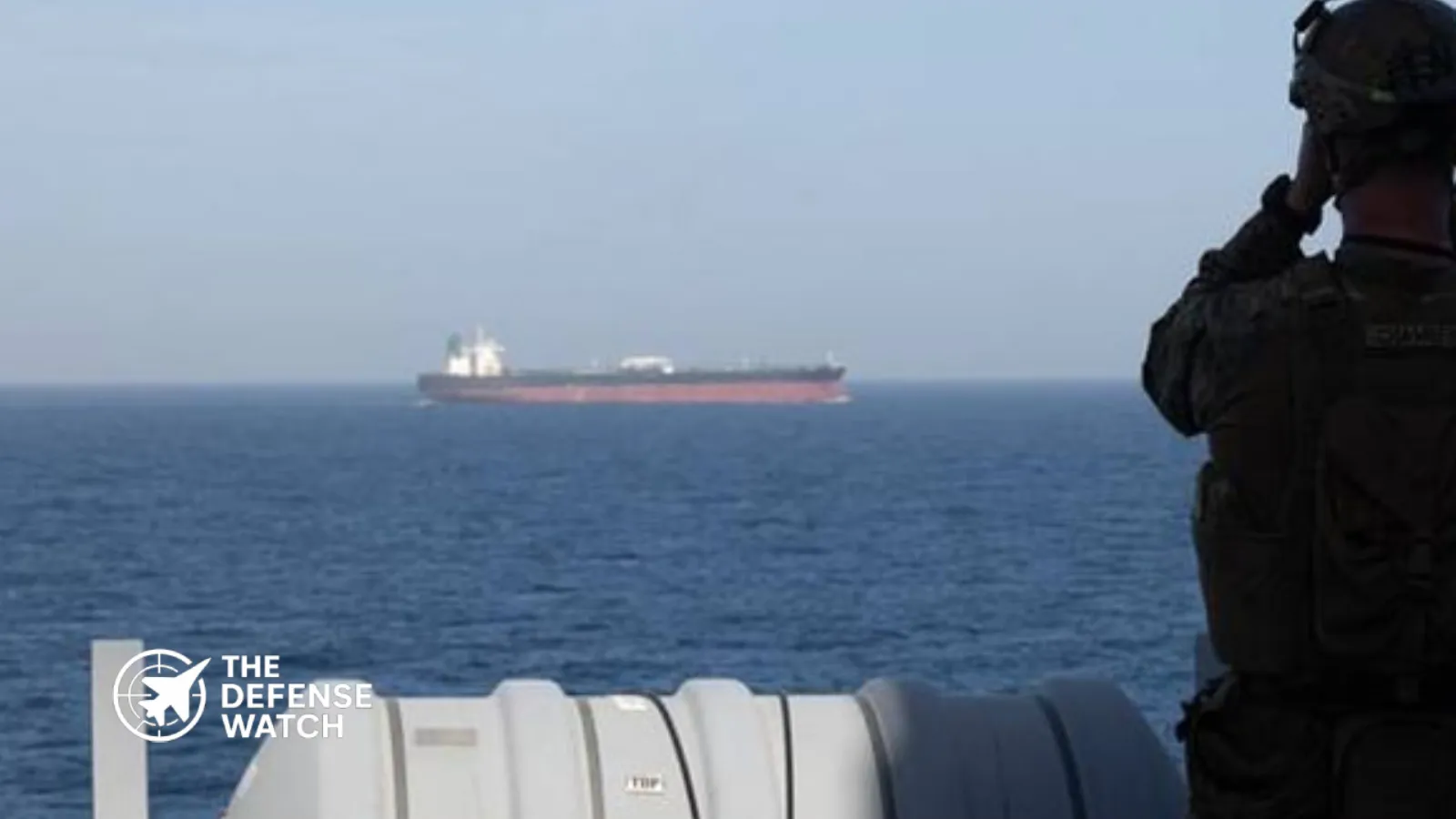
The Strait of Hormuz remains one of the most important maritime chokepoints in the world. Prior to the current conflict, roughly one-fifth of global oil shipments transited through the narrow passage connecting the Persian Gulf to international markets. Any disruption to navigation in the area has immediate implications for global energy markets, commercial shipping, and military operations.
American officials said they assessed the Iranian drones as a direct threat to regional maritime traffic. That assessment appears to have driven the decision to neutralize the radar infrastructure believed to support future drone or missile operations targeting shipping lanes.
From a military perspective, coastal surveillance radars are a critical component of Iran’s anti-access and area-denial network. These systems provide targeting information for drones, missiles, and naval units operating along the Gulf coastline. By targeting radar facilities instead of broader military infrastructure, Washington appears to have pursued a limited and focused response designed to reduce immediate threats without significantly expanding the conflict.
Iranian Response Raises Regional Security Concerns
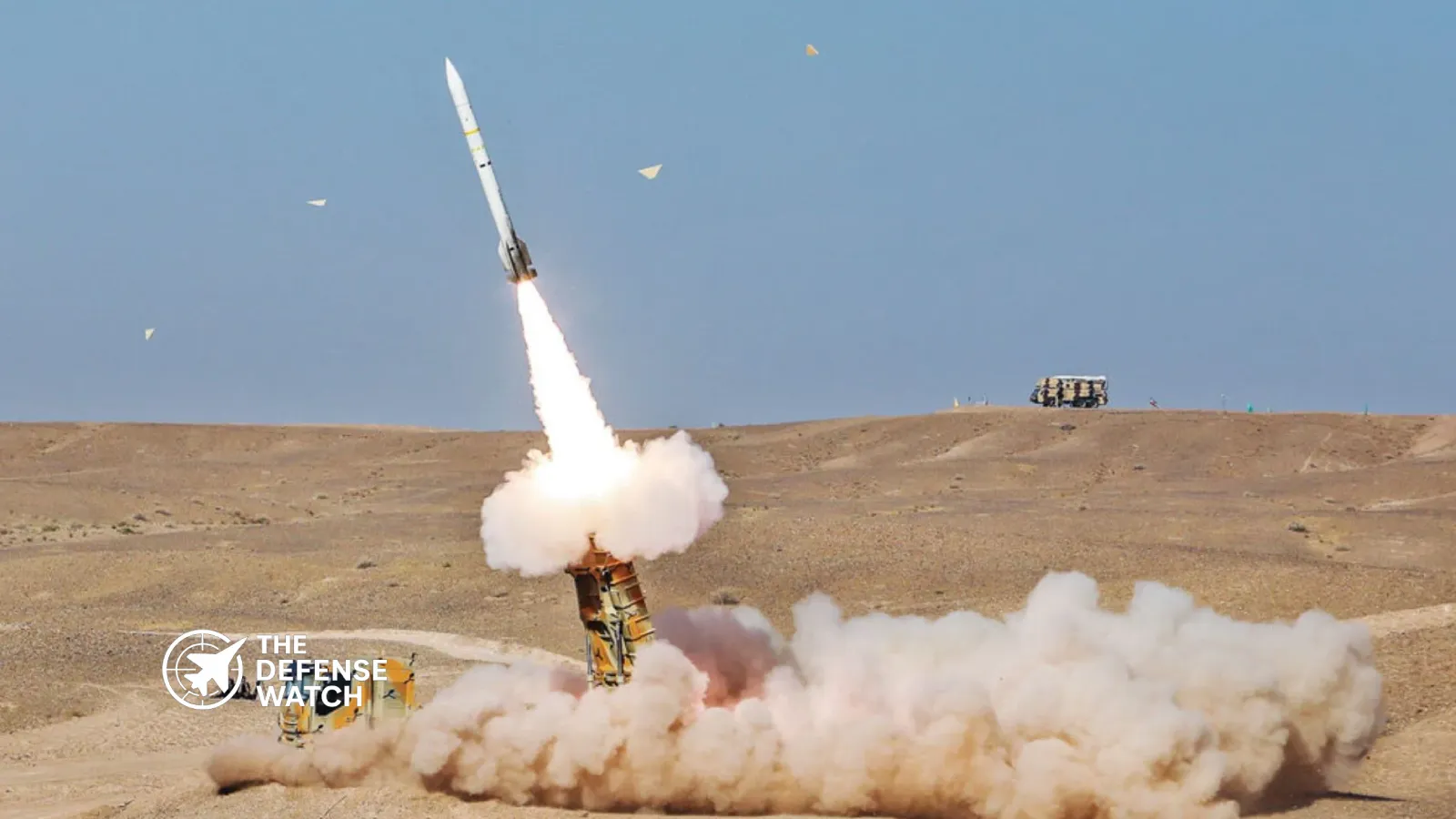
Iran’s Islamic Revolutionary Guard Corps said it responded by launching missiles toward U.S. positions and regional partners in the Gulf. U.S. Central Command reported that seven ballistic missiles were fired toward Kuwait and Bahrain, both of which host significant American military facilities. Initial assessments indicated that six missiles were intercepted, while a seventh failed to reach its intended target.
Iranian media also claimed attacks against U.S. military facilities in Bahrain and Kuwait. U.S. officials, however, reported no significant damage and stated that there were no immediate reports of casualties among American personnel.
The exchange demonstrates how quickly localized incidents in the Gulf can expand into broader regional confrontations. Even limited military actions near the Strait of Hormuz carry the risk of affecting multiple countries because of the concentration of military bases, energy infrastructure, and commercial shipping routes throughout the region.
Impact On Ongoing Diplomacy
The military confrontation comes as Washington and Tehran continue indirect negotiations aimed at securing an interim agreement to halt hostilities. Discussions reportedly include sanctions relief, access to Iranian oil revenues, maritime access, and future negotiations concerning Iran’s nuclear program. However, repeated military incidents have slowed progress toward a durable agreement.
The latest exchange highlights a recurring challenge in conflict management. Diplomatic talks can continue in parallel with military operations, but every new strike increases political pressure on both governments and reduces room for compromise.
For the United States, protecting freedom of navigation remains a central objective. For Iran, maintaining leverage over the Strait of Hormuz remains one of its strongest strategic tools. Those competing priorities continue to shape military decision-making on both sides.
Analysis: A Maritime Security Focus Rather Than A Broad Offensive
The U.S. strikes on Iranian radar sites appear designed to achieve a narrowly defined operational objective. Rather than targeting major military headquarters, air bases, or strategic infrastructure, American forces focused on surveillance assets directly connected to maritime domain awareness.
This approach suggests Washington is prioritizing protection of shipping lanes and regional deterrence while avoiding actions that could trigger a larger conventional conflict.
The choice of targets is also significant from a military modernization perspective. Modern naval operations increasingly depend on sensor networks, surveillance systems, and real-time targeting data. Disabling radar coverage can reduce an adversary’s ability to coordinate drone attacks, missile strikes, and maritime interdiction operations without requiring broader kinetic action.
Whether this measured approach succeeds will depend largely on Iran’s next move. Continued attacks against maritime traffic or regional military facilities could trigger additional retaliatory actions and further destabilize the Gulf security environment.
Strategic Outlook
The latest U.S.-Iran exchange underscores the enduring importance of the Strait of Hormuz as both an economic and military flashpoint. As negotiations continue, the risk of further incidents remains elevated.
For defense planners, the episode highlights the growing role of drones, surveillance networks, missile defense systems, and maritime security operations in shaping modern regional conflicts. It also demonstrates how tactical engagements can rapidly influence broader geopolitical calculations across the Middle East.