Executive Summary:
On July 13, 2026, the Council of the European Union adopted a €120 million assistance measure under the European Peace Facility to support Moldova’s Armed Forces with a mid-range air defense system. This package complements prior EPF aid focused on air surveillance and short-range defenses, raising total EU support to Moldova under the facility to €317 million. The move addresses Moldova’s vulnerabilities to aerial incursions in a volatile regional security environment.
EU Funding Targets Moldova Air Defense Modernization
The Council of the European Union’s decision directly finances procurement of a mid-range air defense system for Moldova’s military. It builds on previous measures that enhanced air surveillance radars and short-range launchers.
This latest allocation marks Moldova’s largest single EPF package to date and underscores the EU’s commitment to strengthening the security of its eastern partners.
Context of Moldova’s Air Defense Needs
Moldova maintains a modest military force with legacy Soviet-era systems, including S-125 (SA-3 Goa) surface-to-air missiles. Its air force is minimal, relying heavily on ground-based defenses and partnerships for airspace monitoring.
Recent incidents, such as a Russian Geran-2 (Shahed-type) drone entering Moldovan airspace during strikes on Ukraine, highlight the practical risks of inadequate coverage. A newly operational Thales Ground Master 200 radar provides improved surveillance, but interception capabilities require expansion.
Details of the €120 Million Assistance Measure
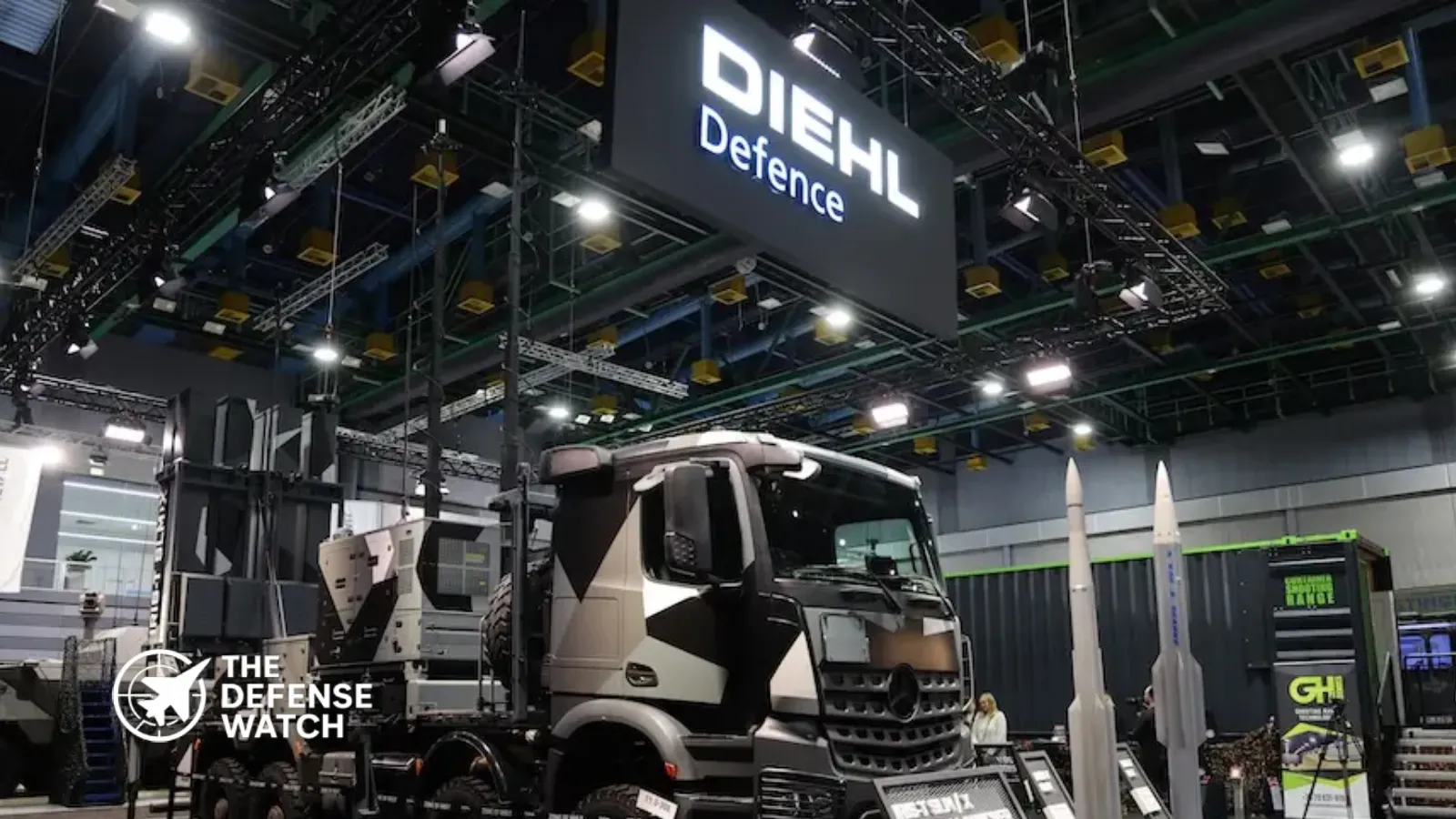
The funding will procure a mid-range system capable of engaging aircraft, cruise missiles, and unmanned aerial vehicles at extended distances. While the specific platform remains undisclosed in official statements, it aligns with European systems like NASAMS, IRIS-T SLM, or similar mobile solutions already in use or procured by NATO members.
Previous EPF Support to Moldova (Key Packages):
- Short-range air defense launchers and missiles (€20 million, 2025)
- Infantry mobility vehicles and air defense C2 integration (€40 million, 2025)
- Cumulative total now at €317 million
This layered approach—surveillance, short-range, and now mid-range—aims to create a more coherent integrated air defense posture.
Geopolitical Implications for Eastern Europe
Moldova, officially neutral, faces persistent challenges from the unresolved Transnistria situation and proximity to the Russia-Ukraine conflict. Russian forces and influence in the breakaway region complicate Chisinau’s security calculus.
The EU’s assistance enhances Moldova’s ability to protect its airspace and civilian population without altering its neutral status. It also supports broader EU efforts to build resilience among partner states on its eastern flank.
Analysis: Strategic and Operational Considerations
For U.S. defense observers, this development fits into wider NATO and EU efforts to counter hybrid and conventional aerial threats. Moldova’s upgrades contribute to regional stability, indirectly easing pressure on NATO’s eastern flank by reducing potential spillover risks.
Technical and Operational Hurdles:
Mid-range systems demand robust command-and-control integration, trained operators, and sustained maintenance. Moldova will likely require ongoing EU or bilateral training support to achieve full operational effectiveness. Integration with existing radars, such as the GM200, will be critical for creating a unified picture of the battlespace.
From a U.S. perspective, European-led initiatives like the EPF allow Washington to focus resources on higher-priority theaters while allies address neighborhood security. This aligns with burden-sharing goals within the transatlantic alliance. However, effectiveness will depend on timely delivery, system interoperability with potential NATO standards, and Moldova’s ability to absorb the technology.
The package also signals growing European willingness to use the EPF proactively for non-EU partners, a trend worth monitoring as global defense demands evolve.
Broader Impact on European Security Architecture
The EPF, established in 2021, has become a key instrument for EU military assistance, with significant allocations to Ukraine and now substantial cumulative support for Moldova. This reflects a strategic shift toward proactive defense capacity-building in Europe’s near abroad.
As threats from drones and missiles proliferate, investments in layered air defense represent a practical response. For Moldova, the new capabilities promise improved deterrence and crisis management options.