(adsbygoogle = window.adsbygoogle || []).push({});Executive Summary:
North Korea has announced plans to construct a new 10,000-ton destroyer and develop advanced underwater weapon systems, marking its most ambitious naval modernization signal to date. The announcement came days before Chinese President Xi Jinping’s planned visit to Pyongyang, underscoring the strategic significance of the development amid evolving regional security dynamics.
North Korea Unveils 10,000-Ton Destroyer Ambition Ahead of Xi Visit
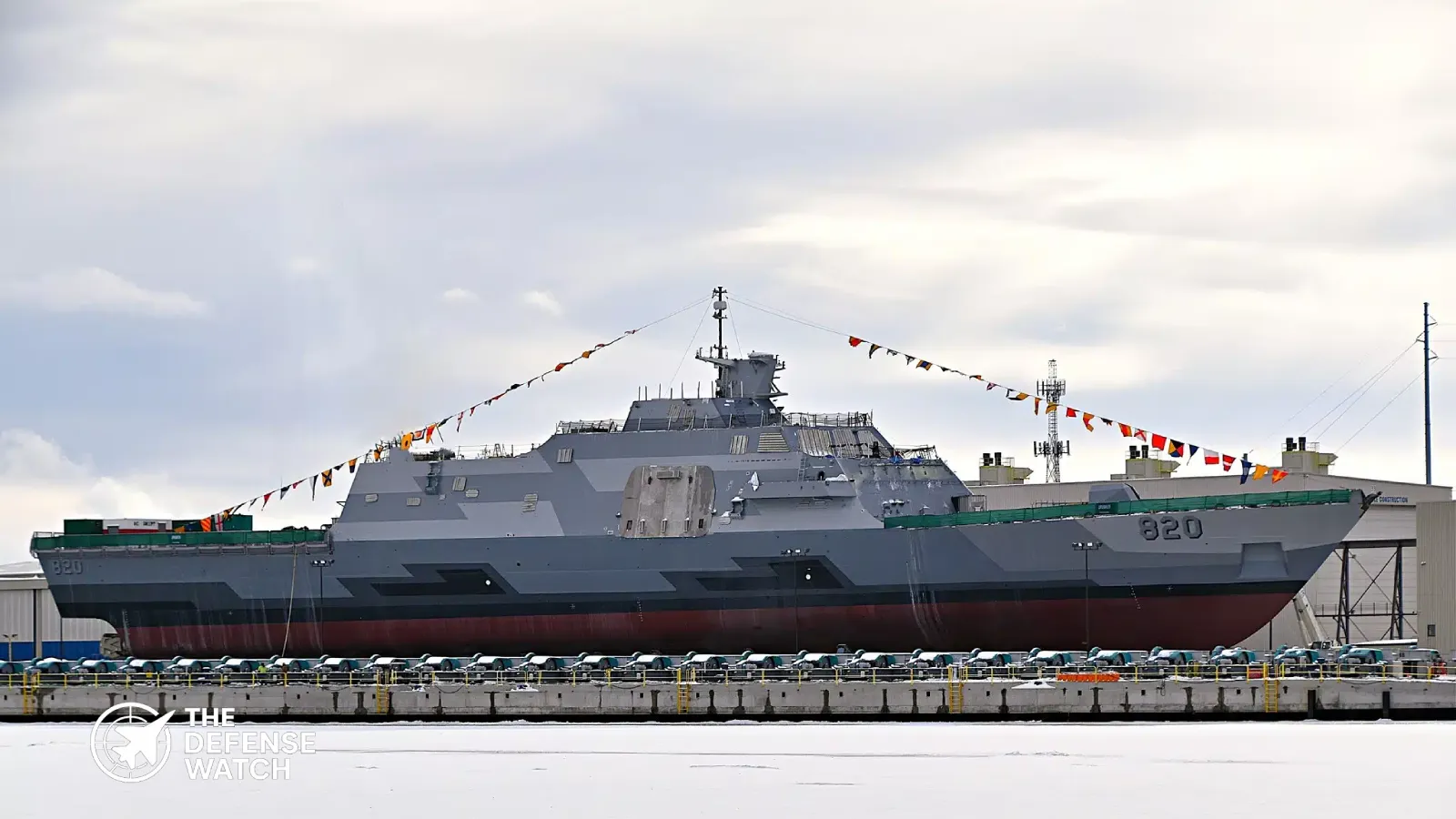
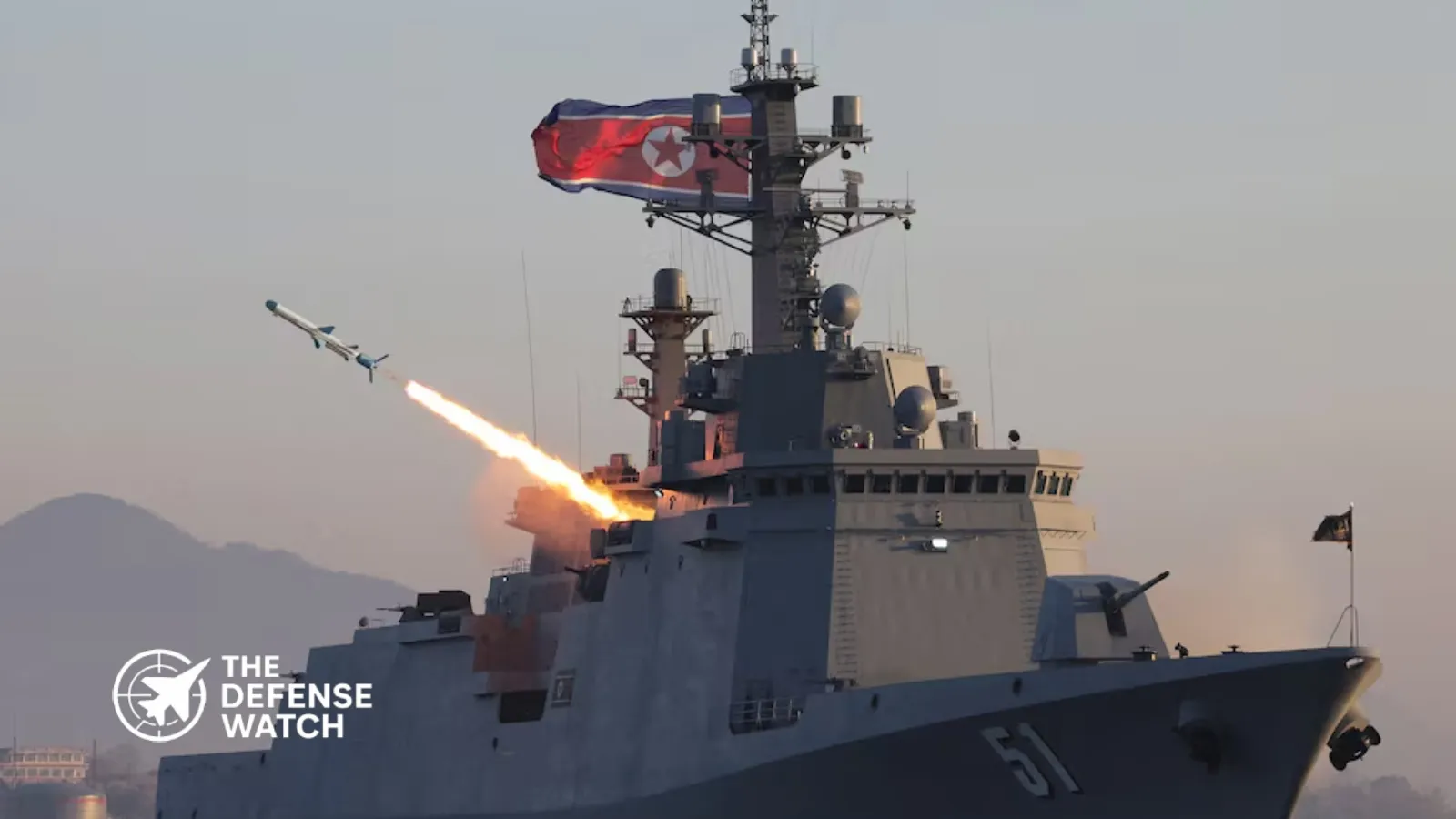
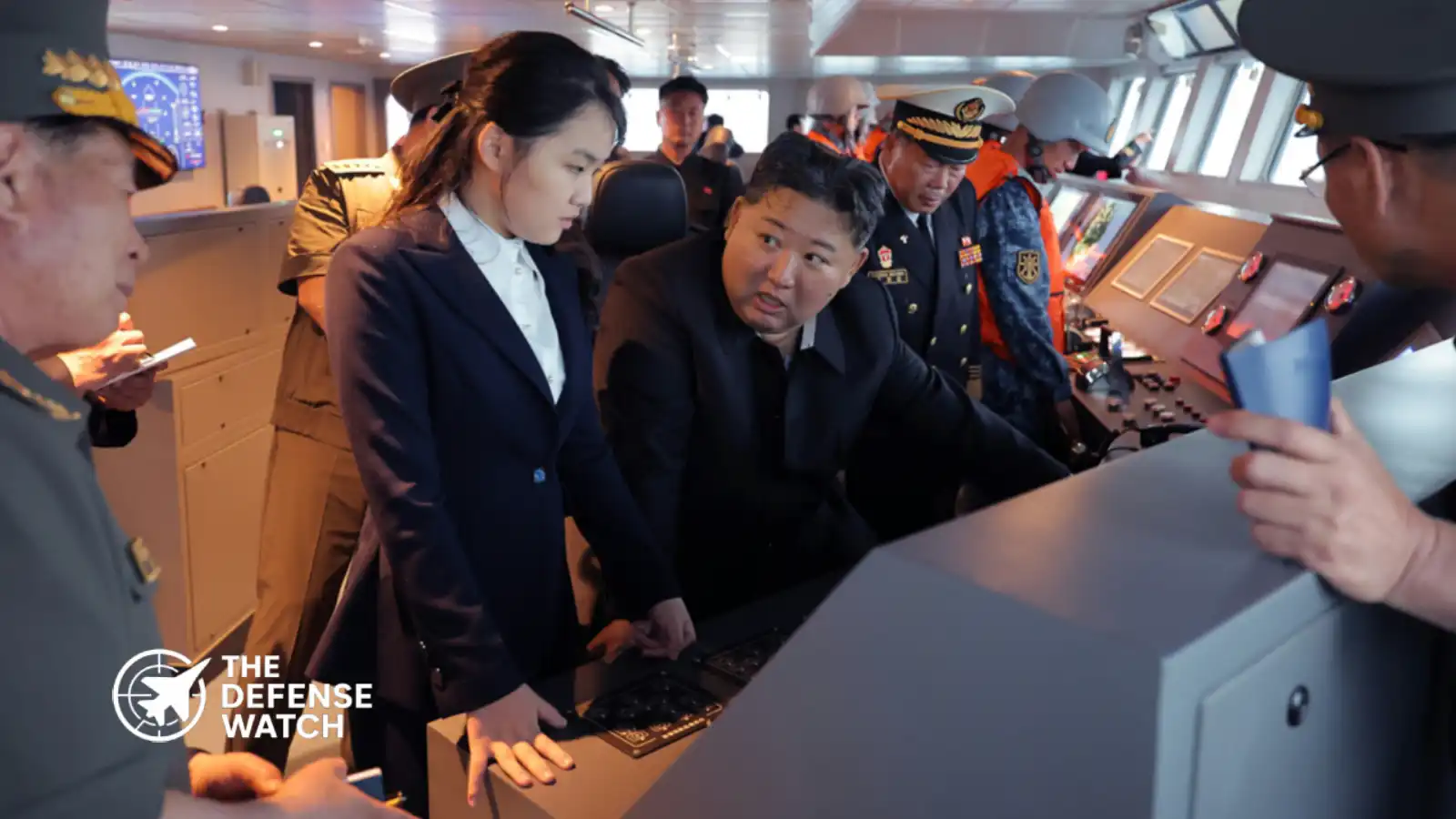
North Korea’s planned 10,000-ton destroyer represents the largest publicly disclosed surface combatant project in the country’s history. According to state newspaper Rodong Sinmun, leader Kim Jong Un ordered the rapid operational deployment of the recently introduced destroyers Kang Kon and Choe Hyon while outlining future naval expansion goals during a naval weapons test.
- North Korea Unveils 10,000-Ton Destroyer Ambition Ahead of Xi Visit
- A Significant Step Beyond Existing North Korean Warships
- Kim Jong Un Emphasizes Naval Deterrence
- Advanced Underwater Weapons Remain Unclear
- Strategic Context of Xi Jinping’s Visit
- What a 10,000-Ton Destroyer Would Mean for Regional Security
- Naval Modernization Becomes a Growing Priority
The announcement comes immediately before Chinese President Xi Jinping’s first visit to North Korea in nearly seven years, a high-profile diplomatic event expected to highlight the relationship between Beijing and Pyongyang.
North Korean state media also reported plans to develop undisclosed underwater weapon systems, though no technical details were released.
(adsbygoogle = window.adsbygoogle || []).push({});A Significant Step Beyond Existing North Korean Warships
The newly announced destroyer would substantially exceed the displacement of North Korea’s known modern surface combatants.
Reported North Korean Major Surface Combatants
| Vessel | Estimated Displacement |
|---|---|
| Choe Hyon-class Destroyer | Approximately 5,000 tons |
| Kang Kon Destroyer | Approximately 5,000 tons |
| Planned Future Destroyer | Approximately 10,000 tons |
If constructed as described, the future vessel would roughly double the size of North Korea’s latest destroyers and move closer to the displacement range of advanced regional surface combatants operated by neighboring naval powers.
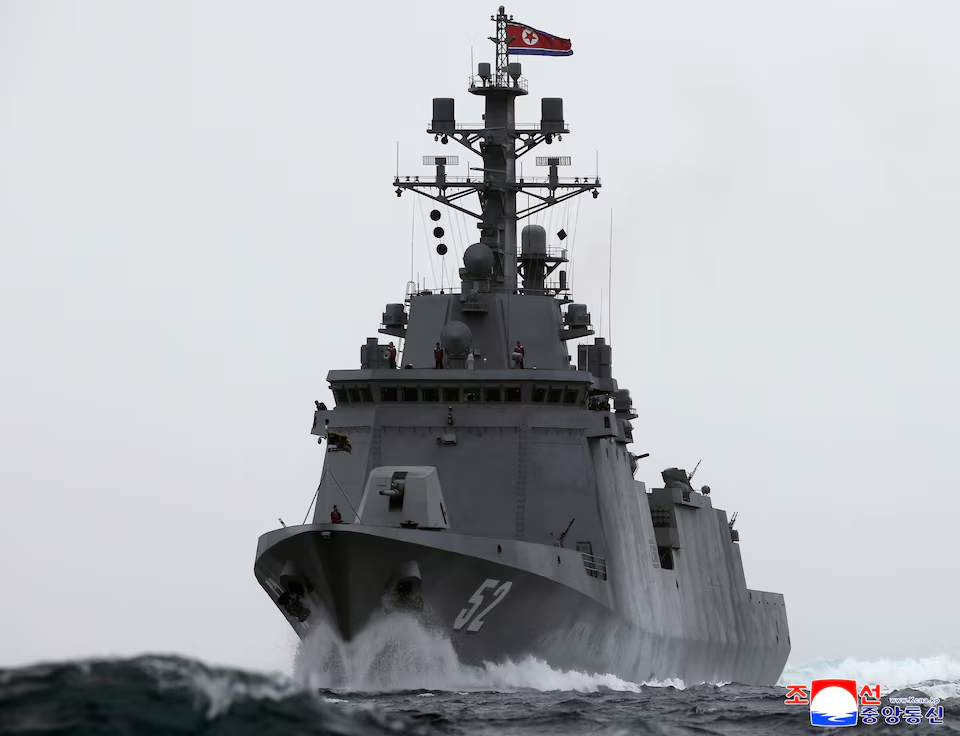
While displacement alone does not determine combat effectiveness, larger warships generally offer greater capacity for:
- Vertical launch missile systems
- Air defense weapons
- Anti-ship missiles
- Command and control facilities
- Helicopter operations
- Long-endurance deployments
North Korea has not disclosed the destroyer’s design, construction timeline, propulsion system, sensor suite, or weapons configuration.
Kim Jong Un Emphasizes Naval Deterrence
According to state media, Kim argued that strengthening naval capabilities is essential to deterring what Pyongyang views as the threat of nuclear conflict.
The remarks align with a broader modernization effort that has accelerated in recent years across multiple military domains, including strategic missile forces, submarine development, reconnaissance satellites, and conventional naval capabilities.
North Korean messaging increasingly emphasizes the importance of operating a more capable blue-water fleet rather than relying solely on coastal defense and asymmetric maritime systems.
The order to quickly deploy both Kang Kon and Choe Hyon suggests Pyongyang is seeking to move newly built surface combatants into operational service as rapidly as possible.
Advanced Underwater Weapons Remain Unclear
State media references to secret underwater weapons drew significant attention because North Korea has previously invested heavily in unconventional maritime capabilities.
Potential areas of development could include:
- Underwater unmanned vehicles
- Long-range torpedoes
- Strategic underwater strike systems
- Autonomous underwater platforms
- Enhanced submarine-launched weapons
However, North Korea provided no technical information, and independent verification remains unavailable.
As a result, the operational maturity and capabilities of any newly referenced underwater systems remain unknown.
(adsbygoogle = window.adsbygoogle || []).push({});Strategic Context of Xi Jinping’s Visit
The timing of the announcement is likely to attract attention throughout the Indo-Pacific region.
Xi’s visit represents an important diplomatic engagement between China and its only formal treaty ally. The trip comes amid heightened geopolitical competition in Northeast Asia and increasing military activity by regional powers.
Analysts have long observed that North Korea frequently uses major military announcements to coincide with politically significant events or visits by foreign leaders.
By highlighting naval modernization immediately before Xi’s arrival, Pyongyang may be seeking to demonstrate both military progress and strategic relevance within the regional security environment.
What a 10,000-Ton Destroyer Would Mean for Regional Security
The announcement carries implications that extend beyond North Korea’s immediate naval capabilities.
Operational Implications
A destroyer in the 10,000-ton class could potentially support:
- Longer-duration operations in regional waters
- Improved command-and-control functions
- Expanded missile payload capacity
- Better air-defense coverage for naval formations
- Greater operational flexibility compared with smaller vessels
Industrial Challenges
Despite the announcement, building a modern 10,000-ton destroyer presents significant technical and industrial challenges.
Such vessels require advanced:
- Shipbuilding infrastructure
- Marine propulsion systems
- Integrated combat management systems
- Air-search and fire-control radars
- Vertical launch technologies
- Sustainment and logistics networks
North Korea’s ability to integrate these capabilities into a large surface combatant remains one of the key questions facing defense analysts.
(adsbygoogle = window.adsbygoogle || []).push({});Regional Naval Comparison
Several regional powers already operate advanced destroyers in similar size categories.
Examples include:
- Japan’s Maya-class destroyers
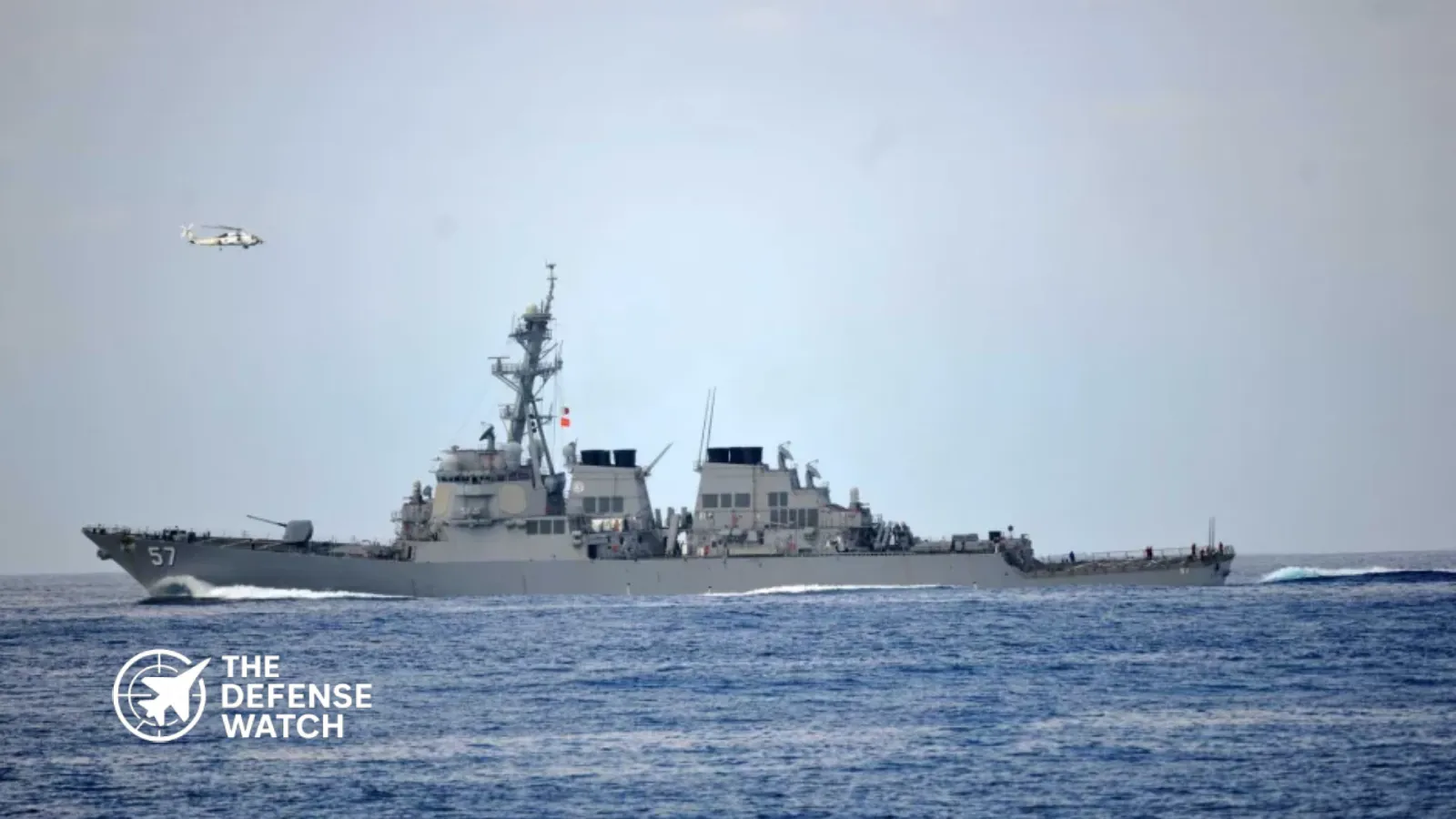
- South Korea’s Sejong the Great-class destroyers
- China’s Type 055 large destroyers
These ships incorporate sophisticated sensors, missile systems, and networked combat capabilities developed over decades.
Even if North Korea successfully launches a 10,000-ton vessel, matching the combat effectiveness of these platforms would require overcoming substantial technological barriers.
Naval Modernization Becomes a Growing Priority
The announcement reinforces a broader trend within North Korea’s military planning.
For decades, Pyongyang’s naval forces focused primarily on coastal defense, submarines, missile boats, and asymmetric maritime operations. Recent developments suggest increasing interest in larger surface combatants capable of carrying advanced missile systems and operating farther from North Korea’s coastline.
The planned 10,000-ton destroyer, combined with references to new underwater weapons, indicates that naval modernization is becoming a more prominent component of North Korea’s overall military strategy.
Whether the project progresses from announcement to construction remains to be seen, but the disclosure itself signals Pyongyang’s intent to expand the scale and scope of its maritime capabilities at a time of growing strategic competition across the Indo-Pacific.