(adsbygoogle = window.adsbygoogle || []).push({});Executive Summary:
A Chinese university student has admitted to unlawfully photographing sensitive U.S. military aircraft near Offutt Air Force Base in Nebraska. The case has drawn attention because the aircraft included strategic command and reconnaissance platforms tied to U.S. national security. The incident underscores increasing vigilance around military installations amid broader concerns over intelligence collection and infrastructure security.
A Chinese student has pleaded guilty to illegally photographing U.S. military aircraft near Offutt Air Force Base in Nebraska, a key installation that hosts some of America’s most sensitive airborne command and reconnaissance assets.
The case centers on 21 year old Tianrui Liang, a Chinese national studying in Scotland, who admitted taking photographs of military aircraft without authorization during a road trip across the United States, according to U.S. court documents and federal investigators.
Federal authorities arrested Liang at New York’s John F. Kennedy International Airport in April while he was preparing to leave the United States. Investigators said he had traveled to several military locations before arriving near Offutt Air Force Base, home to the headquarters of U.S. Strategic Command.
(adsbygoogle = window.adsbygoogle || []).push({});Aircraft Included Strategic National Assets
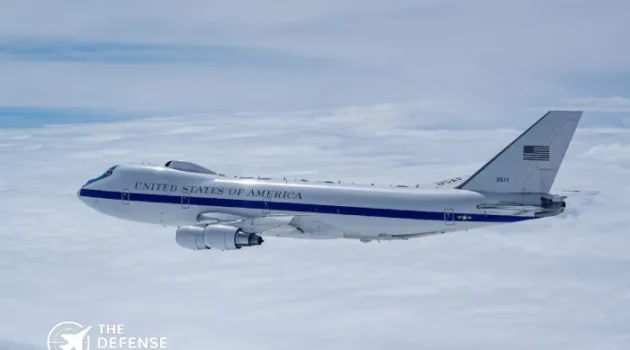
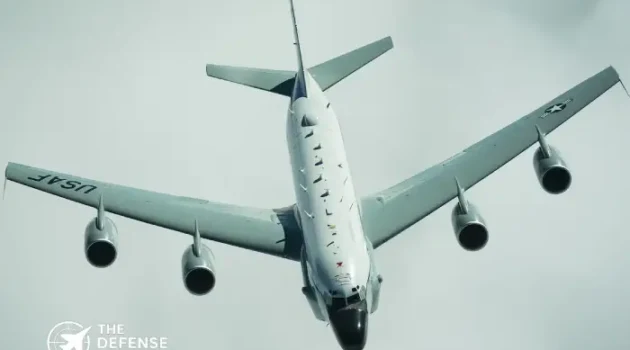
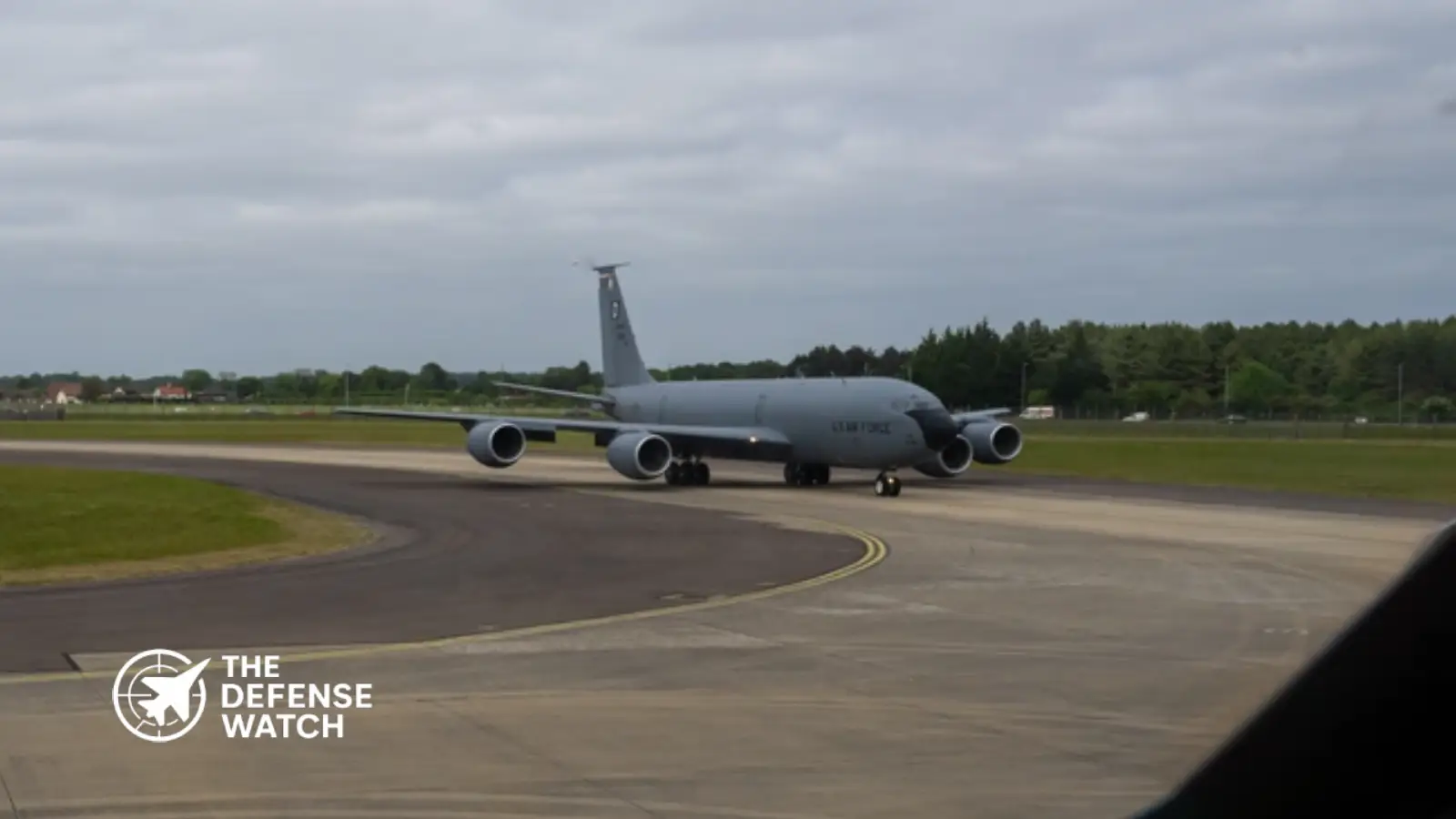
According to court filings, Liang photographed several military aircraft, including the Boeing RC-135 reconnaissance aircraft and the Boeing E-4B Nightwatch airborne command post.
The RC-135 family of aircraft plays a critical role in intelligence, surveillance, and reconnaissance operations for the U.S. military. Meanwhile, the E-4B Nightwatch, often referred to as the “Doomsday Plane,” serves as the National Airborne Operations Center and can function as a mobile command post during national emergencies.
Both aircraft are among the most strategically important airborne assets operated by the United States.
Federal investigators stated that Liang acknowledged taking the photographs and told authorities the images were intended for his personal collection. Court documents indicate he used publicly available aircraft spotting information to identify locations where military aircraft could be observed.
(adsbygoogle = window.adsbygoogle || []).push({});Why The Case Matters
While photographs of many military aircraft can be found online, U.S. law places restrictions on photographing certain defense installations and military equipment without authorization.
Authorities charged Liang under federal statutes governing unauthorized photography of military facilities and equipment. The law is designed to protect installations considered vital to national defense.
The case has attracted attention because it involves a strategic military installation associated with America’s nuclear command and control architecture. Offutt Air Force Base is one of the most important command centers within the U.S. defense establishment and serves as the headquarters of U.S. Strategic Command, which oversees the nation’s strategic deterrent forces.
Broader Security Concerns
The incident comes amid heightened scrutiny of foreign nationals accessing or documenting military facilities across the United States and allied countries.
(adsbygoogle = window.adsbygoogle || []).push({});In recent years, U.S. authorities have investigated several cases involving unauthorized photography, drone operations, or surveillance activities near military installations. Similar incidents have also been reported in allied nations, including South Korea, where authorities have prosecuted individuals accused of photographing military sites and aircraft.
Defense and security officials increasingly view seemingly routine data collection activities, including photography, drone footage, and geolocation mapping, through the lens of broader intelligence and security risks.
However, in Liang’s case, publicly available court filings do not allege espionage or direct links to a foreign intelligence service. Prosecutors focused instead on the unauthorized photography offense itself.
Analysis: Security Around Military Installations Remains A Growing Priority
The significance of this case extends beyond a single photography violation.
Modern military facilities generate enormous amounts of publicly accessible information through commercial satellite imagery, social media, aircraft tracking platforms, and enthusiast communities. Nevertheless, governments continue to enforce restrictions around direct observation and documentation of sensitive installations because seemingly minor details can contribute to broader intelligence assessments.
For U.S. defense planners, protecting strategic assets such as the E-4B Nightwatch and RC-135 reconnaissance fleet remains a critical security priority. Even when aircraft are visible from public areas, authorities often maintain legal restrictions intended to limit systematic collection of imagery and operational details.
(adsbygoogle = window.adsbygoogle || []).push({});The case also reflects a wider trend in which military and intelligence agencies are paying closer attention to activities occurring near strategic infrastructure, particularly amid increasing geopolitical competition between Washington and Beijing.
As military modernization accelerates and great power competition intensifies, security measures surrounding high value defense installations are likely to remain under close scrutiny.
Conclusion
The guilty plea by a Chinese student who photographed U.S. military aircraft near Offutt Air Force Base highlights the continuing importance American authorities place on safeguarding sensitive military facilities and strategic assets.
Although the case does not currently involve espionage allegations, it demonstrates how unauthorized photography around key defense installations can trigger federal investigations and criminal charges. As geopolitical competition sharpens, similar incidents are expected to receive increased attention from military and law enforcement agencies.