
Executive Summary:
The British Army is restructuring its military presence in Estonia by reducing its deployment of Challenger 2 main battle tanks and introducing a larger fleet of tactical drones. The move reflects the UK’s wider modernization strategy, emphasizing intelligence, surveillance, precision targeting, and autonomous systems while maintaining its commitment to NATO’s eastern flank.
British Army Replaces Tanks With Drones In Estonia
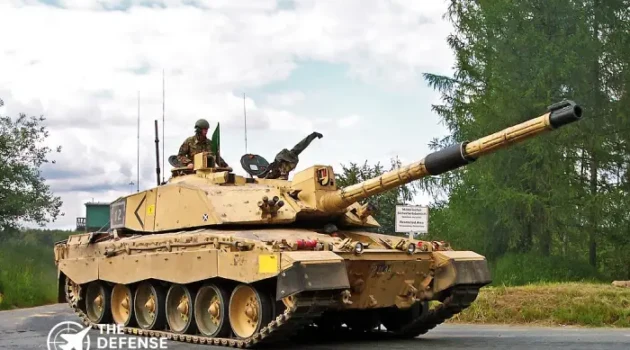
The British Army replacing tanks with drones in Estonia marks a significant shift in how the United Kingdom intends to contribute to NATO’s forward deterrence mission. British defense officials confirmed that future deployments will rely less on heavy armored formations and increasingly on unmanned aerial systems capable of providing persistent surveillance and battlefield awareness.
- British Army Replaces Tanks With Drones In Estonia
- Why The UK Is Changing Its Force Structure
- Drones Have Become Essential On Modern Battlefields
- Challenger Tanks Remain An Important Capability
- Lessons From Ukraine Continue To Shape NATO Planning
- What This Means For NATO’s Eastern Flank
- Analysis: A Shift Toward Information Dominance
The changes are part of the British Army’s ongoing transformation under the Future Soldier program and align with lessons drawn from recent conflicts, particularly the extensive use of drones in Ukraine. The UK Ministry of Defence has repeatedly emphasized that future land warfare will combine armored forces with autonomous and remotely operated systems rather than relying exclusively on traditional heavy platforms.
Why The UK Is Changing Its Force Structure
The British Army currently leads NATO’s forward land forces in Estonia under the Alliance’s Forward Land Forces framework.
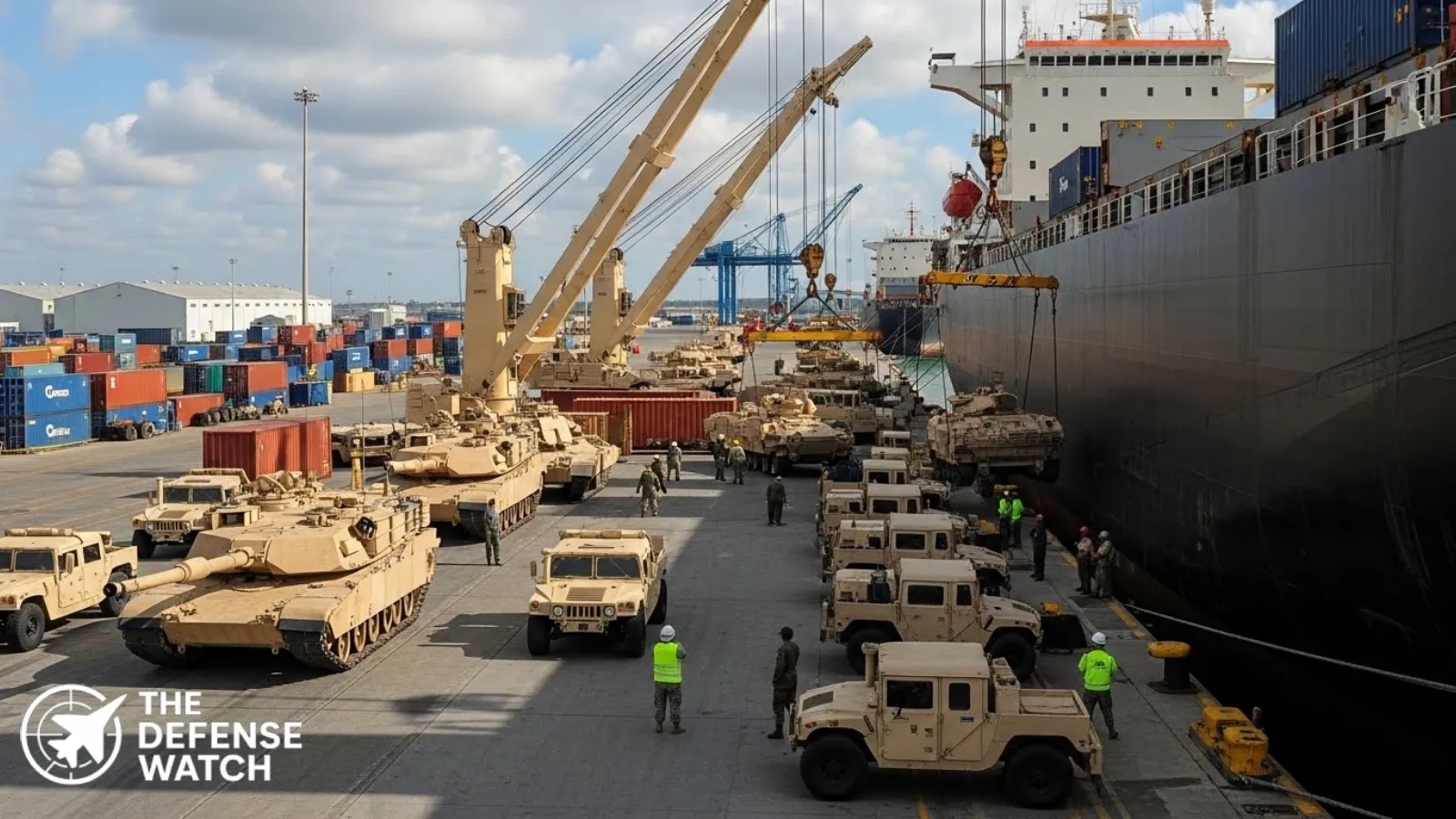
Rather than eliminating armored capability altogether, the UK is adjusting the composition of its deployed force. Fewer Challenger 2 tanks will be stationed in Estonia while additional unmanned aerial systems will support reconnaissance, target acquisition, force protection, and command decision making.
British officials describe the change as an effort to create a more agile and information driven force capable of responding quickly to evolving battlefield conditions.
The shift reflects broader trends across NATO, where armed forces are investing heavily in drones, loitering munitions, electronic warfare, and networked command systems.
Drones Have Become Essential On Modern Battlefields
Recent conflicts have demonstrated that drones now perform missions once reserved for larger, more expensive platforms.
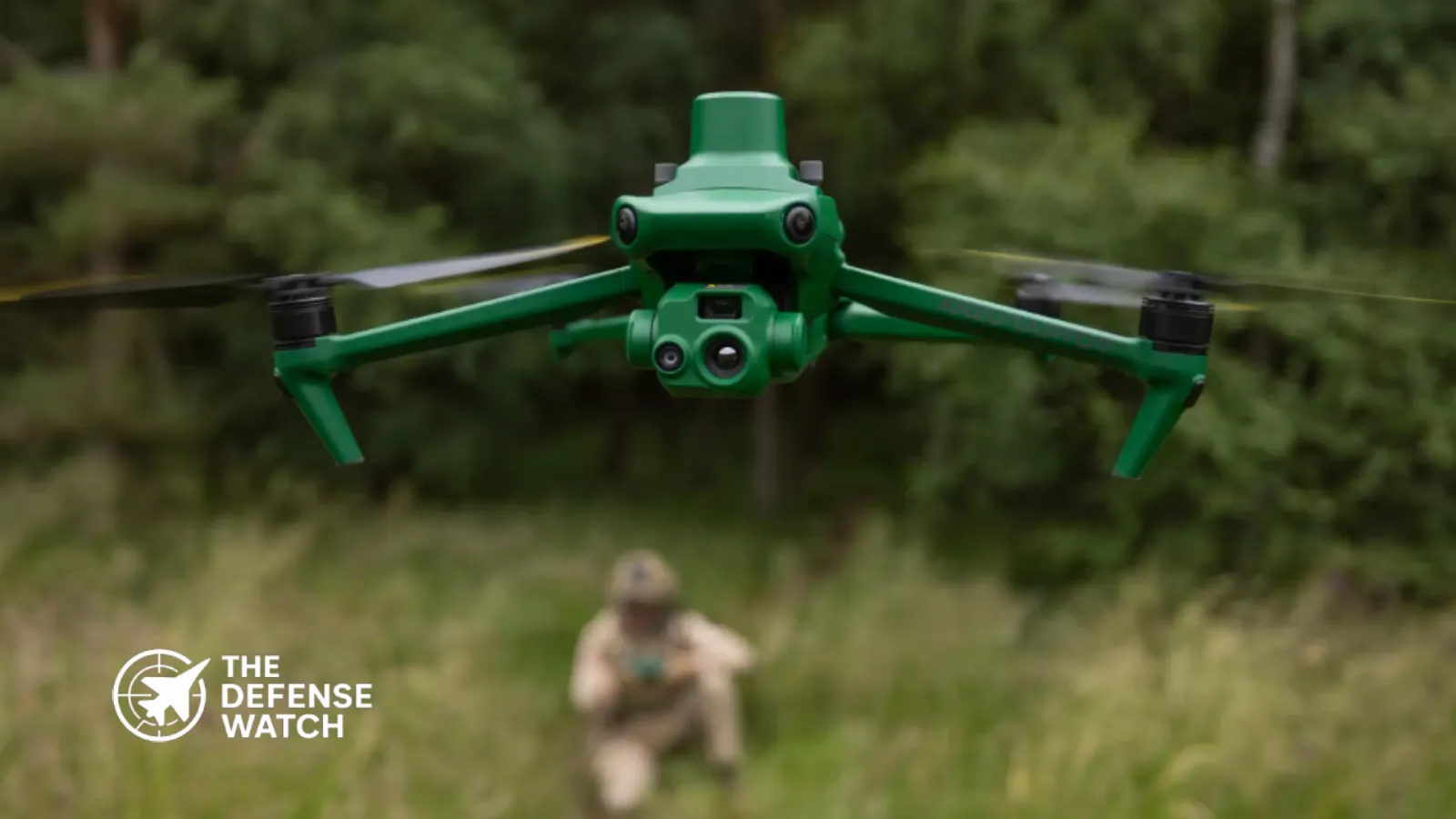
Modern tactical UAVs provide capabilities including:
Capability Operational Benefit Intelligence, Surveillance and Reconnaissance (ISR) Continuous battlefield monitoring Target Identification Faster precision engagement Force Protection Early warning against enemy movement Battle Damage Assessment Immediate post-strike evaluation Communications Support Improved situational awareness Small drones can remain airborne for extended periods, operate at relatively low cost, and deliver real time imagery directly to commanders.
For NATO forces operating near Russia’s western military district, persistent surveillance significantly improves operational awareness without requiring constant armored patrols.
Challenger Tanks Remain An Important Capability
The restructuring does not signal the end of Britain’s armored forces.
The UK continues upgrading its heavy armor through the Challenger 3 program, which introduces:
- New 120 mm smoothbore main gun
- Improved modular armor
- Digital battlefield architecture
- Enhanced sensors
- Greater interoperability with NATO allies
Heavy tanks remain essential for high intensity combat, breaching operations, and direct fire support.
Instead, British planners increasingly view drones and armored vehicles as complementary capabilities rather than alternatives.
Lessons From Ukraine Continue To Shape NATO Planning
Military planners across Europe have closely studied the war in Ukraine, where inexpensive drones have dramatically influenced battlefield tactics.
Commercial quadcopters, military reconnaissance UAVs, loitering munitions, and first person view (FPV) drones have proven capable of:
- Detecting armored formations
- Directing artillery fire
- Destroying individual vehicles
- Conducting precision strikes
- Supporting infantry operations
These developments have accelerated drone procurement programs throughout NATO.
The British Army has expanded investments in tactical UAVs, autonomous logistics, electronic warfare, and counter drone technologies to address emerging operational requirements.
What This Means For NATO’s Eastern Flank
Estonia occupies one of NATO’s most strategically important positions, sharing a border with Russia.
The UK’s forward deployment serves as part of NATO’s collective deterrence posture designed to reassure allies and complicate any potential aggression against Alliance territory.
Replacing some tanks with drones allows British forces to:
- Increase battlefield awareness
- Improve reconnaissance coverage
- Detect threats earlier
- Reduce logistical demands
- Integrate more closely with NATO’s digital command networks
Rather than reducing combat power, the adjustment seeks to improve the effectiveness of deployed forces by expanding their ability to observe and understand the operational environment.
Analysis: A Shift Toward Information Dominance
The decision illustrates a broader evolution in land warfare rather than a rejection of armored forces.
Modern military operations increasingly prioritize information superiority. Commanders who can detect threats first, share targeting data rapidly, and coordinate precision fires often gain significant tactical advantages before heavy units even engage.
Drones provide continuous surveillance at a fraction of the cost of manned aircraft and can operate alongside satellites, ground sensors, and electronic intelligence systems.
For the British Army, integrating unmanned systems into forward deployments enhances reconnaissance while reducing the logistical footprint associated with maintaining larger armored formations overseas.
At the same time, tanks remain indispensable during high intensity combat. Protected mobility, direct firepower, and survivability cannot currently be replicated by unmanned aerial systems. The UK’s modernization effort therefore reflects a balanced approach that combines heavy armor with advanced sensing and autonomous capabilities.
For NATO, the move also demonstrates how alliance members are adapting force structures based on operational lessons from contemporary conflicts. Similar investments in drones, artificial intelligence, electronic warfare, and networked command systems are underway across multiple allied militaries, suggesting that Estonia will continue serving as a testing ground for the next generation of integrated land operations.