

Executive Summary:
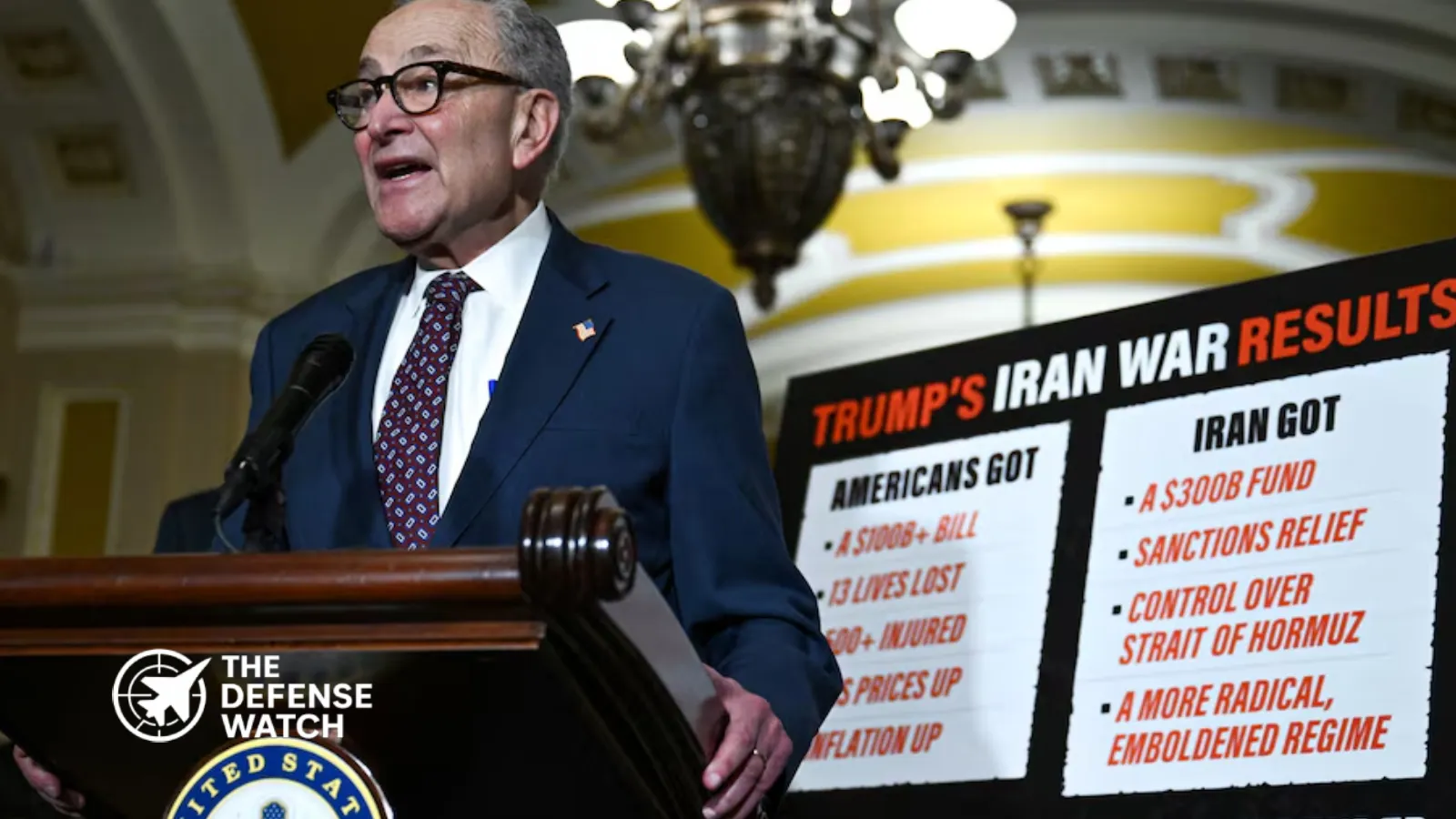
Senate Democrats on July 14 blocked procedural consideration of the fiscal year National Defense Authorization Act (NDAA), preventing the $1.15 trillion defense bill from advancing in the Senate. Democratic lawmakers said their opposition reflects concerns over the Trump administration’s handling of the ongoing Iran conflict, congressional war powers, and the scale of proposed military spending.
Senate Defense Bill Stalls Following Procedural Vote
The Senate defense bill encountered an unexpected setback after Democrats denied the votes needed to advance debate on the Fiscal Year 2027 National Defense Authorization Act, commonly known as the NDAA.
The procedural motion received a 50 to 46 vote, falling short of the 60 votes required under Senate rules. Senate Majority Leader John Thune voted against the motion, a procedural step allowing Republicans to bring the legislation back for reconsideration later.
The annual NDAA has traditionally enjoyed strong bipartisan backing and has become law every year for more than six decades. This year’s debate, however, reflects broader disagreements over U.S. military operations and defense spending rather than the legislation’s traditional bipartisan consensus.
Why Democrats Opposed The NDAA
Senate Democratic leaders argued that advancing the defense bill during the ongoing conflict with Iran would effectively endorse the administration’s military campaign.
Minority Leader Chuck Schumer criticized the administration’s decision-making process, saying the President entered the conflict without congressional authorization, a defined strategy, or a clear exit plan. Democratic lawmakers also questioned whether Congress should approve a historic increase in Pentagon funding while major military operations continue.
Several Democrats have also cited concerns regarding Congress’ constitutional role in authorizing military action, making the Iran conflict a central issue in this year’s NDAA debate.
Record Pentagon Spending At The Center Of Debate
The proposed NDAA would authorize approximately $1.15 trillion in defense funding, making it the largest authorization measure in the bill’s history.
In addition, the administration has requested another $350 billion through the budget reconciliation process, potentially increasing total defense-related spending to roughly $1.5 trillion if approved. Democrats argue the additional funding request should receive separate scrutiny alongside broader fiscal priorities.
Proposed Defense Funding
| Item | Proposed Amount |
|---|---|
| NDAA Authorization | $1.15 trillion |
| Additional Reconciliation Request | $350 billion |
| Potential Total Defense Funding | Approximately $1.5 trillion |
What The NDAA Actually Does
Despite political disagreements, the National Defense Authorization Act remains one of the most significant annual defense policy bills considered by Congress.
Rather than appropriating funding directly, the legislation establishes defense policy and authorizes military programs across the Department of Defense.
Typical provisions include:
- Procurement of ships, aircraft, missiles, and armored vehicles
- Military personnel pay raises
- Force structure and end-strength decisions
- Research and development funding
- Military readiness and modernization priorities
- National security policy guidance
Because of its broad scope, delays to the NDAA can affect defense planning across every military service, even though appropriations legislation ultimately provides the funding.
Strategic Analysis: Why This Matters Beyond Capitol Hill
The immediate impact of Tuesday’s vote is procedural rather than operational. Existing military programs continue under previously enacted appropriations, and the Pentagon’s day-to-day operations are not immediately interrupted.
However, the vote highlights how geopolitical crises can increasingly shape U.S. defense budgeting.
Historically, the NDAA has been treated as one of Congress’ few consistently bipartisan national security measures. This year’s dispute demonstrates how debates over presidential war powers, overseas military operations, and long-term defense spending are becoming more closely linked.
For the U.S. defense industrial base, prolonged delays could postpone authorization for future procurement priorities, modernization initiatives, and emerging technology programs. Major contractors typically rely on timely congressional authorization to support production planning and long-term investment decisions.
From a strategic perspective, the debate also underscores competing priorities within Washington. Supporters argue that expanding military investment is necessary to sustain readiness across multiple theaters, while opponents contend that large budget increases require clearer strategic objectives and stronger congressional oversight.
Although the Senate failed to advance the legislation this week, the NDAA process remains far from complete.
What Happens Next
Congress traditionally follows a multi-stage process before the NDAA becomes law.
The House and Senate each pass separate versions of the legislation before negotiators reconcile differences into a single conference bill.
That final compromise must then pass both chambers before being sent to the President for signature or veto. Senate leadership is expected to revisit the legislation in the coming weeks, meaning the current vote delays, rather than ends, consideration of the defense package.