
(adsbygoogle = window.adsbygoogle || []).push({});Executive Summary:
Taiwan is rapidly expanding its anti-ship missile inventory to more than 1,800 weapons by 2029 as part of an asymmetric defense strategy designed to deter a potential Chinese blockade or invasion.
The buildup combines U.S.-supplied Harpoon missiles with domestically produced Hsiung Feng systems, while a new command structure will integrate missiles, drones, and coastal surveillance assets into a unified maritime defense force.
Taiwan Anti-Ship Missile Arsenal Expands To Counter Growing China Threat
Taiwan’s anti-ship missile arsenal is set to grow dramatically over the next three years as the island strengthens its ability to resist a potential military operation by China.
- Taiwan Anti-Ship Missile Arsenal Expands To Counter Growing China Threat
- Harpoon And Hsiung Feng Missiles Form Core Of Maritime Defense
- New Littoral Combat Command To Integrate Missiles And Drones
- Strategic Importance Of Asymmetric Defense
- Production And Delivery Challenges Remain
- Analysis: Building A Denial Strategy At Sea
According to a Reuters analysis of defense procurement data, arms transfer records, and interviews with Taiwanese officials, Taiwan is expected to field more than 1,800 anti-ship missiles by early 2029. The expansion reflects Taipei’s continued shift toward an asymmetric defense strategy that prioritizes survivable, mobile, and cost-effective weapons capable of threatening larger adversary forces.
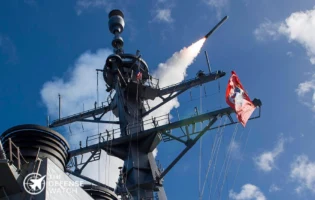
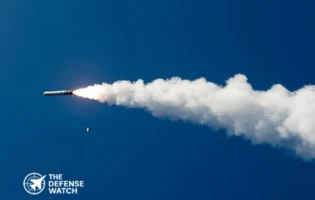
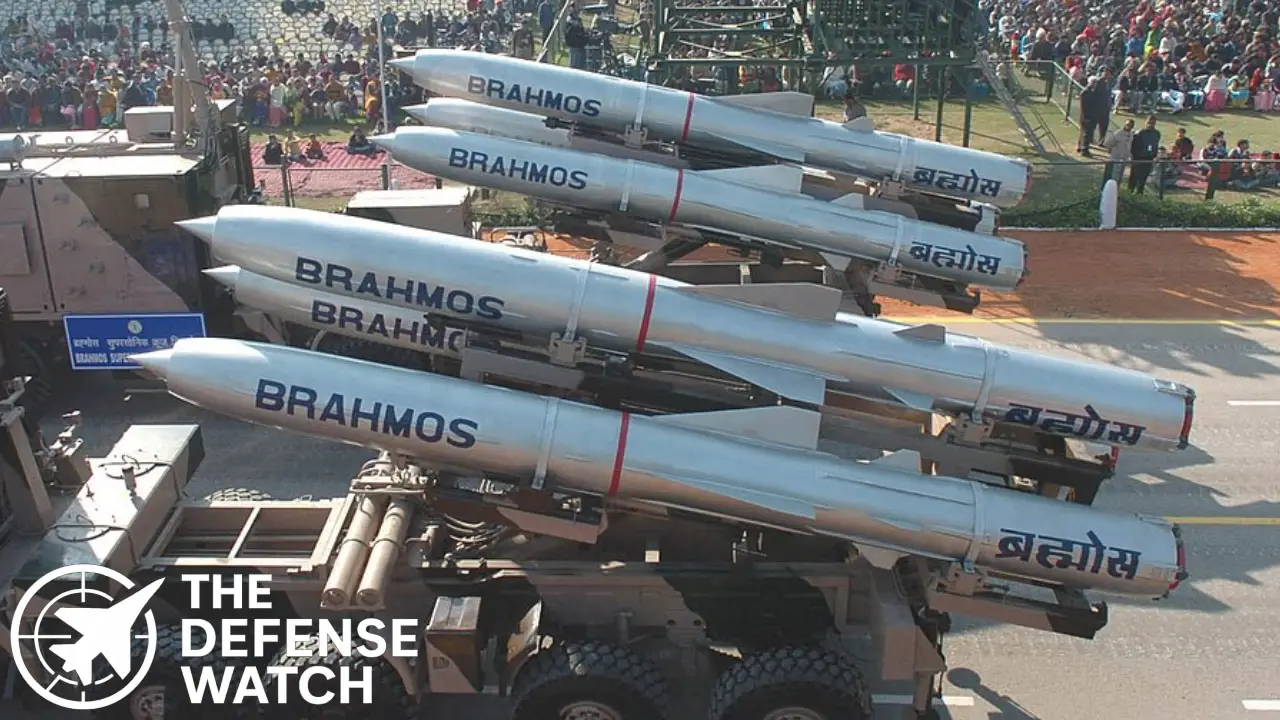
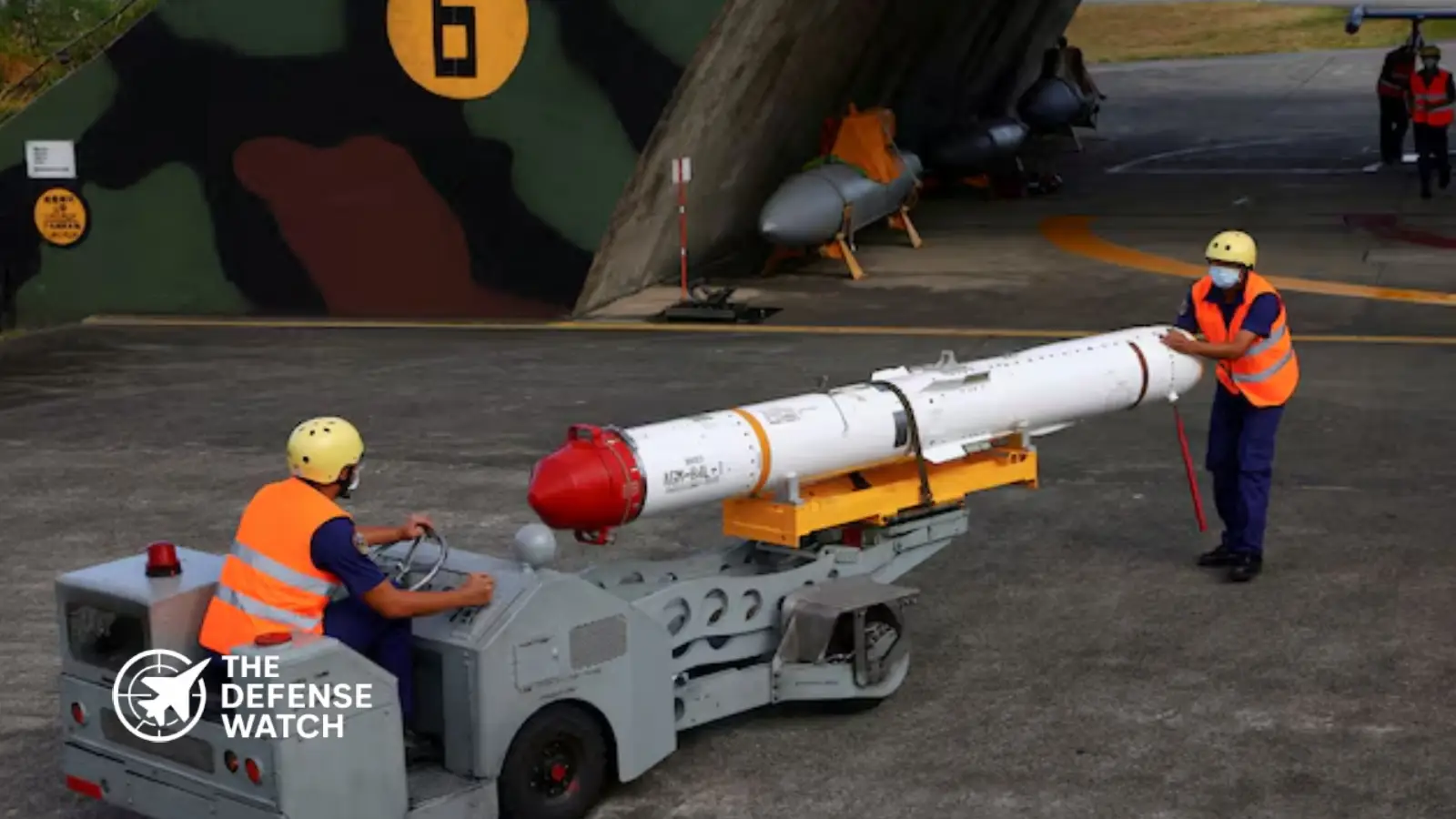
The planned inventory includes approximately 850 U.S.-made Harpoon anti-ship missiles and more than 1,000 domestically produced Hsiung Feng II and Hsiung Feng III missiles. These weapons can be launched from land, sea, and air platforms, providing Taiwan with multiple layers of maritime strike capability.
Harpoon And Hsiung Feng Missiles Form Core Of Maritime Defense
The centerpiece of Taiwan’s growing anti-ship missile arsenal is a combination of American and indigenous systems.
Taiwan has already received roughly 450 Boeing-built Harpoon missiles, according to senior government officials cited by Reuters. Deliveries of an additional 400 Harpoons are scheduled to continue through March 2029 under previously approved U.S. arms sales.
(adsbygoogle = window.adsbygoogle || []).push({});Alongside the Harpoons, Taiwan is expanding production of its Hsiung Feng missile family. The subsonic Hsiung Feng II and supersonic Hsiung Feng III are considered key components of Taiwan’s indigenous defense industry and are designed specifically to engage hostile surface vessels operating in and around the Taiwan Strait.
Defense analysts in Taiwan argue that a large missile inventory could help establish a maritime “kill zone” across portions of the strait, complicating efforts by an invading force to transport troops and equipment across the waterway.
New Littoral Combat Command To Integrate Missiles And Drones
A significant organizational change will accompany the missile buildup.
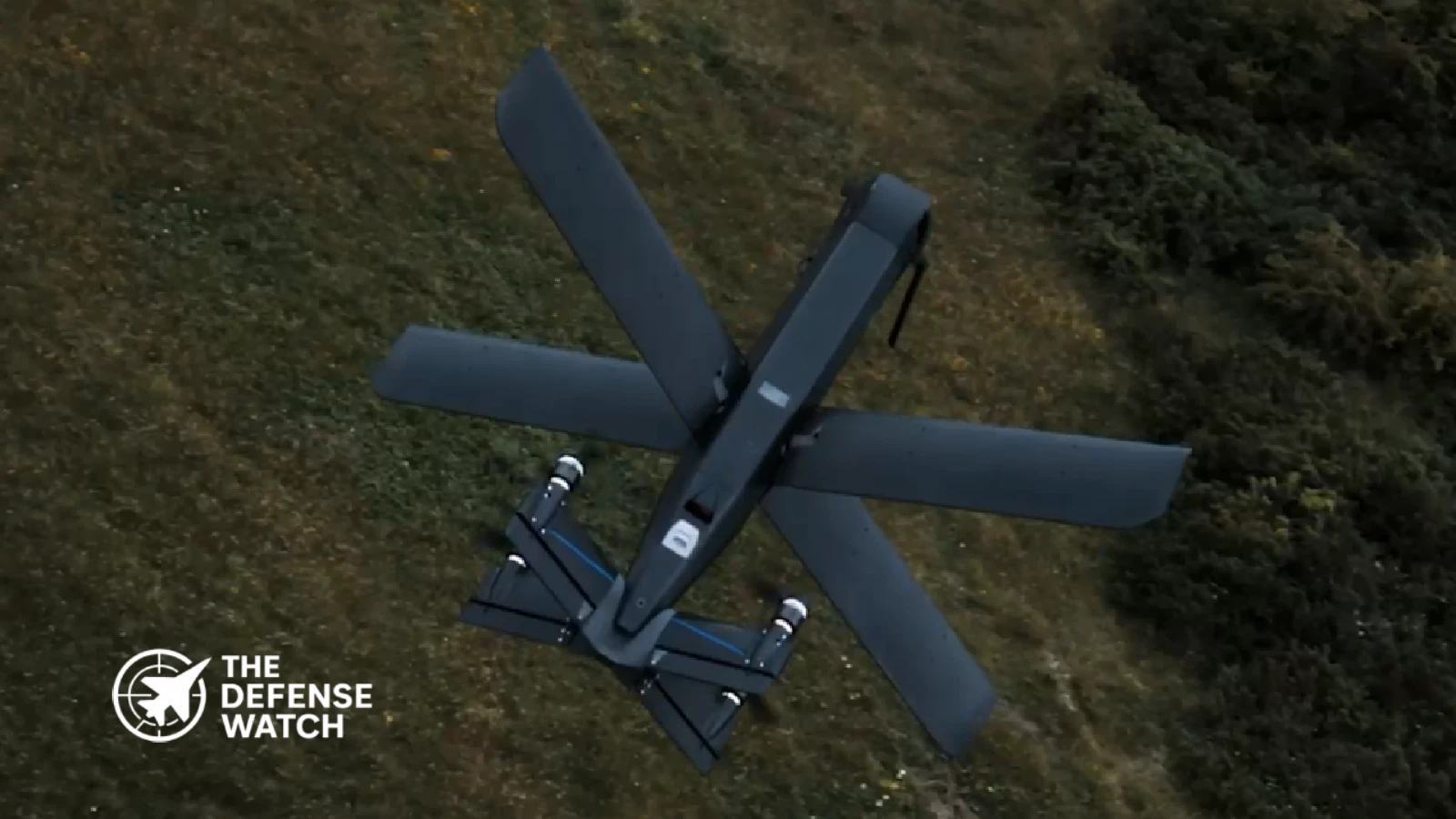
Beginning July 1, Taiwan’s military plans to establish a new Littoral Combat Command that will combine coastal radar networks, anti-ship missile units, and unmanned systems under a single operational structure. The goal is to improve targeting, coordination, and survivability during a high-intensity conflict.
The move reflects broader lessons drawn from recent conflicts, particularly the growing role of drones, distributed sensors, and precision-guided munitions in modern warfare. Taiwanese defense planners have increasingly emphasized mobility and dispersion to reduce vulnerability to preemptive strikes.
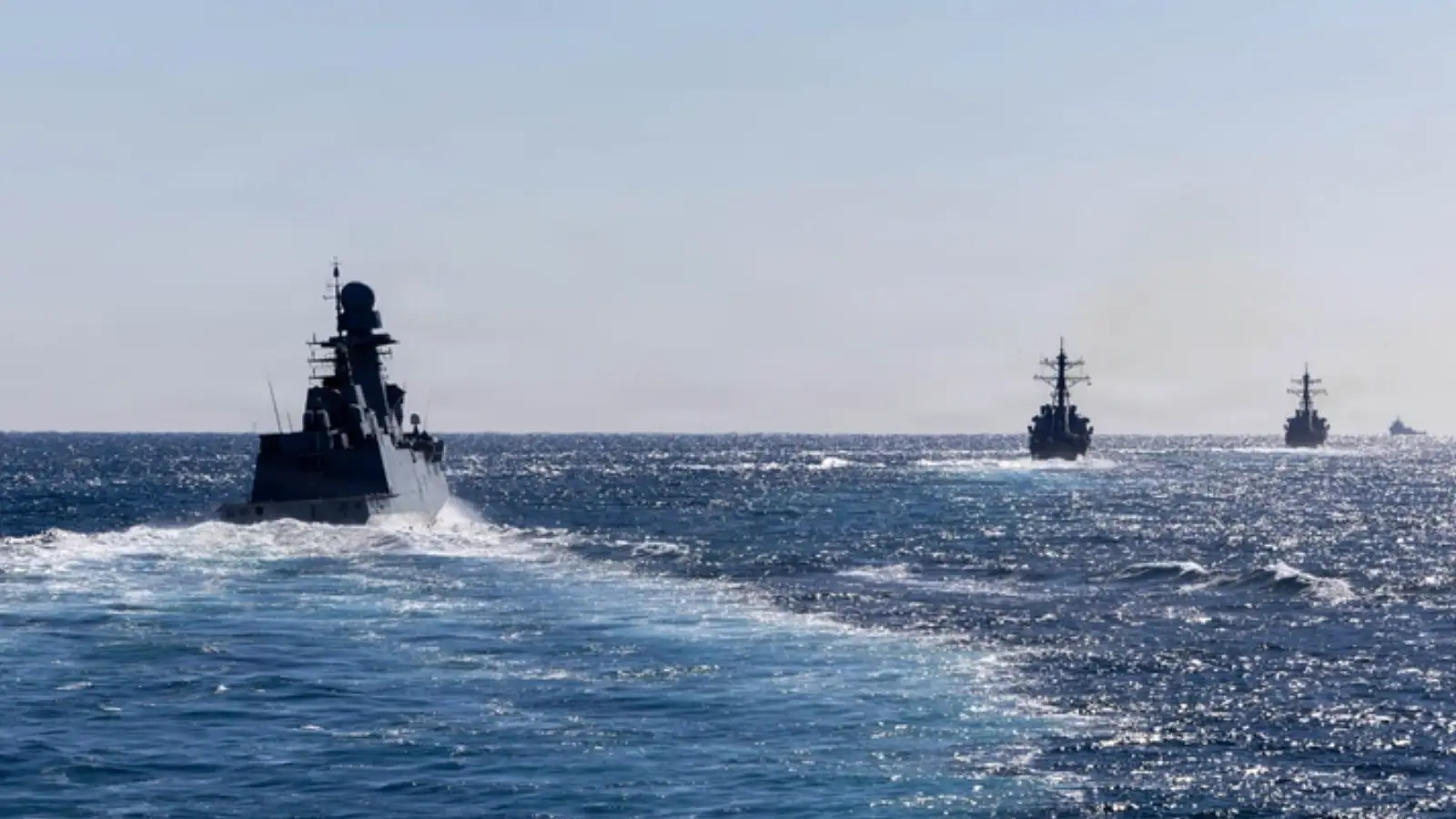
(adsbygoogle = window.adsbygoogle || []).push({});Earlier military exercises showcased Taiwan’s efforts to integrate drones, shore-based missile batteries, and naval assets into layered coastal defense operations intended to counter amphibious assault scenarios.
Strategic Importance Of Asymmetric Defense
The expansion of the Taiwan anti-ship missile arsenal highlights a broader strategic transformation underway across the Indo-Pacific.
Rather than attempting to match China’s military platform for platform, Taiwan has increasingly focused on fielding large numbers of precision weapons capable of imposing significant costs on an invading force. This approach aligns with similar trends seen among U.S. allies and partners throughout the region.
The strategy centers on maintaining enough combat power after an initial attack to target warships, amphibious transports, and logistics vessels operating in the Taiwan Strait. Military planners view anti-ship missiles as one of the most effective tools available for disrupting large-scale maritime operations.
(adsbygoogle = window.adsbygoogle || []).push({});China continues to increase military pressure around Taiwan through regular naval and air operations, while Beijing maintains its longstanding claim over the island. Taiwan’s government rejects those claims and continues to invest heavily in modernization and deterrence capabilities.
Production And Delivery Challenges Remain
While the planned force expansion is significant, questions remain regarding delivery schedules and industrial capacity.
Reuters reported that some Taiwanese officials believe portions of the missile procurement timeline could extend into 2030 due to production bottlenecks and competing demand for U.S. defense manufacturing resources. Additional negotiations are also underway regarding future purchases of air-launched Harpoon variants.
Nevertheless, Taiwan continues to prioritize missile procurement as part of broader defense spending increases approved by lawmakers in recent months. Those investments are intended to strengthen deterrence and improve the island’s ability to withstand a prolonged conflict if necessary.
(adsbygoogle = window.adsbygoogle || []).push({});Analysis: Building A Denial Strategy At Sea
The rapid growth of Taiwan’s anti-ship missile arsenal underscores the central role maritime denial now plays in the island’s defense planning.
Rather than seeking sea control, Taiwan is investing in the ability to make any attempted amphibious operation prohibitively costly. By combining mobile Harpoon batteries, indigenous Hsiung Feng missiles, drones, coastal sensors, and distributed command networks, Taipei is constructing a layered defense architecture designed to survive initial attacks and continue fighting.
The approach mirrors a broader shift among U.S. partners in the Indo-Pacific toward precision strike capabilities that can challenge larger naval forces without requiring equivalent fleet sizes. If successfully deployed and integrated, Taiwan’s expanding missile force could become one of the most important components of regional deterrence in the Western Pacific over the coming decade.