
(adsbygoogle = window.adsbygoogle || []).push({});Executive Summary:
Boeing has successfully validated the radar cross-section performance of its MQ-28 Ghost Bat collaborative combat aircraft through a series of radar signature tests announced on June 1, 2026. The milestone provides objective data on the aircraft’s survivability and detection risk, supporting its role as a stealthy autonomous wingman designed to operate alongside advanced crewed fighters in contested environments.
Boeing MQ-28 Ghost Bat Completes Key Stealth Validation Testing
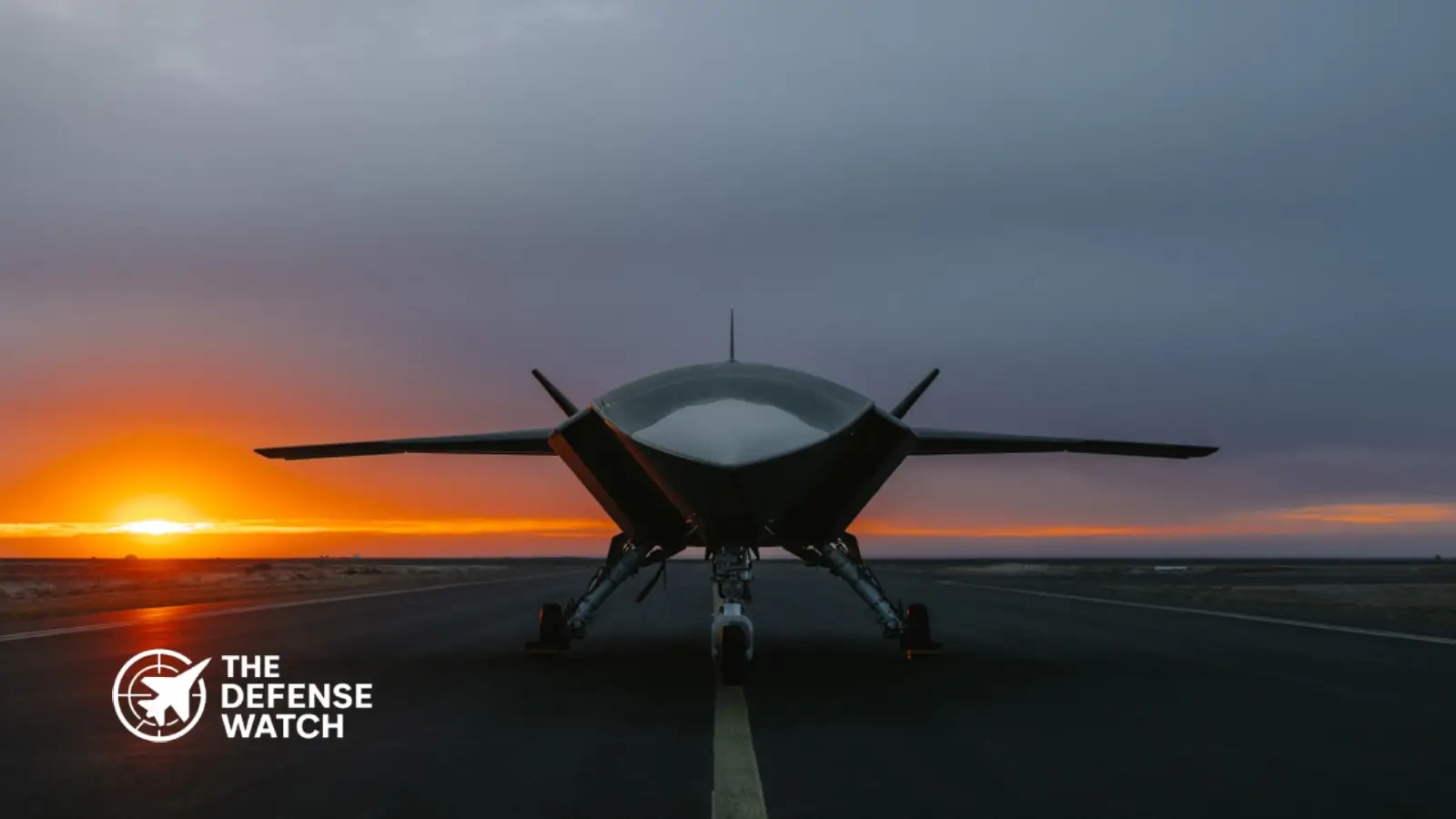
Boeing’s MQ-28 Ghost Bat collaborative combat aircraft has successfully completed a major radar cross-section (RCS) testing campaign, marking an important milestone in the maturation of one of the most advanced autonomous combat aircraft currently under development.
The company announced that the testing validated the aircraft’s low-observable characteristics and generated objective, repeatable data regarding survivability and radar detection risk. The results represent another step toward operational deployment of the MQ-28 as a collaborative combat aircraft capable of supporting crewed fighters during high-threat missions.
The testing comes as air forces across the United States, Australia, and Europe accelerate efforts to field autonomous aircraft that can operate alongside manned platforms as force multipliers.
Why Radar Cross-Section Testing Matters
Radar cross-section testing is one of the most important assessments performed on a stealth aircraft. It measures how much radar energy is reflected back toward an enemy sensor when the aircraft is illuminated by radar signals.
(adsbygoogle = window.adsbygoogle || []).push({});A lower radar signature generally reduces the distance at which an aircraft can be detected, tracked, and engaged by hostile air defense systems.
According to Boeing, the MQ-28 testing was conducted to provide customers with measurable data on survivability and detection risks rather than relying solely on computer modeling or design predictions.
Key Benefits of Low Radar Signature
Capability Operational Benefit Reduced detection range Increases survivability in contested airspace Lower tracking probability Complicates enemy targeting processes Enhanced penetration capability Supports operations near advanced air defenses Improved force protection Reduces risk to crewed aircraft operating nearby While Boeing has not disclosed specific RCS measurements, the company stated that the testing validated the effectiveness of the aircraft’s design, manufacturing approach, and material selection in reducing radar visibility.
Designed for Fighter Teaming Operations
The MQ-28 Ghost Bat was originally developed by Boeing Defence Australia under the Loyal Wingman program in partnership with the Royal Australian Air Force.
(adsbygoogle = window.adsbygoogle || []).push({});Unlike traditional remotely piloted drones, the aircraft is designed to operate as an autonomous teammate for crewed aircraft.
The platform can perform a range of missions, including:
- Intelligence, surveillance, and reconnaissance (ISR)
- Electronic warfare
- Airborne sensing
- Decoy operations
- Strike support
- Force protection missions
The aircraft’s open-architecture design and modular nose section allow operators to rapidly swap mission payloads depending on operational requirements.
Boeing states that the MQ-28 can fly more than 2,000 nautical miles and is designed to complement both current and future combat aircraft.
Recent Program Momentum Accelerates
The radar validation milestone follows several significant achievements for the Ghost Bat program over the past year.
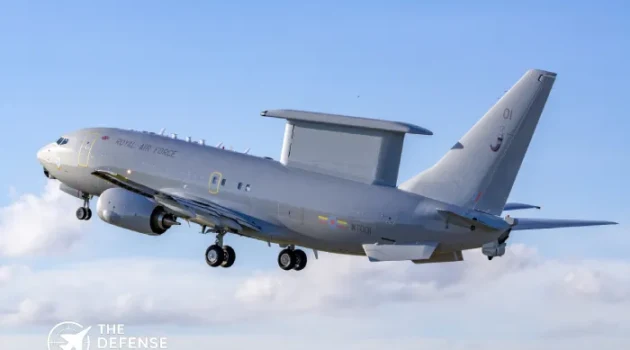
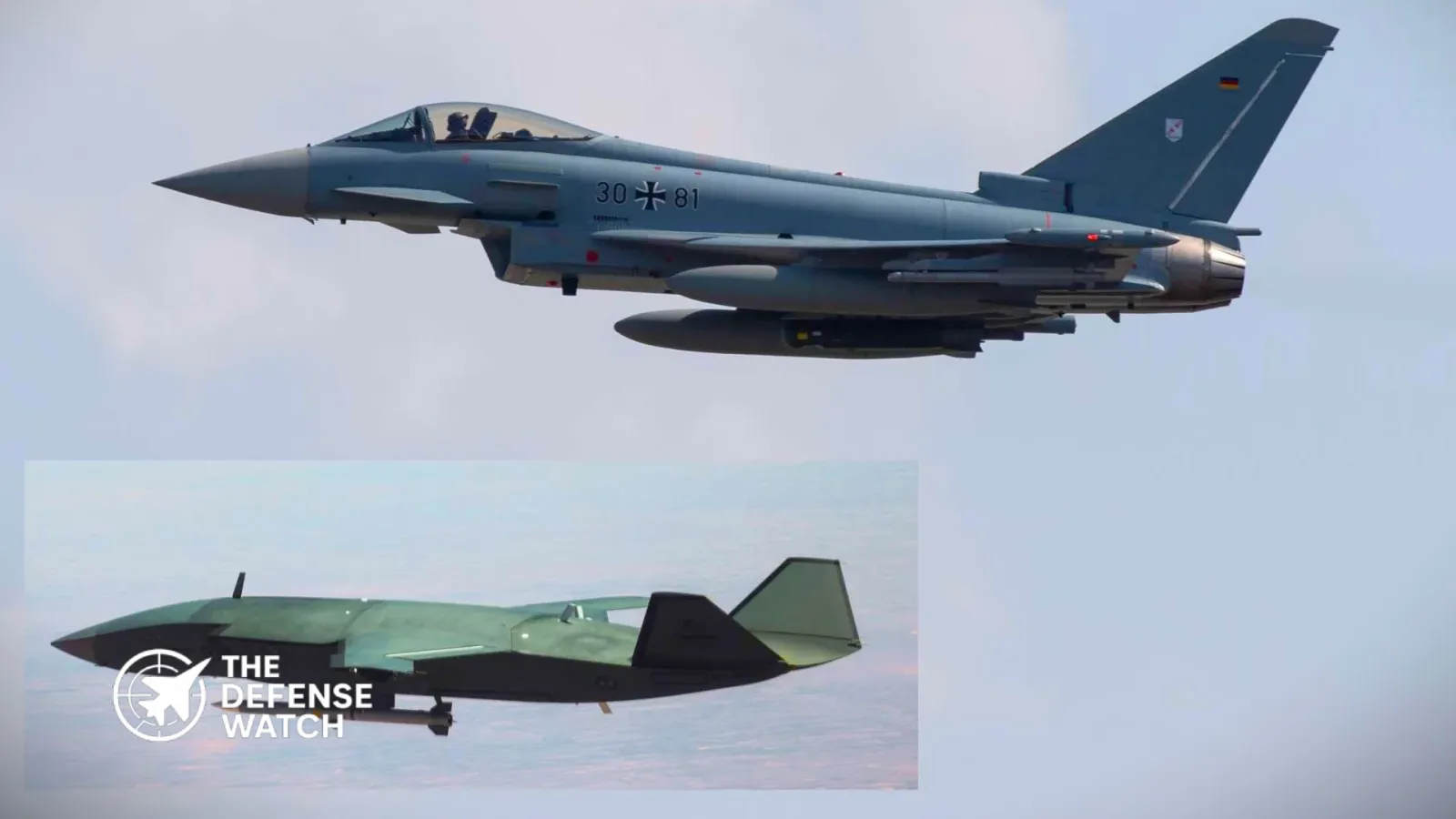
In December 2025, Boeing and the Royal Australian Air Force successfully conducted an autonomous air-to-air missile engagement involving an MQ-28, an E-7A Wedgetail airborne early warning aircraft, and an F/A-18F Super Hornet. The exercise demonstrated the aircraft’s ability to participate in complex cooperative combat operations.
More recently, the MQ-28 completed its first operational flights outside Australia during testing at Point Mugu, California. The deployment demonstrated the aircraft’s ability to operate from allied bases and validated autonomous mission functions in an international environment.
These achievements indicate that the program is moving beyond basic flight testing and into increasingly operationally relevant demonstrations.
Strategic Significance for Collaborative Combat Aircraft
The successful RCS validation carries implications beyond the MQ-28 program itself.
(adsbygoogle = window.adsbygoogle || []).push({});Collaborative Combat Aircraft (CCA) are expected to become a central component of future air warfare concepts. The U.S. Air Force, Australian Defence Force, and several NATO allies are investing heavily in autonomous wingman programs intended to increase combat mass without proportionally increasing personnel requirements.
For these aircraft to operate effectively in high-threat environments, survivability is essential.
A stealthy collaborative combat aircraft can move closer to enemy defenses, collect intelligence, perform electronic warfare missions, or act as a forward sensor while reducing risks to more expensive crewed platforms.
Why This Matters for Future Air Combat
Several trends are driving demand for stealth-capable autonomous aircraft:
- Expansion of integrated air defense systems
- Growth of long-range surface-to-air missile networks
- Increasing aircraft procurement costs
- Demand for greater combat mass
- Requirements for distributed operations across the Indo-Pacific
The MQ-28 addresses many of these challenges by combining autonomy, modularity, and low-observable design into a platform intended to support fourth, fifth, and future sixth-generation aircraft.
Export Potential Continues to Grow
The timing of the radar validation is also significant as Boeing seeks to position the MQ-28 for broader international adoption.
The aircraft has already attracted attention from allied nations evaluating collaborative combat aircraft solutions. Successful RCS validation provides an important data point for prospective operators assessing survivability requirements.
Combined with recent operational demonstrations in the United States and ongoing integration activities with allied air forces, the milestone strengthens the MQ-28’s standing within the rapidly expanding global market for autonomous combat aircraft.
Looking Ahead
The MQ-28 Ghost Bat program has progressed from an experimental loyal wingman concept into one of the most mature collaborative combat aircraft initiatives currently flying.
(adsbygoogle = window.adsbygoogle || []).push({});The successful radar cross-section testing confirms that the platform’s stealth design performs as intended and provides additional evidence of the aircraft’s readiness for increasingly demanding operational evaluations.
As militaries continue pursuing manned-unmanned teaming concepts, low-observable autonomous aircraft such as the MQ-28 are expected to play an increasingly important role in future air combat operations.