(adsbygoogle = window.adsbygoogle || []).push({});Executive Summary:
A U.S. Air Force B-52 Stratofortress crashed shortly after takeoff from Edwards Air Force Base in California on June 15, killing all eight personnel aboard. The aircraft was conducting a test mission linked to ongoing radar modernization efforts, highlighting the risks associated with developmental flight testing and the continued reliance on the aging bomber fleet.
B-52 Bomber Crash Raises Questions About Strategic Test Operations
A B-52 bomber crash at Edwards Air Force Base has claimed the lives of eight personnel and resulted in the loss of one of the U.S. Air Force’s most important strategic aircraft during a test mission in California.
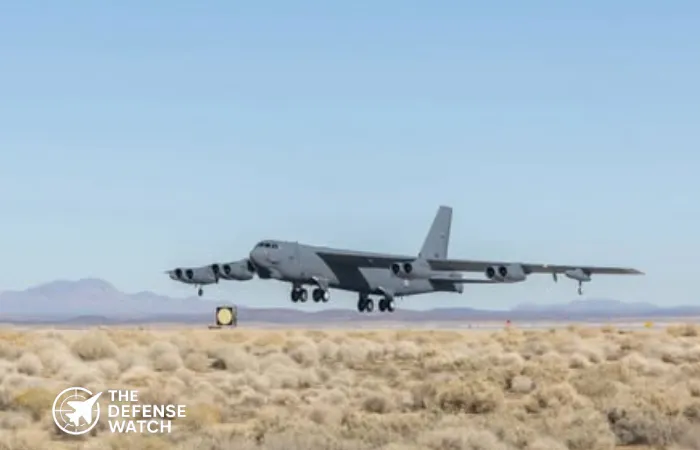
According to statements from Edwards Air Force Base and multiple media reports, the Boeing B-52 Stratofortress crashed shortly after takeoff at approximately 11:20 a.m. local time on June 15. Emergency responders immediately deployed to the scene, but officials later determined the accident was not survivable.
The aircraft was assigned to the Air Force’s 412th Test Wing and was participating in a mission associated with ongoing radar modernization efforts. Initial reports indicate the crew included military personnel, government civilians, and defense industry contractors.
Air Force officials confirmed that all eight people aboard were killed in the crash.
(adsbygoogle = window.adsbygoogle || []).push({});Crash Occurred During Radar Modernization Testing
The aircraft was reportedly supporting a program focused on upgrading the B-52 fleet with a new Active Electronically Scanned Array (AESA) radar system, one of several major modernization initiatives intended to keep the bomber operational well into future decades.
While investigators have not identified a cause, the crash occurred during a phase of flight historically associated with elevated risk. Officials have emphasized that no conclusions should be drawn until a formal investigation is completed.

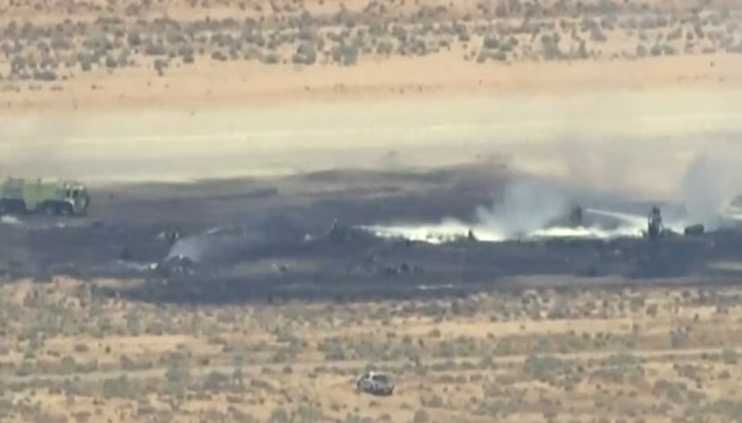
Smoke rises from a blackened part of Edwards Air Force Base after the crash of a U.S. Air Force B-52 bomber aircraft in Edwards The destroyed aircraft was part of a small group of test assets used to validate upgrades before they are integrated across the broader B-52 force.
For the Air Force, the loss extends beyond a single airframe. Test aircraft play a unique role in evaluating new systems and reducing technical risk before fleet-wide implementation.
(adsbygoogle = window.adsbygoogle || []).push({});Why The Incident Matters
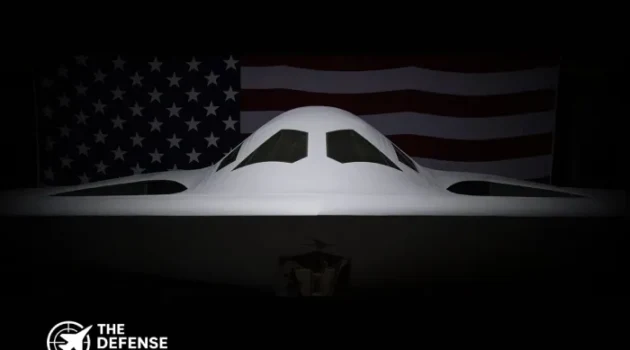
The B-52 remains one of the three pillars of America’s nuclear-capable bomber force alongside the B-2 Spirit and the emerging B-21 Raider.
Although the aircraft first entered service in the 1950s, it continues to perform long-range strike, deterrence, and conventional bombing missions worldwide. The Air Force plans to operate modernized B-52J variants into the 2050s, making current upgrade programs strategically important.
The crash comes at a time when the service is investing heavily in extending the aircraft’s relevance through new engines, radar systems, communications equipment, and digital architecture improvements.
From a defense modernization perspective, the accident highlights a recurring reality of military aviation development. Even proven aircraft can encounter significant risks when testing new technologies, flight configurations, or mission systems.
(adsbygoogle = window.adsbygoogle || []).push({});Edwards Air Force Base’s Role In Aerospace Development
Edwards Air Force Base has long served as the center of U.S. military flight testing.
Located in California’s Mojave Desert, the installation has supported generations of aerospace milestones, including experimental aircraft programs, fighter development, bomber testing, and advanced weapons integration.
Many of the Air Force’s most significant aviation programs have passed through Edwards before entering operational service.
As a result, accidents involving test aircraft at the base attract particular attention across the defense and aerospace communities because of the critical role Edwards plays in validating future military capabilities.
Following the crash, base officials temporarily suspended flight operations while emergency teams secured the area and investigators began examining the wreckage.
(adsbygoogle = window.adsbygoogle || []).push({});Investigation Now Underway
The U.S. Air Force has launched a formal investigation into the accident. Investigators will examine maintenance records, flight data, mission objectives, environmental conditions, and potential technical factors that may have contributed to the crash.
Officials have not released the identities of the victims pending notification of next of kin.
The investigation is expected to take months, a standard timeline for major military aviation accidents involving strategic aircraft.
Until preliminary findings are released, Air Force leaders are expected to focus on supporting affected families while preserving evidence needed to determine the cause.
(adsbygoogle = window.adsbygoogle || []).push({});Strategic Implications For The B-52 Fleet
The B-52 bomber crash is unlikely to alter the Air Force’s long-term commitment to the Stratofortress modernization program. However, it may lead to additional reviews of ongoing test activities and flight safety procedures connected to upgrade efforts.
The incident also underscores the continued importance of maintaining aging strategic aircraft while transitioning toward next-generation platforms such as the B-21 Raider.
As the Air Force balances modernization with operational readiness, the loss of a test aircraft and eight experienced personnel represents both a human tragedy and a significant setback for ongoing aerospace development efforts.