US Air Force Advances B-21 Raider Aerial Refueling Capability
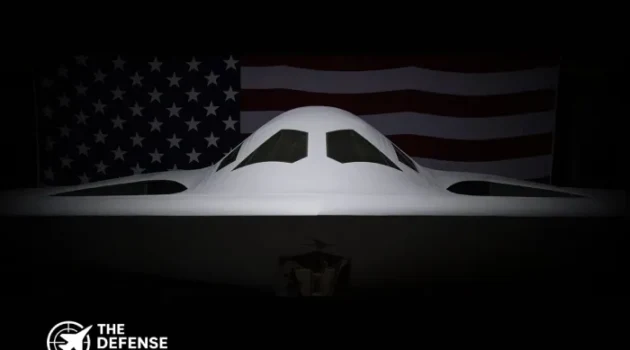
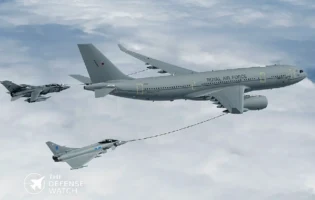
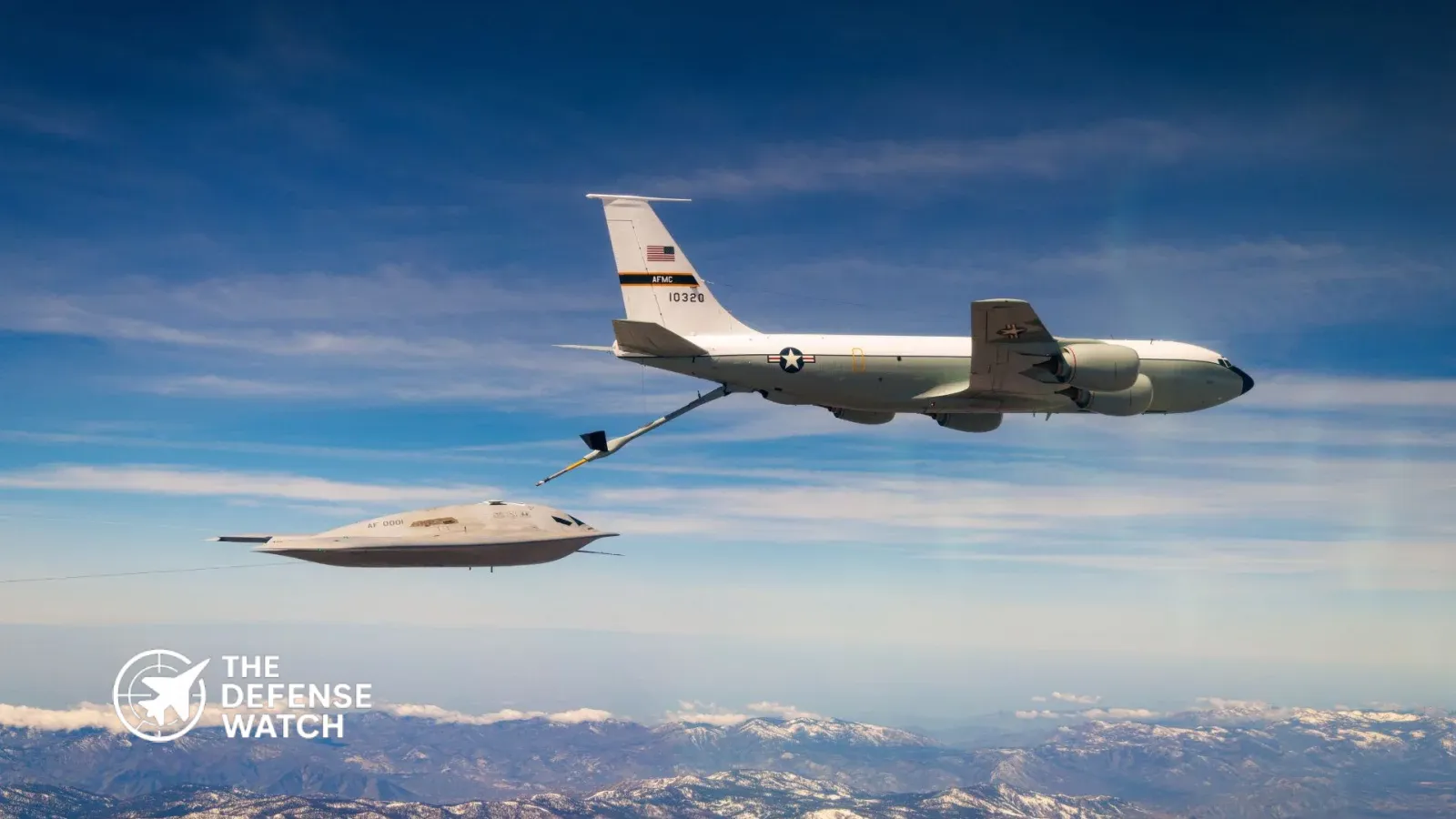
The B-21 Raider aerial refueling program has reached a critical milestone as the US Air Force completed its first in-flight refueling tests with the next-generation stealth bomber, significantly expanding its projected global strike reach.
The trials confirm that the B-21 can successfully integrate with existing aerial refueling infrastructure, a requirement for sustained long-range operations across contested theaters.
This development marks a key step toward operational readiness for the aircraft, which is expected to replace portions of the aging bomber fleet while enhancing survivability in high-threat environments.
- The US Air Force has conducted its first aerial refueling tests with the B-21 Raider stealth bomber.
- The tests validate the aircraft’s ability to extend range and endurance for global strike missions.
- The B-21 is designed to penetrate advanced air defenses and operate in contested environments.
- Aerial refueling integration is critical for the bomber’s operational deployment and nuclear mission readiness.
- The milestone supports the USAF’s broader modernization of its long-range strike and deterrence capabilities.
Extending Range for Global Strike Missions
Aerial refueling is central to the B-21’s mission profile. By enabling extended endurance, the bomber can conduct intercontinental missions without relying heavily on forward basing, a growing concern amid evolving geopolitical tensions.
The B-21 Raider aerial refueling capability allows the platform to remain airborne longer, increasing mission flexibility and reducing predictability, both critical in modern warfare scenarios.
The aircraft is designed to operate alongside tanker platforms such as the KC-46 Pegasus and KC-135 Stratotanker, ensuring compatibility with the Air Force’s existing logistics backbone.
From an operational standpoint, this integration enhances the United States’ ability to project power globally while maintaining a lower forward footprint, a strategic advantage in contested regions like the Indo-Pacific.
Supporting Stealth Penetration and Survivability
The B-21 Raider is engineered for deep penetration missions against advanced integrated air defense systems. Its stealth characteristics, combined with extended range through refueling, allow it to strike high-value targets without early detection.
The B-21 Raider aerial refueling milestone reinforces the aircraft’s role in penetrating heavily defended airspace, where access to forward bases may be limited or denied.
Unlike legacy bombers, the B-21 is expected to operate in highly contested environments from the outset, reflecting a shift in US doctrine toward survivability and resilience.
This also aligns with the Pentagon’s emphasis on distributed operations, where platforms must operate across vast distances while remaining adaptable to rapidly changing threat conditions.
Strategic Implications for Nuclear and Conventional Deterrence
The B-21 Raider will play a dual role in both conventional and nuclear missions, forming a core component of the US nuclear triad. Aerial refueling is essential for ensuring that the bomber can meet the endurance requirements of strategic deterrence patrols.
By validating the B-21 Raider aerial refueling capability, the Air Force moves closer to certifying the aircraft for nuclear operations, a process that requires rigorous testing and integration.
This capability also enhances deterrence credibility. A bomber that can reach targets globally without relying on vulnerable bases complicates adversary planning and increases strategic uncertainty.
In practical terms, it strengthens the United States’ ability to respond rapidly to crises while maintaining a persistent deterrent posture.
Program Progress and Modernization Context
The B-21 Raider program is one of the Air Force’s top modernization priorities, aimed at replacing older platforms such as the B-1B Lancer and B-2 Spirit over time.
The successful aerial refueling tests indicate steady progress in flight testing and system integration, suggesting that the program is moving closer to initial operational capability.
The B-21 Raider aerial refueling milestone also reflects broader efforts to modernize the US bomber fleet in response to evolving threats from near-peer competitors.
Defense analysts note that range, survivability, and flexibility are becoming increasingly important as adversaries invest in anti-access and area denial systems designed to limit US power projection.
Analysis: Why This Milestone Matters Now
This development is more than a routine test milestone. It highlights a broader shift in how the US Air Force plans to conduct long-range strike operations.
First, reliance on aerial refueling reduces dependence on overseas bases, many of which are within range of adversary missile systems. This lowers vulnerability and increases operational resilience.
Second, it reinforces the concept of dynamic force employment, where assets can be repositioned rapidly without fixed infrastructure constraints.
Third, it underscores the importance of integrating new platforms into existing support networks. The ability of the B-21 to seamlessly connect with current tanker fleets reduces the need for costly new infrastructure.
Finally, the timing is notable. As strategic competition intensifies, particularly in the Indo-Pacific and Europe, the ability to conduct long-range, survivable strike missions becomes a central pillar of deterrence.