Executive Summary:
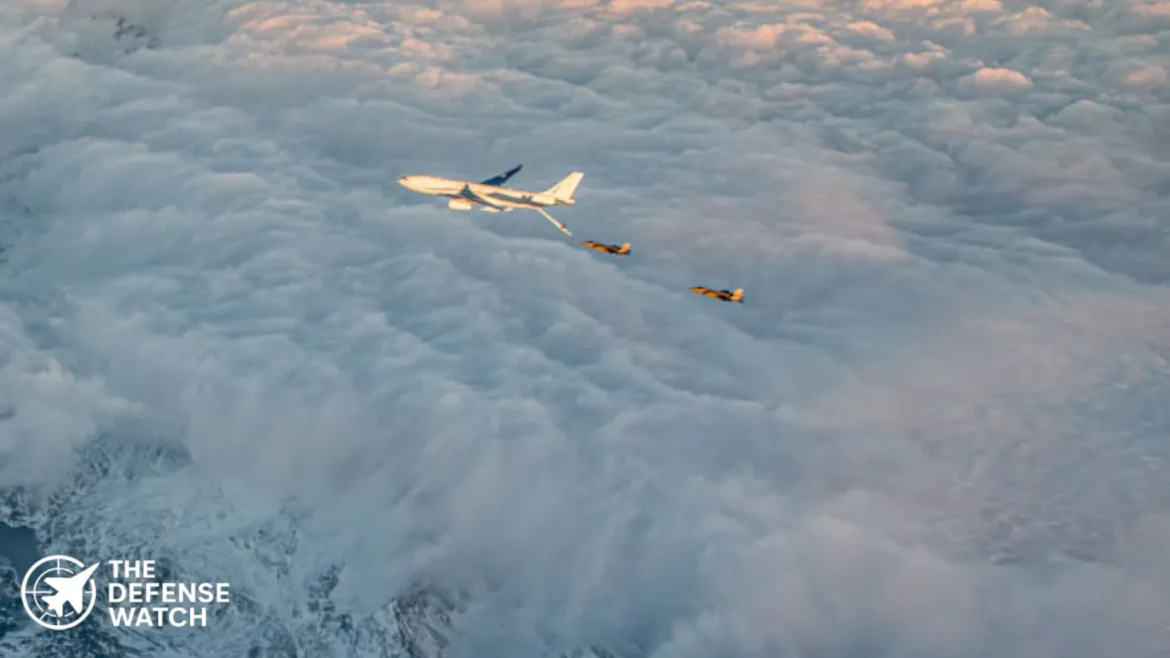
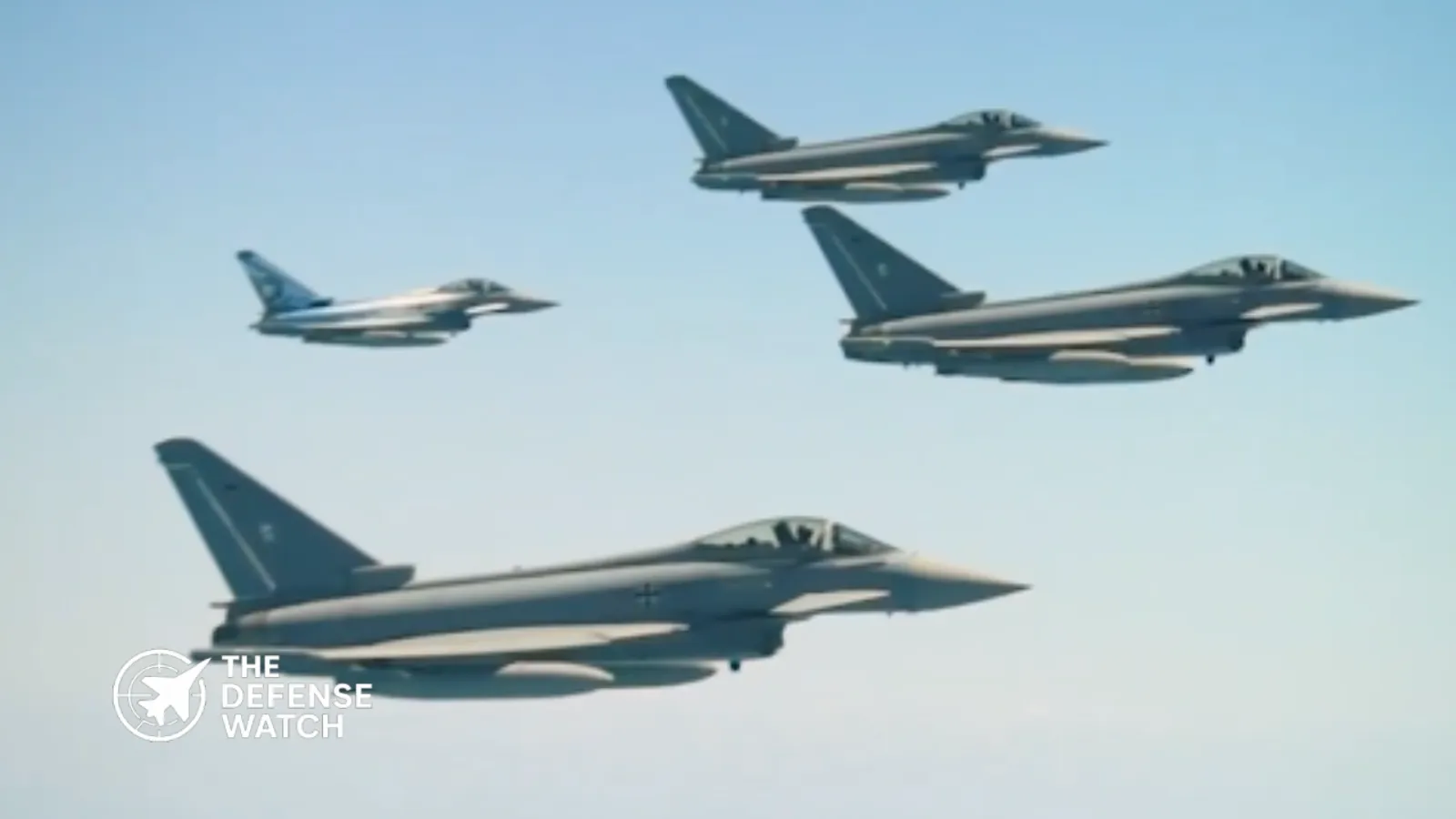
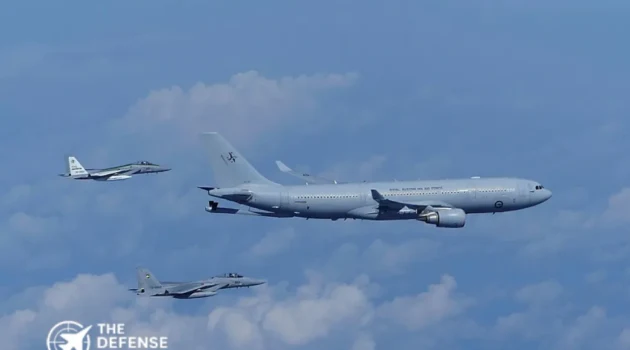
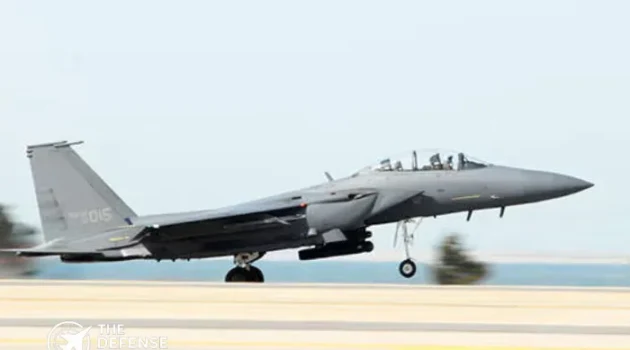
A Royal Australian Air Force KC-30A Multi-Role Tanker Transport delivered fuel to Indian Air Force Rafales, RAAF F/A-18F Super Hornets, Republic of Korea Air Force F-15Ks and German Air Force Eurofighter Typhoons during Exercise Pitch Black 2026. The operation, highlighted by the RAAF on 28 July 2026, demonstrated practical multinational aerial refueling interoperability among partner air forces operating from bases in northern Australia. The activity forms part of the biennial exercise running from 20 July to early August 2026, which brings together approximately 21 nations and up to 100 aircraft to strengthen collective readiness in the Indo-Pacific.
RAAF KC-30A Conducts Multinational Aerial Refueling at Pitch Black 2026
A Royal Australian Air Force KC-30A Multi-Role Tanker Transport successfully delivered fuel to Indian Air Force Rafales, RAAF Super Hornets, Republic of Korea Air Force F-15Ks and German Eurofighter Typhoons, the RAAF announced via official channels on 28 July 2026.
The mission occurred during Exercise Pitch Black 2026, the RAAF’s premier biennial air combat training event held primarily across RAAF Bases Darwin, Tindal and Amberley in Australia’s Northern Territory and Queensland. The exercise runs from 20 July to approximately 6–7 August 2026 and involves around 2,500 personnel from 21 nations with up to 100 aircraft.
Official RAAF statements describe the refueling as evidence of seamless multinational interoperability. The KC-30A, operated by No. 33 Squadron and based at RAAF Base Amberley, serves as both a tanker and strategic transport platform derived from the Airbus A330 airliner.
Exercise Pitch Black 2026 Context and Scale
Pitch Black 2026 ranks among the largest and most complex air combat exercises in the Indo-Pacific. It emphasizes large-force employment, day and night operations, and integration of fighters, tankers, airborne early warning, and airlift assets over one of the world’s largest military training areas.
Participating nations include Australia, the United States, Japan, India, the Republic of Korea, Germany, Spain, France, Singapore, Indonesia, the Philippines, Thailand and others, along with embedded personnel from additional partners. Aircraft types range from F-35A Lightning IIs and Super Hornets to Rafales, Typhoons, F-16s and supporting tankers such as the RAF Voyager, U.S. KC-135 and Multinational Multi-Role Tanker Transport Unit platforms.
Air-to-air refueling forms a core enabler. Tankers based at Amberley and Tindal extend the range and endurance of combat aircraft operating hundreds of kilometers from their temporary bases, allowing sustained training in realistic high-intensity scenarios.
Technical Capabilities of the KC-30A
The RAAF operates seven KC-30A aircraft. Each can carry more than 100 tonnes of fuel and offload substantial quantities while remaining on station for extended periods. The platform is equipped with an advanced aerial refueling boom system on the tail and two under-wing hose-and-drogue pods. An air refueling operator controls both systems from the cockpit using 2D and 3D displays.
This dual capability allows the KC-30A to service aircraft configured for boom refueling (common on many U.S. and allied types) and those using probe-and-drogue systems (standard on many European and some Asian fighters). Compatibility testing and certification with partner aircraft have expanded steadily in recent years, enabling the KC-30A to support a growing list of foreign receivers.
In previous iterations of Pitch Black and other multinational activities, RAAF tankers have refueled a wide range of allied platforms. The July 2026 mission with Indian Rafales, Korean F-15Ks and German Typhoons continues that progression.
Operational Implications for Indo-Pacific Interoperability
Aerial refueling interoperability is a practical measure of alliance readiness. In a theater as vast as the Indo-Pacific, the ability of partner aircraft to receive fuel from a common tanker fleet multiplies available combat power without requiring every nation to deploy its own tankers in equal numbers.
For the United States and its partners, such integration reduces logistical friction in potential coalition operations. Indian Rafales, already operating as part of a growing Indo-Pacific partnership, gain experience receiving fuel from a non-French tanker. Republic of Korea Air Force F-15Ks, long-range strike platforms, demonstrate the ability to sustain operations far from home bases. German Typhoons, deployed across significant distances, validate expeditionary procedures alongside regional partners.
The RAAF’s role as host and primary tanker provider positions Australia as a key enabler of collective air power. By concentrating tanker support at Amberley while combat operations occur over the Northern Territory, the exercise also tests distributed logistics and command-and-control arrangements that would be relevant in real-world contingencies.
From a technical standpoint, successful simultaneous or sequential refueling of disparate fighter types requires precise coordination of formation flying, radio procedures, fuel offload rates and emergency protocols. Achieving this across four different national air forces underscores the maturity of shared standards developed through repeated exercises.
Broader Strategic Context
Pitch Black occurs against a backdrop of heightened focus on Indo-Pacific security architecture. Regular large-scale air exercises build habits of cooperation that are difficult to generate in crisis. They also provide opportunities to identify and resolve technical or procedural gaps before they affect operations.
The KC-30A fleet itself continues mid-life upgrades and sustainment efforts to maintain high readiness. Australia’s investment in the platform, combined with its willingness to certify foreign aircraft, contributes directly to the region’s collective aerial refueling capacity.
As Pitch Black 2026 continues through early August, further combined missions are expected. The RAAF’s public highlighting of the multinational refueling event signals that practical interoperability remains a central objective of the exercise.
Executive Summary:
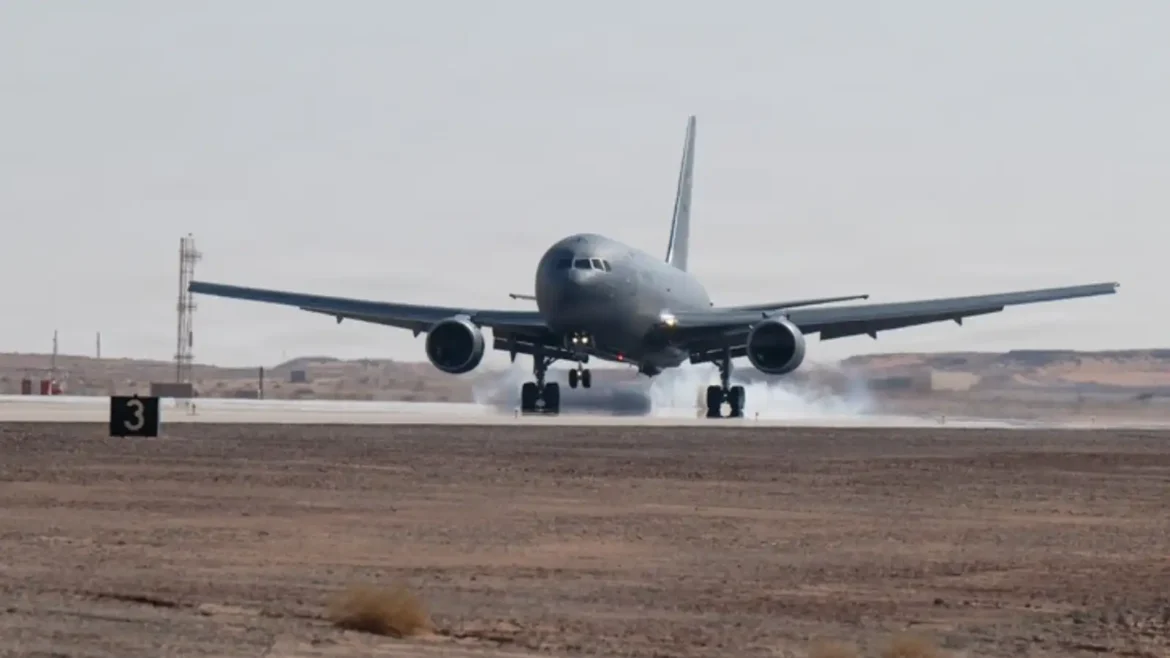
The U.S. Air Force has launched a long-term KC-46A readiness initiative aimed at increasing tanker aircraft availability by 20% by 2030. The effort focuses on sustainment, maintenance efficiency, and fleet modernization as aerial refueling demand expands across multiple theaters.
U.S. Air Force Launches KC-46A Readiness Initiative
The U.S. Air Force has introduced a new KC-46A readiness plan designed to improve operational availability of its growing aerial refueling fleet by 20% before the end of the decade. The initiative reflects increasing demand for tanker support across Indo-Pacific, European, and Middle Eastern operational environments.
The effort centers on sustainment reform, predictive maintenance, supply chain optimization, and stronger coordination between the Air Force and industry partners.
The KC-46A Pegasus, developed by Boeing, is intended to gradually replace portions of the aging KC-135 Stratotanker fleet while expanding modern aerial refueling capabilities for joint and allied operations.
Why The KC-46A Fleet Matters
The KC-46A has become one of the Air Force’s most strategically important aviation programs. Modern U.S. military operations depend heavily on aerial refueling to sustain long-range fighter patrols, bomber deployments, intelligence missions, and rapid force projection.
As tensions continue to rise in the Indo-Pacific region and Europe, tanker aircraft availability has become increasingly critical. The Air Force has repeatedly identified aerial refueling capacity as a major enabler for distributed combat operations and long-range deterrence missions.
The new readiness plan appears designed not only to improve aircraft availability rates, but also to reduce maintenance bottlenecks that have affected fleet performance during the platform’s early operational years.
Sustainment And Maintenance Reforms
The KC-46A readiness plan reportedly includes several operational improvements focused on increasing aircraft mission-capable rates.
These measures include:
- Expanded predictive maintenance tools
- Improved spare parts availability
- Reduced depot maintenance delays
- Streamlined logistics coordination
- Enhanced digital sustainment systems
The Air Force is also expected to increase data-driven maintenance planning to reduce unplanned downtime and improve sortie generation rates.

Image : U.S. Air Force This approach mirrors broader Pentagon-wide efforts to modernize aircraft sustainment using digital logistics management and condition-based maintenance technologies.
KC-46A Program Continues To Mature
The KC-46A program has experienced a difficult development path since its initial contract award. The aircraft faced years of technical deficiencies involving its Remote Vision System (RVS), refueling boom performance, and other operational systems.
However, the platform has gradually expanded operational deployments while supporting real-world missions for U.S. and allied forces.
The tanker is capable of refueling a wide range of aircraft, including:
- F-35 Lightning II
- F-22 Raptor
- B-52 Stratofortress
- C-17 Globemaster III
- Allied NATO aircraft
The aircraft also provides cargo transport, aeromedical evacuation, and command-and-control support capabilities.
The Air Force continues working with Boeing on the upgraded Remote Vision System 2.0, which remains one of the most important remaining modernization efforts for the platform.
Strategic Pressure Driving Tanker Modernization
The KC-46A readiness initiative comes as the Air Force faces growing operational pressure in multiple regions simultaneously.
In the Indo-Pacific, tanker aircraft are considered essential for sustaining combat aircraft over long distances where forward basing options may be limited during a conflict scenario involving China.
In Europe, NATO air operations supporting deterrence missions against Russia have increased demand for aerial refueling support since the outbreak of the Ukraine war.
At the same time, Middle East operations continue requiring persistent tanker support for surveillance, strike coordination, and regional force protection missions.
This operational environment is forcing the Air Force to maximize availability across its tanker inventory while accelerating modernization of aging fleets.
Industrial And Budget Implications
The readiness initiative may also carry significant implications for defense industry sustainment contracts over the coming years.
Improving fleet readiness often requires expanded partnerships between the Air Force, aircraft manufacturers, and logistics suppliers. Boeing and associated contractors are expected to remain heavily involved in sustainment optimization efforts tied to the KC-46A program.
The Air Force has already accepted dozens of KC-46A aircraft and plans to continue expanding the fleet under existing procurement schedules.
Despite earlier technical setbacks, the service continues treating the Pegasus as the backbone of its future aerial refueling architecture.
Operational Analysis
The Air Force’s decision to prioritize KC-46A readiness highlights a broader shift in Pentagon planning toward sustainment resilience rather than purely platform acquisition.
Aircraft availability rates increasingly matter as much as fleet size. A tanker fleet with low mission-capable rates can significantly reduce combat airpower projection during high-tempo operations.
The 20% availability target by 2030 suggests the Air Force is attempting to address readiness concerns before the KC-46A becomes fully central to U.S. global tanker operations.
The initiative also reflects lessons learned from recent operational demands, where logistics and sustainment capacity have become major strategic factors in prolonged military deployments.
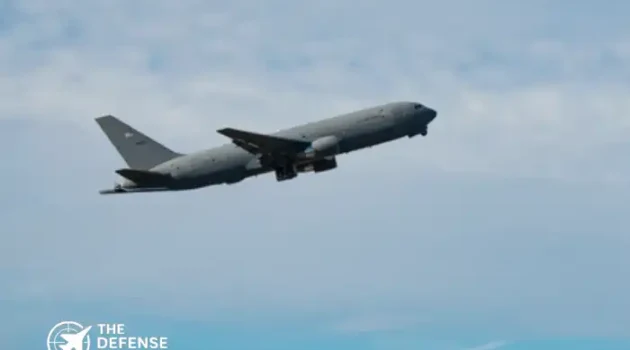
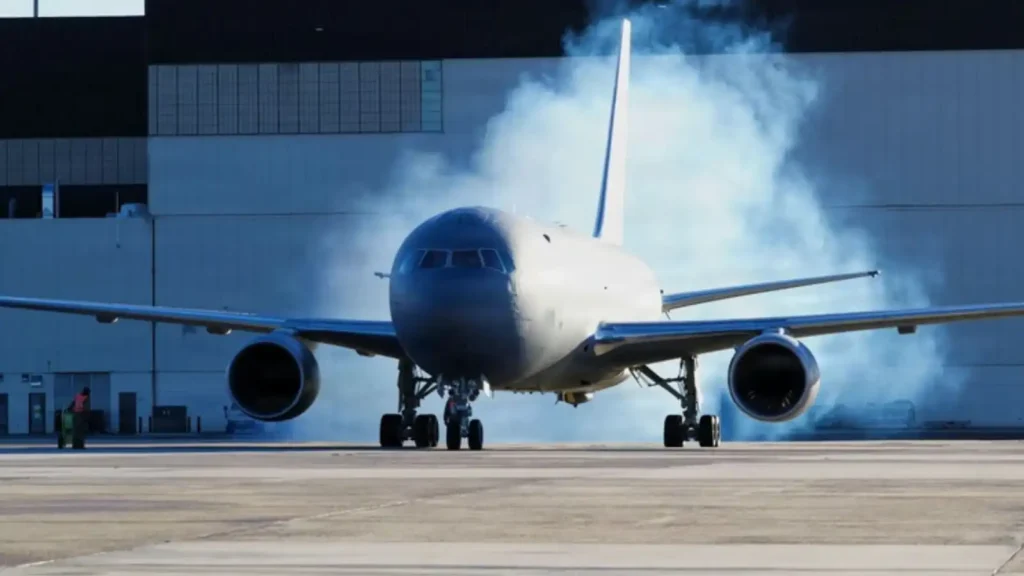
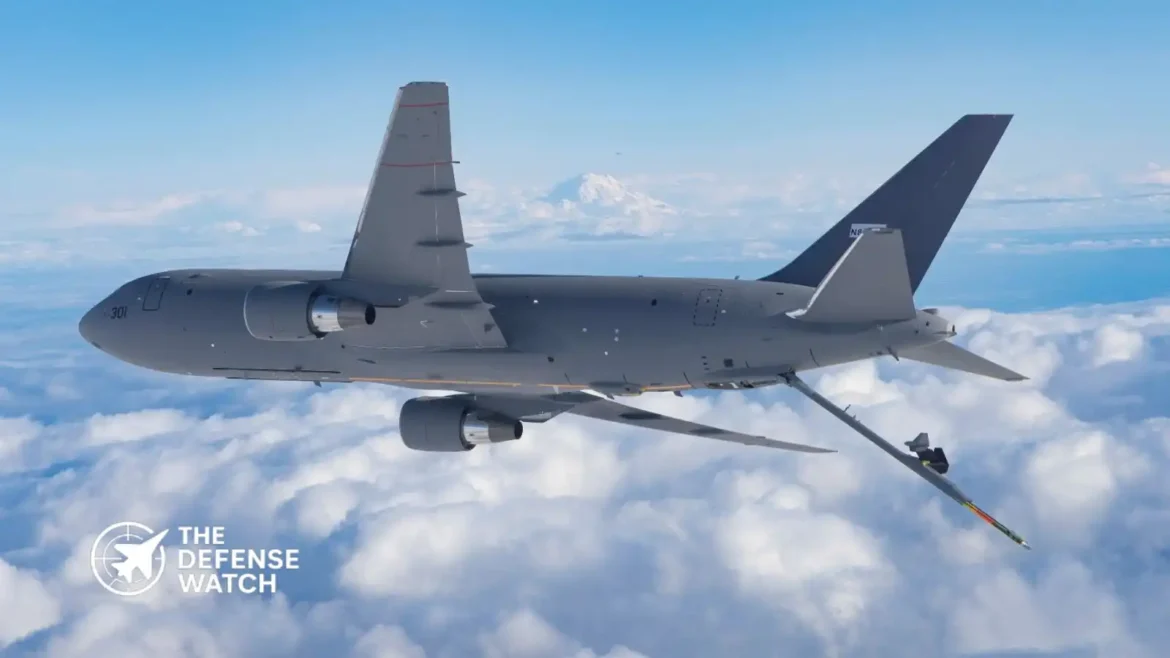
Executive Summary: The first Boeing KC-46A Pegasus, designated “Gideon” in Israeli service, successfully conducted its maiden sortie on May 5, 2026. This milestone marks a critical phase in the Israeli Air Force’s (IAF) efforts to replace its vintage KC-707 tankers and extend the operational reach of its strike groups amid escalating regional tensions.
Strategic Integration and Flight Testing
The inaugural flight, conducted at Boeing’s airfield in the United States, represents the first of six aircraft currently on order for the IAF. This maiden sortie validates the integration of Israeli-specific mission systems—including advanced indigenous electronic warfare (EW) suites and communication arrays—onto the standard 767-2C airframe.
The Israeli Ministry of Defense (MoD) confirmed that the aircraft is scheduled for delivery within one month, following final acceptance trials. The “Gideon” will serve as the backbone of Israel’s long-range logistics, providing the fuel capacity and defensive systems necessary for operations far beyond the nation’s borders.
Technical Comparison: Legacy vs. Next-Generation
The transition from the converted Boeing 707 (Re’em) to the KC-46A represents a generational leap in survivability and mission flexibility.
Enhanced Capabilities for the 21st Century
The KC-46A offers several force-multiplier advantages that the aging KC-707 and KC-130H fleets cannot match:
- Multi-Platform Compatibility: The “Gideon” is equipped with both the fly-by-wire refueling boom and the hose-and-drogue wing aerial refueling pods, allowing it to service the F-35I Adir, F-15IA, and various rotary-wing assets in a single mission.
- Survivability Suites: Unlike commercial conversions, the KC-46 is hardened against electromagnetic pulses (EMP) and features chemical-biological protection and advanced infrared countermeasures.
- Tactical Data Links: Integrated networking allows the tanker to act as a high-altitude data relay, bridging communications between fifth-generation fighters and ground command.
- Aeromedical Evacuation: The aircraft can be rapidly reconfigured to transport 54 passengers or 58 patients in a medevac role.
Strategic Context: Regional Deterrence
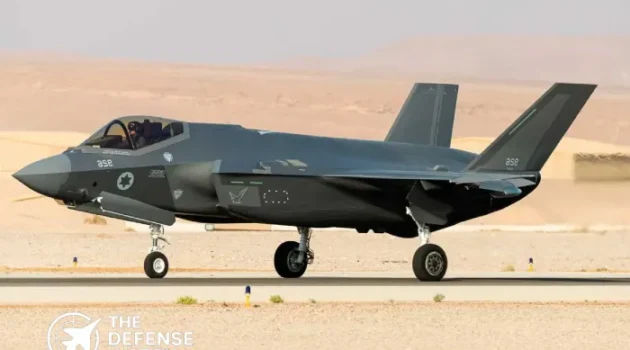
The maiden flight of the KC-46 occurs concurrently with the Israeli Ministerial Committee on Procurement’s approval to acquire two additional fighter squadrons: a fourth F-35I squadron and a second F-15IA (based on the F-15EX) squadron.
With an aging fleet of 13 primary tankers—many averaging nearly 50 years of service—the IAF’s long-range strike capability has faced increasing maintenance pressure. The introduction of the “Gideon” is widely viewed by defense analysts as a prerequisite for any potential long-range operations against hardened targets in the “Third Circle” (Iran). By significantly increasing the fuel offload available at distance, the KC-46 ensures that Israel’s fleet of 48 F-35I and 88 F-15 variants can maintain a persistent presence over distant theaters of operation.
Procurement Outlook
The US Government approved the sale of up to eight KC-46s in 2020, with Israel so far firming orders for six. The total value of the initial acquisition is estimated at $1.2 billion, funded primarily through Foreign Military Financing (FMF). Following the delivery of the first unit in June 2026, the remaining five aircraft are expected to be delivered through 2028, facilitating the phased retirement of the remaining KC-707 airframes.
US Air Force Advances B-21 Raider Aerial Refueling Capability
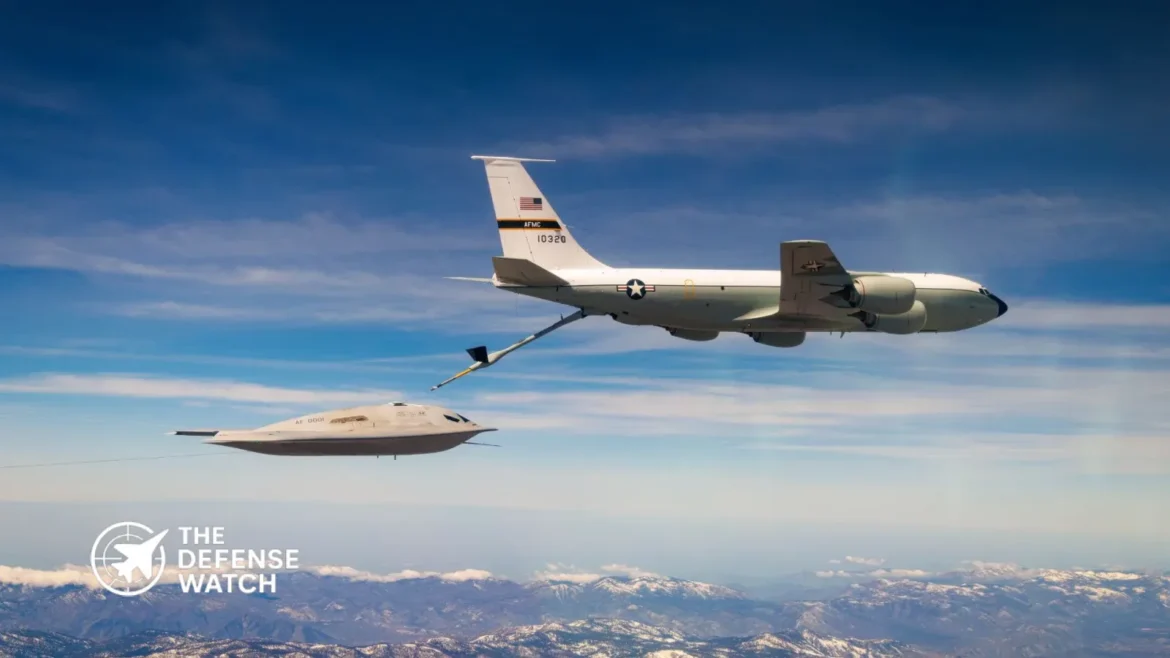
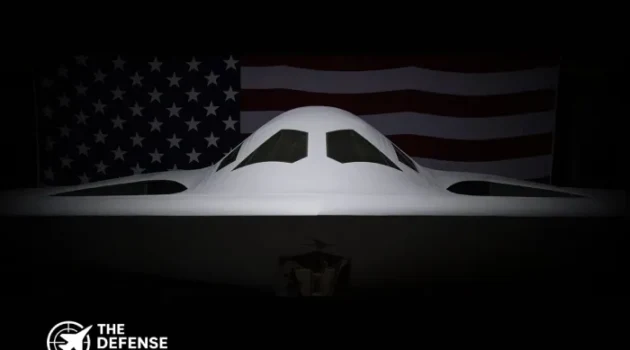
The B-21 Raider aerial refueling program has reached a critical milestone as the US Air Force completed its first in-flight refueling tests with the next-generation stealth bomber, significantly expanding its projected global strike reach.
The trials confirm that the B-21 can successfully integrate with existing aerial refueling infrastructure, a requirement for sustained long-range operations across contested theaters.
This development marks a key step toward operational readiness for the aircraft, which is expected to replace portions of the aging bomber fleet while enhancing survivability in high-threat environments.
- The US Air Force has conducted its first aerial refueling tests with the B-21 Raider stealth bomber.
- The tests validate the aircraft’s ability to extend range and endurance for global strike missions.
- The B-21 is designed to penetrate advanced air defenses and operate in contested environments.
- Aerial refueling integration is critical for the bomber’s operational deployment and nuclear mission readiness.
- The milestone supports the USAF’s broader modernization of its long-range strike and deterrence capabilities.
Extending Range for Global Strike Missions
Aerial refueling is central to the B-21’s mission profile. By enabling extended endurance, the bomber can conduct intercontinental missions without relying heavily on forward basing, a growing concern amid evolving geopolitical tensions.
The B-21 Raider aerial refueling capability allows the platform to remain airborne longer, increasing mission flexibility and reducing predictability, both critical in modern warfare scenarios.
The aircraft is designed to operate alongside tanker platforms such as the KC-46 Pegasus and KC-135 Stratotanker, ensuring compatibility with the Air Force’s existing logistics backbone.
From an operational standpoint, this integration enhances the United States’ ability to project power globally while maintaining a lower forward footprint, a strategic advantage in contested regions like the Indo-Pacific.
Supporting Stealth Penetration and Survivability
The B-21 Raider is engineered for deep penetration missions against advanced integrated air defense systems. Its stealth characteristics, combined with extended range through refueling, allow it to strike high-value targets without early detection.
The B-21 Raider aerial refueling milestone reinforces the aircraft’s role in penetrating heavily defended airspace, where access to forward bases may be limited or denied.
Unlike legacy bombers, the B-21 is expected to operate in highly contested environments from the outset, reflecting a shift in US doctrine toward survivability and resilience.
This also aligns with the Pentagon’s emphasis on distributed operations, where platforms must operate across vast distances while remaining adaptable to rapidly changing threat conditions.
Strategic Implications for Nuclear and Conventional Deterrence
The B-21 Raider will play a dual role in both conventional and nuclear missions, forming a core component of the US nuclear triad. Aerial refueling is essential for ensuring that the bomber can meet the endurance requirements of strategic deterrence patrols.
By validating the B-21 Raider aerial refueling capability, the Air Force moves closer to certifying the aircraft for nuclear operations, a process that requires rigorous testing and integration.
This capability also enhances deterrence credibility. A bomber that can reach targets globally without relying on vulnerable bases complicates adversary planning and increases strategic uncertainty.
In practical terms, it strengthens the United States’ ability to respond rapidly to crises while maintaining a persistent deterrent posture.
Program Progress and Modernization Context
The B-21 Raider program is one of the Air Force’s top modernization priorities, aimed at replacing older platforms such as the B-1B Lancer and B-2 Spirit over time.
The successful aerial refueling tests indicate steady progress in flight testing and system integration, suggesting that the program is moving closer to initial operational capability.
The B-21 Raider aerial refueling milestone also reflects broader efforts to modernize the US bomber fleet in response to evolving threats from near-peer competitors.
Defense analysts note that range, survivability, and flexibility are becoming increasingly important as adversaries invest in anti-access and area denial systems designed to limit US power projection.
Analysis: Why This Milestone Matters Now
This development is more than a routine test milestone. It highlights a broader shift in how the US Air Force plans to conduct long-range strike operations.
First, reliance on aerial refueling reduces dependence on overseas bases, many of which are within range of adversary missile systems. This lowers vulnerability and increases operational resilience.
Second, it reinforces the concept of dynamic force employment, where assets can be repositioned rapidly without fixed infrastructure constraints.
Third, it underscores the importance of integrating new platforms into existing support networks. The ability of the B-21 to seamlessly connect with current tanker fleets reduces the need for costly new infrastructure.
Finally, the timing is notable. As strategic competition intensifies, particularly in the Indo-Pacific and Europe, the ability to conduct long-range, survivable strike missions becomes a central pillar of deterrence.
U.S. Marines Demonstrate CH-53E Refueling Test Under Combat Conditions
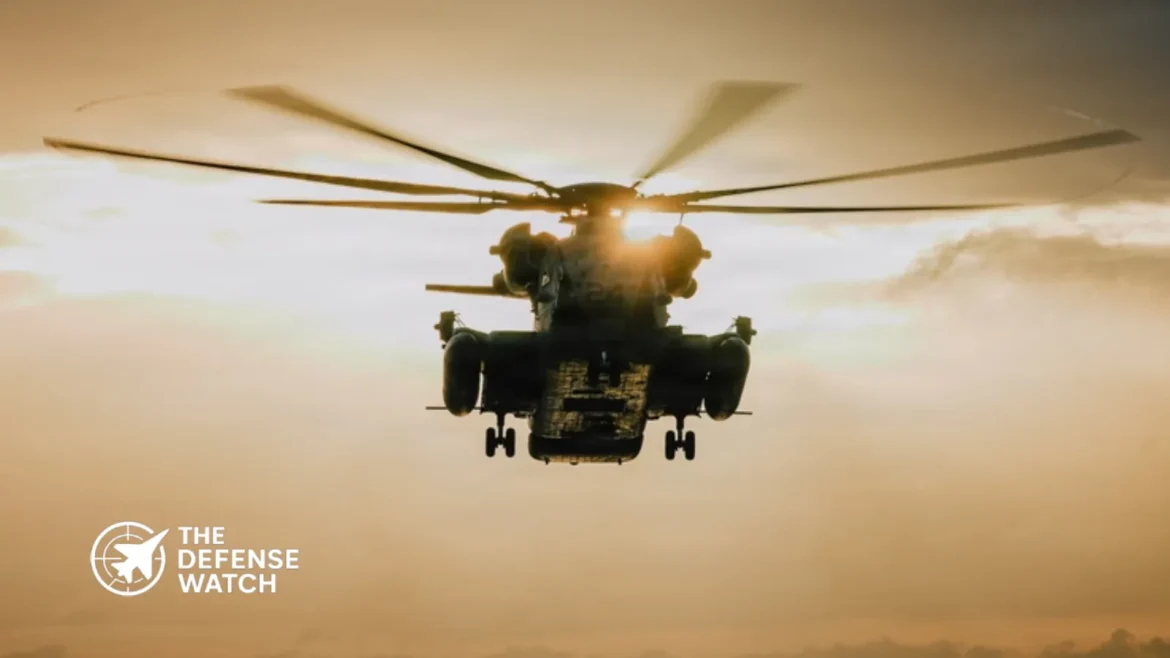
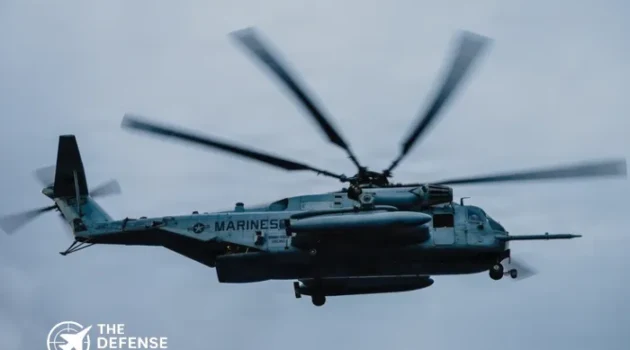
The CH-53E refueling test conducted by the U.S. Marine Corps marks a significant step in expanding heavy-lift aviation capability under realistic combat conditions. According to reporting by Army Recognition, Marines successfully executed aerial refueling while the CH-53E Super Stallion was simultaneously transporting two external vehicles, a complex maneuver rarely demonstrated at this scale.
This dual-operation test reflects a growing focus on operational endurance and logistics flexibility, especially in contested environments where traditional supply chains may be disrupted.
The ability to refuel mid-air while carrying heavy external loads directly enhances mission range, persistence, and survivability.
- U.S. Marines tested CH-53E aerial refueling while carrying two vehicles simultaneously.
- The exercise combined heavy-lift operations with extended-range refueling in a single mission.
- CH-53E Super Stallion is capable of lifting over 16 tons of cargo in external load operations.
- The test highlights expeditionary logistics capabilities under contested combat scenarios.
- The demonstration supports Marine Corps efforts to enhance mobility across dispersed battlefields.
Combining Heavy Lift And Aerial Refueling In One Mission
The CH-53E Super Stallion is already one of the most capable heavy-lift helicopters in the U.S. inventory. However, integrating aerial refueling into a live lift scenario introduces new operational complexity.
During the test, the helicopter maintained stability while connected to a tanker aircraft, all while managing the aerodynamic and weight challenges of carrying two vehicles via external sling loads.
This is not a routine task. External loads create drag and instability, which are further complicated during refueling due to precise positioning requirements.
By successfully completing this maneuver, Marine aviation units demonstrated improved coordination between aircrew, refueling assets, and ground logistics elements.
Operational Impact In Contested Environments
The CH-53E refueling test directly supports the Marine Corps’ evolving expeditionary doctrine, particularly concepts like Expeditionary Advanced Base Operations, often referred to as EABO.
In such scenarios, forces are expected to operate across dispersed and austere locations with limited infrastructure. Helicopters must deliver equipment, vehicles, and supplies over long distances without relying on fixed bases.
Aerial refueling enables:
- Extended mission range without landing
- Reduced vulnerability to ground threats
- Faster repositioning of combat assets
- Sustained operations in denied environments
This capability is especially relevant in the Indo-Pacific theater, where vast distances and limited basing options pose logistical challenges.
Why The CH-53E Still Matters Despite New Platforms
While the newer CH-53K King Stallion is gradually entering service, the CH-53E remains a critical platform in current Marine aviation operations.
The CH-53E refueling test underscores that legacy systems can still deliver advanced capabilities when paired with modern tactics and integration.
With a lifting capacity exceeding 16 tons and proven reliability, the CH-53E continues to play a vital role in:
- Amphibious operations
- Rapid troop and vehicle deployment
- Disaster response and humanitarian missions
Upgrades and training enhancements allow the platform to remain relevant even as next-generation systems are fielded.
Strategic Messaging And Readiness Signal
Beyond the technical achievement, the test sends a broader signal about U.S. military readiness.
Demonstrating the ability to sustain heavy-lift operations over extended distances shows that Marine forces can maintain operational tempo even under pressure.
It also reinforces interoperability between aviation units and aerial refueling assets, a key requirement for joint operations with the U.S. Air Force and Navy.
According to Army Recognition, the test aligns with ongoing efforts to refine combat logistics and improve responsiveness in high-threat environments.
Analysis: Closing The Logistics Gap In Modern Warfare
Modern warfare is increasingly defined by mobility and sustainment rather than just firepower.
The CH-53E refueling test highlights a shift toward resilient logistics, where forces must operate independently and adapt quickly to changing battlefield conditions.
Historically, logistics chains have been a vulnerability. Fixed supply points can be targeted, and long ground convoys are exposed to threats.
Aerial refueling combined with heavy lift changes that equation. It allows forces to bypass traditional choke points and maintain momentum.
This capability becomes even more critical in scenarios involving peer adversaries, where contested airspace and anti-access strategies could limit traditional resupply options.
In that context, the ability to move vehicles and equipment over long distances without landing is not just a tactical advantage, it is a strategic necessity.
- The U.S. Air Force will not approve a follow-on contract for 75 KC-46 tankers until Boeing resolves existing deficiencies.
- Key issues include problems with the aircraft’s refueling boom and remote vision system used by boom operators.
- More than 100 KC-46 aircraft have already been delivered under the current procurement program.
- A decision on the next tanker procurement contract is expected in roughly two years.
- The tanker program is central to replacing aging KC-135 aircraft built in the 1950s and 1960s.
USAF Delays New KC-46 Tanker Orders Until Boeing Fixes Ongoing Problems
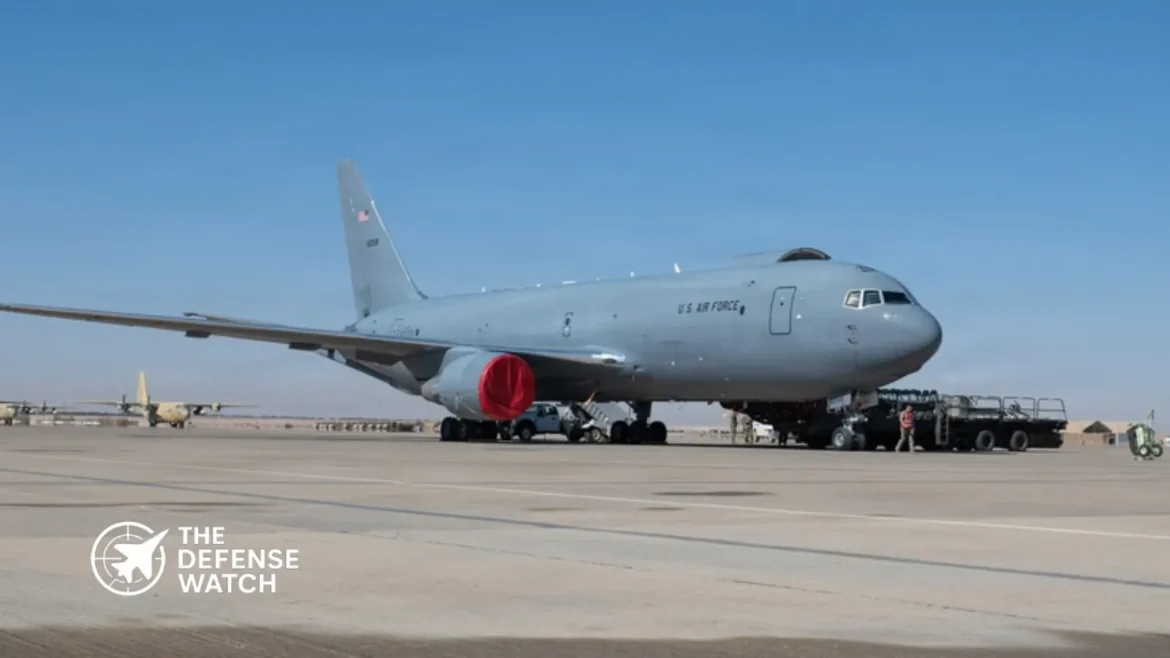
The KC-46 tanker program faces renewed scrutiny after U.S. Air Force leadership said Boeing must resolve persistent aircraft deficiencies before the service approves another major procurement order. Air Force officials told lawmakers that technical issues with the KC-46 Pegasus, particularly involving the refueling boom and remote vision system, must be fixed before the Pentagon moves forward with a potential purchase of 75 additional tankers. The warning highlights ongoing challenges in one of the Air Force’s most important modernization programs, which aims to replace aging KC-135 aircraft that have supported U.S. global air operations for decades.
The Big Picture
The KC-46 tanker program sits at the center of the U.S. Air Force’s long-term aerial refueling modernization effort.
Aerial refueling aircraft extend the operational range of fighters, bombers, and surveillance aircraft. They allow U.S. forces to project power across global theaters without relying heavily on forward bases. That capability has become increasingly critical as the Pentagon prepares for potential high-end conflicts, particularly in the Indo-Pacific.
The Air Force plans to replace large portions of its aging tanker fleet, including the KC-135 Stratotanker, many of which entered service more than six decades ago. The KC-46 Pegasus, built by Boeing and derived from the commercial 767 platform, represents the first step in that replacement strategy.
However, persistent technical issues have complicated the program and slowed the transition.
What’s Happening
A senior U.S. Air Force official recently told lawmakers that Boeing must resolve ongoing KC-46 tanker problems before the service approves a new order of 75 aircraft.
Speaking during a Senate Armed Services Committee hearing, Air Force Vice Chief of Staff Gen. John Lamontagne said the service is still working through several deficiencies with the contractor.
The Air Force has already ordered 183 KC-46 tankers, and more than 100 aircraft have been delivered so far.
Despite that progress, unresolved issues continue to affect the aircraft’s performance and operational reliability. The most notable problems involve:
- The refueling boom, which transfers fuel to receiving aircraft
- The remote vision system, a camera-based system used by the boom operator to guide refueling
Last year, the Air Force also temporarily paused tanker deliveries after cracks were discovered in several newly built aircraft awaiting delivery.
According to Lamontagne, a decision on a new procurement contract could come within the next two years, assuming the problems are successfully addressed.
Why It Matters
The KC-46 tanker program is one of the most important aviation modernization efforts within the U.S. Air Force.
Aerial refueling capability underpins nearly every U.S. military air operation. Fighters rely on tankers to conduct long-range strike missions. Strategic bombers require refueling to reach targets across continents. Surveillance aircraft depend on tankers to maintain persistent intelligence coverage.
Without reliable tanker aircraft, the operational reach of U.S. airpower would shrink dramatically.
That is why delays in the KC-46 program carry strategic consequences. Every year the new tanker remains constrained by technical issues, the Air Force must rely more heavily on its KC-135 fleet, many of which were built during the Cold War.
The Air Force originally expected the KC-46 to become the backbone of its tanker fleet by the mid-2020s. Continued technical fixes have pushed that timeline further out.
Strategic Implications
The KC-46 program affects the United States’ ability to sustain global air operations across multiple theaters simultaneously.
In the Indo-Pacific, aerial refueling aircraft are essential for operating fighters over vast ocean distances. U.S. bases in the region are limited and vulnerable, which means aircraft often need tanker support to operate effectively.
The same logic applies to NATO operations in Europe and U.S. missions in the Middle East.
Flight records show that KC-46 tankers have already supported U.S. strike operations against Iran, demonstrating the aircraft’s growing operational role despite its development challenges.
However, the Air Force remains cautious about expanding procurement until the platform achieves full reliability.
A delay in the next KC-46 order could slow the retirement of older tanker aircraft and complicate long-term force planning.
Competitor View
Strategic competitors closely watch U.S. tanker modernization programs because aerial refueling directly affects power projection.
China has invested heavily in developing its own tanker fleet, including variants of the Y-20 aerial refueling aircraft, to support long-range fighter operations in the Pacific.
Russia also relies heavily on tanker aircraft to support strategic bomber patrols and long-distance aviation missions.
If the United States experiences prolonged delays in replacing its Cold War-era tankers, competitors may view it as a temporary constraint on U.S. global air operations.
However, the broader scale and experience of the U.S. tanker fleet still far exceeds those of its rivals.
What To Watch Next
Several developments will determine how quickly the KC-46 program stabilizes.
Key milestones include:
- Completion of upgrades to the aircraft’s remote vision system, which improves visibility for boom operators
- Resolution of mechanical issues affecting the refueling boom
- Continued aircraft deliveries planned for 2026
Boeing delivered 14 tankers in 2025 and plans to deliver 19 in 2026 as the company works to stabilize production.
The contractor has also absorbed significant financial losses on the program due to its fixed-price contract structure. Boeing has reported more than $7 billion in losses tied to the KC-46 effort.
Future bids for additional tankers are likely to reflect revised pricing structures.
Capability Gap
The KC-46 program aims to address a major structural gap in U.S. air mobility.
The Air Force still operates hundreds of KC-135 Stratotankers, many built between the late 1950s and early 1960s. While these aircraft have undergone multiple upgrades, their age increases maintenance demands and limits long-term viability.
The Pegasus tanker introduces several modern capabilities:
- Advanced defensive systems
- Greater cargo and medical evacuation capacity
- Digital refueling systems and improved avionics
However, unresolved technical issues have slowed the full realization of those capabilities.
Until the KC-46 reaches full operational maturity, the Air Force must continue balancing modernization goals with the realities of sustaining older aircraft.
The Bottom Line
The U.S. Air Force will move forward with additional KC-46 tankers only after Boeing demonstrates that the aircraft’s long-standing technical issues are fully resolved.

- A US Air Force KC-135 Stratotanker crashed in western Iraq on March 12, 2026 while supporting Operation Epic Fury.
- US Central Command confirmed two aircraft were involved in the incident, with one tanker lost and another landing safely.
- Officials stated the crash occurred in friendly airspace and was not caused by hostile or friendly fire.
- Search and rescue operations were launched for the crew as the Pentagon investigates the cause of the incident.
- The loss highlights the operational risks facing aerial refueling forces supporting high tempo combat operations.
KC-135 Tanker Crash In Iraq
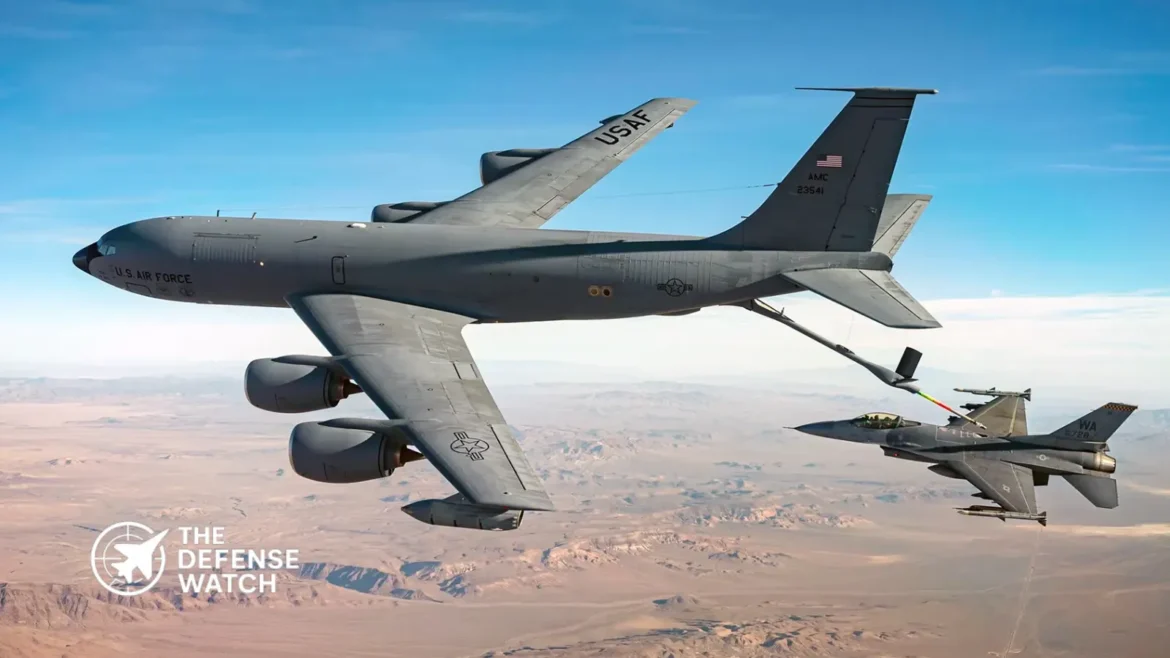
The KC-135 tanker crash in Iraq occurred on March 12, 2026 when a US Air Force aerial refueling aircraft supporting Operation Epic Fury went down in western Iraq during a mission linked to ongoing military operations against Iran.
US Central Command confirmed that two aircraft were involved in the incident and that one KC-135 Stratotanker was lost while the second aircraft landed safely. Officials emphasized the crash took place in friendly airspace and was not caused by hostile or friendly fire. Rescue efforts were launched to locate the crew while investigators began assessing what led to the accident.
The Big Picture
The KC-135 tanker crash in Iraq comes during an intense phase of US air operations in the Middle East tied to the broader campaign against Iran. Operation Epic Fury has involved large scale deployments of US aircraft, naval assets, and personnel across the region.
Aerial refueling aircraft are a central component of these operations. Tankers allow strike fighters, bombers, surveillance aircraft, and electronic warfare platforms to remain airborne for extended periods, enabling long range missions and sustained combat sorties.
The US Air Force relies heavily on the KC-135 fleet for this mission. First introduced in the late 1950s, the aircraft remains one of the backbone platforms of US aerial refueling operations, supporting combat missions across multiple theaters worldwide.
High sortie rates during large scale operations place significant demands on tanker units. Aircraft must often fly multiple missions per day while coordinating with numerous receivers such as fighters and bombers operating across wide geographic areas.
What’s Happening
US Central Command confirmed that the tanker crash occurred during a sortie connected to Operation Epic Fury.
Officials stated that:
Two aircraft were involved in the incident.
One KC-135 tanker went down in western Iraq.
The second aircraft landed safely after the event.Initial statements from CENTCOM stressed that the accident did not result from hostile action or friendly fire.
Authorities have not publicly disclosed the precise cause of the incident. Search and rescue operations were initiated shortly after the crash as military officials worked to locate and recover the crew.
The KC-135 typically carries multiple crew members depending on mission configuration, including pilots and a boom operator responsible for controlling the refueling system.
Why It Matters
The KC-135 tanker crash in Iraq highlights the operational importance and inherent risk associated with aerial refueling missions.
Mid air refueling remains one of the most complex and demanding tasks in military aviation. Tankers must maintain extremely precise flight paths while receiver aircraft maneuver within close proximity to connect to the refueling boom.
These operations frequently occur at night, over long distances, and in congested operational environments involving multiple aircraft.
During high intensity campaigns such as Operation Epic Fury, the number of refueling sorties increases dramatically. Tankers become essential enablers for combat aircraft conducting strike missions, intelligence flights, and air defense patrols.
A loss of a tanker aircraft therefore represents more than an aviation accident. It directly affects operational capacity and sortie generation across the entire air campaign.
Strategic Implications
Aerial refueling assets represent one of the most critical enablers of US global airpower. Tankers extend the reach of combat aircraft and allow the United States to project force far beyond the range of forward bases.
Operations connected to the conflict with Iran rely heavily on this capability. Fighters and bombers often operate from distant bases or aircraft carriers, requiring multiple refueling cycles to complete long range strike missions.
The KC-135 tanker crash in Iraq therefore underscores the central role these aircraft play in sustaining US air operations in the Middle East.
Even a single aircraft loss can temporarily reduce available refueling capacity, particularly during periods of sustained combat operations.
The incident also highlights the logistical complexity of modern air campaigns. Tanker scheduling, airspace management, and mission coordination must function seamlessly to support dozens of aircraft operating simultaneously across large regions.
Competitor View
Strategic competitors will closely monitor operational incidents such as the KC-135 tanker crash in Iraq.
Iran and allied regional militias are likely to examine the event for indications of operational strain within the US air campaign. Even accidents unrelated to hostile action can influence perceptions of operational sustainability.
Russia and China also track US tanker operations closely. Both countries have invested heavily in long range strike capabilities and aerial refueling fleets to replicate similar expeditionary airpower capabilities.
Operational mishaps therefore provide insight into the complexity and demands associated with sustaining global air operations.
What To Watch Next
Investigators from the US Air Force and US Central Command will conduct a detailed accident investigation to determine the cause of the crash.
Key factors that investigators typically examine include:
Aircraft mechanical performance
Crew actions and procedures
Flight data and communications
Environmental conditions
Interaction between aircraft involved in the incidentAdditional details about the aircraft, crew status, and operational context are expected to emerge as recovery operations continue.
The Pentagon may also review tanker mission procedures or operational tempo if the investigation identifies contributing factors related to operational stress or coordination.
Capability Gap
The loss of a KC-135 tanker also highlights the long term transition underway within the US aerial refueling fleet.
The Air Force is gradually replacing aging KC-135 aircraft with the newer KC-46 Pegasus tanker. However, the legacy fleet continues to carry a large portion of the operational workload.
Many KC-135 aircraft remain in service despite decades of use. Although they have undergone extensive upgrades, the aircraft’s age increases maintenance demands and operational complexity.
Until the KC-46 fleet reaches full operational capacity, the KC-135 will remain a critical component of US global airpower.
The Bottom Line
The KC-135 tanker crash in Iraq underscores both the central importance and operational risk of aerial refueling aircraft that sustain US combat operations across the Middle East.

Danish F-35s and French Tanker Complete Joint Arctic Training Flight Over Southeast Greenland
In a demonstration of allied interoperability in extreme environments, the Royal Danish Air Force deployed two F-35 Lightning II fighters for a planned training mission with a French Multi-Role Tanker Transport (MRTT) aircraft over southeastern Greenland on December 16, 2025.
The exercise, announced by the Danish Armed Forces, centered on practicing joint operations including in-flight refueling, extended-range flying, and safety protocols suited to demanding Arctic conditions. The Danish jets operated from Fighter Wing Skrydstrup, with activity concentrated around the Kulusuk area on Greenland’s east coast. The French MRTT departed from a base in southern France and returned there after completion.
This mission marks a continuation of Denmark’s increased Arctic air training activities in recent years. Similar exercises last year involved Danish F-16 fighters and French assets along Greenland’s west coast. The shift to F-35 platforms reflects Denmark’s ongoing transition to the fifth-generation fighter, which formally replaced its F-16 fleet in late 2025.
The training builds shared experience among European NATO partners in polar operations, where harsh weather, limited infrastructure, and vast distances pose unique challenges. Aerial refueling extends fighter range, enabling sustained presence in remote regions like the Arctic, where strategic interest has grown due to climate change opening new routes and resources.
Denmark has expanded military engagements around Greenland in 2025, collaborating with allies including France, Germany, Sweden, and Norway across air, sea, and land domains. Further joint activities are planned for 2026 to reinforce Arctic air capabilities.
The French MRTT, based on the Airbus A330 and operated under the Multinational Multi Role Tanker Transport Fleet (MMF), provides compatible refueling support for diverse NATO aircraft, including the F-35.
This exercise underscores NATO’s focus on collective defense in high-north regions amid evolving geopolitical dynamics.
KC 135 Refuels F 35A Over Rockies During Guard Training
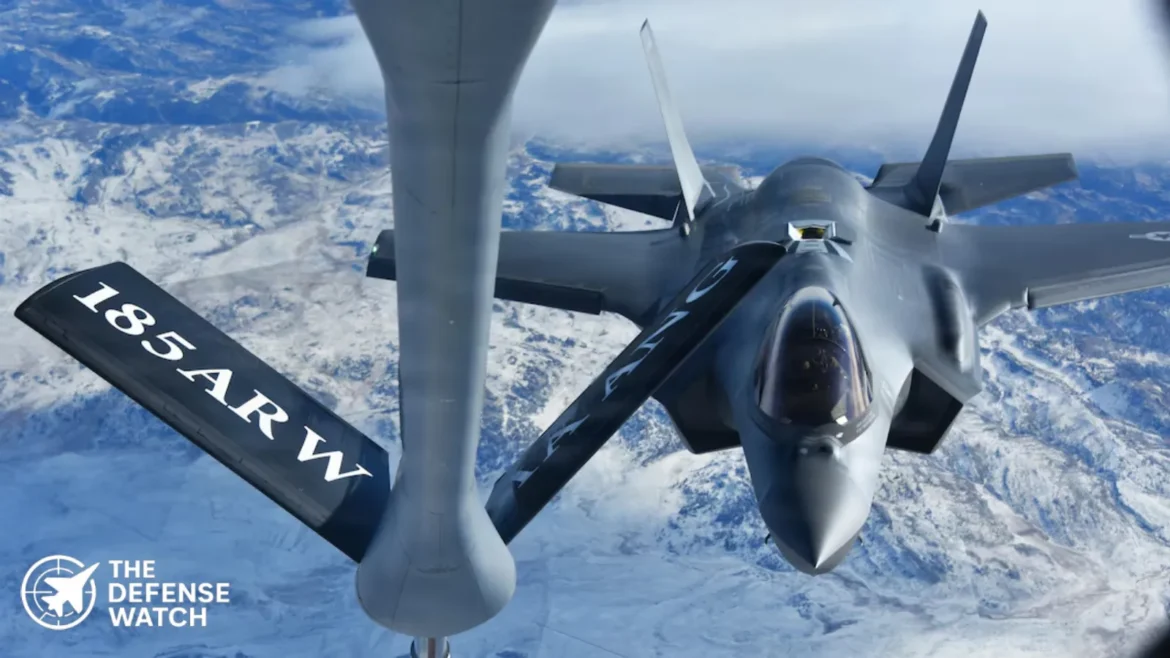
A KC 135 Stratotanker conducted an aerial refueling of an F 35A Lightning II over the Rocky Mountains on Jan. 10, 2026, highlighting the Air National Guard’s role in sustaining fifth generation fighter operations across the United States.
The tanker aircraft was assigned to the Iowa Air National Guard’s 185th Air Refueling Wing, while the receiving aircraft, an F 35A Lightning II, belonged to the Wisconsin Air National Guard’s 115th Fighter Wing. The operation took place during a routine training mission designed to maintain aircrew readiness and interoperability.
-
Aerial refueling remains a core enabler of U.S. airpower, extending the range and endurance of combat aircraft while reducing reliance on forward bases. For the F 35A, which is increasingly fielded across Guard units, reliable tanker support is critical for both homeland defense and overseas deployments.
The KC 135 Stratotanker, despite its age, continues to serve as the backbone of the U.S. Air Force’s refueling fleet. According to the U.S. Air Force, the aircraft provides fuel to a wide range of receivers, including fighters, bombers, and intelligence platforms, and is expected to remain in service alongside the newer KC 46 Pegasus for years to come.
-
Training missions over complex terrain such as the Rockies add realism, requiring precise formation flying and fuel transfer under challenging weather and altitude conditions. Air National Guard officials regularly note that these missions mirror the demands crews would face during real world operations.
The 115th Fighter Wing was among the first Guard units to transition to the F 35A, marking a major modernization step for state based air defense forces. The Iowa Air National Guard’s 185th Wing continues to support both domestic and global missions through its refueling role.
-
KC-46 Pegasus vs. KC-135 Stratotanker: Comparing America’s Tanker Fleet Transition
The U.S. Air Force (USAF) is balancing two generations of aerial refueling capability: the Cold War-era KC-135 Stratotanker and the next-generation KC-46 Pegasus. While the KC-135 has been the backbone of U.S. global airpower projection since the 1950s, the KC-46 represents the future—designed to meet the demands of modern warfare, Indo-Pacific operations, and multi-role missions.
As of September 2025, the Air Force operates approximately 396 KC-135s alongside more than 70 KC-46s, with a total of 179 Pegasus aircraft planned under current contracts. The transition underscores both the reliability of the Stratotanker and the challenges of fielding a technologically advanced replacement.
Design and Performance
KC-135 Stratotanker: A Proven Workhorse
Introduced in 1957 and derived from the Boeing 707, the KC-135 has fueled U.S. fighters, bombers, and allies across every major conflict since Vietnam. Its four CFM International F108-CF-100 turbofans provide redundancy but consume more fuel compared to modern engines. The aircraft can carry about 200,000 pounds of fuel and up to 80 passengers, with limited aeromedical capabilities.
Despite its age, extensive upgrades—including re-engining and avionics modernization—have extended its service life well into the 2040s. Its lower operating costs (around $20,000 per flight hour) make it an economical platform for routine operations.
KC-46 Pegasus: Efficiency and Survivability
Based on the Boeing 767-200ER airframe, the KC-46 Pegasus brings a modern twin-engine design powered by Pratt & Whitney PW4062 turbofans. It can carry 212,299 pounds of fuel, nearly three times more cargo pallets than the KC-135, and up to 114 passengers—doubling personnel capacity.
Equipped with advanced Large Aircraft Infrared Countermeasures (LAIRCM), radar warning systems, and hardened systems for contested environments, the Pegasus offers survivability features the Stratotanker never had. Its fly-by-wire refueling boom and wing-mounted hose-and-drogue pods provide compatibility with U.S. and allied aircraft, reducing contact times and easing pilot workload.
Key Specifications Side by Side
Feature KC-135 Stratotanker KC-46 Pegasus Manufacturer/Base Model Boeing (707 prototype, 1950s design) Boeing (767-200ER airliner, 1980s design) Crew 3 (pilot, co-pilot, boom operator; navigator optional) 3 (pilot, co-pilot, boom operator; remote station) Engines 4 × CFM International F108-CF-100 turbofans (high-bypass upgrades) 2 × Pratt & Whitney PW4062 turbofans Max Takeoff Weight 322,500 lb (146,285 kg) 415,000 lb (188,240 kg) Fuel Capacity 200,000 lb (90,718 kg) 212,299 lb (96,297 kg) Refueling Methods Primarily flying boom; limited drogue adapters Boom + hose-and-drogue (wing pods for independent ops) Cargo Capacity Up to 6 pallets; ~83,000 lb total Up to 18 pallets (3x more than KC-135); ~65,000 lb Passenger Capacity Up to 80 Up to 114 (double the KC-135) Aeromedical Evac (Medevac) Limited (basic litter setup) Up to 54 patients (30% more capacity) Range ~7,000 nmi (unrefueled) ~7,200 nmi (unrefueled) Max Speed Mach 0.90 (530 kn, 981 km/h) Mach 0.86 (530 kn, 981 km/h) Service Ceiling 50,000 ft (15,240 m) 43,100 ft (13,140 m) Defensive Systems Basic radar warning; limited IR countermeasures Advanced: LAIRCM (IR countermeasures), RDR (radar warning), tactical datalinks Ramp Space Needed Larger footprint (4 engines) Smaller (2 engines; shorter runways viable) Unit Cost (FY2025 est.) ~$39.6M (upgraded R-model) ~$150M (includes modern avionics) Operational Advantages and Challenges
KC-135 Advantages
- Proven reliability across six decades of operations
- Lower cost per flight hour
- Massive fleet size for surge capacity
- Available across active, Reserve, and Guard units
KC-46 Advantages
- Multi-mission versatility: cargo, medevac, passengers, and refueling
- Advanced defensive systems for contested environments
- Glass cockpit and data links for modern battlespace integration
- Certified for 20+ receiver aircraft, including the F-35 Lightning II
KC-46 Challenges
Despite its strengths, the KC-46 has faced setbacks. Issues with the Auxiliary Power Unit (APU) led to temporary restrictions in July 2025, while boom nozzle binding incidents and structural cracks caused delivery pauses earlier this year. Only about 70 aircraft have been fielded, short of initial goals, though Boeing continues to address deficiencies.
Strategic Outlook
The USAF’s tanker recapitalization strategy is phased. The KC-46 will replace roughly half of the KC-135 fleet, while a future KC-Y program is expected to address long-term replacement needs. Until then, the KC-135 remains indispensable, ensuring global refueling capacity while the Pegasus matures.
For contested regions like the Indo-Pacific, where range and survivability are critical, the KC-46 will likely prove essential once fully operational. However, the KC-135’s endurance and cost-effectiveness ensure it remains a cornerstone during the transition period.
Analysis: The transition from KC-135 to KC-46 reflects broader defense modernization challenges: balancing legacy reliability with new capability. Like other next-generation programs, the Pegasus offers leap-ahead technology but faces cost overruns and technical hurdles. The USAF’s decision to maintain both fleets for the foreseeable future reflects pragmatism—leveraging the old while integrating the new.
Source: U.S. Air Force official fact sheets
FAQs
Why is the KC-135 still in service after nearly 70 years?The KC-135 has proven reliable, cost-effective, and adaptable through upgrades, making it indispensable until the KC-46 fleet is fully fielded.
What makes the KC-46 different from the KC-135?The KC-46 offers multi-role versatility, advanced defensive systems, and interoperability with allied aircraft—capabilities the KC-135 lacks.
When will the KC-46 fully replace the KC-135?Current USAF plans aim for phased replacement into the 2030s, but some KC-135s may remain operational into the 2040s.
How much does the KC-46 cost compared to the KC-135?The KC-46 costs about $150 million per unit, compared to an estimated $39.6 million for an upgraded KC-135R model.
Newer Posts